 Oubo Chemical
1 / 2
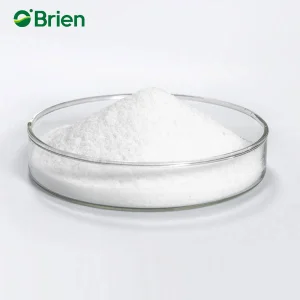
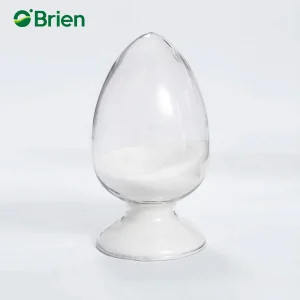
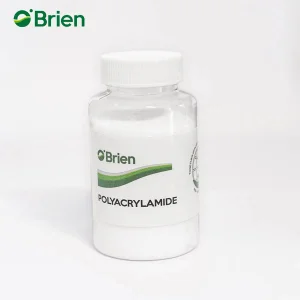
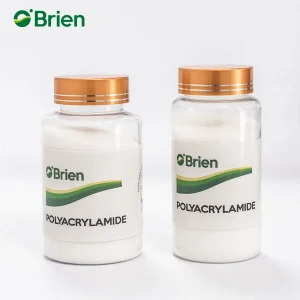
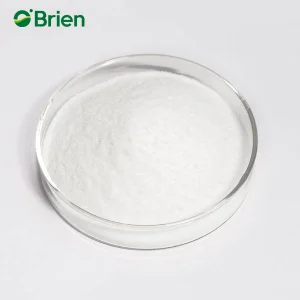
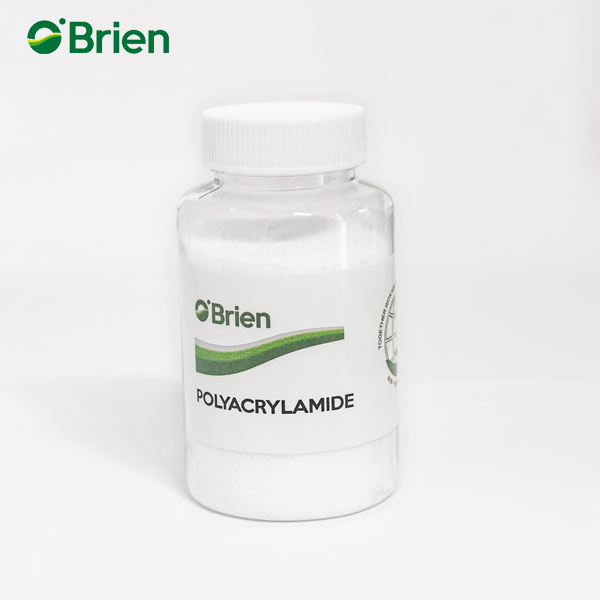
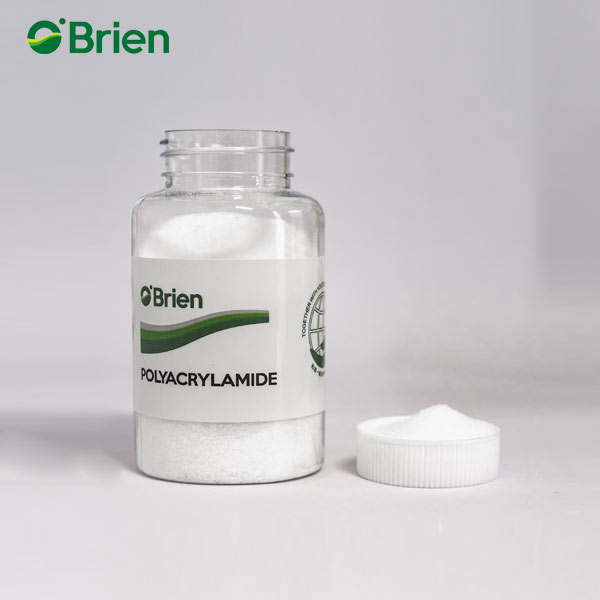
Cationic Polyacrylamide (CPAM) is a white granule and a linear high molecular compound that is highly soluble in water. Featuring positive charge active groups on its molecular chains, it exhibits exceptional flocculation effects while remaining non-toxic, odorless, and easily moisture-absorbent.
Cationic Polyacrylamide is extensively applied across various industrial sectors:
Cationic Polyacrylamide (CPAM) is a water-soluble linear high molecular weight compound appearing as white granules. It features positive charge active groups on its molecular chains and offers excellent flocculation performance.
No, Cationic Polyacrylamide is non-toxic and odorless. However, it easily absorbs moisture and should be stored properly in dry conditions.
CPAM is highly soluble in water but insoluble in organic solvents such as ethanol and acetone.
It serves primarily as a dewatering reagent to facilitate sludge dewatering and decrease the overall water content rate of sludge.
In the paper making industry, CPAM functions as a retention aid and strength intensifier. It enhances both the dry and wet strength of paper and improves the retention of tiny fibers and fillers.
CPAM is widely used for industrial wastewater and sewage treatment across pharmaceutical, leather making, printing, dyeing, and textile industries.