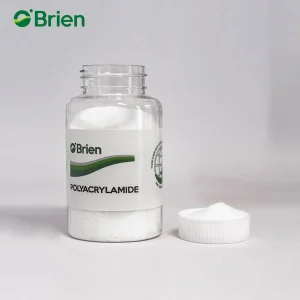
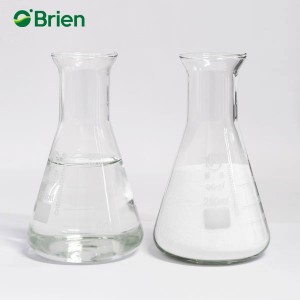
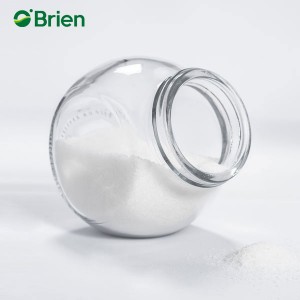
Anionic Polyacrylamide Supplier & Global Technical Authority

Industrial-Grade Water-Soluble Polymers, Bio-Catalytic APAM Manufacturing & Enterprise Solutions for Water Treatment, EOR, Mining, and Paper Industries

Featured Anionic Polyacrylamide Products

High-performance water treatment chemicals synthesized via eco-friendly biological methods

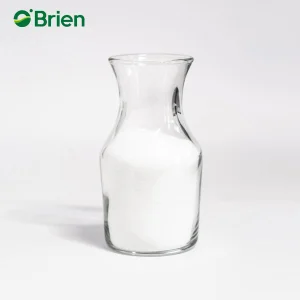
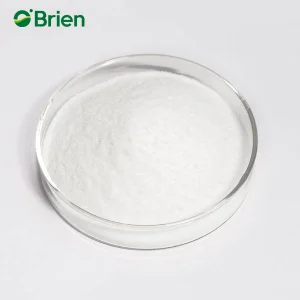
Wholesale PAM Anionic Polyacrylamide Manufacturer

Wholesale PAM Anionic Polyacrylamide Manufacturer

View Specifications
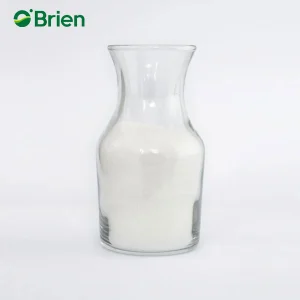
Wholesale Anionic Polyacrylamide Manufacturers, Supplier

Wholesale Anionic Polyacrylamide Manufacturers

View Specifications
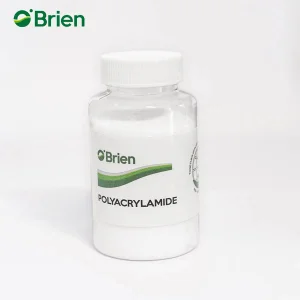
China PAM Anionic Polyacrylamide Dry & Wet Strength Agent

PAM Anionic Strength Agent for Paper Industry

View Specifications
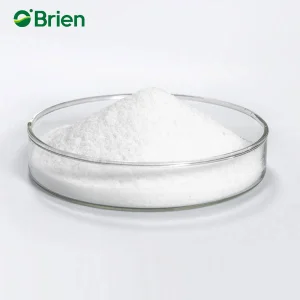
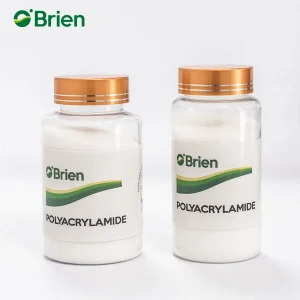
APAM Powder Flocculant for Food Processing

APAM Flocculant for Food & Sugar Wastewater

View Specifications
APAM for Municipal Sewage Treatment

APAM for Municipal Sewage & Sludge Dewatering

View Specifications
High Molecular Weight APAM for Petrochemical

High MW APAM for Petrochemical Wastewater

View Specifications
Nonionic Polyacrylamide Flocculant Acidic Wastewater

NPAM Flocculant for Acidic Industrial Wastewater

View Specifications
Cationic Polyacrylamide Flocculant for Textile Wastewater

Cationic PAM (CAS 9003-05-8) for Textile Effluent

View Specifications

Oubo Chemical Core Operational Metrics

Global presence, robust quality control system, and sustainable polymer innovation since 2011

50,000+
Metric Tons Annual Capacity
€200M
Annual R&D Investment
10%
Year-over-Year Growth
ISO 9001
2008 Certified Quality System

1. Comprehensive Technical Overview: Anionic Polyacrylamide (APAM) Fundamentals

Anionic Polyacrylamide (APAM) is a linear, water-soluble high-molecular-weight polymer synthesized via the copolymerization of acrylamide monomers and acrylic acid (or sodium acrylate) functional groups. Recognized globally as a premier synthetic resin and flocculating agent, APAM features a distinct molecular chain characterized by negatively charged carboxylate groups ($\text{-COO}^-$) along its hydrocarbon backbone. This dynamic ionic architecture enables high-performance charge neutralization, inter-particle bridging, and efficient solid-liquid separation across challenging industrial environments.

As a dedicated Anionic Polyacrylamide Supplier, Qingdao Oubo Chemical Co., Ltd. (established in 2011 within the Free Trade Zone of Qingdao, China) leverages state-of-the-art bio-catalytic enzymatic technology for monomer production. Unlike conventional chemical synthesis methods, bio-catalytic polymerization yields high-purity acrylamide monomers with negligible residual acrylamide monomer (MAM) content, exceptionally high molecular weights (ranging from 5 Million to upwards of 25 Million Daltons), and customizable charge densities (ranging from 10% to 80% anionic hydrolysis degree).

Chemical Structural Parameters & Performance Dynamics

The performance efficacy of Anionic Polyacrylamide in industrial applications is primarily governed by two structural parameters: Molecular Weight (MW) and Degree of Hydrolysis (Charge Density).

  • Molecular Weight (5M – 25M Daltons): Higher molecular weight polymers feature extended chain lengths in aqueous solutions. This spatial expansion maximizes the "bridging" mechanism, allowing a single polymer strand to simultaneously adsorb onto multiple suspended solid particles, generating large, rapid-settling flocs.
  • Hydrolysis Degree (10% – 80% Anionic Charge): The degree of hydrolysis reflects the molar ratio of carboxylate functional groups relative to non-ionic amide groups. Higher charge density enhances electrostatic repulsion between chain segments, expanding the polymer coil, while simultaneously matching the zeta potential requirements of positively charged mineral or organic suspensions.
Grade Classification Molecular Weight (Million) Hydrolysis Degree (%) Solid Content (%) Dissolution Time (Mins) Primary Industrial Application
APAM Ultra-High MW 20.0 – 25.0 20% – 30% ≥ 88% ≤ 60 EOR (Enhanced Oil Recovery), Tailings Dewatering
APAM High MW 15.0 – 20.0 25% – 40% ≥ 88% ≤ 50 Municipal Sewage, Industrial Wastewater Coagulation
APAM Medium MW 10.0 – 15.0 15% – 30% ≥ 88% ≤ 45 Paper Retention & Drainage, Sugar Juice Clarification
APAM Low MW 5.0 – 8.0 10% – 20% ≥ 88% ≤ 30 Dispersant Agents, Acidic Wastewater Clarification

2. Why Choose Oubo Chemical: Enterprise Authority & Quality Infrastructure

Delivering consistent polymer chemistry through global supply chain integration and rigorous testing

Global Raw Material Sourcing

To guarantee absolute batch-to-batch polymer purity, Oubo Chemical procures high-grade primary raw materials from world-class petrochemical leaders, including SINOPEC and Eni. Fully automated continuous polymer production lines eliminate human error during batching and polymerization.

Triple-Stage QC & ISO Certification

Oubo operates under a strict, comprehensive quality control system certified by ISO9001:2008. Every single batch of product undergoes 3 separate, mandatory quality verification steps by our dedicated QC team before leaving the facility: raw material assay, reactor output check, and final packaged powder testing.

Patented Bio-Catalysis R&D

Oubo invests €200 Million annually into continuous technical research and technology accumulation. Our patented biological monomer synthesis reduces energy consumption, minimizes carbon impact, and yields polyacrylamide with longer molecular chains and enhanced shear resistance.

3. Macro-Industrial Solutions & Application Engineering

Tailored Polyacrylamide formulations for diverse sector challenges worldwide

Water & Municipal Wastewater

In municipal sewage treatment and industrial solid-liquid separation, APAM functions as a premier primary flocculant. It significantly accelerates sedimentation kinetics, clarifies turbid water, and promotes high-solids sludge compaction in belt filter presses, centrifuges, and chamber filter presses.

Oilfield & EOR Operations

APAM plays a pivotal role in Enhanced Oil Recovery (EOR) by increasing the viscosity of injected water, thereby improving sweep efficiency across reservoir zones. It serves as an essential fluid-loss control additive, shale inhibitor, friction reducer, and profile plugging agent in drilling muds and hydraulic fracturing fluids.

Pulp & Paper Manufacturing

Acts as a retention aid, drainage agent, and wet/dry strength agent. APAM neutralizes anionic trash, balances wet-end chemistry, increases retention rates of short fibers and mineral fillers (TAC/PCC), improves sheet formation, and enhances white water recycling efficiency.

Mining & Mineral Processing

Provides rapid solid-liquid separation during mineral dressing for gold, copper, iron, nickel, aluminum, and coal washing tailings. APAM accelerates clear water recovery from thickeners and reduces tailing pond environmental footprint dramatically.

Sugar Refining & Food Processing

Optimized food-grade anionic flocculants accelerate juice clarification and sugar liquor flotation. It removes suspended organic impurities rapidly without leaving hazardous chemical residues in the final refined sugar product.

Textiles & Dyeing Effluent

Utilized as a textile warp sizing agent, fabric finishing agent, and protective coating layer. In dye house wastewater treatment, APAM removes heavy color intensity and suspended solids when combined with inorganic coagulants like PAC.

4. Technical Roadmap, Packaging & Global Localization Compliance

As environmental regulations tighten across Europe, North America, and Asia-Pacific, Oubo Chemical continues to advance its polymer chemistry roadmap. Our forward-looking development focuses on low-monomer toxicity, hyper-branched salt-tolerant polymers, and green bio-degradable chemical frameworks.

Patented Bio-Catalysis vs Traditional Chemical Synthesis

Traditional polyacrylamide manufacturing relies on chemical synthesis using copper-catalyzed hydration of acrylonitrile. This older methodology often leaves copper catalyst trace residues and higher unreacted acrylamide monomer (MAM) concentrations, which pose toxicological risks to aquatic ecosystems.

Oubo Chemical’s microbial enzymatic bio-catalysis process utilizes specialized biological enzymes to convert acrylonitrile into acrylamide monomer at room temperature. This yields an exceptionally pure monomer solution with zero heavy metal contamination, extremely low monomer residue (< 500 ppm), and longer linear molecular structures capable of achieving superior flocculation efficiency at lower dosage rates.

Packaging, Logistics & Custom OEM Solutions

To ensure safe, moisture-proof transport across oceanic and land routes, Oubo offers standardized and customized packaging solutions designed for global supply security:
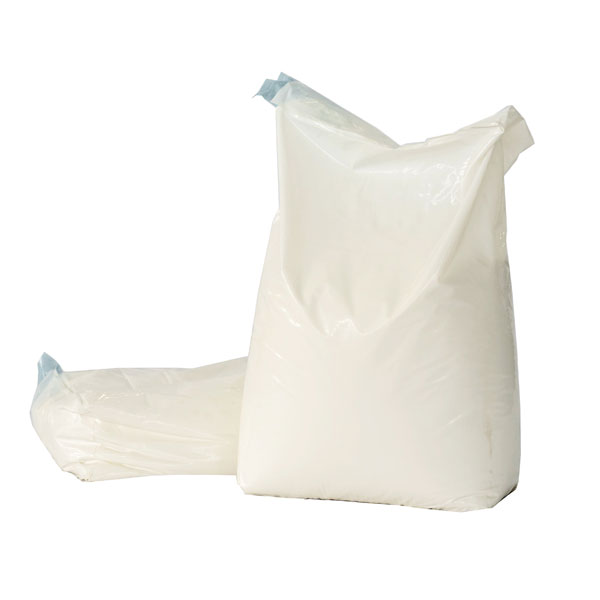
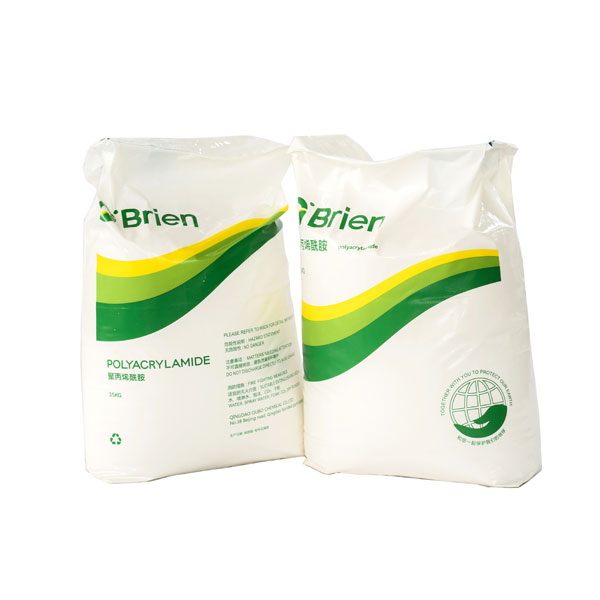
  • Standard 25kg Kraft/PE Bags: 3-in-1 composite paper-plastic bags lined with an inner PE moisture barrier bag. Available in standard brand printing or neutral blank-bag configurations for OEM distributors.
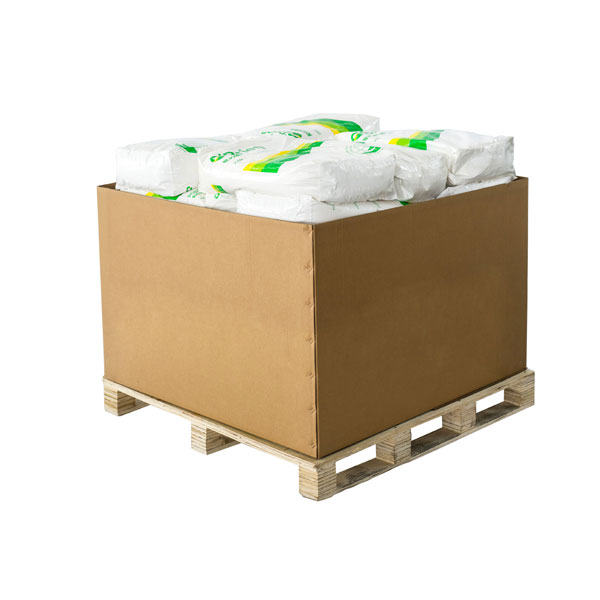
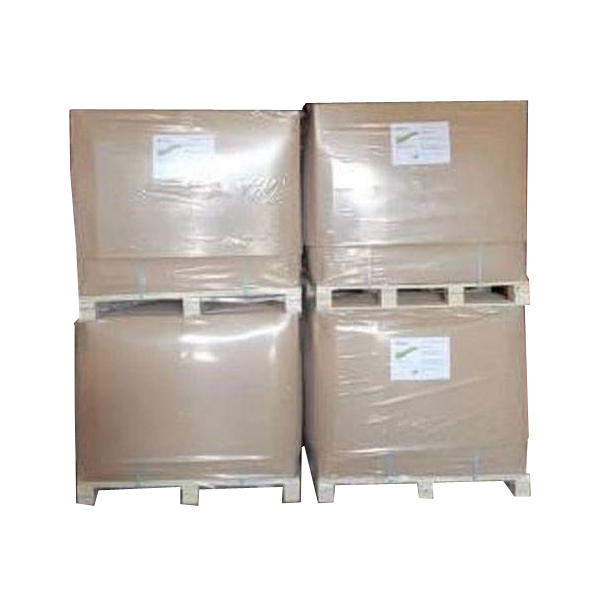
  • Palletized Cargo Support: Standardized export wooden or plastic pallets shrink-wrapped with high-tensile protective film (1.0 to 1.2 Metric Tons per pallet).
  • Jumbo Container Bags: Bulk 750kg and 1000kg FIBC jumbo bags equipped with top loading spouts and bottom discharge chutes for automated plant dosing setups.
Blank Bag Packaging

OEM Neutral Blank Bag

Normal Bag Packaging

O'brien Standard Bag

Custom Outer Package

Reinforced Outer Packaging

Palletized Export Package

Export Palletized Unit load

5. Frequently Asked Questions (FAQ) & Technical Guidance

Expert answers to critical operational, chemistry, and supply questions

Q: How do I determine the optimal molecular weight and hydrolysis degree for my wastewater treatment plant?
Selection depends on suspend solid composition, slurry pH, shear conditions, and dewatering equipment type. Generally, inorganic mineral suspensions (mining tailings, sand washing) respond best to high molecular weight (18M–22M) APAM with moderate hydrolysis (20–30%). Organic-rich industrial sludges typically require cationic PAM or specialized medium-charge APAM. Oubo’s technical engineering team offers complimentary laboratory beaker jar testing to analyze sample water and specify exact product grades.
Q: What are the recommended dissolution procedures to avoid "fish-eyes" during APAM preparation?
To achieve complete polymer activation, APAM dry powder must be slowly fed into a vortex created by clean water (temperature 20°C – 40°C) using an automated dry powder feeder or manual dispersion. Concentration should be maintained between 0.1% and 0.3% w/v. Avoid high-shear mechanical agitation (>500 RPM) during aging, as extreme shear forces break long polymer molecular chains, degrading viscosity and performance. Agitate gently for 45–60 minutes until solution is completely homogeneous.
Q: What is the shelf life and proper storage condition for Anionic Polyacrylamide powder and prepared liquid solutions?
Dry powder APAM has a shelf life of 24 months when stored in original, unopened packaging in a cool, dry, well-ventilated warehouse away from heat, moisture, and direct sunlight. Aqueous solutions diluted to 0.1%–0.3% concentration should be consumed within 24 to 48 hours. After 48 hours, hydrolytic degradation reduces polymer chain effectiveness, particularly when prepared using hard water or water containing oxidative species.
Q: How does bio-catalytic APAM compare to traditional chemical-catalysis APAM in Enhanced Oil Recovery (EOR)?
Bio-catalytic APAM produced by Oubo features longer molecular chains, narrower molecular weight distribution, and zero copper ion impurities. In EOR operations, this translates to superior thermal stability, higher resistance to mechanical shear degradation during downhole injection, and enhanced mobility control ratio, yielding higher barrels of oil recovered per ton of polymer injected.

Full Range Specialty Polyacrylamide Catalog

Explore our complete inventory of Anionic, Nonionic, and Cationic PAM solutions
High MW NPAM for Coal Washing Tailings Dewatering

Nonionic PAM for Coal Washing Tailings

View Specifications
China Nonionic Polyacrylamide Manufacturers Supplier

China Nonionic Polyacrylamide Manufacturer

View Specifications
Cationic Polyacrylamide Retention & Drainage Aid for Paper

Cationic PAM Retention & Drainage Aid

View Specifications
Cationic Polyacrylamide CPAM for Sludge Dewatering

Cationic PAM (CPAM) for Sludge Dewatering

View Specifications
NPAM for Mineral Processing & Metallurgical Ore Dressing

NPAM for Mineral Processing & Metallurgical Ore

View Specifications
Anionic Polyacrylamide Granular Polymer

High-Purity Anionic Polyacrylamide Granules

View Specifications
Industrial Grade Anionic Polyacrylamide Powder

Industrial Grade Anionic Polyacrylamide Powder

View Specifications
PAM Anionic Polyacrylamide Sewage Treatment Formulation

APAM Sewage Treatment Formulation

View Specifications
All Anionic Polyacrylamide Products