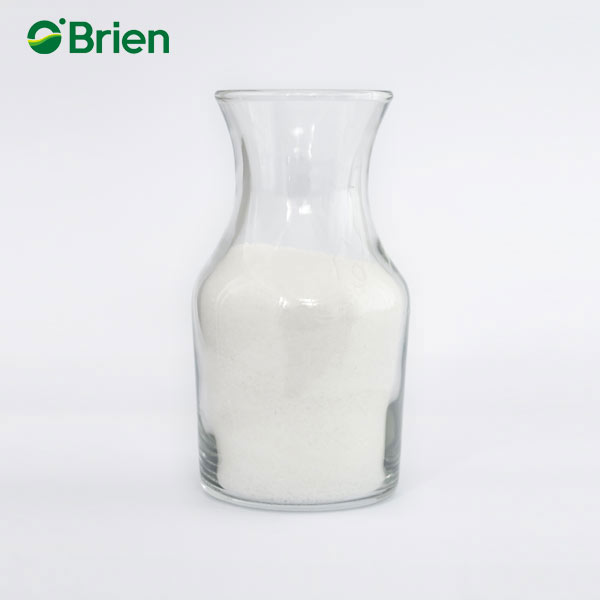
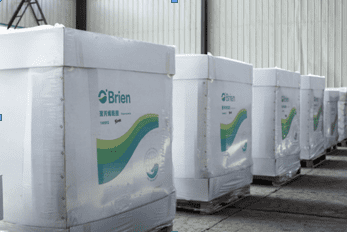
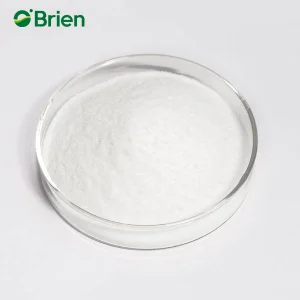
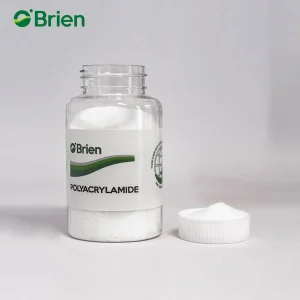
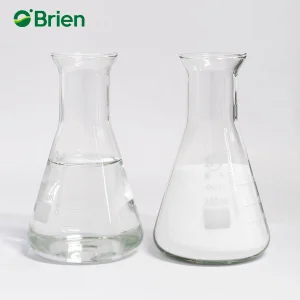
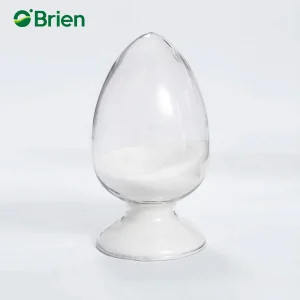
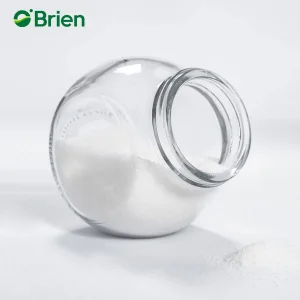
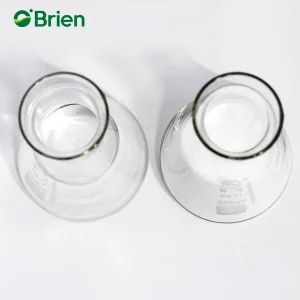
Nonionic polyacrylamide is a high polymer with high molecular weight and low ion exponent, which features key functions including flocculation, dispersal, thickening, bonding, film forming, gelatin, and colloidal stability. Its flocculation performance is hardly influenced by pH values or salt content. In acidic wastewater treatment processes, its practical efficiency is superior to that of anionic polymers.
Used in coal washing tailing centrifugal separation, as well as the sedimentation and filtration of coal powder and coal mud. It effectively improves the recovery rate of coal powder and enhances filtration speed.
Can be combined with other chemicals to prepare chemical grout for starching textiles. It enhances adhesive properties, penetrability, and desizing performance while adding anti-static protection. It lowers desizing rates, minimizes starch mixing spots, reduces machine breaking efficiency, and prevents falling objects.
Highly suitable for acidophilic sewage water systems. It can be paired with flocculating agents such as PAC (Polyaluminum Chloride) and aluminum sulphate to achieve optimal water treatment results.
Applied in the flotation and smelting of Zinc, Manganese, and Copper mines. Adding PAM to the leachate and slag significantly enhances overall separation efficiency.
Frequently Asked Questions (FAQ)
Q: What is Nonionic Polyacrylamide?
Nonionic polyacrylamide is a high polymer characterized by high molecular weight and low ion exponent. It performs functions such as flocculation, dispersal, thickening, bonding, film forming, gelatin, and colloidal stabilization.
Q: How does pH level affect the performance of Nonionic Polyacrylamide?
Its flocculation efficiency is barely affected by pH values or salt content, making it exceptionally effective in acidic wastewater treatment compared to anionic polymers.
Q: What benefits does Nonionic Polyacrylamide provide in mine washing?
It accelerates the sedimentation and filtration of coal powder and mud during centrifugal separation in coal washing, thereby increasing coal powder recovery rates and filtration speeds.
Q: How is it utilized in the textile industry?
When combined with other chemicals to formulate chemical grout for textile starching, it improves adhesion, penetration, anti-static properties, and desizing while reducing machine breakages and starch spots.
Q: Can Nonionic Polyacrylamide be combined with other coagulants for sewage treatment?
Yes, in acidophilic sewage systems, it works best when matched with coagulants/flocculating agents like PAC (Polyaluminum Chloride) or aluminum sulphate for enhanced purification results.
Q: Which minerals benefit from Nonionic Polyacrylamide during metallurgical processing?
It is widely used in the flotation and smelting operations of Zinc, Manganese, and Copper mines to improve separation efficiency when added to leachate and slag.
 Oubo Chemical