Direct Factory Supply | ISO 9001:2008 Certified | Custom Molecular Weights & Viscosity Specs
Understanding the Chemistry, Molecular Dynamics, and Global Operational Imperatives
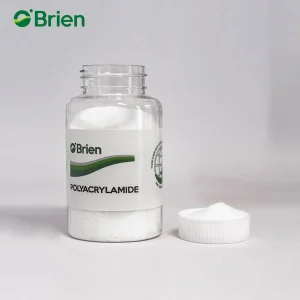
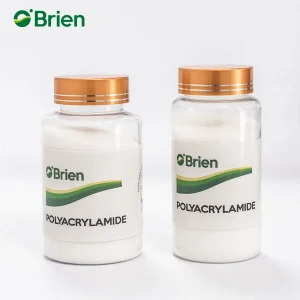
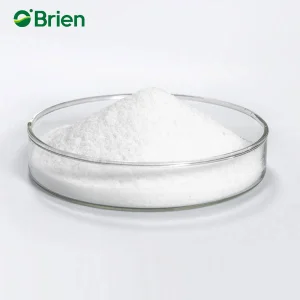
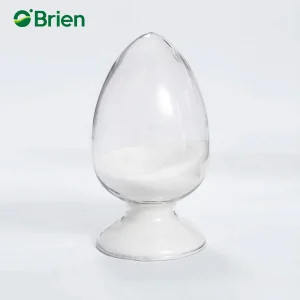
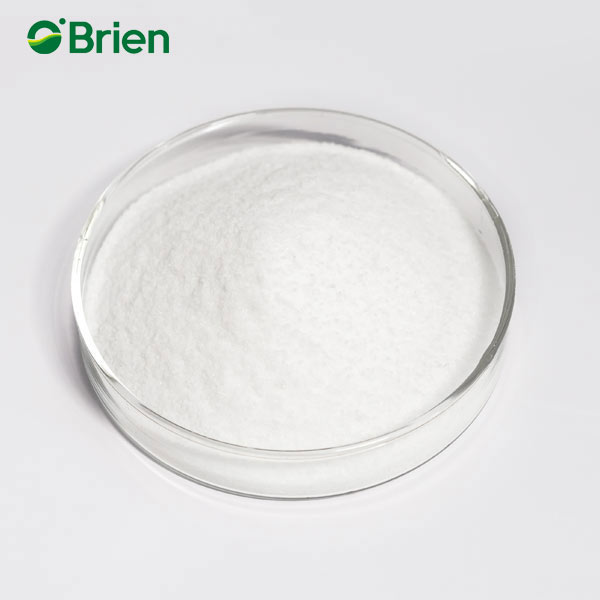
Nonionic Polyacrylamide (NPAM) is a linear water-soluble polymer synthesized through the homopolymerization of acrylamide monomers. Defined by its CAS Registry Number 9003-05-8, NPAM distinguishes itself from its ionic counterparts (Anionic Polyacrylamide - APAM, and Cationic Polyacrylamide - CPAM) by possessing a near-zero net ionic charge along its macromolecular backbone. This fundamental molecular characteristic confers unique thermodynamic and chemical properties, making NPAM an indispensable chemical agent in highly specialized solid-liquid separation processes, acidic media treatment, complex mineral slurries, and high-salinity industrial applications.
Because NPAM relies predominantly on high-density hydrogen bonding and bridging mechanisms rather than electrostatic attraction, its performance remains exceptionally stable across a broad spectrum of pH environments—ranging from highly acidic conditions (pH 1.0–3.0) to neutral matrices. Unlike anionic polymers which precipitate or protonate into inactive forms under strong acidity, or cationic polymers that undergo degradation in the presence of heavy metallic salts, nonionic polyacrylamide maintains its structural integrity and hydrodynamic volume.
When dissolved in aqueous systems, NPAM molecules adopt an extended random coil conformation driven by hydration of the polar amide (-CONH2) side groups. The mechanism of flocculation occurs through multi-point adsorption: single polymer chains simultaneously attach to the surfaces of multiple suspended solid particles via hydrogen bonds formed between amide functional groups and hydroxyl or oxide sites on particle surfaces. This forms ultra-dense, fast-settling micro-flocs capable of withstanding aggressive hydraulic shear stress during industrial filtration, sedimentation, and centrifugation.
To assist global chemical procurement directors, process engineers, and plant managers in selecting the exact technical grade, the performance benchmarks of Oubo Chemical’s NPAM polymer series are outlined below:
| Property Parameter | Standard Nonionic Grade | High-Molecular Weight Grade | Acid-Resistant Special Grade |
|---|---|---|---|
| Appearance | White Granular Powder | White Granular Powder | White/Off-White Granules |
| Molecular Weight (Million) | 6.0 – 10.0 Million | 10.0 – 15.0 Million | 8.0 – 12.0 Million |
| Solid Content (%) | ≥ 89.0% | ≥ 90.0% | ≥ 89.5% |
| Degree of Hydrolysis | 0 – 3.0% (Ultra-Low) | 1.0 – 4.0% | < 1.0% |
| Dissolution Time | ≤ 60 Minutes | ≤ 90 Minutes | ≤ 50 Minutes |
| Insoluble Matter | ≤ 0.2% | ≤ 0.15% | ≤ 0.10% |
| Effective pH Range | 1.0 – 8.0 | 2.0 – 8.0 | 0.5 – 7.0 |
World-Leading Technical Innovation, Biological Synthesis Patents, and Uncompromising Quality Control
Established in 2011 and strategically headquartered within the Free Trade Zone of Qingdao, China, Oubo Chemical Co., Ltd has established itself as an elite global manufacturer and supplier of water-soluble polymers. Over more than a decade of technical refinement, Oubo has maintained a consistent 10% annual business expansion, achieving an annual polyacrylamide production capacity exceeding 50,000 Metric Tons.
Our operational ethos combines advanced chemical engineering with environmental stewardship. We recognize that industrial polymer supply is not merely about chemical delivery; it is about guaranteeing process efficiency, minimizing sludge disposal volumes, reducing operational carbon footprints, and ensuring total compliance with stringent global environmental standards.
Oubo’s quality management framework is fully certified under ISO 9001:2008. Every manufacturing batch undergoes rigorous triple-stage Quality Control (QC) validation—from raw material feedstock testing to in-line reaction telemetry and final product spectral analysis. We proudly stand behind our product portfolio, serving municipal water districts, Fortune 500 mining enterprises, global energy operators, and paper production conglomerates worldwide.
Qingdao OUBO Chemical utilizes proprietary biological enzymatic synthesis methods for monomer production (patent applied). We re-invest over €2.0 Million annually in R&D for ongoing technical accumulation and product evolution.
Global supply chain integration with primary chemical feedstock sourced from world-class producers like SINOPEC and Eni. Fully automated continuous polymer production lines backed by 3-stage QC testing per batch.
Over 8+ years of targeted specialization in synthetic polyacrylamide production. We deliver optimal cost-performance ratios, rapid lead times, and reliable long-term supply agreements for high-volume enterprise users.
Our senior chemical engineering team actively collaborates throughout pre-sales screening, laboratory jar testing, dosage calibration, plant trial execution, and long-term after-sales optimization.
Engineered Polyacrylamide Solutions for High-Stress Industrial Ecosystems
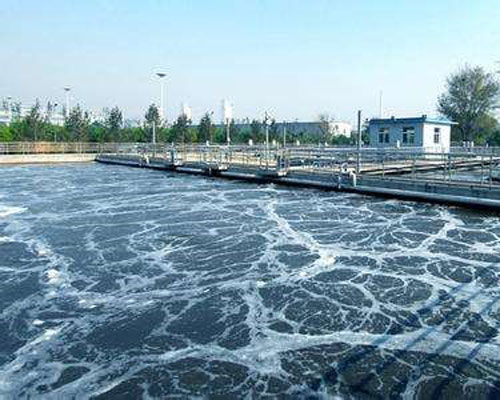
In industrial wastewater treatment, NPAM acts as a supreme flocculant in solid-liquid separation processes including primary clarification, thickener settling, and sludge dewatering. It performs exceptionally in highly acidic industrial effluents generated by metal plating, steel pickling, chemical processing, and acid-mine drainage where conventional anionic polymers fail due to charge neutralization.
Nonionic PAM serves as a vital fluid-loss reducer, shale inhibitor, and rheology modifier in oil field operations. It maintains drilling mud viscosity, cools and lubricates drill bits, carries cuttings to the surface, and seals porous subterranean formations. In EOR, its high thermal stability and shear tolerance help improve sweep efficiency in high-salinity reservoirs.

Essential for mineral processing of gold, silver, iron, copper, nickel, and coal washing operations. NPAM accelerates solid-liquid separation in thickeners and tailing ponds. It facilitates rapid slurry settling, enables clear water recycling in closed-loop washing circuits, and enhances vacuum or press belt filter efficiency during cake formation.
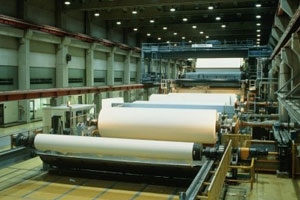
Used extensively as a dry strength agent, retention aid, and filtration accelerator. NPAM significantly improves fine fiber and filler retention, enhances paper sheet structural integrity, reduces raw material loss, and clarifies paper mill white water for efficient recirculation, reducing overall biological oxygen demand (BOD) in plant effluent.
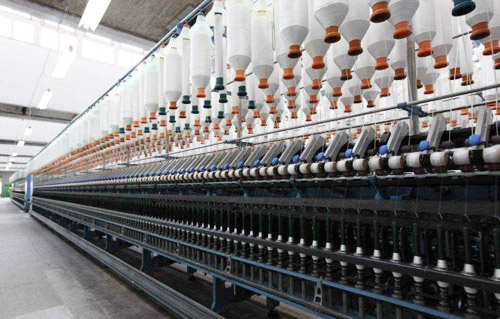
Acts as a high-performance sizing agent, finishing auxiliary, and fabric treatment agent in textile manufacturing. When applied to textile wastewater treatment, NPAM effectively coagulates suspended dye intermediates, unfixed pigments, and sizing chemicals, facilitating efficient color removal and sludge dewatering.
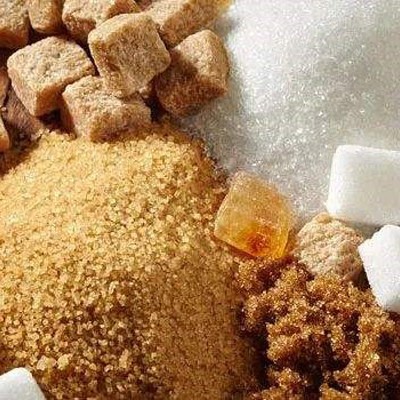
In sugar production, food-grade NPAM accelerates juice clarification and flotation processes, removing micro-impurities without altering sucrose chemical properties. In agriculture, specialized NPAM formulations serve as soil stabilizers, erosion control agents, and moisture retention enhancers for arid farming regions.
1. Paper Retention Agent: Significantly improves the retention rate of short fibers, titanium dioxide, calcium carbonate, and active fillers, accelerating machine drainage speeds while reducing raw material consumption costs.
2. Anionic Garbage Capture Agent: Interacts with dissolved organic anionic trash in recirculation circuits, neutralizing surface charges on micro-fibers, balancing wet-end chemistry, and preventing chemical additive interference.
3. Paper Strength Agent: Fully functional across the entire pH spectrum. Directly adsorbs onto cellulosic fibers to form strong hydrogen and covalent bonds between fiber hydroxyl groups, increasing tensile and burst strength.
4. Paper Dispersant Agent: Promotes uniform fiber dispersion during sheet formation, eliminating fiber clumping, perfecting sheet appearance, and enhancing paper softness, opacity, and tactile uniformity.
How Oubo Chemical Drives Next-Generation Polyacrylamide Synthesis
Traditional acrylamide synthesis relies on chemical copper-catalyst methods which leave toxic copper traces and undesirable chemical byproducts. Oubo utilizes patented bio-catalytic enzymatic technology, producing ultra-pure acrylamide monomers with zero copper ions, higher conversion efficiency, and minimal residual monomer levels (<0.05%).
Uncontrolled thermal hydrolysis converts amide groups into carboxyl groups, altering nonionic characteristics into anionic traits. Oubo’s proprietary low-temperature initiation polymerization system precise-controls the hydrolysis degree strictly below 2.0%, ensuring stable hydrodynamic performance in high-temperature, high-salinity, and highly acidic waters.
Through advanced micro-particle size distribution technology, Oubo NPAM granules feature optimal particle uniformity (20–80 mesh). This prevents the formation of un-dissolved polymer gel clumps ("fish eyes") during auto-dosing operations, accelerating dissolution rates by up to 35% compared to standard commercial polymers.
Moisture-Proof Packaging Engineered for Long-Distance Maritime Transport & Storage
Qingdao Oubo Chemical Co., Ltd provides robust, custom-engineered packaging solutions designed to safeguard polymer structural integrity against ambient humidity, temperature fluctuations, and mechanical stress during international freight. All packaging meets strict international maritime safety and REACH environmental guidelines.
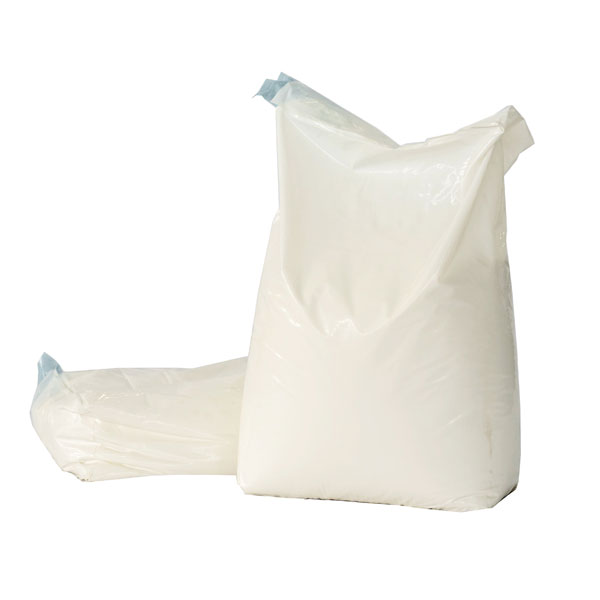
25kg multi-wall paper-plastic composite bags without print, ideal for OEM distributors and private labeling.
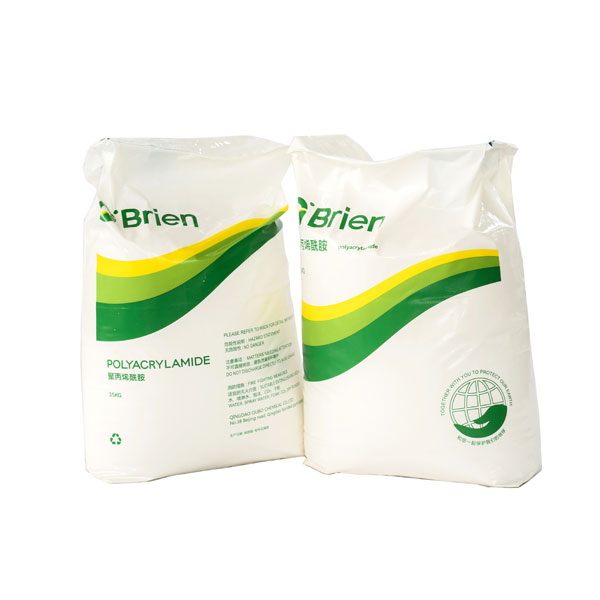
Standard O'brien branded 25kg PE-lined bags with batch tracking codes and GHS chemical labeling.
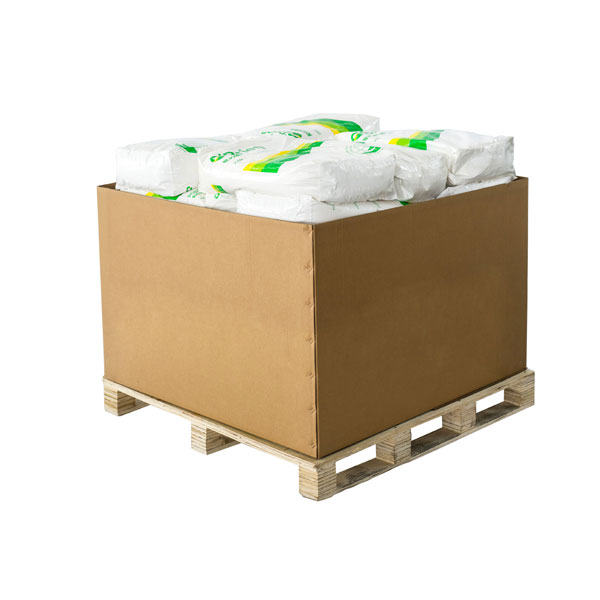
750kg and 1000kg heavy-duty FIBC super sacks designed for high-volume automated chemical dosing plants.
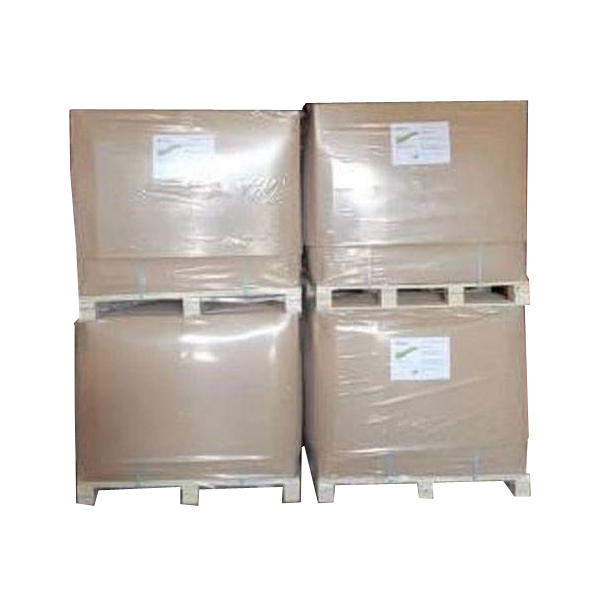
Fumigated wooden/plastic pallets, shrink-wrapped with corner boards for maximum container stability during sea transit.
Direct Insights from Oubo Chemical’s Technical Application Engineering Team
Explore Anionic, Cationic, and Specialized Nonionic Polyacrylamide Formulations
 Oubo Chemical