High-purity nonionic polymers designed for high performance in acidic, high-salinity, and complex industrial effluent systems.
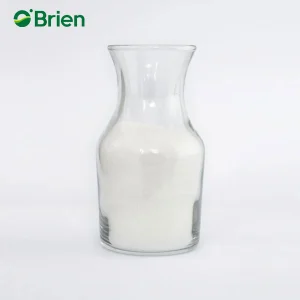
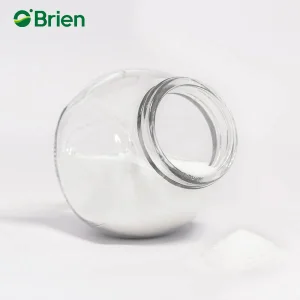
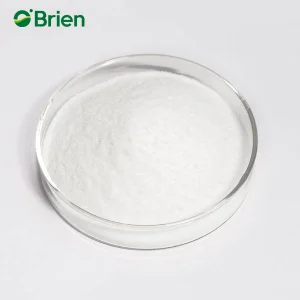
Understanding the macroeconomic factors, environmental regulations, and specific chemical processing needs in Sri Lanka's key export industries.
Sri Lanka’s rapid industrial expansion across Export Processing Zones (EPZs) such as Katunayake, Biyagama, Seethawaka, and Mirigama has intensified the need for advanced wastewater treatment and process water recovery systems. Under the enforcement of the Central Environmental Authority (CEA) of Sri Lanka, manufacturing units are required to adhere to rigorous Environmental Protection License (EPL) standards for Total Suspended Solids (TSS), Chemical Oxygen Demand (COD), Biological Oxygen Demand (BOD), and heavy metal concentrations.
Nonionic Polyacrylamide (NPAM) has emerged as a crucial chemical solution for Sri Lankan industries due to its neutral molecular structure. Unlike Anionic Polyacrylamide (APAM) or Cationic Polyacrylamide (CPAM), nonionic polyacrylamide carries virtually no ionic charges along its polymer backbone. This unique chemical configuration allows NPAM to perform efficiently in highly acidic environments, mineral-rich suspensions, and complex chemical matrices where charged polymers often fail due to charge neutralization or unwanted complexation.
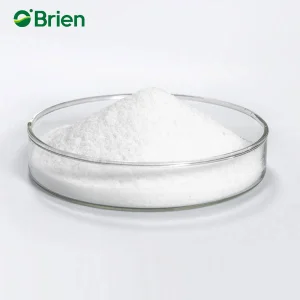
Nonionic Polyacrylamide is a water-soluble linear polymer synthesized through the bio-catalytic polymerization of acrylamide monomers ($-\text{CH}_2=\text{CHCONH}_2-$). Because its polymer chain lacks active functional ionic groups, its primary bridging mechanism relies on hydrogen bonding and van der Waals forces rather than electrostatic attraction.
When added to industrial wastewater suspensions, the extended high-molecular-weight polymer chains adsorb onto the surfaces of suspended solid particles. A single NPAM molecule can attach to multiple suspended solids simultaneously, forming dense, rapidly-settling micro-flocs and macro-flocs. This bridging action is highly effective even under low pH conditions (pH 1.0 to 6.0), making it the primary flocculant choice for acidic industrial effluents produced in Sri Lanka's textile bleaching, rubber latex serum separation, and mineral sand refining operations.
| Parameter / Feature | Nonionic Polyacrylamide (NPAM) | Anionic Polyacrylamide (APAM) | Cationic Polyacrylamide (CPAM) |
|---|---|---|---|
| Ionic Charge Type | Neutral / Zero Charge | Negative Charge ($-\text{COO}^-$) | Positive Charge ($-\text{NH}_3^+$) |
| Optimal pH Range | 1.0 – 8.0 (Acidic to Neutral) | 7.0 – 14.0 (Neutral to Alkaline) | 3.0 – 7.0 (Acidic to Neutral) |
| Primary Flocculation Mechanism | Hydrogen Bonding & Polymer Bridging | Charge Neutralization + Bridging | Electrical Double Layer Compression |
| Resistance to High Salt / Hardness | Exceptional (No charge suppression) | Moderate (Precipitates with $Ca^{2+}, Mg^{2+}$) | Moderate to Low |
| Key Applications in Sri Lanka | Textile dyeing, Rubber latex, Acid washing, Mining | Municipal sewage, Neutral stone wash, Papermaking | Sludge dewatering, Biological sludge filtration |
Tailored polymer formulations engineered to solve specific operational challenges across major Sri Lankan economic sectors.
Sri Lanka's world-class apparel manufacturing hubs in Katunayake and Biyagama EPZs generate complex textile dyeing and bleaching wastewater rich in reactive dyes, heavy metals, surfactants, and acidic bath discharges. Oubo’s NPAM acts as a superior co-flocculant with inorganic coagulants (PAC/Ferric Chloride), clarifying dye bath effluent, reducing turbidity, and accelerating dewatering of fibrous textile sludge without interfering with ionic dye structures.
As one of Sri Lanka’s premier agricultural exports, natural rubber processing produces large volumes of rubber serum wastewater containing proteins, lipids, and formic acid residues. High-molecular-weight NPAM rapidly coagulates suspended rubber micro-particles from serum effluent under acidic conditions, allowing rubber factories in Kalutara, Ratnapura, and Kegalle to reclaim rubber solids and reduce wastewater BOD/COD prior to discharge.
In the Central Highlands (Nuwara Eliya, Badulla, Hatton), steep-slope tea plantations face acute topsoil erosion during the Southwest and Northeast monsoons. Ultra-high molecular weight Nonionic Polyacrylamide is applied as a soil conditioner and anti-erosion binder. It stabilizes soil aggregates, increases infiltration rates, reduces agricultural runoff into the Mahaweli river system, and enhances water retention during dry seasons.
During heavy monsoon storms, surface water sources managed by the National Water Supply and Drainage Board (NWSDB)—such as the Kelani and Kalu rivers—experience extreme spikes in raw water turbidity (>1000 NTU). NPAM serves as a high-efficiency primary clarification aid, forming fast-settling flocs that reduce chemical sludge volume and optimize sand filtration throughput in drinking water treatment facilities.
The heavy mineral sand processing operations in Pulmoddai require robust solid-liquid separation to clarify wash water and recover valuable mineral fractions including ilmenite, rutile, and zircon. NPAM accelerates thickener settling velocities, improves clarity of overflow water for recycle loops, and optimizes continuous centrifuge operation in heavy mineral refining.
For paper manufacturing facilities in Sri Lanka, NPAM functions as a high-performance retention aid, dry-strength agent, and fiber recovery flocculant in white water circuits. It prevents fine fiber loss, improves machine dewatering efficiency, and lowers raw material consumption while supporting effluent zero-liquid-discharge (ZLD) systems.
Global Polymer Manufacturing Excellence for Over a Decade
Established in 2011 and situated in the Free Trade Zone of Qingdao, China, Qingdao Oubo Chemical Co., Ltd. has grown into an international leader in polyacrylamide manufacturing and research. Operating under strict ISO 9001:2008 quality management standards, Oubo maintains a annual polyacrylamide production capacity exceeding 50,000 Metric Tons.
Oubo utilizes advanced biological enzymatic monomer synthesis rather than traditional chemical processes. This patented bio-catalytic technique produces acrylamide with ultra-high purity, zero copper contaminants, and minimal unreacted residual monomer (<0.05%), ensuring safe, reliable performance for municipal and industrial water treatment projects across Sri Lanka and worldwide.
Our dedicated R&D team invests millions annually into polymer chemistry, custom formulation engineering, and field testing. Whether providing bulk shipments to Colombo Port or conducting onsite lab jar tests for Sri Lankan factories, Oubo guarantees consistent quality, competitive direct-factory pricing, and complete technical support across every stage of procurement.
Industrial packaging designed to withstand tropical heat and high relative humidity (80%+) during maritime transit and warehousing in Colombo.
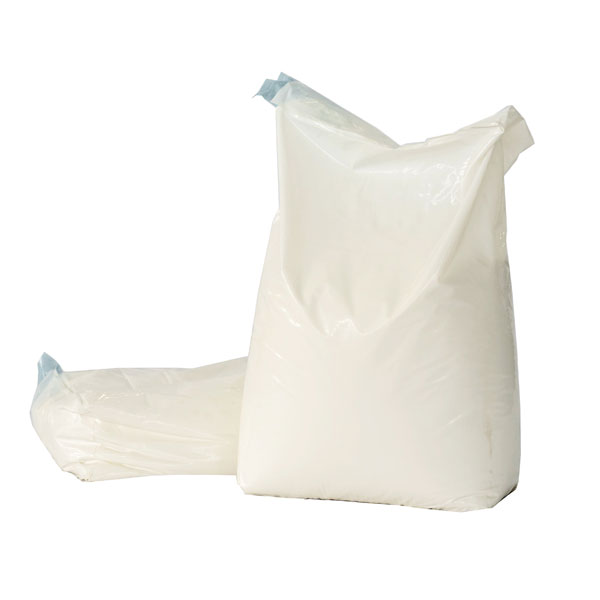
25kg multi-wall paper-plastic composite bags with inner PE moisture barrier. Ideal for OEM distributors in Sri Lanka.
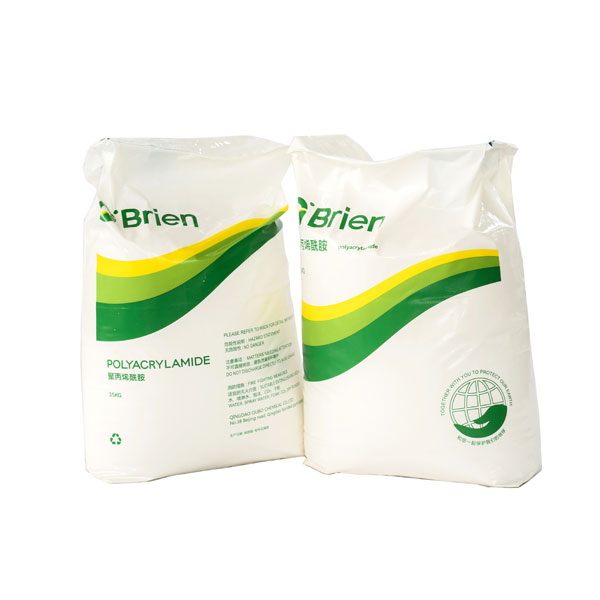
Standard Oubo branded multi-ply paper bags with reinforced moisture sealing, lot numbering, and technical specifications.
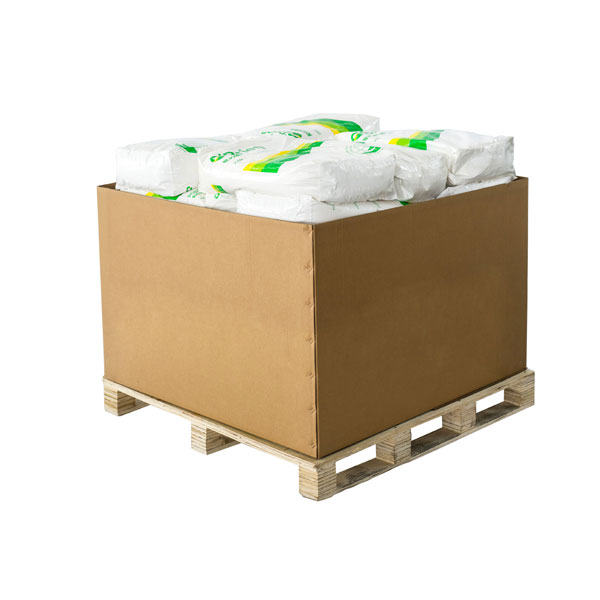
Heavy-duty woven polypropylene bulk bags engineered for automatic dosing systems in large municipal water plants.
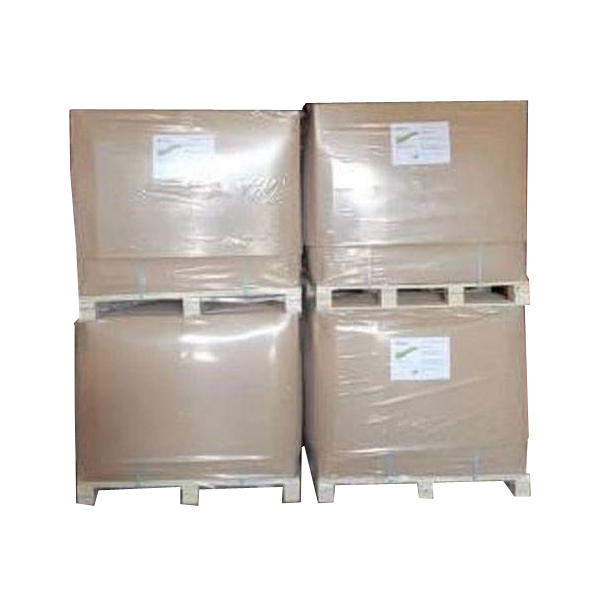
ISPM-15 compliant Wooden/Plastic pallets wrapped in multi-layer thermal shrink plastic to prevent humidity ingress during sea freight.
Standard operating procedures for dissolving, dosing, and optimizing Nonionic Polyacrylamide solutions in tropical environments.
Explore our complete range of Anionic, Cationic, and Nonionic Polyacrylamide formulations for specialized industrial applications in Sri Lanka.
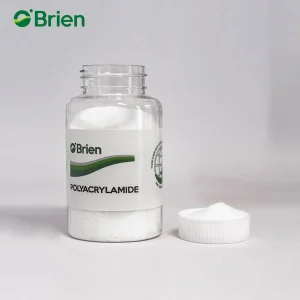

Expert engineering answers regarding procurement, application, and dosage of Nonionic Polyacrylamide in Sri Lanka.
 Oubo Chemical