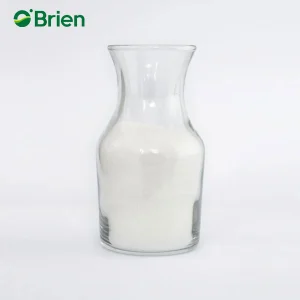
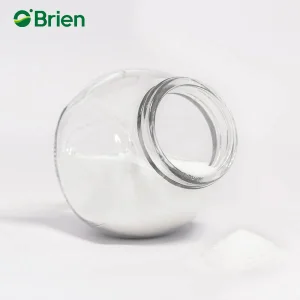
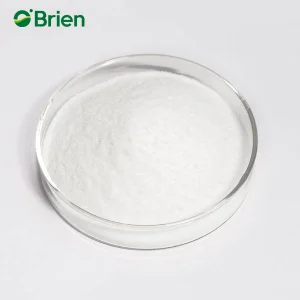
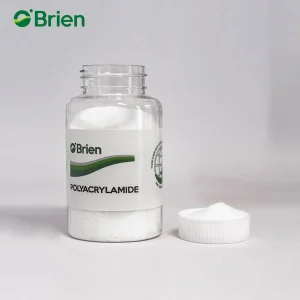
High-performance synthetic polymers tailored for neutral to highly acidic industrial flocculation, solid-liquid separation, and specialized civil engineering applications.
The Greater Tokyo Area, as the world's most populous metropolitan region and a primary economic engine of Japan, presents a uniquely sophisticated industrial matrix. Industrial facilities operating within Tokyo, Kanagawa, Saitama, and Chiba face stringent municipal regulations regarding effluent discharge, resource recovery, and environmental safety under the Tokyo Metropolitan Government's Water Pollution Control Law and the Bureau of Sewerage regulations.
Nonionic Polyacrylamide (NPAM)—a water-soluble linear polymer formed by the polymerization of acrylamide monomers without functional ionic groups on its backbone—plays a pivotal role in Tokyo's high-tech, civil engineering, and municipal sectors. Unlike cationic or anionic variants, NPAM's neutral charge characteristic makes it extraordinarily effective in low pH (acidic) environments, high-salinity solutions, and systems containing complex organic-inorganic colloidal mixtures where ionic interference must be minimized.
Tokyo's ongoing subterranean mega-projects—including deep utility tunnels, underground flood management basins (such as the G-Cans project), and subway expansions—require ultra-pure NPAM for Tunnel Boring Machine (TBM) bentonite mud treatment, soil stabilization, and rapid slurry flocculation.
High-tech manufacturing clusters along Tokyo Bay and adjacent industrial parks generate complex acidic wastewater containing heavy metal ions and micro-particulates. NPAM operates efficiently at pH levels as low as 1 to 4, bridging colloidal silica and metallic suspensions without altering system ionic balance.
Advanced municipal wastewater reclamation facilities serving Tokyo Bay demand flocculants with exceptionally low residual acrylamide monomer (AMD < 0.05%) to protect delicate marine biota while achieving crystal-clear supernatant clarity prior to discharge.
Polyacrylamide (PAM) is a synthetic resin prepared by polymerizing acrylamide monomer ($CH_2=CH-CONH_2$). Its nonionic form (NPAM) is characterized by a long-chain homopolymer with high molecular weight ($5 \times 10^6$ to $1.5 \times 10^7$ Daltons) and a charge density near zero (< 2% hydrolysis degree).
Because the nonionic polymer chain contains a vast number of polar amide groups ($-CONH_2$), it forms strong hydrogen bonds with suspended particles possessing surface hydroxyl groups. This mechanism enables powerful inter-particle bridging without reliance on electrostatic charge neutralization, making NPAM uniquely stable in high-ionic-strength solutions and acidic media.
| Technical Parameter | Standard NPAM Grade | High-Purity Tokyo Infrastructure Grade | Test Method Standard |
|---|---|---|---|
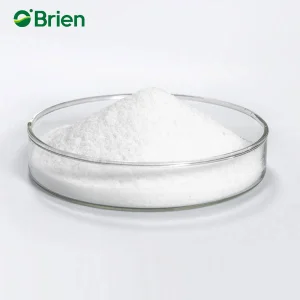
| Appearance | White Granular Powder | White Uniform Micro-Granules | Visual / GB/T 13940 |
| Molecular Weight (Million) | 6.0 - 12.0 Million | 10.0 - 15.0 Million | Intrinsic Viscosity (Viscometry) |
| Degree of Hydrolysis | ≤ 5% | ≤ 2% (Ultra-Low Charge) | Titration Method |
| Solid Content (%) | ≥ 88% | ≥ 90% | Oven Drying (105°C) |
| Dissolution Time (Mins) | ≤ 60 Mins | ≤ 45 Mins (Rapid Dissolve) | Mechanical Stirring @ 25°C |
| Residual Monomer (AMD) | ≤ 0.05% (500 ppm) | ≤ 0.01% - 0.025% (≤ 250 ppm) | HPLC Analysis |
| Insoluble Matter (%) | ≤ 0.2% | ≤ 0.05% | Mesh Filtration Test |
In acidic wastewater streams typical of metal pickling, electroplating, and chemical synthesis plants across the Keihin Industrial Area (Tokyo-Kawasaki-Yokohama), traditional anionic flocculants lose activity due to protonation of carboxyl groups. Nonionic Polyacrylamide maintains high polymer chain flexibility and hydrogen bonding capability across pH 1–7, generating dense, rapidly settling flocs.
Serving specialized paper packaging and high-grade paper mills near Tokyo, NPAM acts as a non-ionic retention agent, dry-strength enhancement additive, and filter aid. It improves fine fiber and filler retention while significantly reducing white water turbidity and fiber loss without interfering with wet-end charge chemistry.
For refining operations processing imported mineral concentrates, NPAM provides effective solid-liquid separation during leaching processes. Its high molecular weight facilitates rapid clarification of acidic leach liquors containing copper, zinc, nickel, and precious metals.
In textile processing, NPAM serves as a sizing agent and fabric treatment fluid component, conferring smooth film properties and reducing yarn breakage. In sugar manufacturing, food-grade low-residual NPAM speeds up raw syrup clarification and juice decantation.
Importing and utilizing chemical polymers in Japan requires strict adherence to national frameworks administered by the Ministry of Economy, Trade and Industry (METI), the Ministry of the Environment (MOE), and local Tokyo Metropolitan government ordinances. Our products fully comply with Japanese environmental safety guidelines:
Qingdao Oubo Chemical Co., Ltd. was established in 2011 and is strategically located in the Free Trade Zone of Qingdao, China. Operating with a continuous business growth rate of over 10% annually, Oubo is a recognized global pioneer in polyacrylamide manufacturing.
Our state-of-the-art facility features automated, continuous biological acrylamide synthesis lines utilizing patented bio-catalytic enzymatic technology. This biological route dramatically reduces energy consumption and eliminates toxic by-products compared to conventional chemical copper-catalysis methods, yielding ultra-pure monomer feedstocks.
With an annual capacity breaking through 50,000 Metric Tons in 2018 and an ISO9001:2008 certified Quality Management System, Oubo guarantees strict batch-to-batch consistency. All raw materials are sourced globally from premier chemical vendors (including SINOPEC and Eni), and every production batch undergoes 3-stage rigorous testing by our certified QC laboratory prior to dispatch.
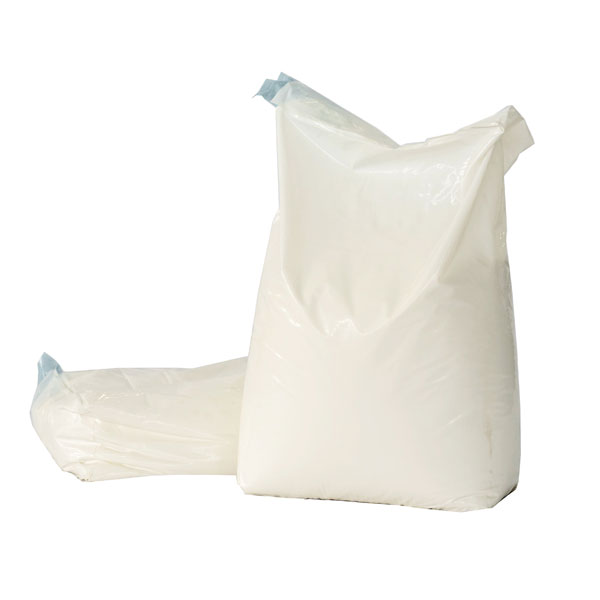
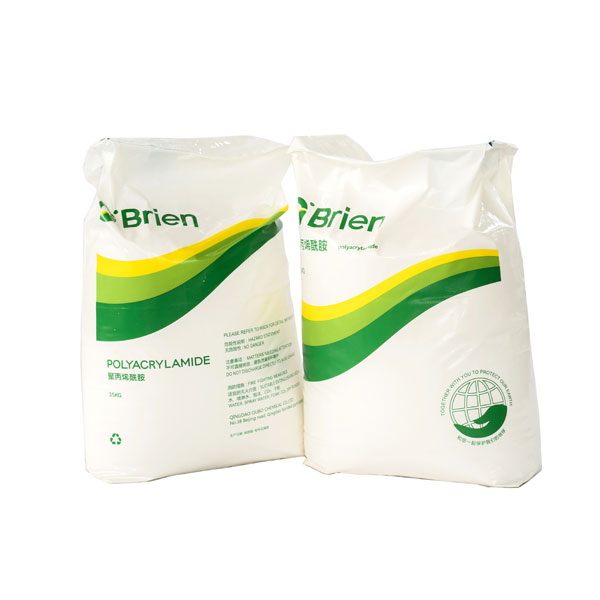
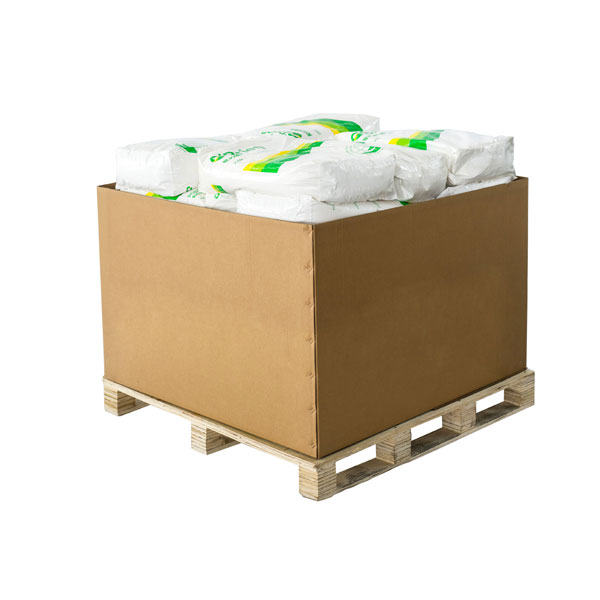
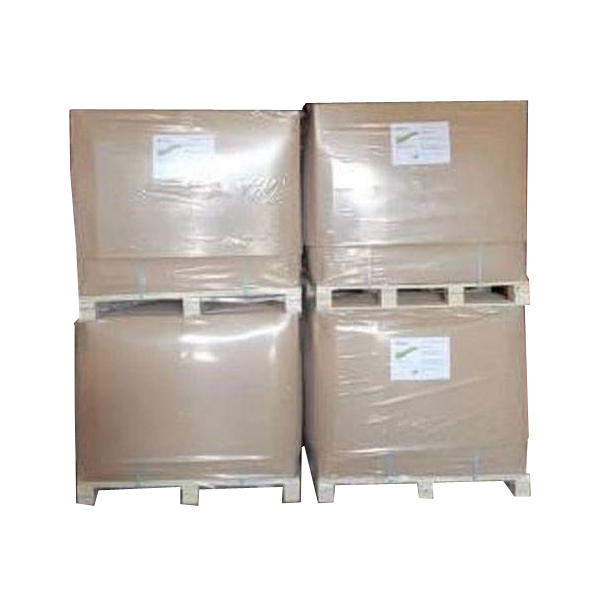
To preserve product integrity during ocean transit across the East China Sea to Japan, Oubo supplies standardized and customized moisture-proof packaging options:
Extensive field-tested formulations catering to water treatment, pulp & paper, oilfield additives, mineral dressing, sugar refining, and textiles.
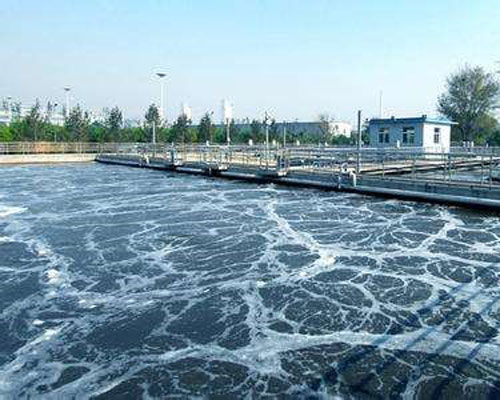
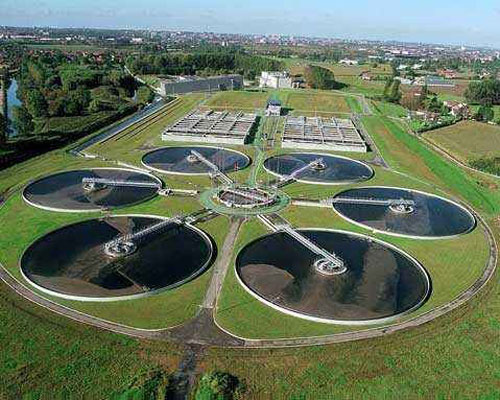
Effective solid-liquid separation, sedimentation clarification, and primary sludge dewatering in municipal sewage plants, leather tanneries, and pharmaceutical plants across Greater Tokyo.
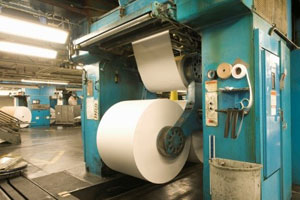
Serves as paper retention agents, anionic trash scavengers, dry strength enhancers, and white-water recovery flocculants in high-speed paper machinery.
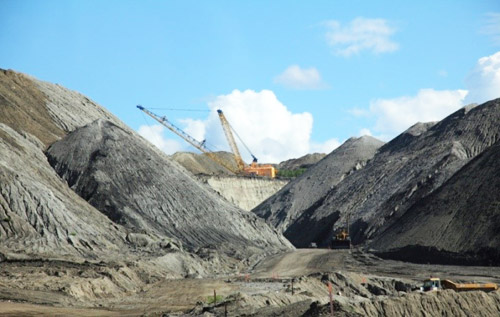
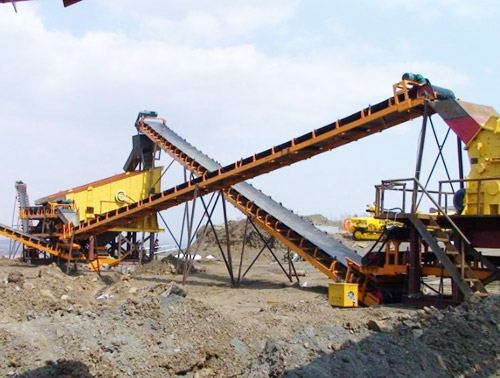
Rapid separation of mineral slurries, TBM tunneling bentonite muds, tailings dewatering, and filtration enhancement for gold, copper, aggregate, and coal washing operations.
Expert technical advice addressing real-world operational questions from Japanese procurement managers, process engineers, and environmental consultants.
Explore our full line of Nonionic, Anionic, and Cationic PAM formulations engineered for specialized solid-liquid separation challenges.
 Oubo Chemical