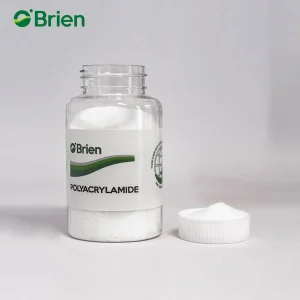
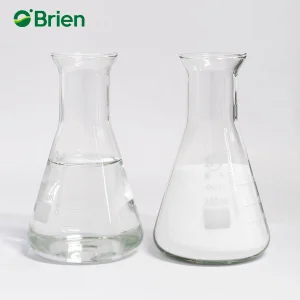
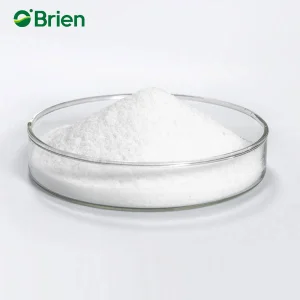
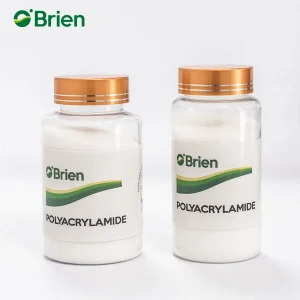
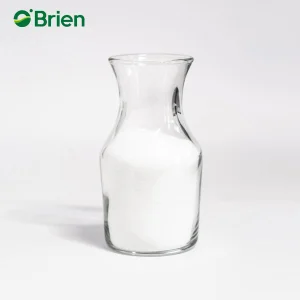
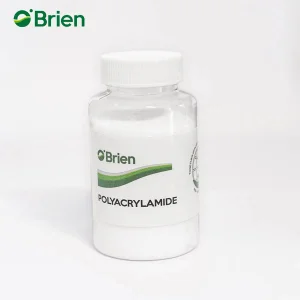
Tailored Polyacrylamide formulations optimized for Vietnam's rapidly expanding manufacturing hubs and environmental compliance standards.
An In-Depth Macroeconomic & Chemical Analysis of Water Treatment and Mineral Processing in Southeast Asia's Fast-Growing Economy
Vietnam has emerged as a powerhouse of global manufacturing, industrial expansion, and natural resource extraction. From the high-density textile manufacturing corridors of Binh Duong and Dong Nai to the heavy paper and pulp industrial parks of Bac Ninh and Phu Tho, industrial water treatment has shifted from a regulatory compliance requirement to a strategic operational imperative. Furthermore, Vietnam's stringent environmental legislation, notably Decree No. 08/2022/ND-CP detailing the Law on Environmental Protection (LEP), enforces strict discharge thresholds for industrial effluents across primary, secondary, and tertiary processing sectors.
Within this dynamic landscape, Nonionic Polyacrylamide (NPAM) plays a critical chemical role. Unlike Anionic (APAM) or Cationic (CPAM) variants that carry strong positive or negative charge densities, Nonionic Polyacrylamide is a linear polymer with minimal ionic charge on its acrylamide chain. This structural neutrality makes NPAM uniquely superior in treating highly acidic wastewater, mineral leachates with high salt content, and complex organic-inorganic colloidal suspensions where charged flocculants experience charge neutralization collapse or inactivation.
Understanding Hydrogen Bonding, Polymer Bridging, and Macromolecular Dynamics of Nonionic Polyacrylamide
NPAM (CAS No. 9003-05-8) consists of repeated acrylamide monomer units (-CH2-CH-CONH2-). Because the amide group (-CONH2) contains highly polar oxygen and nitrogen atoms, it forms robust hydrogen bonds with hydroxylated, oxygenated, or polar surfaces of suspended solids. This mechanism functions independently of the electrical double-layer charge, avoiding charge inhibition.
With ultra-high molecular weights ranging from 5 Million to over 12 Million Daltons, NPAM chains stretch across vast microscopic distances in aqueous solution. Individual polymer chains adsorb onto multiple suspended particles simultaneously, building large, dense macro-flocs (floccules) that settle rapidly via gravity filtration or centrifugal separation.
| Polymer Type | Ionic Charge / Group | Optimal pH Spectrum | Primary Industrial Applications in Vietnam | Salt / Electrolyte Tolerance |
|---|---|---|---|---|
| Nonionic Polyacrylamide (NPAM) | Neutral / Amide (-CONH2) | pH 1.0 – 8.0 (Acidic & Neutral) | Acidic wastewater, Mining tailings, Soil stabilization, Sugar clarification | Extremely High |
| Anionic Polyacrylamide (APAM) | Negative / Carboxylate (-COO-) | pH 7.0 – 14.0 (Alkaline) | Municipal sewage, Sand washing, Neutral industrial effluent | Moderate (Deactivates in strong acid) |
| Cationic Polyacrylamide (CPAM) | Positive / Quaternary Ammonium | pH 3.0 – 10.0 (Organic Heavy) | Organic sludge dewatering, Domestic sewage, Food processing waste | Moderate to Low |
Leading the Transition Toward Bio-Catalytic Synthesis, Ultra-Low Residual Monomers, and Eco-Neutral Polymers
Oubo Chemical utilizes advanced biological enzyme catalysis to synthesize Acrylamide monomer from Acrylonitrile. This zero-byproduct method guarantees extremely low free monomer content (<0.05%), making our NPAM ecologically safe for agricultural and aquatic applications in Vietnam.
Through precise polymerization temp control and redox initiator systems, we customize molecular weights (6M to 12M Daltons) tailored to specific shear forces in industrial decanters, filter presses, and settling ponds.
Our proprietary granulating and surface-drying technology minimizes insolubies (<0.2%) and reduces dissolving dissolution time from 90 minutes down to 30-45 minutes, saving substantial power for plant operators.
Engineered Solutions for Mining, Acidic Effluents, Papermaking, Textile Sizing & Agriculture
In metallurgy, steel pickling, chemical processing, and electroplating plants (such as those in Northern industrial zones around Haiphong and Bac Ninh), wastewater frequently presents extreme acidity (pH 1.0 - 4.0). Anionic flocculants undergo protonation under acidic conditions, causing molecular chain collapse and loss of flocculation capability. Nonionic PAM retains full molecular extension and high activity in strongly acidic media, aggregating fine inorganic particles into dense flocs for rapid clarification.
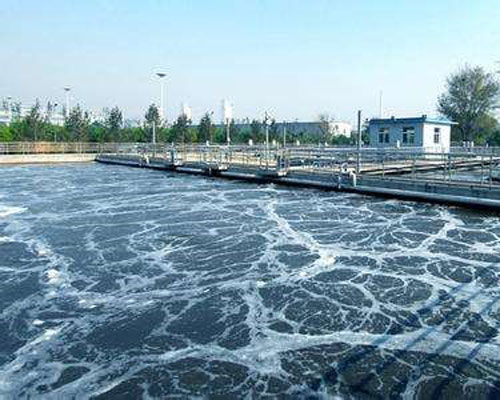
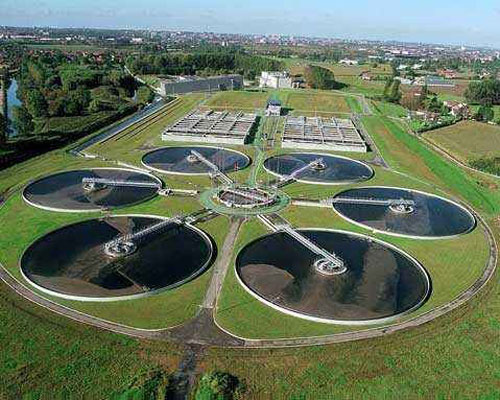
Vietnam possesses rich mineral reserves, including bauxite in the Central Highlands and coal in Quang Ninh province. In mineral processing and tailing thickeners, NPAM functions as a high-performance solid-liquid separation agent. It speeds up the sedimentation rate of mineral slurries, reduces water turbidity in overflow recycling systems, and accelerates tailing dewatering in filter presses.

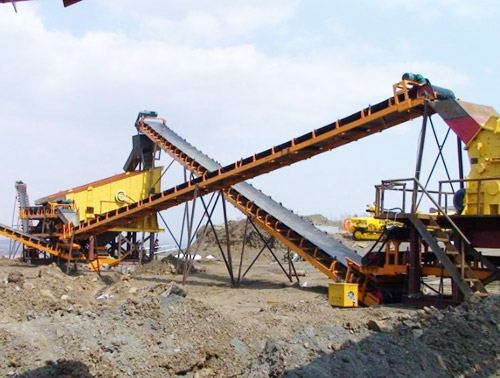
Used extensively as a retention aid, drainage aid, and dispersant in paper mills. NPAM improves the retention rate of fine wood fibers and mineral fillers (PCC/GCC), boosts paper dry strength, accelerates wire section drainage, and cleans up white water loops to maximize water recycling efficiency.

In Vietnam's vibrant textile industry, NPAM acts as a sizing agent to form a smooth, protective film over yarns, enhancing tensile strength and reducing breakage during weaving. When combined with inorganic coagulants (PAC/Alum) in dyeing wastewater, it rapidly settles complex dye residues.
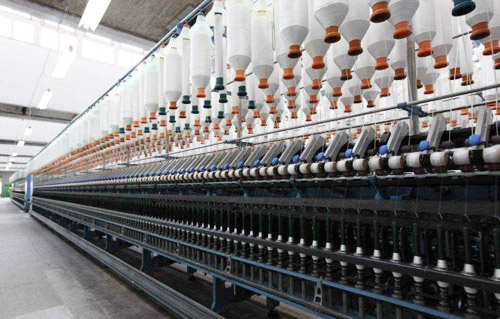

Explore Our Full Range of Nonionic, Anionic, and Cationic Polyacrylamide Formulations Available for Direct Factory Export
Global Polyacrylamide Manufacturing Excellence, Bio-Enzyme Innovation, and Rigorous Quality Assurance
Oubo Chemical Co., Ltd. was established in 2011 and is strategically located in the Free Trade Zone of Qingdao, China. Over the past decade, Oubo has maintained a consistent annual growth rate exceeding 10%, breaking through an annual production capacity of 50,000 Metric Tons in 2018. Certified under ISO9001:2008 quality management system guidelines, Oubo stands as one of the world's most trustworthy polyacrylamide chemical manufacturers serving Vietnam, Southeast Asia, and global markets.
Utilizing patented bio-enzymatic conversion methods with over €2 million invested annually in continuous technical innovation and polymer research.
Raw materials sourced from world-leading chemical suppliers like SINOPEC and Eni. Fully automated production lines ensure batch-to-batch consistency.
Every single batch of Polyacrylamide undergoes 3 rigorous QA/QC tests before container loading, verifying molecular weight, hydrolysis degree, and residual monomers.
Our technical engineers participate directly in pre-sales jar testing, operational selection, dosing calibration, and on-site guidance across Vietnam industrial sites.
Flexible Export Packaging Solutions Designed for Tropical & Humid Maritime Transport to Vietnam
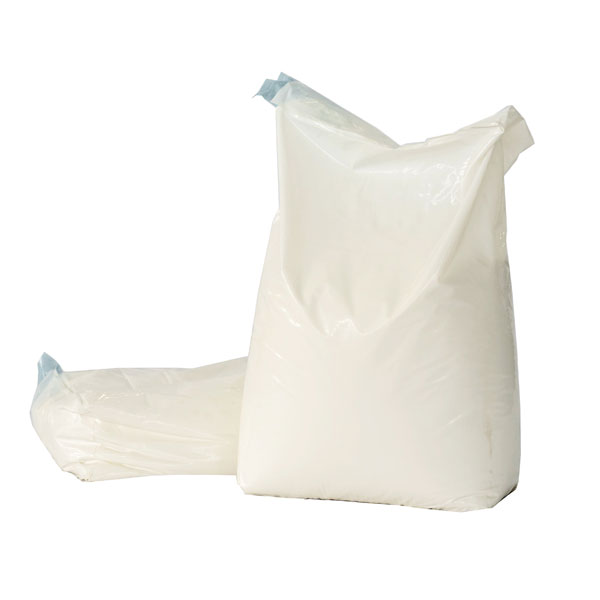
25kg Neutral PE/Kraft Bag
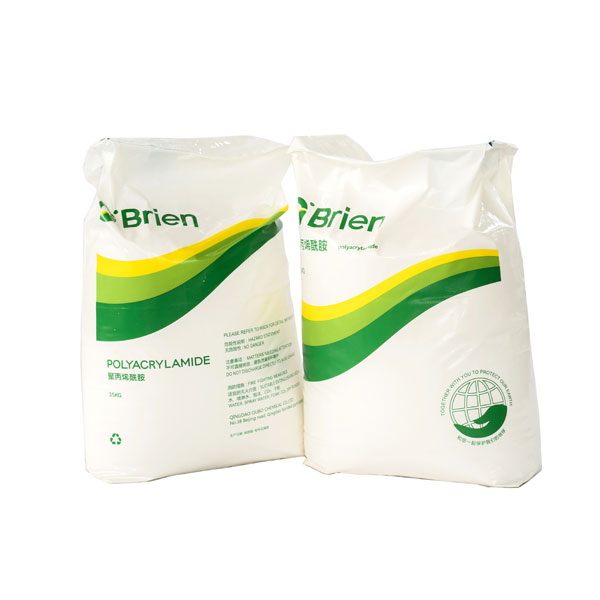
25kg Oubo Branded Printed Bag
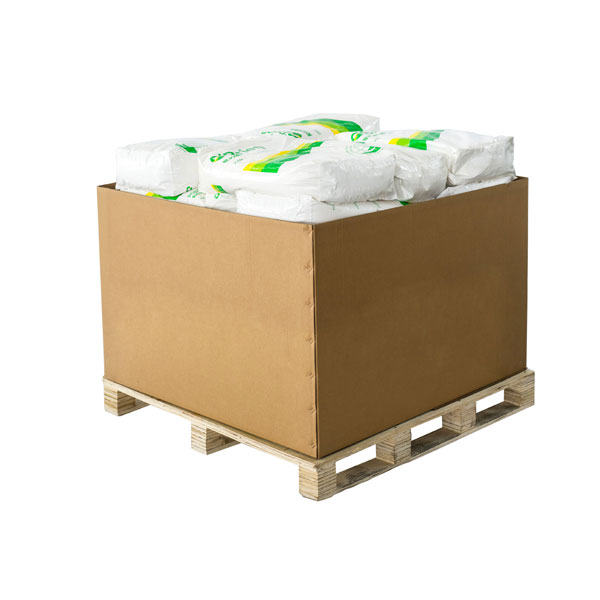
750kg - 1000kg FIBC Big Bag
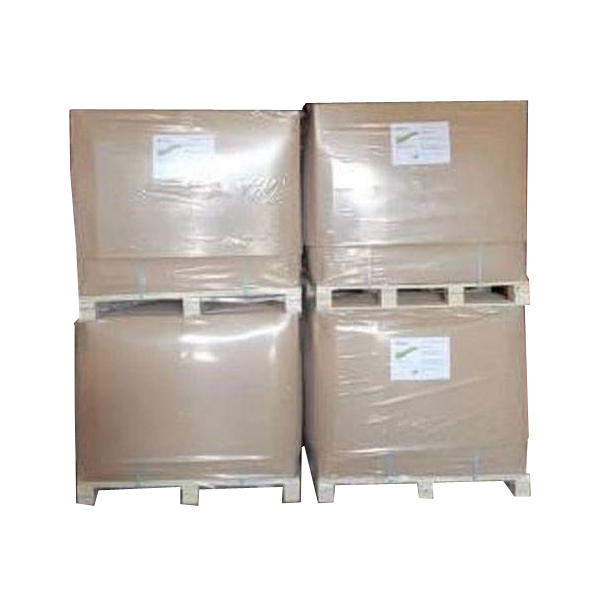
Fumigated Pallet with Thermal Wrap
Standard Operating Procedures to Maximize Polymer Activity & Prevent Shear Degradation
Dissolve NPAM dry powder to a standard aqueous stock solution concentration of 0.1% to 0.2% (w/v). Avoid initial concentrations above 0.5% as high solution viscosity hampers complete polymer hydration.
Use clean neutral tap water or filtered process water (pH 6-8, temp < 40°C). Water containing high iron concentrations or extreme hardness can degrade high molecular polymer chains over extended aging times.
Agitate at 200 to 400 RPM using low-shear impeller designs. High-speed shear pumps (such as centrifugal pumps) must be avoided during transport of dissolved solution to prevent physical polymer chain scission.
Expert Technical Answers to Common Inquiries Regarding Nonionic Polyacrylamide Procurement for Vietnam
In strongly acidic environments (pH < 4), carboxylate groups on Anionic PAM become fully protonated into uncharged carboxylic acid groups, causing the polymer chain to coil tightly and lose its flocculating mechanism. Nonionic PAM relies exclusively on non-ionizable amide (-CONH2) groups, allowing it to maintain an extended macromolecular chain conformation and effective hydrogen-bonding capabilities down to pH 1.0.
Located in the Free Trade Zone of Qingdao Port, China, Oubo maintains massive inventory reserves. Shipping transit times from Qingdao to major Vietnamese ports such as Haiphong Port (Northern Vietnam) and Cat Lai / Ho Chi Minh City Port (Southern Vietnam) typically range between 5 to 9 days, facilitating fast and cost-effective industrial supply chains.
We recommend performing standard Laboratory Jar Testing (beaker test) using real site wastewater samples. By dosing solution concentrations of 0.1% at incremental dosage rates (e.g., 1 ppm, 3 ppm, 5 ppm, 10 ppm), engineers evaluate floc settlement velocity, supernatant clarity, and sludge compaction to determine optimal industrial scale consumption.
Yes. Dry NPAM powder has a shelf life of up to 24 months when stored in original unopened moisture-proof PE/Kraft bags in a dry, cool, well-ventilated area away from direct heat and sunlight. Once prepared into an aqueous solution, it should be consumed within 24 to 48 hours to prevent biological degradation or viscosity loss.
Contact Oubo Chemical's senior technical engineers today to request free product samples, custom molecular weight technical evaluations, or direct factory quotation terms.
Send Inquiry Now Oubo Chemical