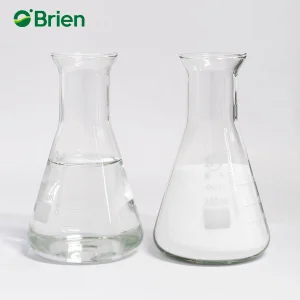
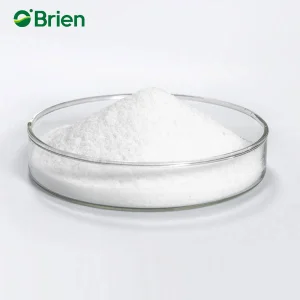
Explore our top-tier nonionic polymer formulations optimized for high-salinity, acidic, and complex industrial effluents across South Korea's premier manufacturing hubs.
South Korea stands as one of Asia's most sophisticated manufacturing hubs, anchored by world-leading semiconductor fabrication complexes in Gyeonggi-do (Pyeongtaek, Yongin), major steel manufacturing infrastructure in Pohang and Gwangyang, automated automotive plants in Ulsan, and heavy chemical processing facilities across Yeosu and Daesan. Within these highly optimized, eco-conscious industrial ecosystems, water management and solid-liquid separation represent critical operating metrics.
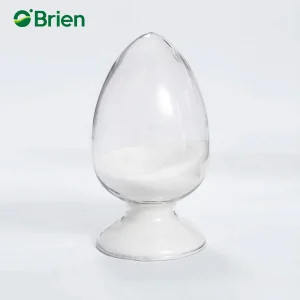
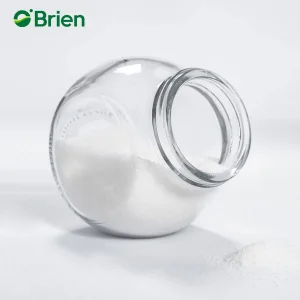
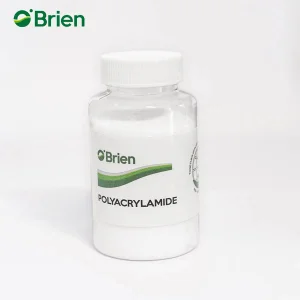
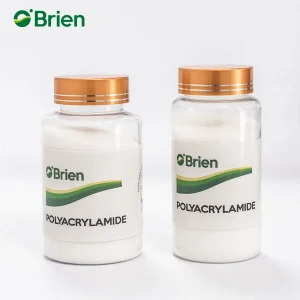
Nonionic Polyacrylamide (NPAM)—a water-soluble polymer synthesized via acrylamide monomer polymerization possessing virtually zero ionic charge on its macromolecular chain—plays an indispensable role in these operations. Unlike anionic or cationic variants, NPAM's lack of electrical charge allows it to operate with exceptional chemical stability in acidic, highly saline, or metal-heavy liquid environments where charged polymers collapse or lose flocculation capacity.
Handling CMP polishing effluent and acidic etching wastewater in Yongin & Cheonan. NPAM facilitates high-density flocs without ionic interference, aiding water reclamation rates above 85%.
Coagulation of blast furnace gas scrubbing water and pickling acid sludge in Pohang & Gwangyang steel mills. High molecular weight NPAM resists thermal and acidic degradation.
Separation of complex organic-inorganic suspensions in Yeosu & Daesan complex tanks, enhancing decanter centrifuge efficiency and reducing filter cake moisture content.
With over a decade of continuous R&D and automated bio-catalytic monomer synthesis, Qingdao Oubo Chemical Co., Ltd. delivers high-performance Polyacrylamide engineered to meet stringent Korean environmental standardizations (K-REACH compliant).
Nonionic Polyacrylamide is a linear polymer formed by the free radical polymerization of acrylamide ($CH_2=CHCONH_2$) monomers. Because its side chains consist entirely of neutral amide groups ($-CONH_2$), it carries no net charge in solution across a broad pH spectrum (pH 1 to 8).
Unlike Anionic PAM (which relies on charge neutralization and ionic bridging) or Cationic PAM (which targets negatively charged organic sludge), NPAM operates predominantly via multi-point hydrogen bonding. The oxygen and nitrogen atoms within the amide functional groups form strong hydrogen bonds with hydroxyl or oxide groups present on solid particle surfaces (e.g., silica, clay, metal hydroxides).
Due to its ultra-high molecular weight extended chain length, a single NPAM polymer strand can adsorb onto multiple suspended solids simultaneously. This creates massive, stable molecular bridges, rapidly coalescing micro-flocs into large, fast-settling macroscopic flocs that withstand mechanical shear in industrial clarifiers.
For South Korean industrial enterprises, managing chemical supply chain risks requires balancing high chemical purity, batch-to-batch consistency, rapid freight turnaround, and competitive unit economics. Situated in the Qingdao Free Trade Zone, China, Qingdao Oubo Chemical Co., Ltd. provides an unbeatable strategic partnership for Korean buyers.
Qingdao Port maintains daily direct container feeder services to major South Korean maritime ports including Busan, Incheon, Gwangyang, and Ulsan, ensuring lead times shorter than domestic warehouse dispatch in many cases.
Through strategic long-term monomer sourcing agreements with petrochemical giants such as SINOPEC and Eni, Oubo guarantees uninterrupted raw material pipelines regardless of global chemical market fluctuations.
Oubo utilizes advanced biological enzymatic methods for monomer preparation. This proprietary approach eliminates toxic metallic impurities (e.g., copper residual), yielding pristine nonionic polymers ideal for sensitive industrial uses.
Oubo Chemical Co., Ltd. was established in 2011, located in the Free Trade Zone of Qingdao, China. Over the past decade, Oubo has maintained a steady business growth rate exceeding 10% annually. Qingdao Oubo Chemical Co., Ltd. is highly committed to quality, service, and environmental stewardship throughout polymer manufacturing and field application.
Specializing in the full spectrum of Cationic Polyacrylamide, Anionic Polyacrylamide, and Nonionic Polyacrylamide, our state-of-the-art automated production lines and continuous research investment (€2 million annually) guarantee exceptional product purity. Our annual production capacity surpassed 50,000 Metric Tons in 2018, certified under ISO9001:2008 standards.
World-leading manufacturer utilizing patented biological synthesis methods to maximize polymer chain linearity and stability.
Every production batch undergoes strict quality control checks three times prior to packaging to ensure zero variance in dissolution speed and viscosity.
Dedicated technical engineers assist clients from laboratory beaker testing through full-scale industrial dosage optimization.
Our proprietary O'brien brand products are trusted by municipal water boards and industrial conglomerates worldwide.
Used as a primary flocculation and filtration aid in solid-liquid separation processes including sedimentation, clarification, and sludge dewatering. Highly effective in treating acidic effluents from chemical plants, electroplating lines, and leather processing units across Gyeonggi-do and Incheon industrial zones.
Serves as a retention agent, drainage aid, and dry strength additive. Improves short fiber retention, enhances paper sheet structural uniformity, reduces raw material loss, and clarifies process white water for closed-loop recycling in paper mills.
Functions as a fluid loss control agent, shale inhibitor, and thickener in drilling muds and fracturing fluids. Maintains rheological stability under high temperature and high salinity subterranean geological formations.
Accelerates solid-liquid separation in mineral beneficiation (coal washing, iron ore, copper, gold tailings). Ensures rapid water recovery and compact sludge cake formation for environmental land reclamation.
Acts as a warp sizing agent, fabric treatment aid, and dye-house effluent clarifier, imparting smooth texture to yarn while stripping heavy color loads from textile wastewater streams.
Used in juice clarification and flotation during sugar cane and sugar beet refining, ensuring food-grade purity, high clarity, and optimal yield.
To guarantee zero moisture ingress during maritime transit across the Yellow Sea, Oubo Chemical adheres to multi-layer reinforced export packaging standardizations.
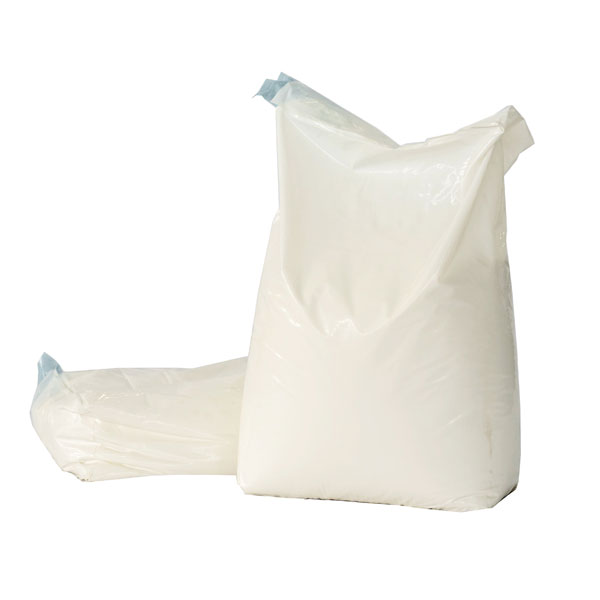
25kg PE/PP woven inner liner bags suitable for custom private labeling and OEM distributor networks in Korea.
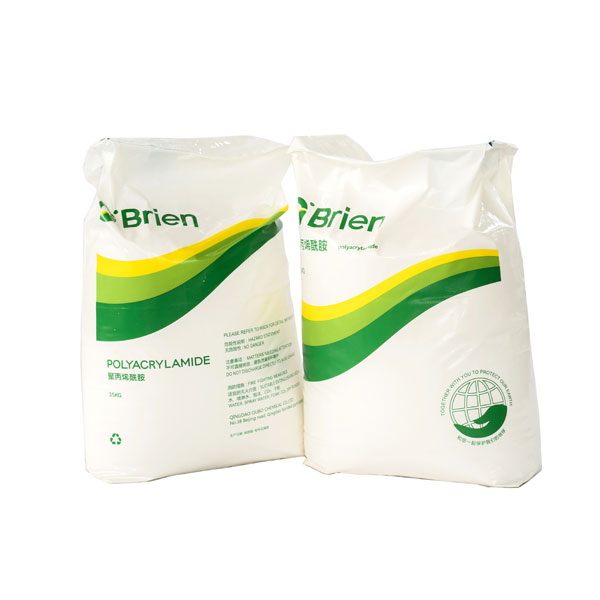
25kg heavy-duty kraft paper bags with O'brien trade branding, complete with lot number tracking.
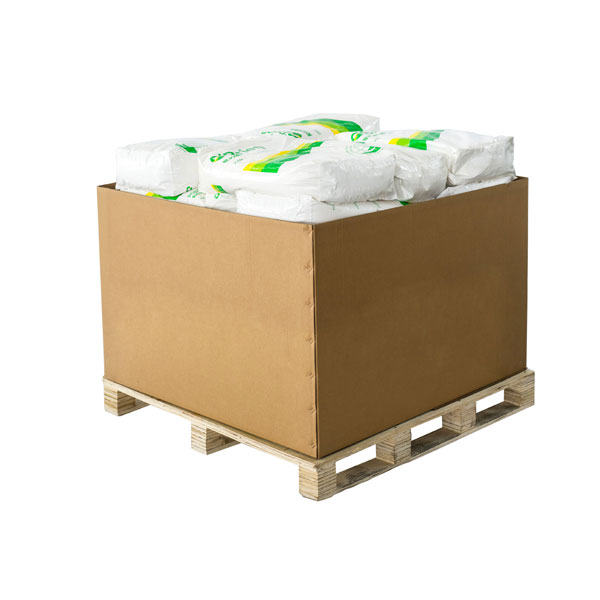
750kg – 1000kg bulk super sacks designed for automated dosing hoppers in large wastewater plants.
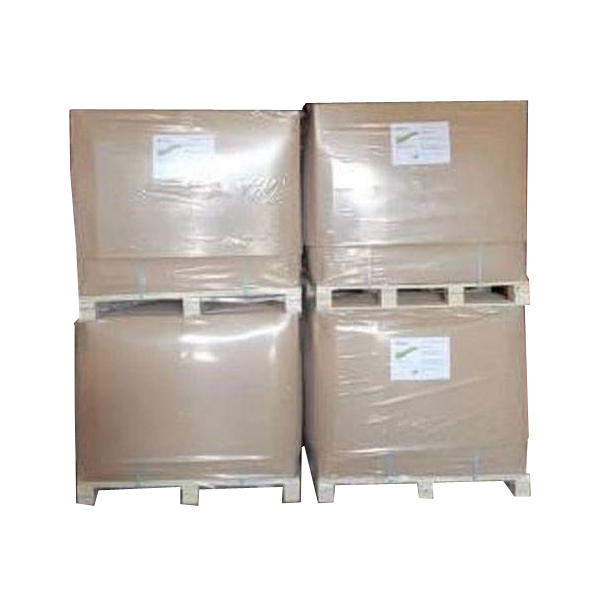
ISPM-15 compliant heat-treated wooden or plastic pallets wrapped with stretch film for safe forklift handling.
As South Korea tightens its K-RE100 environmental sustainability metrics and moves toward Zero Liquid Discharge (ZLD) regulations for industrial parks, the requirements placed on chemical flocculants are shifting rapidly.
Next-generation NPAM formulations target residual monomer levels under 0.01% (<100ppm), preventing monomer leaching into reclaimed ultrapure water (UPW) systems used in semiconductor wafer washing.
R&D expansion into bio-acrylamide derived from renewable plant sugars, significantly reducing Scope 3 embedded carbon emissions for Korean supply chain partners.
Combining precision molecular weight NPAM with inorganic coagulants to capture sub-micron suspended colloidal particles in high-speed membrane filtration units (MBR).
Expert responses to essential technical questions asked by Korean plant managers, process engineers, and chemical procurement officers.
In low pH environments (pH < 5), the carboxylate groups ($COO^-$) on Anionic PAM become protonated into non-ionized carboxylic acid groups ($COOH$). This destroys the charge density and causes the polymer chain to collapse, rendering it ineffective. Nonionic PAM relies on amide groups ($CONH_2$) that remain fully stable and non-ionized in acidic conditions, ensuring continuous hydrogen bonding and flocs formation.
Dissolution should occur in clean water at concentrations between 0.1% and 0.3% (w/v). Slowly sprinkle NPAM powder into the vortex of stirring water (400-600 rpm) using an automated dry powder feeder. Continue gentle agitation (200 rpm) for 45-60 minutes until completely dissolved. Avoid high-shear pumps to prevent breaking the long molecular chains.
Standard stock grades ship within 3 business days from our Qingdao FTZ facility. Transit time across the Yellow Sea to Busan or Incheon ports takes approximately 24 to 48 hours. Customs clearance and local delivery within Korea typically complete within 3-5 business days total.
Yes. Our technical service team offers complimentary laboratory jar testing. Korean clients can send water samples to our R&D center, or our field engineers can provide technical guidance on selecting optimal molecular weights and dosage parameters for site-specific trial runs.
Water temperatures below 10°C slow down polymer chain hydration times. During Korean winters, we recommend increasing dissolution residence time by 15-20 minutes or using slightly warm make-up water (up to 40°C) to ensure full polymer chain extension before injection into clarifiers.
Full range of ionic PAM powders engineered by Qingdao Oubo Chemical for specialized solid-liquid separation applications.
Partner directly with Qingdao Oubo Chemical for factory-direct bulk pricing, rapid Yellow Sea shipping, and customized nonionic polyacrylamide formulations.
Send Inquiry Now Oubo Chemical