Select from our benchmark Nonionic Polyacrylamide formulations engineered for zero-charge performance, extreme pH stability, and high-flocculation efficiency in Melbourne industrial plants.
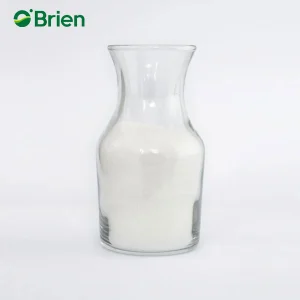
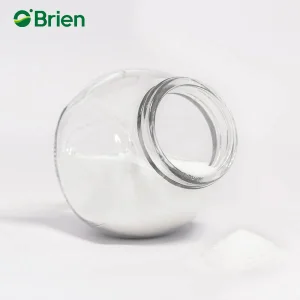
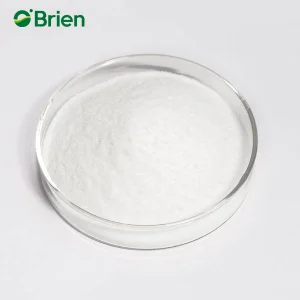
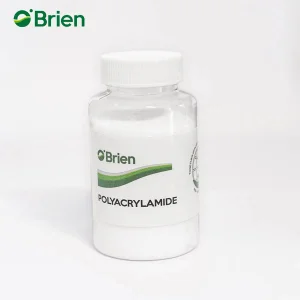
Nonionic Polyacrylamide (NPAM) is a linear water-soluble polymer synthesized via the free-radical polymerization of acrylamide monomers without functional ionic groups attached to the polymer backbone. Because NPAM lacks net electrical charges (carrying neutral molecular state), its primary mechanism of solid-liquid separation differs fundamentally from anionic or cationic polyacrylamides.
Rather than relying on electrostatic attraction or charge neutralization, NPAM operates through extensive chemical hydrogen bonding between its abundant polar amide groups (-CONH₂) and the hydroxyl, oxide, or silanol groups present on suspended particulate surfaces. Once anchored to multiple suspended particles simultaneously, long-chain NPAM molecules form dense polymer bridges, rapidly assembling micro-flocs into large, rapidly settling macro-flocs.
Ionic polyacrylamides often suffer from charge hydrolysis or coil collapse in highly acidic aqueous media (pH < 4.0) or hyper-saline environments. Because NPAM retains a non-ionic structure, its hydrodynamic radius and macromolecular chain extension remain exceptionally stable across acidic ranges. This makes NPAM the definitive choice for acidic industrial effluents, pickling wastewater, and mineral leach liquor clarification.
| Polymer Type | Ionic Charge Density | Primary Flocculation Mechanism | Optimal Operating pH | Key Application Domains |
|---|---|---|---|---|
| Nonionic Polyacrylamide (NPAM) | 0% (Neutral Backbone) | Hydrogen Bonding & Polymer Bridging | 1.0 – 8.0 (Acidic & Highly Saline) | Acid Wastewater, Mineral Dressing, Soil Stabilization, Paper Retention |
| Anionic Polyacrylamide (APAM) | 5% – 60% (Negative Charge) | Charge Neutralization & Bridging | 6.0 – 14.0 (Neutral to Alkaline) | Municipal Sewage, Sand Washing, Coal Washing Tailings, Clay Suspensions |
| Cationic Polyacrylamide (CPAM) | 5% – 80% (Positive Charge) | Electrostatic Charge Neutralization | 3.0 – 10.0 (Organic Waste) | Sludge Dewatering, Belt Pressing, Centrifugation, Tannery & Dyeing Effluent |
Greater Melbourne, as Victoria’s primary industrial powerhouse, is undergoing a transformational shift toward circular water economy compliance under the strict regulatory oversight of the Victorian Environment Protection Authority (EPA Victoria) under the Environment Protection Act 2017. Industrial hubs stretching from Dandenong South, Campbellfield, and Laverton North to Regional Victorian mining corridors require specialized water-clarification chemistry capable of handling complex trade waste loads.
Melbourne’s metal finishing, surface treatment, automotive, and chemical processing facilities in Western and South-Eastern precincts produce trade waste with elevated acid concentrations. NPAM allows plant managers to aggregate ultrafine metallic oxides and heavy metal hydroxides without requiring massive alkaline pre-neutralization, optimizing chemical dosage costs.
Irrigated agricultural sectors across Victoria rely on NPAM as an advanced soil conditioner and erosion control polymer. By binding topsoil particles into porous aggregates, NPAM minimizes sediment runoff into the Murray-Darling and Yarra River catchments while enhancing soil moisture retention efficiency.
Victoria's massive civil infrastructure projects (such as the Suburban Rail Loop and West Gate Tunnel) demand aggregate and sand washing on an unprecedented scale. NPAM enables rapid clarification of wash water in closed-loop recycling plants, significantly decreasing freshwater draw rates from Melbourne Water mains.
The global polyacrylamide market is projected to expand significantly driven by stringent environmental standards, municipal water re-use directives, and modern industrial dewatering techniques. As global supply chains adjust to energy and raw material dynamics, key technological shifts are redefining how NPAM is manufactured and applied globally.
Traditional chemical synthesis of acrylamide monomers relies on sulfuric acid or copper-catalyst hydration, which introduces trace metallic impurities and byproduct contaminants. Oubo Chemical utilizes bio-catalytic enzymatic technology for monomer synthesis. This third-generation biological process operates under mild thermal conditions, producing ultra-pure monomer feedstock that yields polymers with higher molecular weights (up to 18 Million Daltons) and zero copper residue.
Modern mineral processing and dewatering equipment demand polymers capable of withstanding extreme mechanical shear in high-speed centrifuges and filter presses. Recent advances in molecular weight control during polymerization allow for extended linear chains that maintain floc integrity under high-shear pumping conditions.
Granular polyacrylamides historically required 60 to 90 minutes of age-dissolution time to unfold their macro-molecular chains. Next-generation NPAM products developed by Oubo utilize surface-modified micro-pore structures, cutting field hydration times down to 30–45 minutes, reducing dissolving equipment footprints for mobile treatment plants across Australian remote work sites.
Compliance with global REACH regulations and Australia’s AICIS (Australian Industrial Chemicals Introduction Scheme) mandates strict thresholds for residual monomer content (Acrylamide monomer < 0.05%). Oubo’s rigid multi-stage vacuum drying and purification processes lower free acrylamide monomer to levels well below international safety benchmarks.
Oubo Chemical Co., Ltd was established in 2011 in the Free Trade Zone of Qingdao, China. Over more than a decade of continuous expansion, Oubo has grown at a steady 10% annual rate, establishing itself as a global leader in high-performance water-soluble polymers.
Operating under ISO 9001:2008 quality management certification, Oubo implements a fully automated, continuous biological production line. Our global raw material procurement framework leverages strategic partnerships with world-class petrochemical leaders like SINOPEC and Eni. To guarantee total quality consistency, every single product batch undergoes rigorous testing three times by our dedicated QC team before release.
Oubo reinvests €2 hundred million annually into polymer research, technical accumulation, and application-specific development. Our engineering teams participate across the entire client lifecycle—providing pre-sales jar-test selection, on-site dose optimization, and post-sales technical assistance for complex wastewater matrixes across Australasia.
While Nonionic Polyacrylamide remains a core pillar for acidic and specialized applications, Oubo manufactures an exhaustive portfolio of ionic polymers to serve all industrial sectors:
• Cationic Polyacrylamide (CPAM): Ideal for organic sludge dewatering, municipal sewage treatment, and paper retention.
• Anionic Polyacrylamide (APAM): Benchmark performance for municipal sewage settlement, neutral industrial wastewater, and mining tailing thickening.
• Nonionic Polyacrylamide (NPAM): Specialized for low pH wastewater, bio-chemical processing, and targeted soil stabilization.
Detailed breakdown of NPAM application sectors, functional mechanisms, and engineering outcomes across major industry verticals.
NPAM excels as a co-flocculant in multi-stage wastewater treatment processes. In municipal and industrial plants, it facilitates rapid phase separation during secondary sedimentation and works synergistically with inorganic coagulants (such as PAC or Alum) to reduce overall chemical sludge volume.
Used extensive in paper wet-end systems, NPAM functions as a high-performance retention aid, filter aid, and dry-strength auxiliary. By improving short-fiber retention on the wire, paper mills achieve better sheet uniformity while significantly reducing fiber loss in effluent white water.
In gold, base metal, and mineral sands processing across Australia, NPAM acts as a selective flocculant during gangue thickener settling and filtration. Its non-ionic nature prevents premature desorption when processing highly mineralized or saline bore water.
NPAM is utilized as a rheology modifier and fluid-loss reducer in drilling muds. It coats shale formations to prevent wellbore swelling and bit balling, while enhancing mud viscosity to transport drill cuttings efficiently to the surface.
Applied as a warp sizing agent in textile mills, NPAM creates a smooth, protective surface layer on yarn threads. This increases tensile strength, minimizes thread breakage during high-speed weaving, and simplifies de-sizing operations.
In sugar juice clarification, food extraction, and fermentation broth separation, food-grade NPAM accelerates juice settling without altering the subtle pH or organoleptic properties of the final refined product.
As industrial processing shifts toward zero-liquid discharge (ZLD) systems and automated AI-controlled dosing networks, polymer chemistry must evolve to meet precise digital control parameters.
Future industrial water plants in Melbourne will rely on real-time optical turbidity and zeta-potential sensors integrated directly into dosing manifolds. Oubo Chemical is developing specialized narrow-distribution NPAM polymers that yield linear viscosity responses, enabling automated dosing systems to adjust chemical feed rates dynamically without risk of over-flocculation.
In pursuit of zero-carbon footprint manufacturing, Oubo’s research division is actively exploring bio-derived acrylonitrile precursors sourced from renewable plant feedstocks. The long-term technical target is to transition from fossil-derived monomers to 100% bio-based sustainable polyacrylamide formulations by 2030.
To ensure product integrity during ocean transit to the Port of Melbourne and domestic distribution across Australia, Oubo Chemical offers multi-layer moisture-proof packaging options customized to industrial site storage conditions.
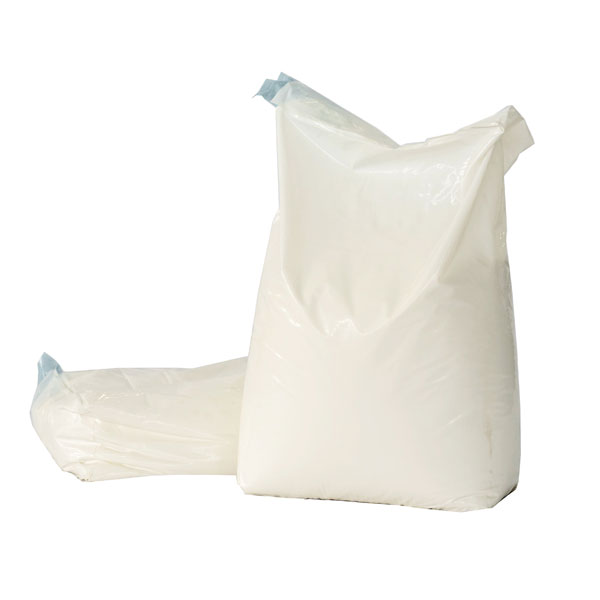
Multi-wall paper or PE bags designed for private label distributors seeking neutral branding.
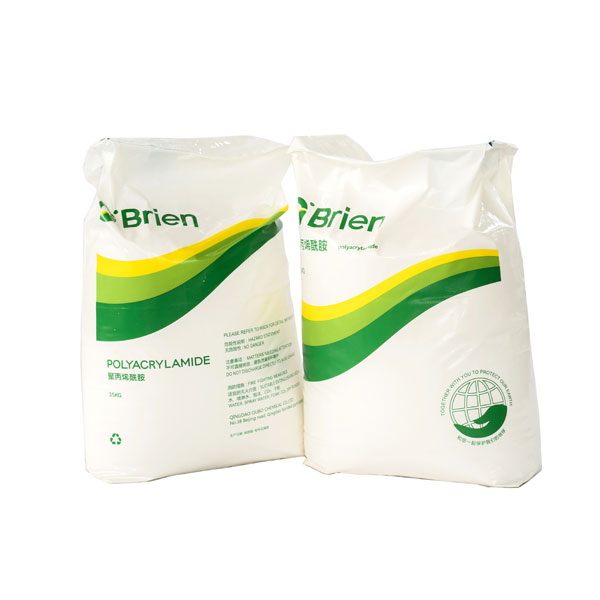
25kg heavy-duty valve bags featuring internal moisture-barrier polyethylene liners.
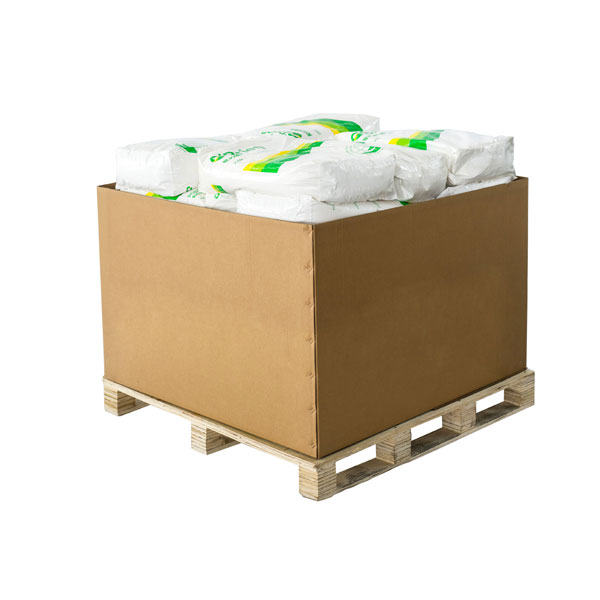
750kg or 1000kg ton-bags equipped with top filling and bottom discharge spouts for bulk hoppers.
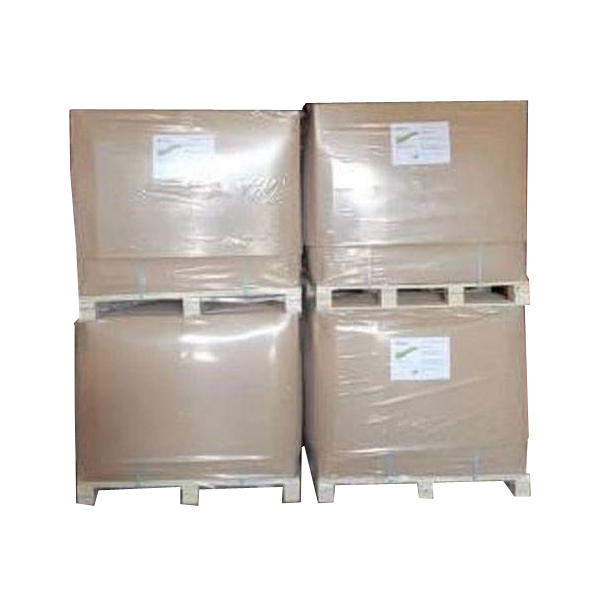
Fumigated wooden or plastic pallets wrapped with heavy-duty stretch film and corner edge guards.
Deep-dive technical insights covering preparation, dosage optimization, and field troubleshooting for chemical engineers in Melbourne.
Explore our full line of specialized ionic and nonionic polyacrylamides manufactured for global industrial compliance.
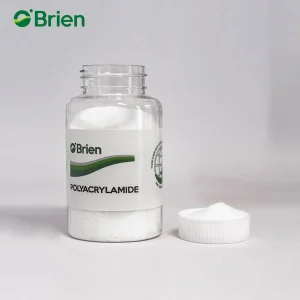
Partner with Oubo Chemical for direct factory pricing, ISO 9001 quality assurance, and tailored laboratory jar-testing support for your plant in Victoria.
Send Inquiry Now Oubo Chemical