Direct chemical manufacturer supply tailored for Malaysian industrial wastewater, oilfield, and mining processing.
Understanding local regulatory pressures, environmental compliance, and high-performance chemical separation requirements.
As Malaysia accelerates its industrial transformation across Key Economic Growth Areas (KEGA)—ranging from palm oil processing in Sabah and Sarawak to electronic manufacturing hubs in Penang and heavy refining complexes in Johor (Pengerang Integrated Petroleum Complex)—the demand for specialized water-soluble polymers has reached unprecedented levels.
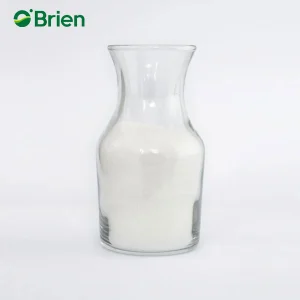
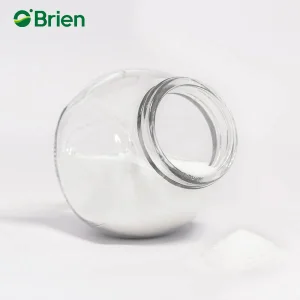
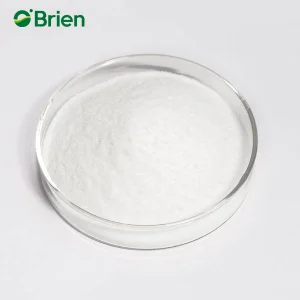
Nonionic Polyacrylamide (NPAM) stands as a critical chemical agent for industrial solid-liquid separation. Unlike ionic counterparts (Anionic and Cationic PAM), Nonionic Polyacrylamide features a zero-charge electrical structure on its polymer chain backbone. This neutrality allows NPAM to perform exceptionally well in highly acidic, mineral-rich, or complex organic effluents where charged flocculants experience charge neutralization collapse or severe performance degradation.
Under the stringent oversight of the Department of Environment (DOE) Malaysia and the enforcement of the Environmental Quality Act 1974 (Environmental Quality (Industrial Effluent) Regulations 2009 Standard A and Standard B), local processing plants must meet exact chemical oxygen demand (COD), total suspended solids (TSS), and heavy metal threshold limits. Oubo Chemical provides engineered NPAM formulations that bridge performance gaps for local engineers and procurement managers.
Global procurement directors face significant challenges when sourcing PAM for Southeast Asian deployment. High relative humidity (often exceeding 85% in West and East Malaysia) combined with tropical ambient storage temperatures (30°C–38°C) leads to rapid moisture absorption, caking, and chemical degradation in lower-grade polymers.
Furthermore, volatility in European and North American chemical supply chains has prompted Malaysian enterprise buyers to secure direct-from-manufacturer relationships with advanced Asian production hubs. Oubo Chemical solves these supply chain friction points by providing:
World-class polyacrylamide manufacturing grounded in technological innovation, global sourcing, and strict quality control.
Oubo Chemical Co., Ltd was established in 2011, located in the Free Trade Zone of Qingdao, China. Operating under a comprehensive QC system, Oubo has maintained a steady business growth rate of over 10% annually. Our production facility achieved a major milestone in 2018 by breaching 50,000 Metric Tons of annual PAM capacity, making us a key supplier to international markets.
Utilizing patented microbiological enzymatic methods to produce acrylamide monomer, we eliminate toxic side-reactants associated with traditional chemical catalysis. Supported by an annual R&D budget investment exceeding €2 million, our technical team works closely with global chemical raw material leaders such as SINOPEC and Eni to ensure foundational purity.
Every single production batch undergoes 3-stage quality verification prior to dispatch by our dedicated QC laboratory. Certified under ISO9001:2008 standards, Oubo guarantees precise molecular weight distribution, consistent dissolution rates, and optimal filtration performance for industrial clients in Malaysia and worldwide.
Understanding how Nonionic Polyacrylamide achieves superior solid-liquid separation without electrical charge dependency.
Nonionic Polyacrylamide is a high-molecular-weight linear polymer formed by the polymerization of acrylamide monomers without ionizable functional groups. Its primary mechanism of action relies on hydrogen bonding and adsorption bridging.
The abundant amide groups (-CONH2) along the extended macromolecular chain form strong hydrogen bonds with hydroxyl, silicate, or oxide surface sites on suspended particles. As the long polymer chain adsorbs onto multiple suspended particles simultaneously, it forms robust, fast-settling micro-flocs and macro-flocs, rapidly clarifying the aqueous phase.
In highly acidic industrial wastewater (such as chemical pickling effluents, acid mine drainage, or inorganic mineral leachates with pH levels between 1.0 and 5.0), ionic flocculants often suffer from charge protonation or premature precipitation. Nonionic PAM maintains structural stability and low degree of hydrolysis (< 5%), preventing chain collapse and enabling effective flocculation where APAM or CPAM fail entirely.
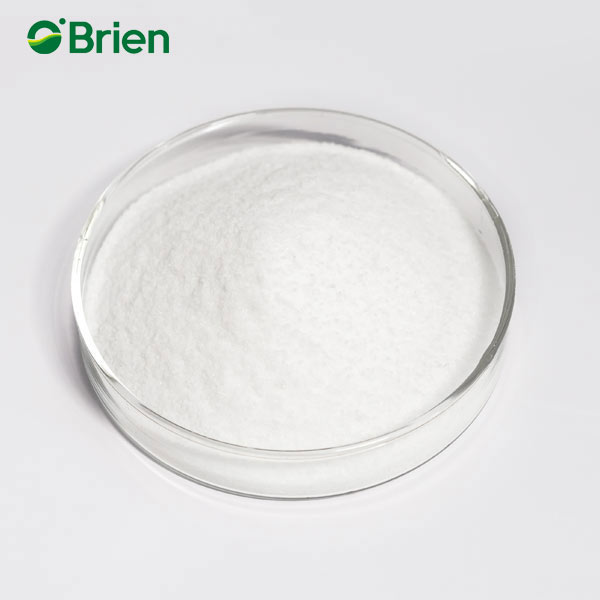
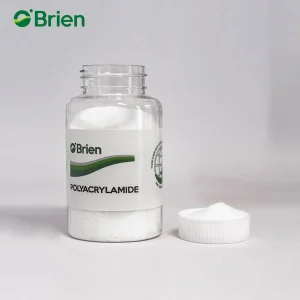
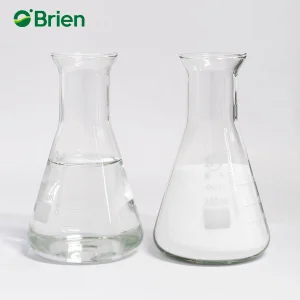
| Appearance | White Granular Powder |
| Molecular Weight (MW) | 3 Million – 12 Million Daltons |
| Solid Content | ≥ 88% - 90% |
| Degree of Hydrolysis | ≤ 3% - 5% |
| Dissolution Time | ≤ 60 Minutes (at 25°C) |
| Insoluble Content | ≤ 0.2% |
| Residual Monomer | ≤ 0.05% (500 ppm) |
Targeted chemical applications addressing unique operational needs across key local industries.
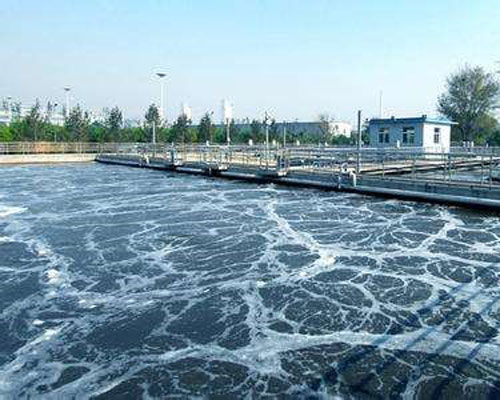
Malaysia is the world's second-largest crude palm oil producer. POME contains extremely high organic loads, suspended solids, and acidic pH (4.0-4.5). Oubo Nonionic PAM is applied during secondary clarification and anaerobic digestate dewatering stages to achieve clear supernatant water, enabling mills to meet DOE discharge limits or recycle water back to mill processes.
For exploration and production operators serving PETRONAS projects off the coasts of Terengganu, Sabah, and Sarawak, NPAM serves as a high-efficiency fluid loss control additive and mud thickener. Its high shear resistance and low thermal degradation under deepwell pressures help maintain hole stability, cool drill bits, and transport cuttings back to the surface seamlessly.
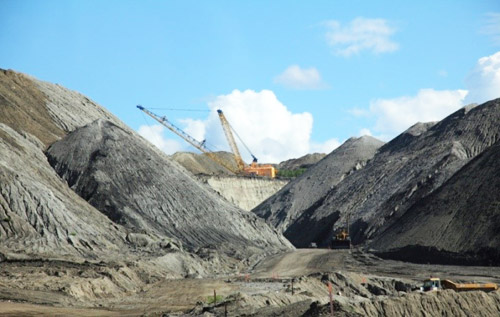
In bauxite, tin, gold, and nickel mineral extraction sites across Peninsular Malaysia, slurry tailing management requires fast solid-liquid separation. Oubo High MW Nonionic Polyacrylamide speeds up filtration and thickener settling speeds, allowing rapid water recycling and high-density cake compaction in belt filter presses or chamber filters.
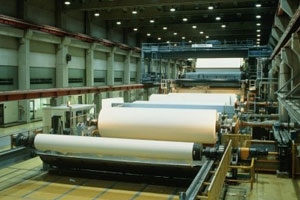
In paper mills in Selangor and Johor, NPAM functions as a high-performance retention aid and fiber dispersant. By forming physical linkages between fine cellulose fibers and inorganic fillers (like titanium dioxide or calcium carbonate), it enhances paper dry strength, improves machine speed, and reduces raw fiber loss in white water streams.
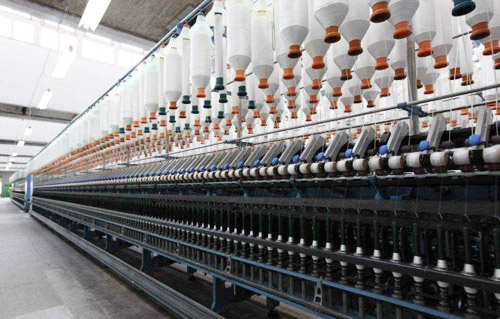
Textile finishing facilities generate highly complex wastewater loaded with dyes, sizes, and surfactants. NPAM combined with inorganic coagulants (like PAC or Alum) breaks complex emulsions, rapidly agglomerating fine color particulates into dense flocs for quick air flotation or sedimentation.
Compare ionic polymers against Nonionic PAM across key industrial operating parameters.
| Polymer Type | Ionic Charge | Optimal pH Range | Primary Industrial Applications | Salinity / Hardness Tolerance |
|---|---|---|---|---|
| Nonionic PAM (NPAM) | Neutral (0 Charge) | pH 1.0 – 8.0 (Acidic / Neutral) | Acidic industrial effluent, POME clarification, oilfield muds, mineral leaching | ★ ★ ★ ★ ★ (Excellent) |
| Anionic PAM (APAM) | Negative Charge | pH 7.0 – 14.0 (Neutral / Alkaline) | Municipal wastewater, sand washing, coal tailing separation, inorganic sludge | ★ ★ ★ ☆ ☆ (Moderate) |
| Cationic PAM (CPAM) | Positive Charge | pH 3.0 – 9.0 (Sensitive) | Organic sludge dewatering (belt press/centrifuge), municipal sewage, papermaking | ★ ★ ☆ ☆ ☆ (Low) |
*Note: Lab Jar Testing is strongly recommended prior to full-scale mill dosing. Oubo Chemical provides complimentary lab samples and technical field testing assistance for Malaysian clients.
Explore our full range of Anionic, Cationic, and Nonionic PAM formulations manufactured for global export.
Operational best practices to maximize polymer efficiency under Malaysian environmental conditions.
NPAM should be dissolved in fresh, clean neutral tap water (pH 6.5–7.5). Avoid using recycled wastewater or high-iron water for powder make-up, as high metal ion concentrations can break down the long polymer chains prematurely. Standard stock solution concentration is 0.1% to 0.3% (1g to 3g per Liter).
When feeding NPAM powder into the dissolving tank, sprinkle it slowly and evenly to prevent "fish-eye" agglomerates. Agitation speed should be maintained between 200 to 400 RPM. Excessive mechanical shear force (e.g., high-speed impellers above 800 RPM) will sever the macromolecular chain, sharply dropping solution viscosity.
Store unopened bags off the ground on wooden pallets in a cool, well-ventilated dry warehouse below 35°C. Due to Malaysia's humid environment, once a bag is opened, seal the PE inner bag immediately to prevent moisture uptake and cake formation.
Technical guidance and commercial logistics support for buyers serving the Malaysian market.
Anionic PAM contains carboxylate groups (-COO-) that lose their ionization and negative charge under acidic conditions (pH < 4.5), causing the polymer chain to coil up and lose flocculating bridging capabilities. Nonionic PAM relies on neutral amide groups that remain fully active and unprotonated even down to pH 1.0, preserving chain extension and floc formation.
Oubo Chemical operates directly out of the Qingdao Free Trade Zone port hub. Standard manufacturing and packaging turnaround for a 20ft container (approx. 18–20 Metric Tons with pallets) takes 7 to 10 days. Direct vessel transit time from Qingdao to Port Klang/Penang ranges between 8 to 12 days, ensuring fast supply security.
Our automated continuous polymerization lines are governed by strict computer-controlled monomer dosing and temperature tracking. Each batch undergoes 3 separate laboratory tests for molecular weight, dissolution rate, viscosity, and residual monomer before issuing a Certificate of Analysis (COA).
Yes. We support custom production according to client specification sheets. We offer unbranded neutral bags, customized logo printing, anti-caking additives, and precise molecular weight adjustments from 3 Million to 12 Million Daltons to fit specific plant equipment requirements.
Contact our chemical technical team for free sample testing, tailored TDS reports, and competitive factory-direct pricing for the Malaysian market.
Send Inquiry Now Oubo Chemical