Specially formulated nonionic polyacrylamide series providing superior flocculation performance under high-salinity, acidic, and complex heavy-metal wastewater conditions.
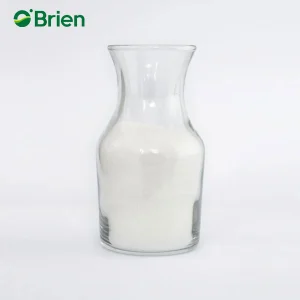
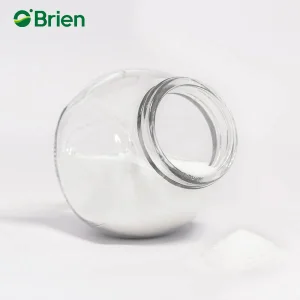
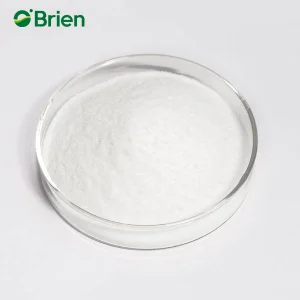
An in-depth analysis of polymer structure, molecular weight distribution, and functional mechanism in industrial solid-liquid separation dynamics.
Polyacrylamide (PAM) is a linear water-soluble polymer synthesized through the polymerization of acrylamide monomers ($\text{CH}_2\text{=CHCONH}_2$). Nonionic Polyacrylamide (NPAM) is characterized by its neutral electrical ionic profile, setting it apart from its anionic and cationic counterparts. Because the polymer backbone contains virtually no charged functional groups (hydrolysis degree maintained below 1–3%), NPAM behaves as a non-ionic macromolecule in aqueous environments.
Unlike ionic polymers that rely heavily on electrostatic charge neutralization to destabilize colloidal suspensions, Nonionic Polyacrylamide relies primarily on hydrogen bonding and adsorption bridging mechanisms. The electronegative nitrogen and oxygen atoms within the pendant amide functional groups ($\text{-CONH}_2$) form intense hydrogen bonds with the hydroxyl ($\text{-OH}$), silanol ($\text{-Si-OH}$), or oxide surfaces of suspended particles. Once attached, the high-molecular-weight polymer chain (ranging from 5 Million to upwards of 15 Million Daltons) extends far into the liquid bulk, bridging adjacent solid particles to rapidly build large, dense micro-flocs.
In acidic wastewater, such as electroplating effluents, steel pickling liquors, and mine tailings, strongly anionic polymers undergo protonation ($\text{-COO}^- \rightarrow \text{-COOH}$), which collapses their spatial molecular structure and destroys their solubility and bridging capability. Cationic polymers, on the other hand, frequently experience severe charge suppression or competitive binding in high-salinity or heavy-metal-laden media.
Nonionic PAM retains its uncharged molecular conformation across extreme pH ranges (pH 1.0 to 10.0) and high salt environments. Because it does not rely on charge repulsion to maintain polymer chain extension, NPAM maintains robust hydrodynamic volume and viscosity, rendering it the ideal flocculant for severe industrial conditions encountered across European heavy manufacturing hubs.
Addressing the specific chemical processing, metallurgical, and environmental compliance needs of the Grand Duchy of Luxembourg.
Luxembourg holds a historic legacy in world-class steel production (e.g., Belval, Differdange facilities). Flue gas scrubbing liquids, blast furnace cooling water, and continuous casting scale clarification demand high molecular weight NPAM to rapidly settle fine iron oxide particles and heavy-metal hydroxides under variable pH levels.
Precision chemical plants, rubber synthesis, and industrial surface treatment facilities require rapid clarification of acidic process wastewater. NPAM acts as a pre-filtration aid, accelerating dewatering cycles and protecting downstream ultrafiltration/reverse osmosis membranes.
Under the EU Water Framework Directive and local Luxembourgish environmental standards (Water Management Agency - AGE), industrial plant discharges into rivers like the Alzette, Moselle, and Sauer must meet rigorous purity metrics. Low residual monomer (<0.05%) NPAM ensures legal compliance without secondary toxicity risks.
Purchasing directors and chemical engineers in Luxembourg face complex supply chain pressures, requiring guaranteed product consistency, predictable lead times, and regulatory support. As a direct manufacturer operating from the Free Trade Zone of Qingdao, Oubo Chemical Co., Ltd. coordinates seamless multimodal freight routes via major European container gateways (such as Antwerp and Rotterdam) directly into inland logistics hubs like the Intermodal Terminal Bettembourg.
With an annual output exceeding 50,000 metric tons and automated quality control, Oubo eliminates supply volatility for European enterprises, guaranteeing batch-to-batch consistency for critical plant operations.
Oubo Polyacrylamide products deliver targeted performance across diverse industrial verticals.
Nonionic PAM is uniquely tailored for solid-liquid separation in suspensions containing high acid concentrations or non-metallic mineral fines. In acidic wastewater generated by plating, copper foil manufacturing, and phosphoric acid purification, NPAM achieves ultra-fast sedimentation rates, transforming murky effluent into crystal-clear supernatant water suitable for plant recirculation.
In modern paper production, NPAM acts as a superior retention aid, dispersant, and dry strength agent. By forming hydrogen bonds with cellulose pulp fibers and inorganic fillers (calcium carbonate, titanium dioxide), NPAM improves retention rates of micro-fines, enhances sheet formation uniformity, and dramatically reduces white water solids loading.
In tailings dewatering and mineral ore extraction (iron, coal, silica, titanium), NPAM facilitates rapid particle aggregation. It accelerates gravity thickening, boosts vacuum belt filter press throughput, and produces cake solids with exceptionally low moisture content, reducing tailings pond footprints.
NPAM functions as an advanced rheology modifier and shale inhibitor in water-based drilling muds. Its thermal stability and resistance to shear degradation prevent fluid loss into porous formations, lubricate drill strings, and stabilize delicate borehole walls in complex geological structures.
Dedicated to technological accumulation, zero-defect quality management, and eco-friendly polymer synthesis.
Qingdao OUBO Chemical Co., Ltd. utilizes patented biological enzymatic processes to produce acrylamide monomers, yielding higher purity, lower residual acrylamide monomer (AM), and superior polymer linearity compared to traditional chemical catalytic routes. We invest €2 Million into annual R&D.
Our supply chain operates fully automated production lines certified to ISO 9001:2008. Raw materials are sourced globally from tier-1 suppliers (e.g., SINOPEC, Eni). Each batch undergoes rigorous 3-stage QC inspections prior to dispatch.
With over a decade of deep polymer synthesis focus, our chemical engineering specialists assist clients across pre-sales jar testing, operational dosage optimization, inline viscosity tuning, and dedicated after-sales technical support.
We actively minimize environmental footprint during polymer synthesis. Our low-energy biological production route reduces carbon intensity, aligning perfectly with European Green Deal mandates and corporate sustainability goals in Luxembourg.
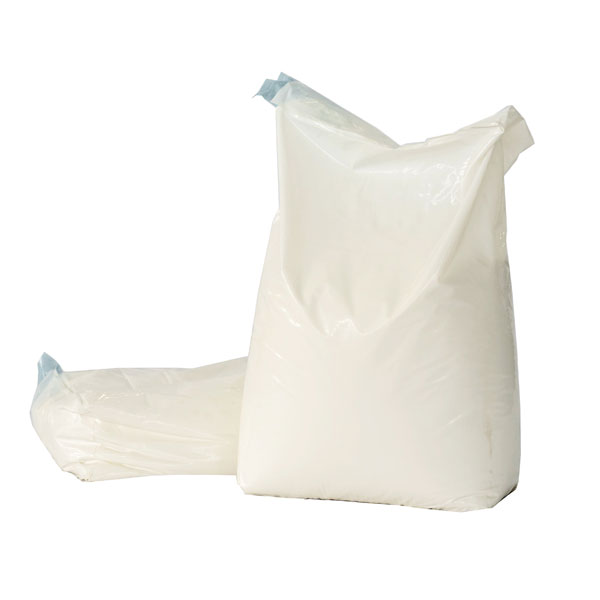
We offer versatile, moisture-proof, and sea-worthy packaging configurations designed for safe long-distance transit and automated industrial mechanical handling.
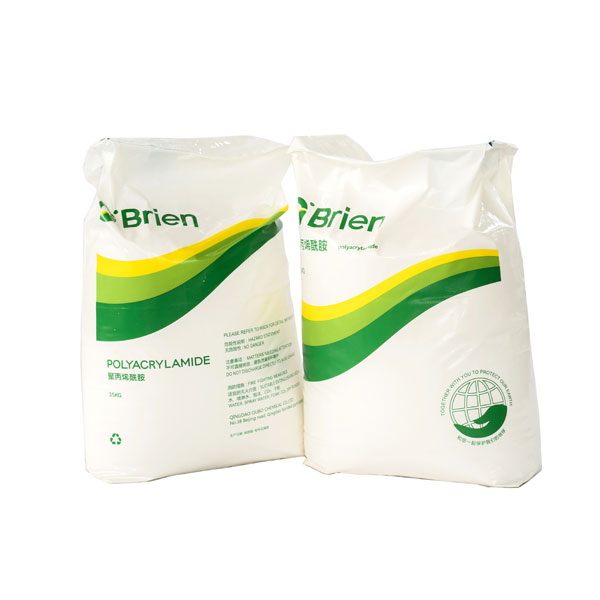
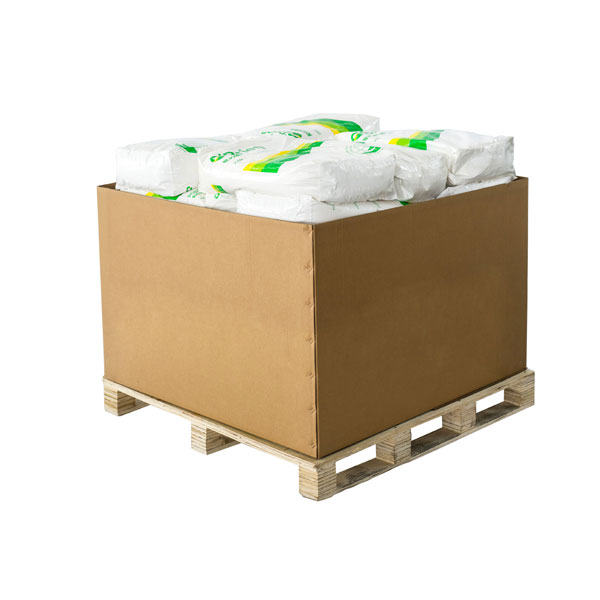
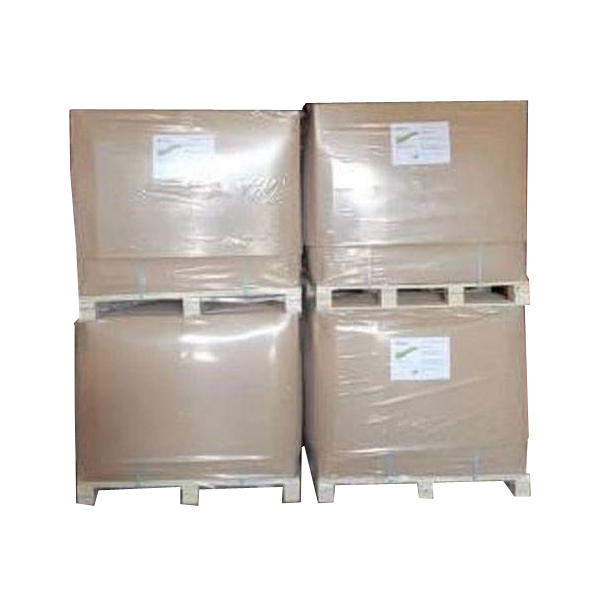
Pioneering next-generation water-soluble polymers for sustainable water reuse and zero liquid discharge (ZLD) systems.
As global environmental regulations enforce tighter limits on industrial liquid discharges, chemical treatment infrastructure must evolve. Oubo Chemical’s R&D roadmap focuses on three pivotal technological frontiers designed to serve advanced industrial economies like Luxembourg:
While traditional dry powder NPAM requires 45–60 minutes of maturation time in dissolution tanks, Oubo is advancing fast-dissolving micro-emulsion NPAM formulations. These liquid dispersions achieve complete molecular chain extension in under 5 minutes, significantly shrinking the footprint of chemical dosing hardware in space-constrained European manufacturing facilities.
By refining our proprietary enzymatic synthesis techniques, Oubo is breaking boundaries in monomer residual minimization. Lower free acrylamide levels (<0.01% / 100 ppm) eliminate health and environmental hazards in ultra-pure municipal water clarification, sensitive river basin discharge, and food-grade sugar refining processes.
Optimal flocculation requires real-time adaptation to changing influent turbidity and ionic strength. Oubo partners with industrial automation engineering firms to pair our custom NPAM grades with optical turbidity sensors, streaming zeta potential meters, and AI-driven automated polymer dosing skids. This lowers polymer consumption by up to 25% while maintaining flawless clarity in discharge streams.
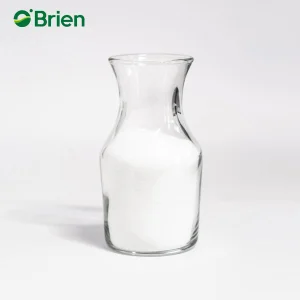
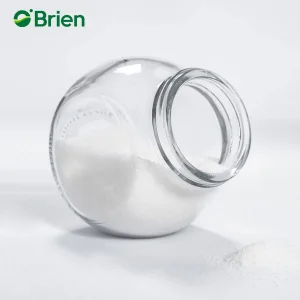
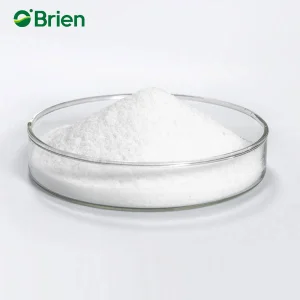
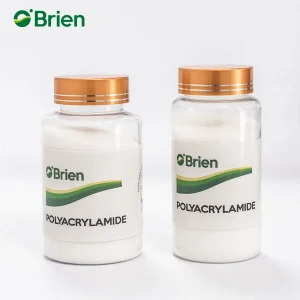
Explore our full spectrum of Nonionic, Anionic, and Cationic Polyacrylamide solutions designed for municipal sewage, mining, paper making, and specialized industrial applications.
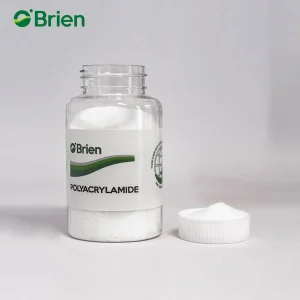
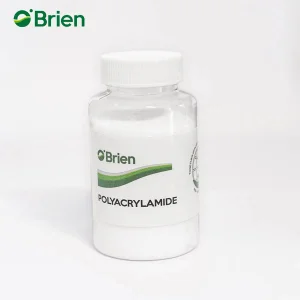
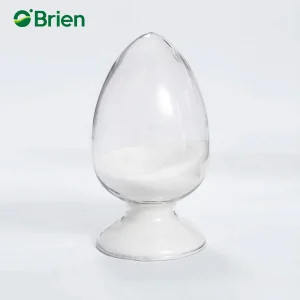
Expert answers to critical engineering, chemical selection, and European regulatory inquiries.
Contact our team of chemical engineers to request technical data sheets (TDS), safety data sheets (SDS), or free laboratory samples delivered directly to your plant in Luxembourg or worldwide.
Send Inquiry Now Oubo Chemical