Engineered for high-efficiency solid-liquid separation under acidic, high-salinity, and extreme chemical environments.
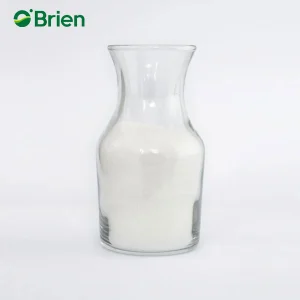
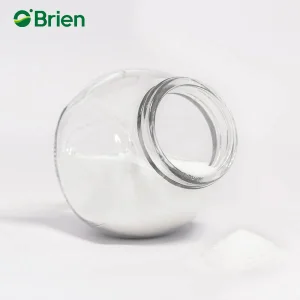
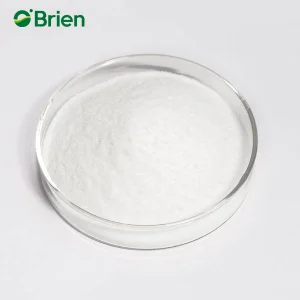
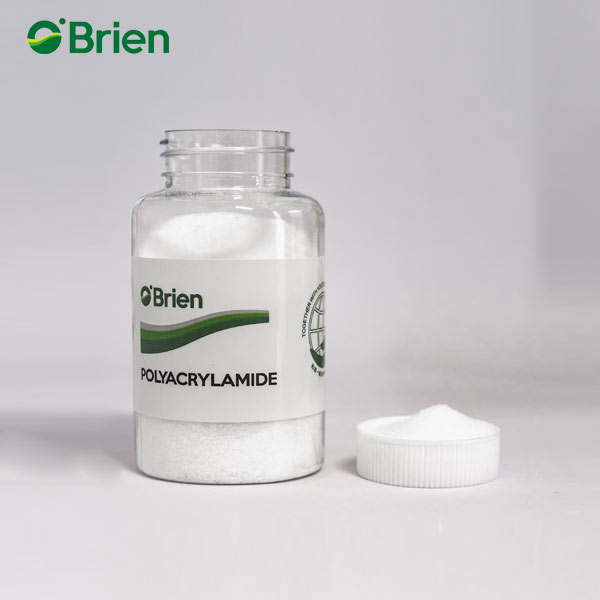
Nonionic Polyacrylamide (NPAM) is a linear, high-molecular-weight polymer formed through the polymerization of acrylamide monomers without ionic functional groups along its macromolecular chain backbone. Registered under CAS Number 9003-05-8, NPAM exhibits unique physicochemical stability in aqueous solutions. Because its polymer chain carries virtually no net charge (electrical neutrality), its flocculation mechanism relies almost exclusively on hydrogen bonding adsorption and physical bridging rather than charge neutralization.
Unlike Anionic Polyacrylamide (APAM) or Cationic Polyacrylamide (CPAM), which can undergo charge neutralization suppression or premature precipitation in strongly acidic media or high-salinity brine, Nonionic Polyacrylamide maintains exceptional structural stability across an ultra-wide pH spectrum (pH 1.0 to 8.0). This makes NPAM the definitive polymer choice for treating low-pH industrial effluents, electroplating rinse waters, acidic leachates in metallurgy, and specialized paper sizing operations.
In highly acidic aqueous solutions (pH < 4), carboxylic groups on anionic polymers become fully protonated, neutralizing their charge and causing polymer coils to collapse, rendering them ineffective. Nonionic Polyacrylamide retains its full extended random-coil configuration because its amide side-chains (-CONH2) form dense hydrogen bonds with suspended colloidal particles, creating rapidly settling, large, resilient flocs regardless of high H+ ion concentrations.
As the political, economic, and technological nexus of Northern Vietnam, the Greater Hanoi Metropolitan Area—encompassing major industrial parks such as Thang Long Industrial Park, Sai Dong B, Quang Minh, and neighboring corridors in Bac Ninh, Hung Yen, and Hai Phong—is experiencing unprecedented industrial expansion. This economic surge has drastically elevated the strictness of local environmental compliance regulations mandated by Vietnam's Ministry of Natural Resources and Environment (MONRE).
Factories operating within Hanoi's economic belt require reliable, scalable chemical suppliers capable of delivering high-performance flocculants for sophisticated wastewater treatment systems (WWTP). Key industrial sectors in Hanoi driving demand for Nonionic Polyacrylamide include:
Hanoi and Bac Ninh represent Southeast Asia's fastest-growing semiconductor and mobile hardware manufacturing hub. Effluent containing acidic metal etching solutions (copper, nickel, zinc) relies on NPAM for effective sludge settling and heavy metal precipitation without chain breakdown.
Located along the Red River Delta corridor, textile mills generate complex dye wastewater. NPAM acts as an effective coagulant aid and fabric finishing agent, facilitating rapid solids separation in acidic dye baths.
Paper manufacturers around Hanoi utilize NPAM as a high-efficiency retention aid, dry strength booster, and drainage accelerator, drastically reducing fine fiber loss and white water turbidity.
Adjacent mining sectors in Quang Ninh (coal extraction) and Thai Nguyen utilize NPAM for mineral tailing clarification, solid-liquid separation, and recycling process water back into plant operations.
Qingdao Oubo Chemical Co., Ltd. manufactures Nonionic Polyacrylamide using state-of-the-art biological enzymatic synthesis methods, ensuring minimal residual monomer levels, exceptionally consistent molecular weights, and rapid dissolution times.
| Property Parameter | Standard Specification | Premium Grade (Export to Hanoi) | Test Method Standard |
|---|---|---|---|
| Appearance | White Granular Powder | White Free-Flowing Granules | Visual Inspection |
| Molecular Weight (Mw) | 6.0 - 12.0 Million Daltons | 8.0 - 15.0 Million Daltons | Viscometric / Intrinsic Viscosity |
| Solid Content (%) | ≥ 88.0% | ≥ 90.0% | GB/T 13940-2015 |
| Degree of Hydrolysis | ≤ 5.0% | ≤ 3.0% (Ultra-pure Nonionic) | Titration Method |
| Residual Monomer (ADM) | ≤ 0.05% (500 ppm) | ≤ 0.025% (250 ppm) | HPLC Analysis |
| Dissolution Time | ≤ 90 Minutes | ≤ 45 - 60 Minutes | Standard Mechanical Agitation |
| Insoluble Matter | ≤ 0.2% | ≤ 0.05% | Gravimetric Screen Test |
A trusted global leader in polyacrylamide manufacturing, serving enterprise clients in Hanoi and across 60+ countries worldwide.
Oubo Chemical Co., Ltd. was established in 2011, strategically positioned within the Free Trade Zone of Qingdao, China. Over the past decade, our commitment to technical rigor, strict Quality Control (QC), and customer-centric service has driven an annual business growth rate exceeding 10%. In 2018, our total annual polyacrylamide production capacity officially broke through 50,000 Metric Tons, solidifying our place among global industry leaders.
Our quality management framework is fully certified under ISO 9001:2015. We integrate environmental stewardship into every step of synthesis and customer application, ensuring sustainable water treatment solutions that minimize chemical footprint and optimize operational expenditures.
We utilize advanced biological enzymatic processes to produce acrylamide monomers, resulting in higher purity polymers, lower energy consumption, and significantly lower toxic residual monomers compared to chemical carrier methods.
Our raw materials are ethically sourced from tier-one international chemical giants including SINOPEC and Eni. Automated production lines guarantee batch-to-batch consistency and zero human error.
Every single batch of NPAM produced undergoes three rigorous testing phases by our dedicated Quality Assurance team prior to dispatch, ensuring adherence to international standards.
Our chemical engineering specialists assist clients with laboratory jar testing, product selection, dosage optimization, and on-site troubleshooting for factories across Hanoi's industrial zones.
Discover how Oubo's Nonionic Polyacrylamide delivers tailored performance across critical industrial sectors.
In wastewater management, NPAM functions primarily as a primary flocculant or coagulant aid during solid-liquid separation. It excels in settling suspended organic and inorganic solids, clarifying turbid effluent, and enhancing sludge dewatering performance on belt filter presses, screw presses, and centrifuges. Due to its nonionic structure, NPAM is remarkably versatile when combined with inorganic coagulants such as Polyaluminum Chloride (PAC) or Ferric Chloride (FeCl3).
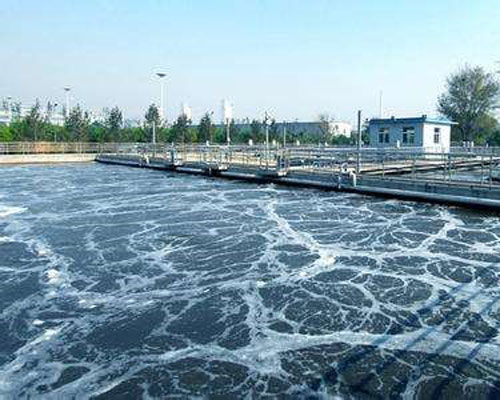
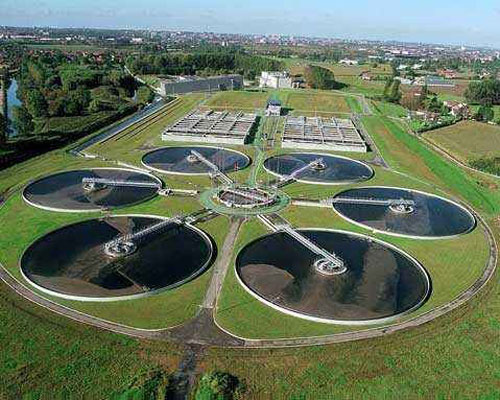
Wastewater applications span municipal sewage plants, tannery treatment facilities, citric acid manufacturing, food and vegetable protein extraction, pharmaceutical processing, and incense manufacturing across Hanoi's industrial parks.
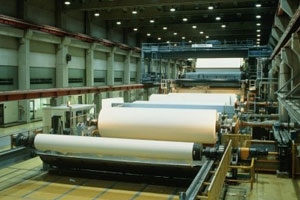
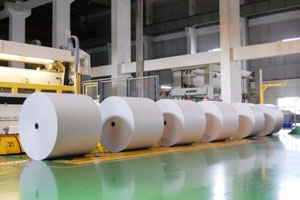
Paper manufacturers in Vietnam face intense pressure to improve paper sheet strength while lowering water consumption. NPAM acts as a high-efficiency retention and drainage aid. By forming hydrogen bonds with pulp cellulose fibers and mineral fillers (titanium dioxide, calcium carbonate), NPAM retains small fibers in the paper sheet, increases dewatering speed on the wire section, and clarifies white water for closed-loop reuse.

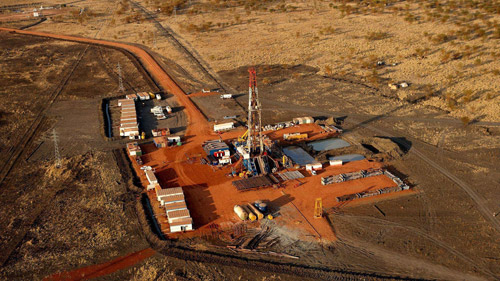
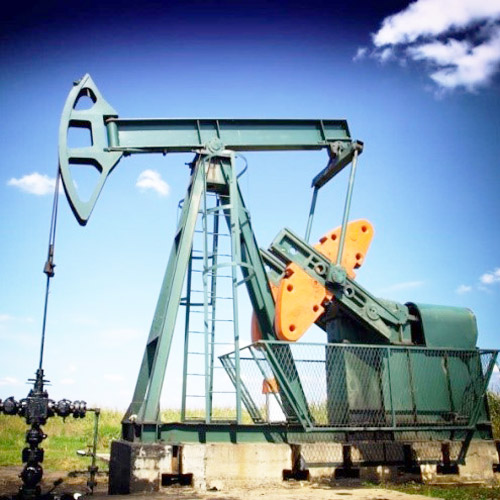
In offshore and onshore energy sector operations, NPAM is widely utilized in drilling mud formulations, profile control, and Enhanced Oil Recovery (EOR). It functions as a viscosity modifier, fluid loss reducer, shale inhibitor, and friction reducer. NPAM lubricates drill bits, carries rock cuttings to the surface, and prevents borehole wall collapse in complex geological strata.
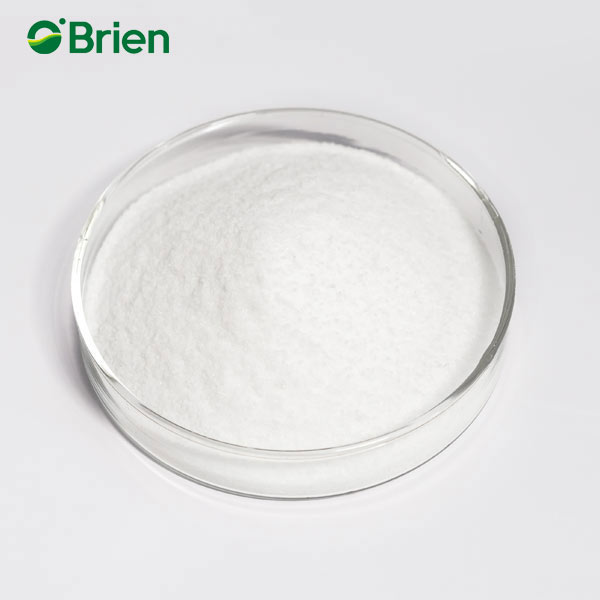
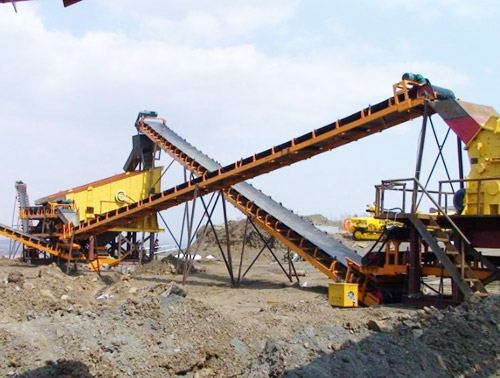
NPAM is extensively used in mineral separation, coal washing, and tailings thickener management. It accelerates solid-liquid separation during filtration and centrifugation for gold, silver, iron, copper, nickel, and coal slurries. In addition, NPAM seals mining pipe leaks and prevents dust emission when sprayed on dry tailings dumps.


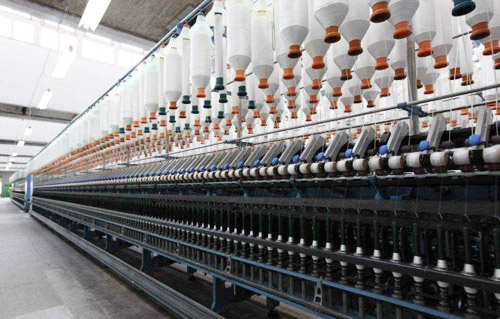
In sugar refining, NPAM serves as a clarification and flotation agent for sugarcane juice, speeding up sediment removal without introducing ionic contamination. In textile manufacturing, NPAM acts as a high-performance sizing agent, fabric finishing chemical, and warp yarn protector, increasing weaving efficiency and fabric softness.


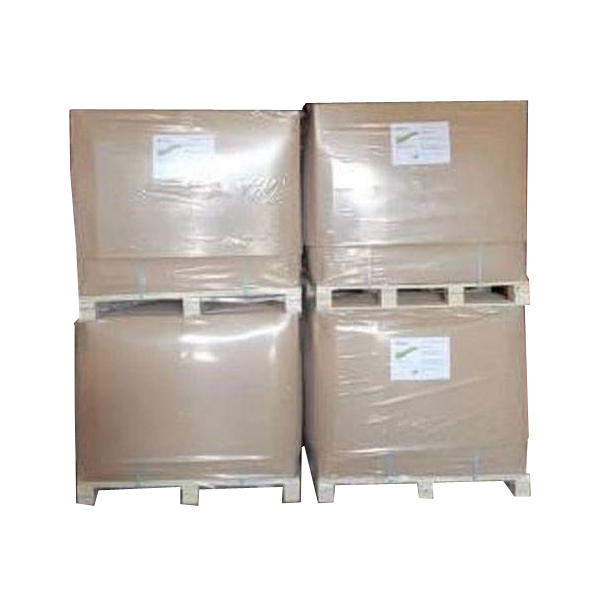
Direct export from Qingdao Free Trade Zone directly to Hai Phong Port and inland Hanoi warehouses.
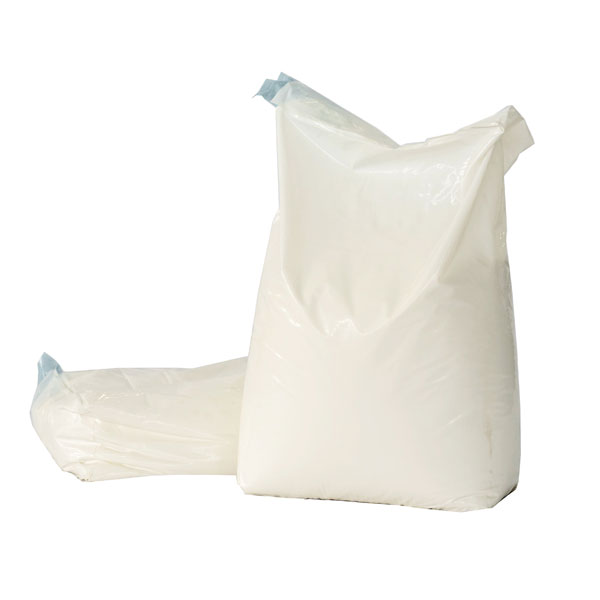
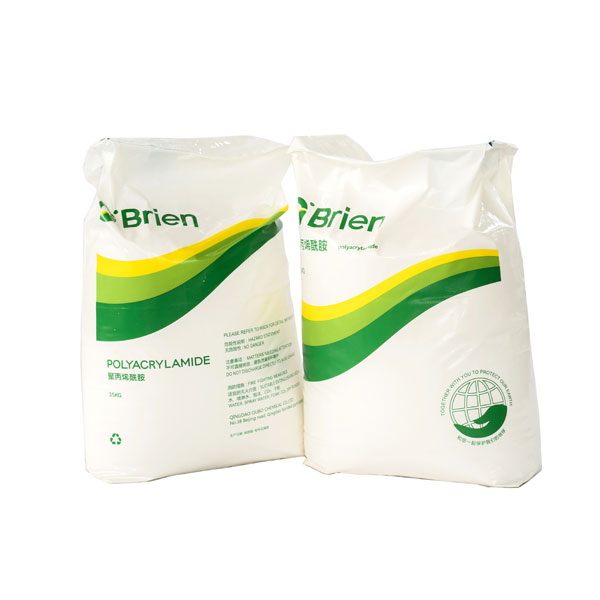
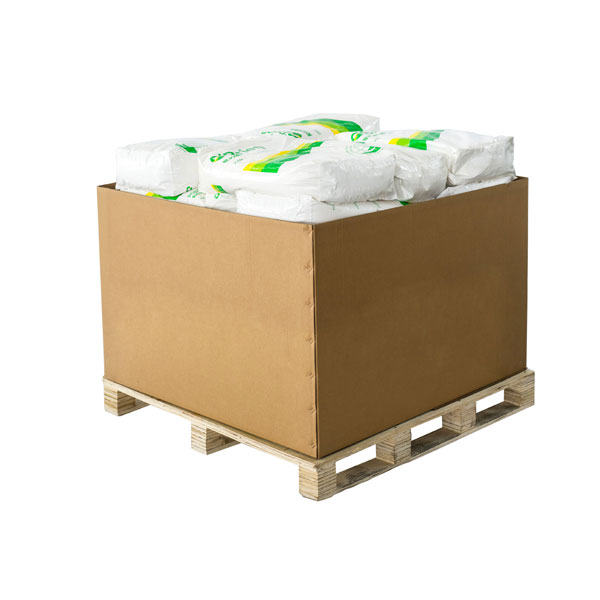
Procuring industrial polymers in Vietnam requires compliance with local chemical management standards, fast customs clearance, and secure packaging. Oubo Chemical provides comprehensive support tailored for Vietnamese procurement managers and plant engineers:
Pioneering sustainable, low-carbon polyacrylamide chemistry to meet future environmental benchmarks.
Targeting acrylamide monomer levels below 100 ppm, exceeding strict European and Vietnamese standards for potable water and sensitive ecosystems.
Transitioning raw material synthesis toward renewable bio-derived feedstocks, reducing net carbon footprint per ton of polymer produced by over 35%.
Developing integrated optical turbidity sensing systems and automated polymer dissolution units for real-time dosage optimization in automated Hanoi smart factories.
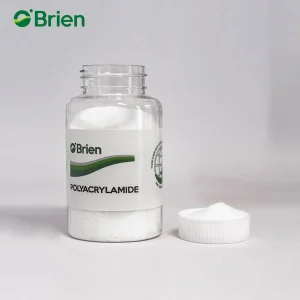
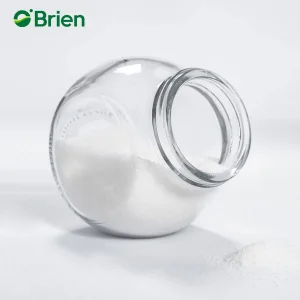
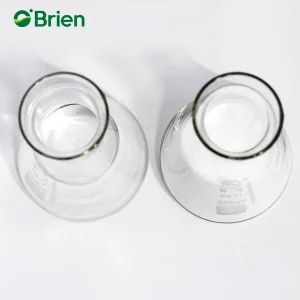
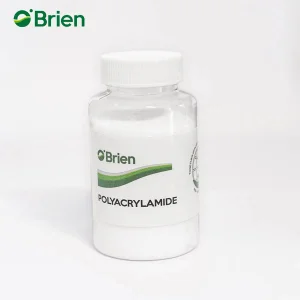
Explore our full lineup of Cationic, Anionic, and Nonionic Polyacrylamide formulations for specialized industrial processes.
Expert answers to critical procurement and technical questions regarding Nonionic Polyacrylamide applications in Hanoi.
NPAM features a neutral ionic polymer backbone. In acidic wastewater (pH below 5.0), anionic polymers lose charge due to carboxylic protonation, while cationic polymers can react undesirably with heavy metal anions. NPAM operates via hydrogen bonding physical bridging, maintaining stable flocculation performance without being affected by high H+ ion concentration.
NPAM powder should be slowly dispersed into clear water at a concentration of 0.1% to 0.3% (w/v) using a mechanical agitator operating at 200–400 RPM. Avoid high-shear impellers to prevent chain scission. Agitation should continue for 45 to 60 minutes until granules are completely dissolved. Solutions should be utilized within 24 to 48 hours for maximum activity.
Orders are dispatched from our Qingdao Free Trade Zone manufacturing facility to Qingdao Port within 48 hours. Ocean freight transit to Hai Phong Seaport takes approximately 5 to 7 days. Expedited customs clearance and inland container trucking deliver products directly to factory sites in Hanoi, Bac Ninh, or Hai Phong within 10 to 12 total calendar days.
Yes. Oubo Chemical provides complimentary 1kg sample packs for factory jar testing. Our technical application laboratory can analyze your wastewater samples and provide recommended molecular weight specifications, optimum dosage rates (ppm), and cost-performance projections before commercial orders are placed.
Optimize your industrial wastewater treatment, paper manufacturing, or mining operations in Hanoi with factory-direct, ISO9001-certified PAM polymers.
Send Inquiry Now Oubo Chemical