Engineered cationic polymers configured for rapid settling kinetics, superior sludge shear stability, and optimal charge neutralization in brackish coastal environments.
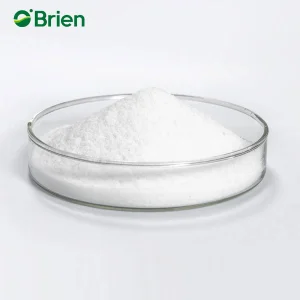
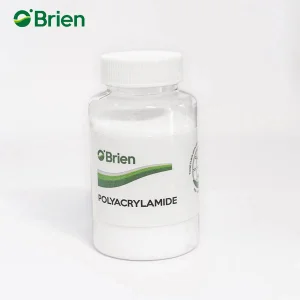
Located in the Western Province of the Solomon Islands, Noro stands as a strategic maritime hub driven by extensive tuna processing, artisanal canning facilities, copra handling, port transit infrastructure, and surrounding mineral and timber activities. These operational vectors establish a challenging liquid-solid separation regime characterized by high organic loadings, biological oxygen demand (BOD), chemical oxygen demand (COD), and extreme ionic strength due to seawater flush protocols.
The processing of marine pelagic species generates complex process waters filled with emulsified fats, oils, and grease (FOG), coupled with negatively charged soluble proteins. Standard physical settlement proves ineffective in these scenarios. Standard anionic chemistry often fails due to electrical double layer compression caused by salinity. Here, Oubo Chemical's Cationic Polyacrylamide (CPAM) supplies precisely calibrated quaternary ammonium functional groups that bridge through electrical barriers, causing instantaneous micro-floc aggregation and de-emulsification before direct discharge into sensitive Pacific reef biomes.
Polyacrylamide (PAM) is a water-soluble linear polymer synthesized via free-radical polymerization of acrylamide monomers. To address varied industrial streams in Noro and wider oceanic territories, Oubo manufactures four dedicated molecular variants: Nonionic (NPAM), Anionic (APAM), Cationic (CPAM), and custom Mannich bases.
| Polymer Variant | Charge Density (Mol %) | Molecular Weight (Million Da) | Target Noro Application |
|---|---|---|---|
| Cationic (CPAM) | 10% – 80% | 8.0 – 15.0 | Fishery Effluent, Centrifuge Sludge Dewatering, Belt Press Filtration |
| Anionic (APAM) | 5% – 60% | 16.0 – 28.0 | Quarry Clarification, Tailings Dewatering, Port Dredging Suspensions |
| Nonionic (NPAM) | < 5% | 6.0 – 14.0 | Highly Acidic Processing Streams, Leachate Remediation, Soil Conditioning |
In municipal and fishery dewatering operations, the positive backbone of CPAM targets the electronegative zeta potential of colloidal suspensions, compressing the diffuse electrical double layer to induce rapid destabilization. This chemical action triggers large polymeric bridging loops that capture micro-particulates into shear-resistant macro-flocs, producing ultra-clear supernatant and dry, manageable sludge cakes.
Global multi-site plant operators face rising supply chain risks, including feedstock volatility in acrylonitrile, fluctuating container shipping schedules, and tropical shelf-life degradation. Tropical humid maritime climates, such as Noro’s, can cause low-grade dry polymers to cross-link or cake inside packaging, rendering chemical preparation systems inoperable.
Oubo Chemical resolves these logistics constraints using automated, moisture-proof multi-layer barrier containment. Operating from the Free Trade Zone of Qingdao, our plant leverages partnerships with petrochemical leaders like SINOPEC and Eni. All products undergo three-stage testing before dispatch, ensuring rapid clearance and uncompromised performance through tropical shipping lanes.
Fabricated under ISO 9001:2008 standards via proprietary biological synthesis processes, ensuring high molecular regularity, zero insoluble gel fragments, and consistent monomer conversion rates.
Our experienced polymer chemical engineering team provides end-to-end guidance: baseline water profiling, on-site jar testing, dosage calibration, and dewatering centrifuge optimization.
Equipped with thermal-sealed PE internal liners, moisture-resistant external kraft and poly-woven sacs, UV-resistant coverings, and fumigated, shrink-wrapped wooden pallets to withstand long tropical shipping voyages.
Comprehensive application pathways demonstrating molecular efficiency across municipal, paper, oilfield, and mining processing.
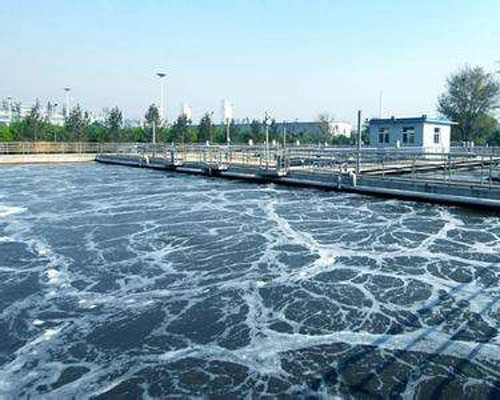
Specialized solid-liquid separation, secondary clarification, and sludge cake dewatering under rigorous discharge mandates.
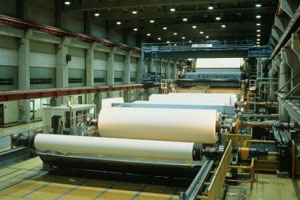
Improves short-fiber retention, increases drainage rates, captures anionic trash, and bolsters internal sheet tensile strength.
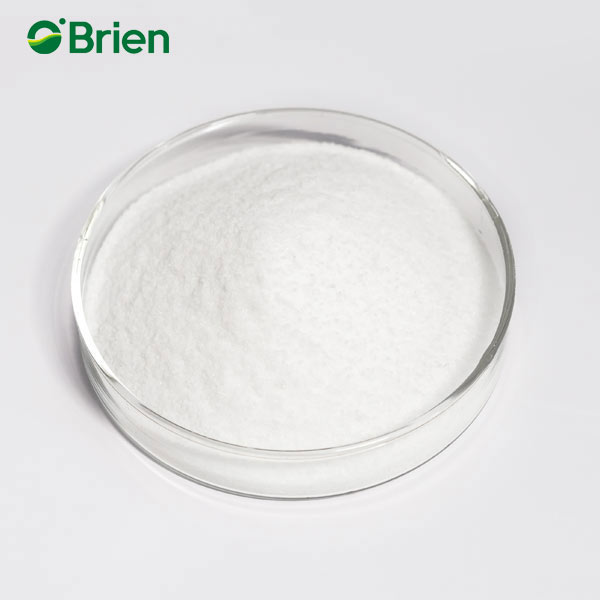
Used in Enhanced Oil Recovery (EOR), drilling fluid friction reduction, wellbore stabilization, and profile control.
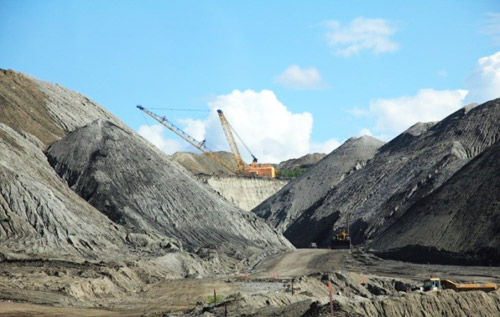
Tailings thickener acceleration, rapid coal washing recovery, and filtration processing for copper, nickel, and precious metals.
Engineered containment to prevent atmospheric hydrolysis and mechanical degradation during transit across the Pacific.
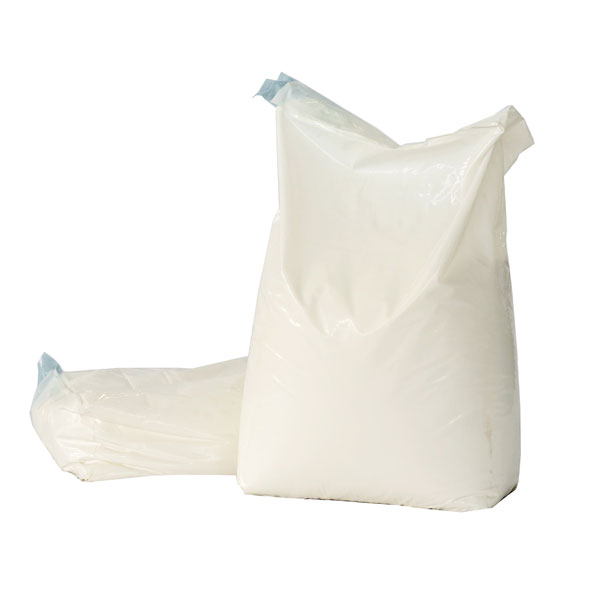
Ideal for localized re-labeling and brand distributions.
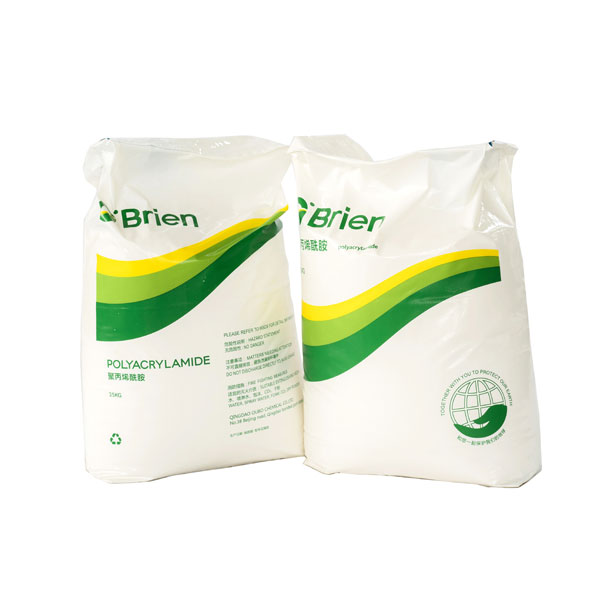
Multi-layer paper with internal moisture seal.
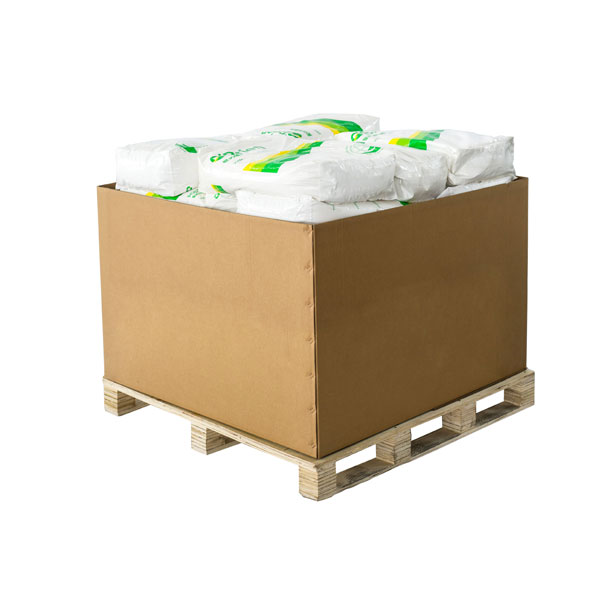
High-capacity bulk protection for automated polymer make-down units.
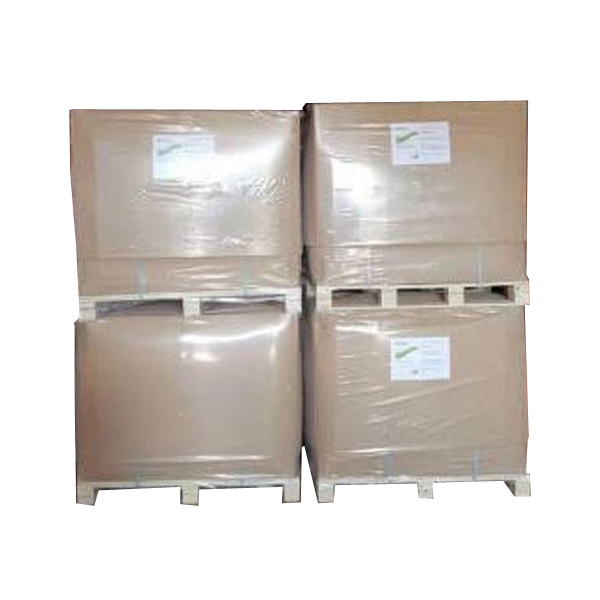
Fumigated, shrink-wrapped, and bound for stable maritime cargo transit.
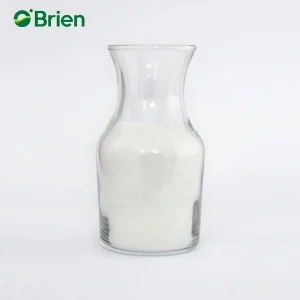
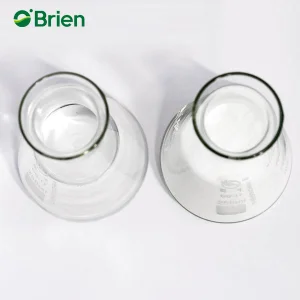
Engineered cationic, anionic, and nonionic polymers manufactured under continuous quality-control frameworks.
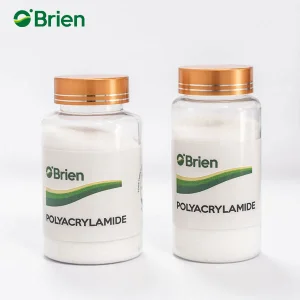
Strategic technological initiatives advancing bio-catalyzed synthesis, reduced residual acrylamide monomer (AMD), and microplastic-neutral degradation profiles.
Transitioning from chemical nitrile hydratase production to bio-engineered enzymatic platforms, cutting energy use by 42% and eliminating copper catalyst impurities.
Engineering specialized post-polymerization extraction protocols to maintain free monomer levels safely below 250 ppm, far exceeding environmental standards for marine-adjacent processing.
Developing temperature- and shear-responsive polymer chains that adapt in real time to the fluctuating salinity and suspended solids found in coastal estuaries.
Direct technical answers addressing charge density selection, dissolution best practices, maritime preservation, and supply chain timelines.
Contact our technical team for custom molecular configurations, lab bench samples, and competitive direct-factory container pricing.
Send Inquiry Now Oubo Chemical