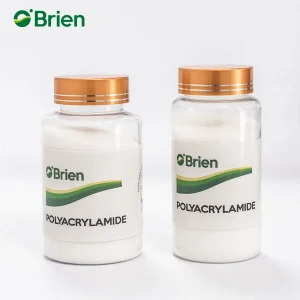
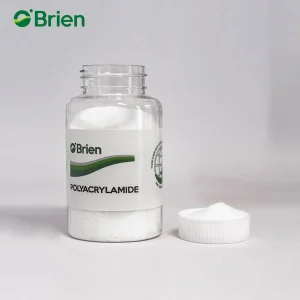
High-efficiency cationic polyacrylamide grades engineered for rapid solid-liquid separation, high charge neutralization, and optimum dewatering performance.
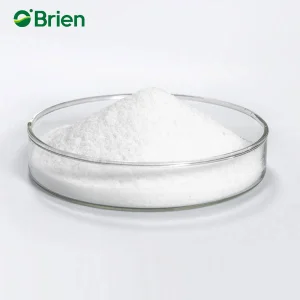
Optimized for municipal sludge dewatering and high-shear centrifuge filtration systems.
Specially synthesized for dye-house effluent decolorization and COD load reduction.
Ultra-fast dissolution rates with low residual acrylamide levels meeting EU standards.
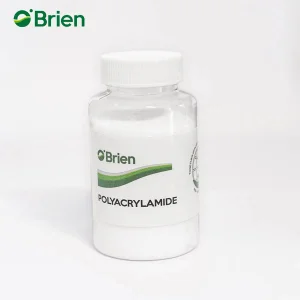
Enhances wet-end chemistry performance and fines retention in paper manufacturing.
An in-depth analysis of Portugal's environmental regulation frame, regional wastewater profiles, and high-performance flocculant supply needs.
Portugal’s industrial landscape is undergoing a systemic transformation driven by strict European Union environmental mandates, including the EU Water Framework Directive (2000/60/EC), the Urban Wastewater Treatment Directive (91/271/EEC), and national implementation frameworks such as Decree-Law no. 152/2017. As water scarcity challenges intensify across southern Europe and the Iberian Peninsula, municipal utilities managed by groups like Águas de Portugal (AdP) and regional entities (such as EPAL in Lisbon or Águas do Porto) require advanced chemical solutions for municipal sludge dewatering and tertiary wastewater purification.
Information Gain Insight: Cationic Polyacrylamide (CPAM) performance in Portugal is heavily governed by localized organic sludge characteristics. Urban municipal WWTPs operating belt filter presses or high-speed decanter centrifuges demand precise cationic charge densities (20% to 60% mole ratio) to achieve cake solids contents exceeding 25-30% TS (Total Solids), reducing transport and incineration costs.
In the industrial domain, Northern Portugal—specifically the Cávado, Ave, and Lima river basins—hosts one of Europe’s premier textile, apparel, and dyeing manufacturing corridors. Wastewater from these facilities carries complex dye compounds, surfactants, suspended organic solids, and variable pH loads. Traditional inorganic coagulants like polyaluminum chloride (PAC) or ferric chloride often generate massive sludge volumes. By introducing high-charge Cationic Polyacrylamide (CPAM) flocculants synthesized via bio-catalytic monomer pathways, textile treatment facilities achieve rapid charge neutralization, forming robust flocs that dewater cleanly and dramatically reduce Chemical Oxygen Demand (COD).
Simultaneously, Portugal’s world-class pulp and paper sector—concentrated around Aveiro, Figueira da Foz, and Setúbal—relies on high-molecular-weight cationic retention aids and micro-polymer systems. In these wet-end papermaking processes, CPAM binds short fibers and mineral fillers to the cellulose sheet, optimizing machine drainage speeds while reducing white water solids carryover.
| Polymer Parameter | Technical Specification Range | Primary Portuguese Application Sector | Performance Benefit |
|---|---|---|---|
| Cationic Charge Degree | 10% – 80% (Mole %) | Municipal WWTPs & Textile Dyeing | Optimized charge neutralization for negative organic colloids |
| Molecular Weight (MW) | 8.0 – 15.0 Million Daltons | Decanter Centrifuges & Belt Presses | High shear resistance and thick floc formation |
| Solid Content | ≥ 88% Granular Powder / Emulsion | All Industrial & Municipal Buyers | Maximized shipping density and storage stability |
| Residual Acrylamide (AM) | ≤ 0.05% (≤ 500 ppm) [REACH Compliant] | EU & Portuguese Municipal Standards | Ensures environmental safety and regulatory compliance |
| Dissolution Time | ≤ 60 Minutes at 25°C | Automated Dosing Units in Facilities | Prevents filter clogging and ensures complete polymer activation |
Comprehensive application engineering designed to solve complex liquid-solid separation challenges across key economic sectors.
In biological wastewater treatment plants operating activated sludge processes, biological flocs carry strong negative surface charges. Oubo’s medium-to-high cationic CPAM grades quickly neutralize these charges, enabling rapid water release during mechanical dewatering on belt presses, chamber filter presses, or centrifuges. Yields clearer filtrate and drier cake solids.
Textile mills across Guimarães, Famalicão, and Santo Tirso require rigorous color and suspended solids removal. Our specialized CPAM formulations work synergistically with inorganic coagulants, aggregating micro-flocs into large agglomerates that rapidly settle or float via Dissolved Air Flotation (DAF) units, lowering discharge tariffs.
Designed for virgin and recycled pulp fibers, our low-to-medium cationic polyacrylamide acts as a high-performance retention aid, binding fines and titanium dioxide fillers to paper webs. This improves steam efficiency in drying sections, enhances sheet formation, and reduces raw material loss in white water streams.
Proven track record in high-capacity polymer synthesis, bio-catalysis research, and global compliance standards.
Transitioning from conventional chemical synthesis to next-generation enzymatic polymer engineering.
The manufacturing process of Polyacrylamide (PAM) traditionally relied on chemical catalytic hydration using copper catalysts, which left heavy metal trace residues and higher proportions of unreacted monomer. Oubo Chemical has pioneered an advanced biological enzymatic method for acrylamide monomer synthesis, securing patented technological advantages.
Next-Gen 2025-2030 Roadmap: Oubo is developing smart-dissolving micro-emulsions and bio-based cationic polymer blends that degrade naturally in soil applications while maintaining high flocculation efficiency in industrial sludges.
Seamless procurement channels to Port of Leixões and Port of Sines with full EU regulatory documentation.
All Oubo Polyacrylamide chemical products exported to Portugal comply strictly with European REACH regulations (Registration, Evaluation, Authorisation and Restriction of Chemicals). Comprehensive Only Representative (OR) certification and updated Safety Data Sheets (SDS in Portuguese) accompany every shipment, guaranteeing complete legal peace of mind for European procurement managers.
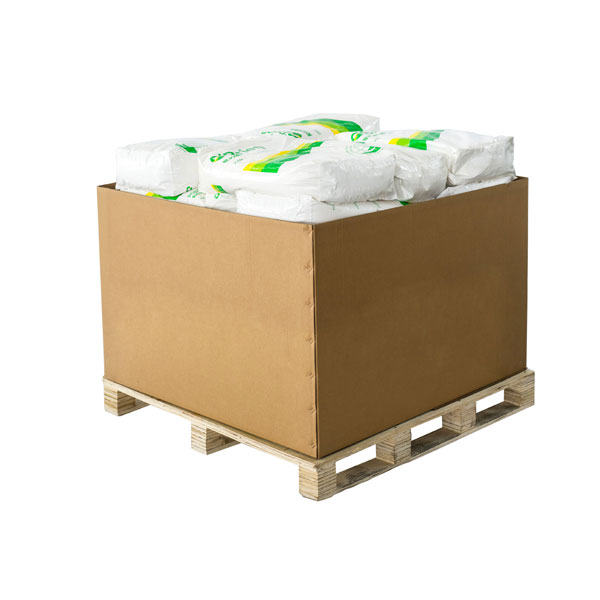
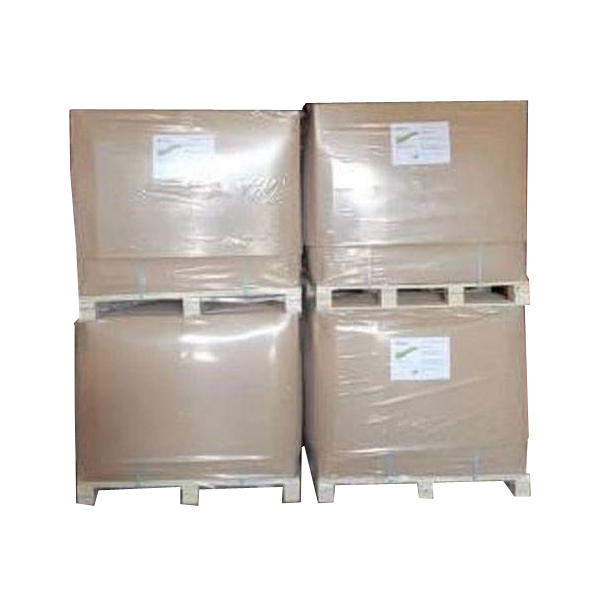
Situated in the Qingdao Free Trade Zone, Oubo leverages direct maritime container routes to major Portuguese shipping hubs, including Porto (Leixões) and Sines. With optimized buffer stock arrangements and palletized moisture-proof packaging, we guarantee fast lead times, consistent batch quality, and robust price competitiveness across the Iberian region.
Qingdao Oubo Chemical Co., Ltd brings over a decade of verified production expertise, global quality assurance, and dedicated application support.
Established in 2011 in Qingdao FTZ, utilizing patented biological methods to synthesize acrylamide, with €2M annual R&D investment for technical excellence.
Global raw material sourcing from SINOPEC, Eni, and top producers. Automated lines with ISO9001 certification. Every batch tested 3 times by QC prior to dispatch.
Over a decade of dedicated PAM focus. Technical engineering teams guide pre-sales polymer selection, laboratory jar testing, and on-site plant trial optimization.
Comprehensive after-sales service, polymer solution preparation advice, and continuous formulation upgrades ensuring optimum operational performance.
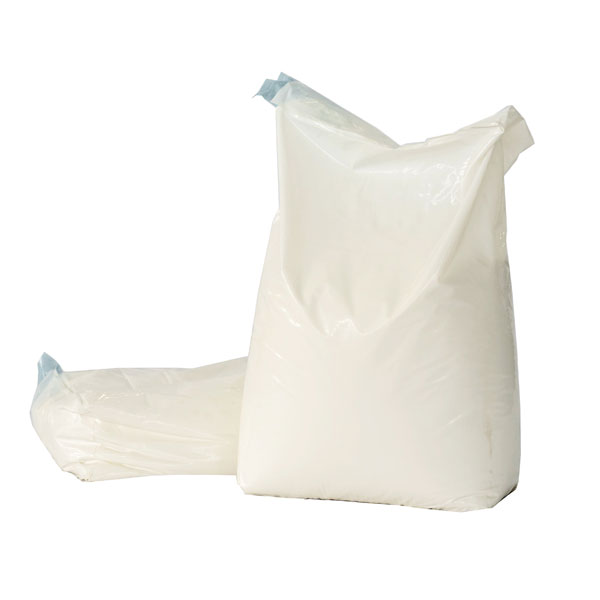
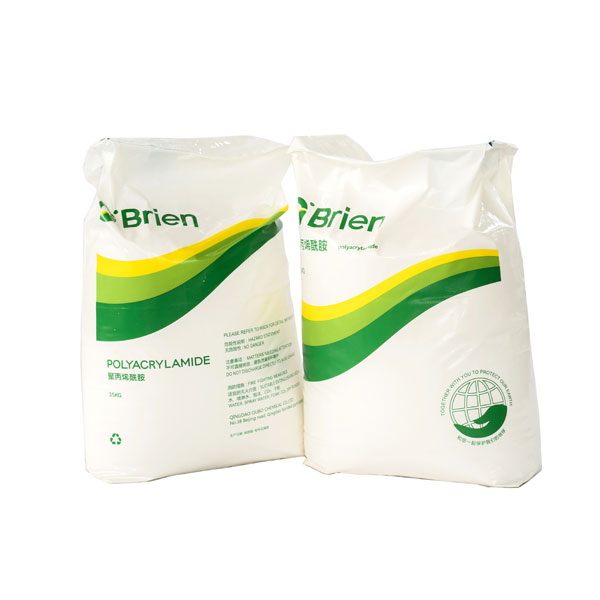
Standardized moisture-proof packaging options suited for global maritime shipping and automated dosing hoppers.
Explore our comprehensive portfolio of cationic, anionic, and nonionic polyacrylamide flocculants.
Comprehensive technical and commercial answers tailored for plant engineers and global chemical buyers.
Get direct access to bio-catalyzed polymer solutions, competitive factory-direct pricing, and specialized technical support for your Portuguese operations.
Send Inquiry Now Oubo Chemical