Engineered for immediate deployment across San Francisco Bay Area municipal facilities, paper mills, and industrial wastewater treatment processes.
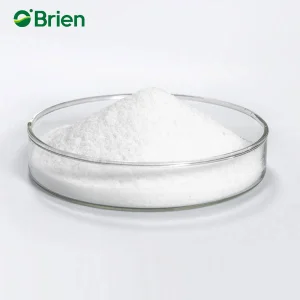
Premium CPAM with customizable charge density (10%–80%) designed for Bay Area industrial effluent clarification and sludge thickening.
Request Technical Specs
High-molecular-weight cationic polymer specifically formulated for breaking complex color emulsions and organic solids separation.
Request Technical Specs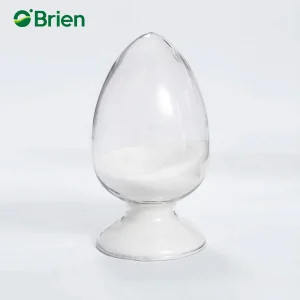
Ultra-fast dissolving dry powder cationic flocculant optimized for centrifuge, belt press, and filter press sludge dewatering.
Request Technical Specs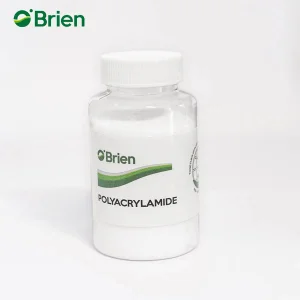
Advanced retention chemical for wet-end paper manufacturing, boosting fiber recovery and improving sheet formation efficiency.
Request Technical SpecsThe City and County of San Francisco, alongside the broader Silicon Valley and Bay Area industrial ecosystem, enforces some of the most stringent environmental regulations in North America. Administered under the oversight of the California Regional Water Quality Control Board (San Francisco Bay Region) and local public utilities like the SFPUC, industrial facilities must maintain ultra-low turbidity, minimal chemical oxygen demand (COD), and optimized bio-solid removal.
Cationic Polyacrylamide (CPAM) serves as a cornerstone chemical reagent for local wastewater treatment plants, municipal sludge dewatering systems, high-tech semiconductor rinse-water reclamation facilities, and Northern California paper packaging producers. Achieving peak solid-liquid separation while minimizing chemical sludge volume requires high-purity polymers with precise cationic charge densities and tailored molecular weights.
Understanding the synthesis chemistry, charge neutralization dynamics, and structural performance of Cationic Polyacrylamide in complex aqueous systems.
Unlike traditional chemical catalytic methods, Oubo Chemical employs advanced biological enzymatic conversion to synthesize high-purity acrylamide monomers. This patented bio-method completely eliminates toxic trace byproducts, yielding monomers with superior reactivity and uniform polymer chain growth.
CPAM molecules possess positive cationic functional groups (such as DAC or ADAM-MQ) along their backbone. These positive charges rapidly neutralize the negative zeta potential on bio-sludge and organic suspended solids, causing immediate charge destabilization followed by long-chain polymeric bridging flocculation.
In high-shear dewatering equipment such as decanter centrifuges and high-pressure belt filter presses utilized across San Francisco treatment plants, our CPAM forms dense, compact flocs with high shear strength, preventing re-dispersal and delivering drier sludge cakes.
| Polymer Ionic Type | Functional Monomer Base | Target Suspended Solids | Typical San Francisco Applications | Floc Density & Dewatering Rate |
|---|---|---|---|---|
| Cationic (CPAM) | Acrylamide + DAC / DMAEMA / ADAM-MQ | Negatively Charged Organic Sludge & Bio-solids | Municipal Sewage Dewatering, Food Processing, Paper Wet-End | Very High Density / Rapid Dewatering |
| Anionic (APAM) | Acrylamide + Acrylic Acid (AA) | Positively Charged Inorganic Minerals & Heavy Metals | Mining Tailings, Metal Finishing, Sand/Gravel Washing | High Floc Volume / Moderate Settlement Rate |
| Nonionic (NPAM) | Pure Acrylamide Homopolymer | Neutral, Acidic, or Complex Mineral Slurries | Acidic Industrial Effluent, Oilfield Drilling Fluids | Medium Floc Size / High Chemical Resistance |
Located in the Free Trade Zone of Qingdao, China, Qingdao Oubo Chemical Co., Ltd. operates state-of-the-art continuous biological polymerization production lines. By controlling every stage of manufacturing—from raw material sourcing (contracted with premier global chemical suppliers such as SINOPEC and Eni) to final particle sizing—Oubo delivers world-class product quality at unbeatable factory-direct economics.
With direct maritime routes connecting the Port of Qingdao to the Port of Oakland and San Francisco logistics terminals, we provide North American buyers with secure containerized shipping, rapid order fulfillment, and stable batch-to-batch consistency backed by strict ISO 9001:2008 Quality Control protocols.
Qingdao OUBO Chemical Co., Ltd is a leading manufacturer of Polyacrylamide globally. Using patented biological methods, we invest over €2M annually into R&D for continuous technological mastery.
Global supply chain integration with raw materials sourced from SINOPEC, Eni, and top global suppliers. Fully automated production compliant with ISO9001; every batch tested 3 times before dispatch.
Our dedicated technical team assists pre-sales, sales, and after-sales processes, ensuring accurate polymer selection, jar testing validation, and dosage optimization.
Customized polymer solutions matching the specific operational needs of regional wastewater infrastructure and industrial processors.
San Francisco municipal water treatment operations deal with dense biological sludge generated from primary clarification and activated sludge aeration basins. Our high-charge CPAM series promotes rapid cake formation in centrifuges and belt presses, achieving cake solids content exceeding 25% while dramatically reducing hauling and disposal costs.
Advanced manufacturing facilities in the Bay Area produce complex wastewater containing dissolved organics, heavy metals, and emulsified oils. Oubo's tailored CPAM formulations work synergistically with inorganic coagulants (PAC/Alum) to clarify process water for zero-liquid discharge (ZLD) or compliant sewer discharge.
Serving recycled containerboard and paper mills throughout Northern California, our Cationic Polyacrylamide acts as an efficient retention aid, wet-end strength agent, and white water clarifier—boosting machine speed and fiber recovery while keeping effluent clear.
Explore how Oubo Chemical's complete Polyacrylamide portfolio serves diverse global sectors with high-efficiency flocculants, thickeners, and retention agents.
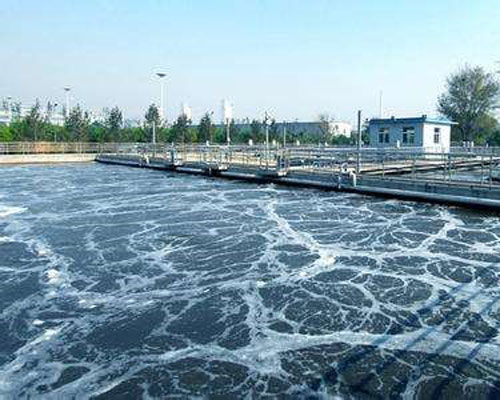
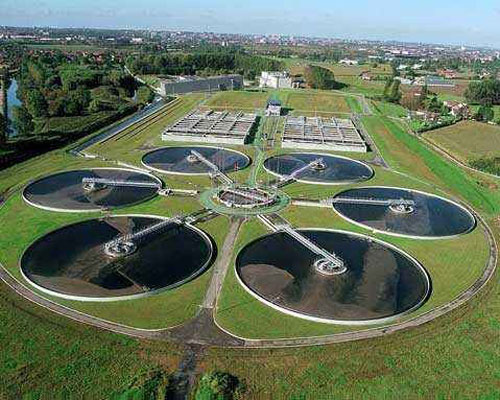
As a premier flocculating agent, CPAM is mainly used in industrial solid-liquid separation processes, including settlement, clarification, concentration, and sludge dewatering. Increasingly stringent environmental regulations promote the continuous adoption of advanced water treatment polymers across urban sewage, leather, paper making, citric acid, dyeing, and pharmaceutical effluent treatment.
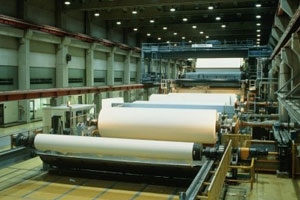
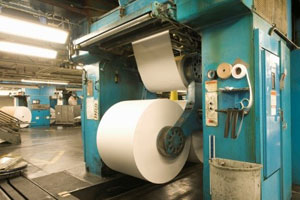
Utilized as dry strength agents, retention agents, and filter aids. CPAM significantly improves paper quality, enhances physical sheet strength, and reduces fine fiber loss. It serves as an anionic trash catcher to neutralize charge interference and functions as an effective pulp dispersant for superior sheet uniformity.
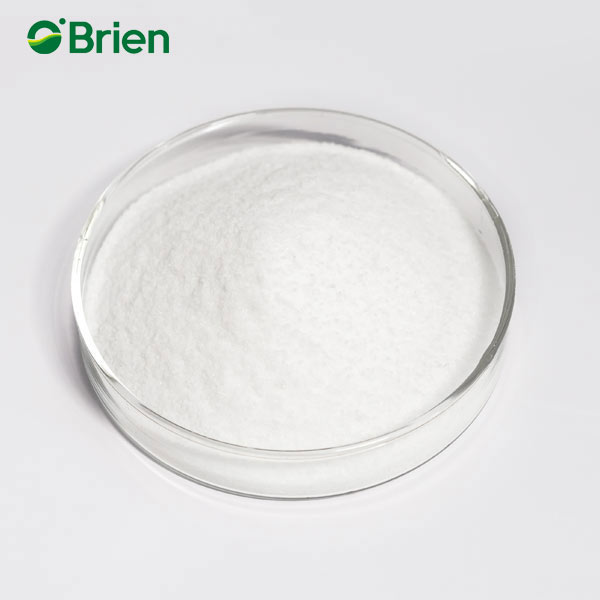
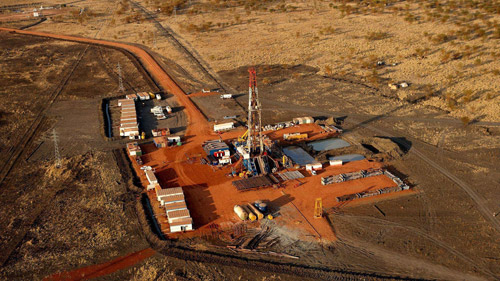
Polyacrylamide is widely used in oil exploration, profile control, plugging agents, drilling fluids, and fracturing fluid additives. Key operational areas include Enhanced Oil Recovery (EOR), drilling fluid loss reduction, shale inhibition, bit cooling/lubrication, and oil sands tailings flocculation.
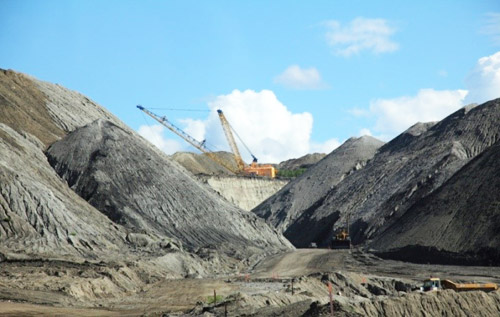
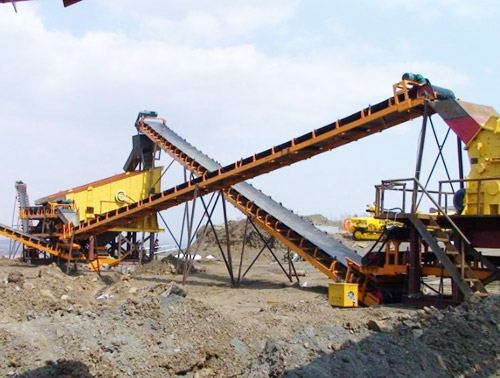
Extensively applied for mineral washing, ore separation, and tailings sludge dewatering. Our comprehensive portfolio includes nonionic, anionic, and cationic polymers at varied molecular weights tailored for coal washing, tailings solid-liquid filtration, and precious metal recovery (Gold, Silver, Copper, Iron, Nickel).
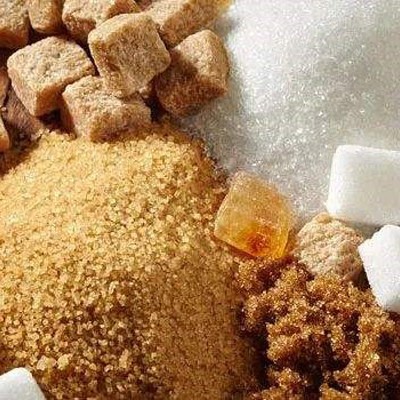
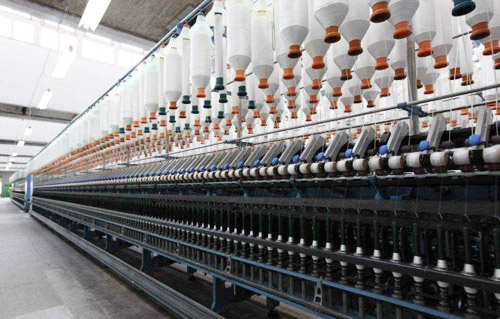
In sugar manufacturing, polyacrylamide facilitates juice clarification and syrup flotation. In textile manufacturing, PAM functions as a high-performance sizing agent, finishing agent, and fabric treatment polymer to improve tensile strength and dye receptivity.
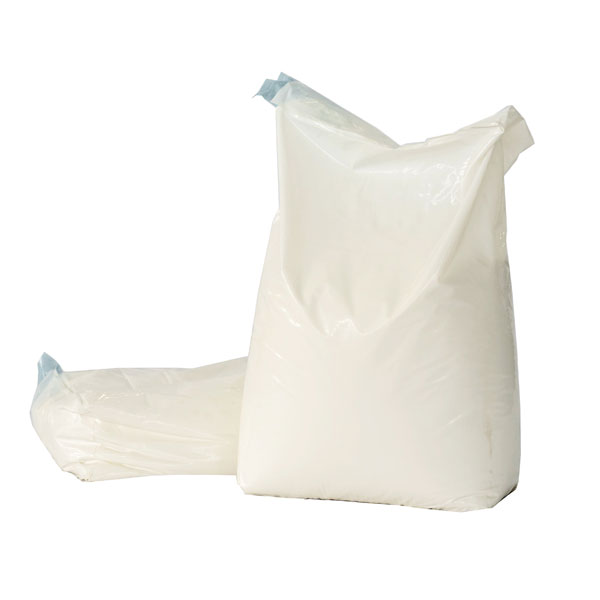
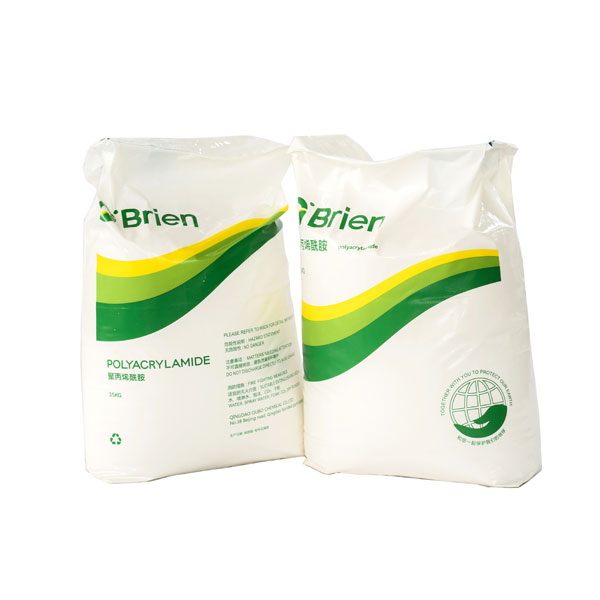
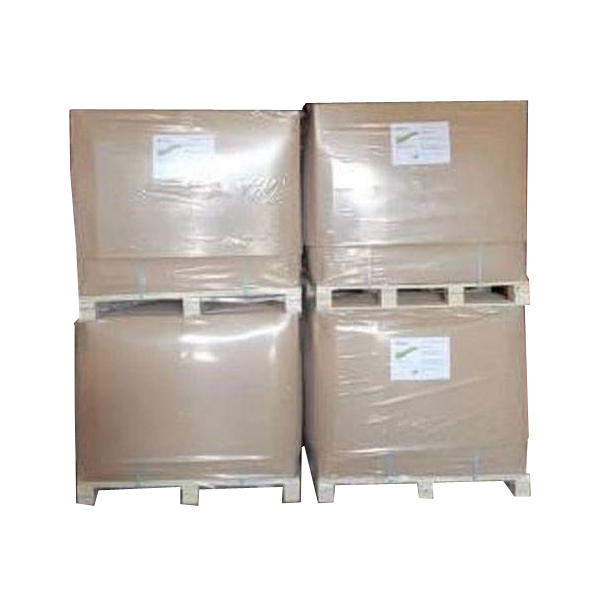
We offer multi-wall kraft paper bags, unbranded neutral bags, customized OEM printed packaging, and reinforced palletized wrapping. Moisture-proof polyethylene inner liners protect powder integrity during ocean transit to West Coast US ports.
Step-by-step technical protocol for San Francisco procurement directors, chemical engineers, and environmental consultants evaluating CPAM suppliers.
Send effluent samples or request polymer test kits. Our lab evaluates settling velocity, supernatant clarity, and floc compactness across varying cationic charge degrees (10% to 80%) to select the optimum grade.
Polyacrylamide dry powder must be dissolved to a 0.1%–0.3% working concentration using clean water under low-shear agitation for 45–60 minutes. Avoid high-shear pumps that break polymer chains.
Upon lab verification, full-scale plant trials are initiated. Direct container shipments from Qingdao to San Francisco / Port of Oakland ensure continuous inventory flow with complete COA tracking per batch.
Expert technical answers to common queries regarding polymer selection, dosage, handling, and supply chain logistics.
Explore our full line of cationic, anionic, and nonionic polyacrylamide flocculants engineered for municipal, industrial, paper, and energy sectors.
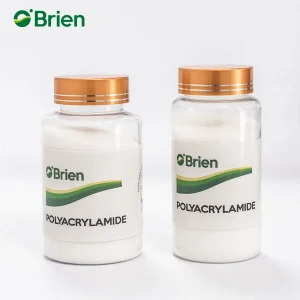
High-charge cationic flocculant tailored for belt filter presses, centrifuges, and plate-and-frame dewatering systems.
Send Inquiry Now
High-viscosity nonionic thickener engineered for drilling fluid loss control, shale stabilization, and fluid viscosity enhancement.
Send Inquiry Now
Ultra-high molecular weight nonionic polymer optimized for mineral slurry clarification, coal tailings, and mineral solid-liquid separation.
Send Inquiry Now
Anionic polyacrylamide formulation providing rapid settling of inorganic solids and effective clarification in primary water treatment.
Send Inquiry Now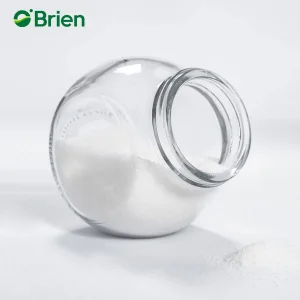
Specialized paper strengthening polymer enhancing inter-fiber bonding, burst strength, and tensile resistance in paperboard manufacturing.
Send Inquiry Now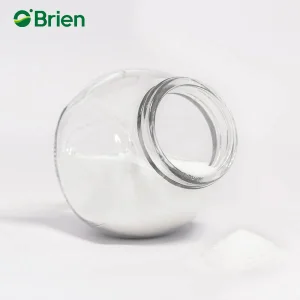
Acid-resistant NPAM flocculant specifically engineered for low pH wastewater treatment, metal leaching, and acidic slurry settling.
Send Inquiry Now
Versatile NPAM homopolymer suited for textile processing, soil stabilization, and custom chemical synthesis applications.
Send Inquiry Now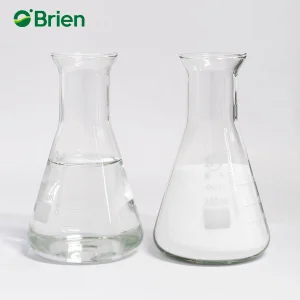
High-molecular-weight APAM providing high flocculation efficiency in mining, gravel clarification, and industrial effluent recycling.
Send Inquiry NowContact Oubo Chemical's technical sales engineers today for tailored polymer selection, custom jar testing reports, and competitive factory-direct pricing for California enterprises.
Send Inquiry Now Oubo Chemical