Premium Cationic Polyacrylamide (CPAM) grades engineered for municipal sludge, textile effluent, and high-turbidity industrial process water.
Analyzing the macro-economic growth, environmental compliance regulations, and technical chemical requirements in the Jabodetabek megalopolis.
As the economic engine of Indonesia, the Special Capital Region of Jakarta and its surrounding industrial belts—spanning Cikarang, Karawang, Tangerang, and Bekasi (Jabodetabek)—host thousands of intensive manufacturing operations. These include textile dyeing plants, pulp & paper mills, food processing facilities, and chemical manufacturing hubs. The management of complex biological and physicochemical sludge has become a strategic operational bottleneck for regional plant engineers.
Primary solid-liquid separation and sludge dewatering require sophisticated synthetic polymers. Cationic Polyacrylamide (CPAM) serves as the indispensable water-soluble polymer to destabilize negatively charged organic suspensions, accelerating sedimentation and ensuring clear filtrate generation across high-throughput industrial Effluent Treatment Plants (ETP).
The Ministry of Environment and Forestry of Indonesia (KLHK) has implemented stringent wastewater discharge mandates, such as PERMEN LHK No. P.68/2016 and specialized industrial river basin initiatives like the Citarum Harum Program. Industrial operators face heavy fines and potential shutdown if effluent parameters exceed limits for Chemical Oxygen Demand (COD), Biological Oxygen Demand (BOD), and Total Suspended Solids (TSS).
To achieve compliance, factories in Jakarta must optimize their mechanical dewatering machinery—such as belt filter presses, decanter centrifuges, and multi-disk screw presses. Oubo Chemical’s high-purity Cationic Polyacrylamide powder delivers high charge density and tailored molecular weight, ensuring low cake moisture levels and reduced chemical consumption.
Delivering world-class chemical manufacturing expertise, patented biological production pathways, and reliable cross-border supply chains.
Oubo Chemical Co., Ltd was established in 2011, strategically located in the Free Trade Zone of Qingdao, China. Over more than a decade of dedicated chemical innovation, Oubo has maintained an extraordinary growth trajectory of over 10% annually. With our state-of-the-art production footprint breaking through 50,000 Tons annual capacity in 2018, Oubo stands as a global leader in Polyacrylamide synthesis.
Our Quality Control (QC) matrix is rigorously validated under ISO 9001:2008 standardizations. We pay acute attention to environmental sustainability during polymer production and downstream application, ensuring that Jakarta industrial clients receive eco-efficient, high-potency chemical reagents.
Qingdao OUBO Chemical Co., Ltd utilizes advanced biological enzymatic methods to synthesize polyacrylamide monomers—a proprietary process backed by active patent applications. We reinvest over €200 million in cumulative technical research to continuously refine polymer chain architecture.
Our raw materials are sourced exclusively from top-tier global producers such as SINOPEC, Eni, and equivalent premium chemical partners. Production lines are 100% automated. Every single production batch is systematically tested 3 times by our QC laboratory prior to shipment.
With specialized focus in polyacrylamide manufacturing, our senior technical engineers participate in pre-sales analysis, pilot jar testing, machine tuning, and after-sales field support to select the exact charge and molecular weight profile for your Jakarta plant.
We provide comprehensive lab screening, polymer solution stability testing, and on-site dosage optimization for factories operating across Jabodetabek, minimizing chemical spend while maximizing cake dryness and filtrate clarity.
Understanding the molecular dynamics, monomer copolymerization, and charge neutralization physics of CPAM polymers.
Polyacrylamide (PAM) is a linear synthetic water-soluble resin formed by the polymerization of acrylamide monomers. Depending on the functional co-monomers introduced during reaction, PAM is classified into Nonionic (NPAM), Anionic (APAM), Cationic (CPAM), and Amphoteric forms.
Cationic Polyacrylamide (CPAM) is copolymerized using acrylamide (AAm) and cationic monomers such as acryloyloxyethyltrimethyl ammonium chloride (DAC) or methacryloyloxyethyltrimethyl ammonium chloride (DMC). This introduces positively charged quaternary ammonium groups along the polyacrylamide backbone.
CPAM functions through three primary physical-chemical pathways when introduced into suspended solids:
Positively charged cationic groups compress the electrical double layer of negatively charged colloidal particles, reducing zeta potential to zero and triggering micro-floc formation.
High molecular weight polymer chains (8–15 million Da) adsorb onto multiple particles simultaneously, creating strong macro-flocs with high shear resistance.
Cationic segments attach in patches on particle surfaces, causing electrostatic attraction to bare anionic surfaces of neighboring particles for rapid settling.
| Product Grade | Ionicity / Charge Degree (%) | Molecular Weight (Million Da) | Solid Content (%) | Dissolving Time (Mins) | Primary Industrial Application |
|---|---|---|---|---|---|
| Oubo CPAM 8010 | 10 - 20 (Low) | 12 - 15 | ≥ 89% | ≤ 45 | Paper Retention Aid, River Dredging Sludge |
| Oubo CPAM 8030 | 30 - 40 (Medium) | 10 - 12 | ≥ 89% | ≤ 45 | Municipal Sewage, Food Processing Dewatering |
| Oubo CPAM 8050 | 50 - 60 (High) | 8 - 10 | ≥ 89% | ≤ 40 | Textile Dyeing ETP, Biological Sludge |
| Oubo CPAM 8080 | 70 - 80 (Ultra High) | 8 - 10 | ≥ 89% | ≤ 40 | Oily Petrochemical Sludge, Leather Effluent |
Tailored chemical formulations engineered for diverse industrial ecosystems across Indonesia.
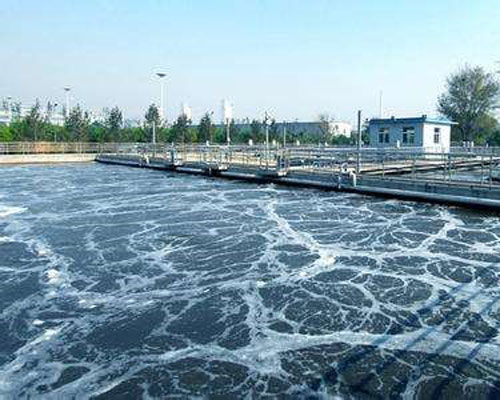
Mainly used in industrial solid-liquid separation including settlement, clarification, and sludge dewatering. Essential for municipal sewage facilities and industrial wastewater plants across Greater Jakarta.
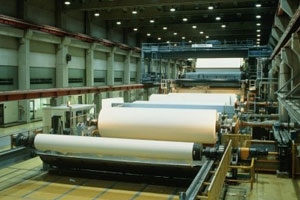
Serves as dry strength agents, retention aids, and filter aids. Dramatically enhances paper sheet formation, reduces fine fiber loss, and clarifies white water in West Java mills.
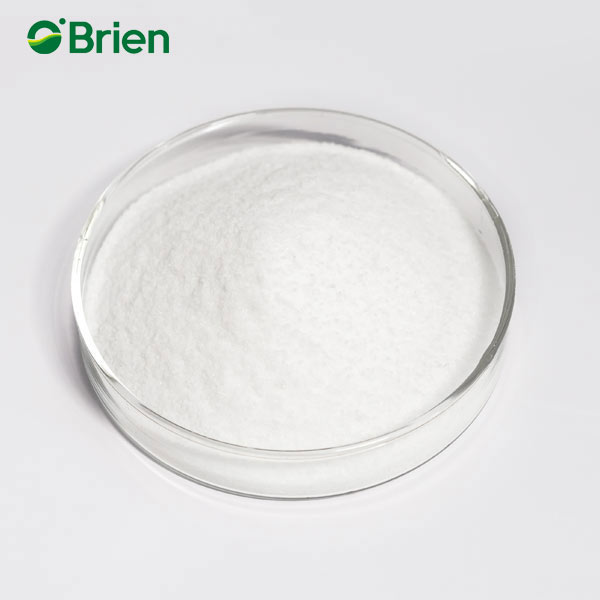
Widely utilized in oil exploration, profile control, plugging agents, and Enhanced Oil Recovery (EOR). Reduces fluid loss, stabilizes shale, and lubricates drill strings in offshore Sumatra & Java blocks.

Accelerates solid-liquid separation in coal washing, tailings thickener dewatering, and mineral recovery processes (Gold, Copper, Nickel, Iron) across Indonesian mining hubs.

Improves sugar juice clarification and juice flotation efficiency. Ensures fast mud settling speeds and high clarity syrup output in cane sugar processing units.
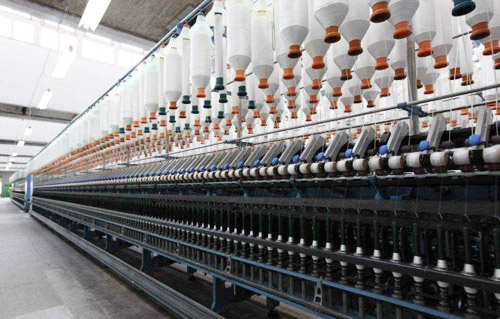
Acts as an effective fabric finishing agent and sizing agent, while delivering unmatched flocculation for high-color dye house effluent treatment in Tangerang & Bandung industrial parks.
Robust anti-moisture packaging, optimized container loadouts, and seamless maritime shipping to Tanjung Priok Port.
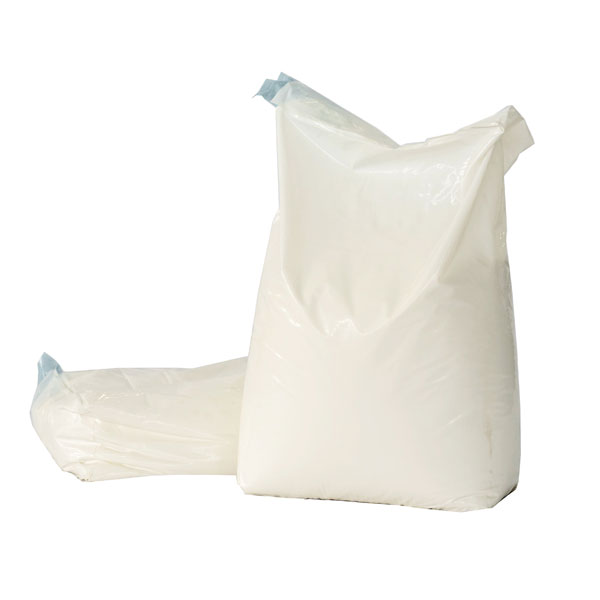
Neutral 25kg multi-wall paper bags with inner PE moisture barrier lining for private labeling.
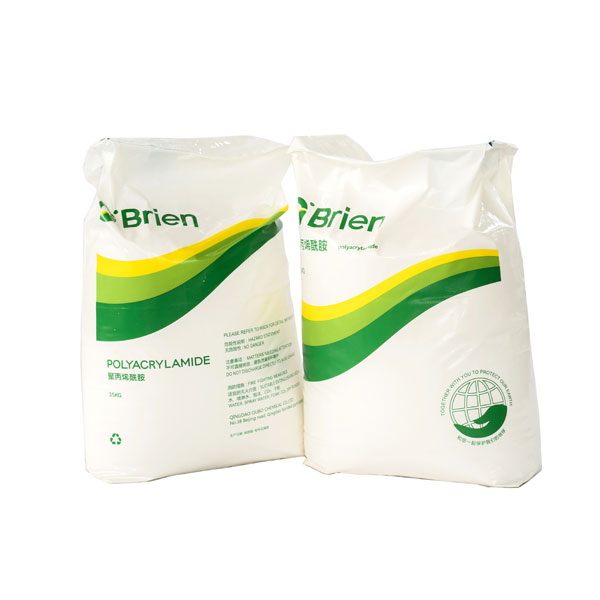
High-strength 25kg PP woven bag printed with complete batch identification and product specs.
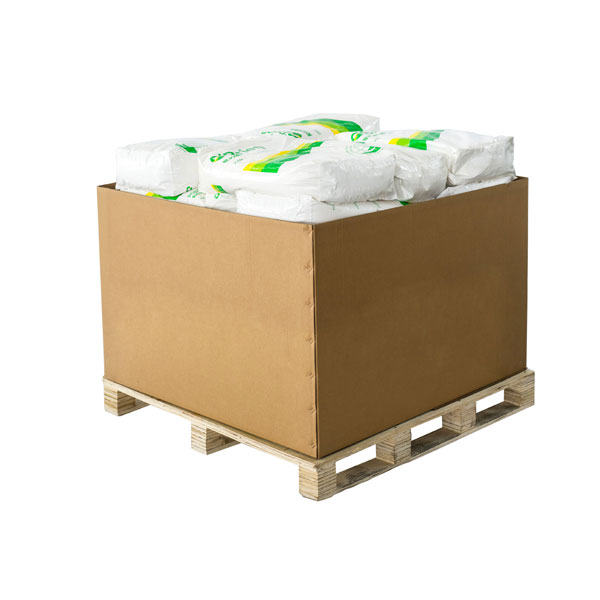
750kg and 1000kg Big Bags designed for automated hopper feed systems in large ETP operations.
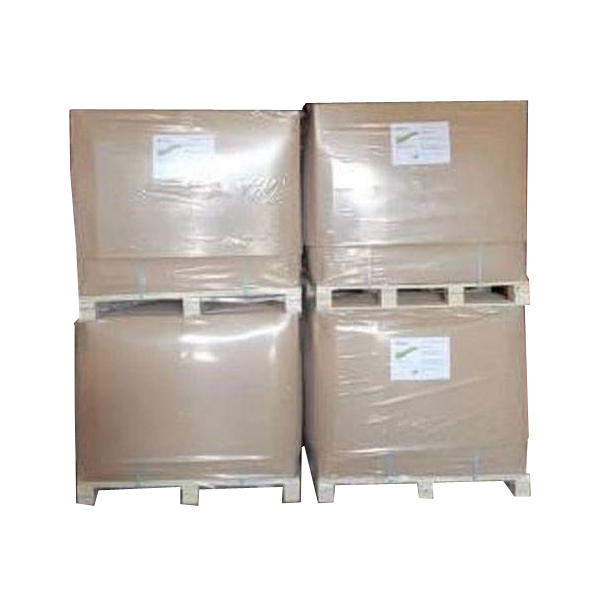
Full shrink-wrap palletizing with edge protection to prevent moisture absorption in humid tropical transit.
Due to Jakarta’s high average humidity (75%-90%) and ambient temperatures, Polyacrylamide powder must be stored in a cool, dry, and well-ventilated warehouse away from direct sunlight. Unopened bags maintain a shelf life of 24 months. Dry powder is hygroscopic; any open bags must be sealed immediately. Prepared aqueous polymer stock solutions (typically 0.1%–0.3% concentration) should be consumed within 24 to 48 hours to prevent viscosity loss due to hydrolytic degradation.
Pioneering sustainable polymer chemistry, bio-monomers, and automated chemical dosing integrations.
Oubo Chemical is actively developing next-generation bio-acrylamide synthesized via enhanced enzymatic catalysts. This reduces carbon footprint by up to 35% during monomer synthesis, supporting global net-zero targets for industrial users in Southeast Asia.
By customizing the spatial distribution of cationic monomers along the polymer chain (micro-block architecture), Oubo’s R&D team has engineered CPAM variants with superior shear stability—ideal for high-speed decanter centrifuges running at >3,000 RPM.
Partnering with water engineering integrators in Jakarta, Oubo provides specialized mathematical models linking influent turbidity and sludge Capillary Suction Time (CST) to automated polymer dosing units, eliminating chemical over-dosing.
Explore our full range of Cationic, Anionic, and Nonionic Polyacrylamide products available for immediate export to Jakarta port.
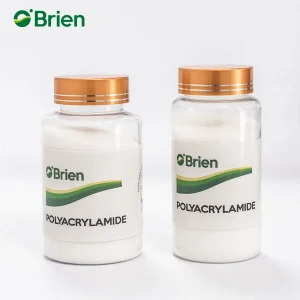
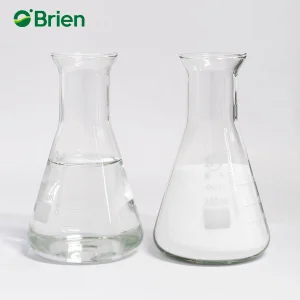
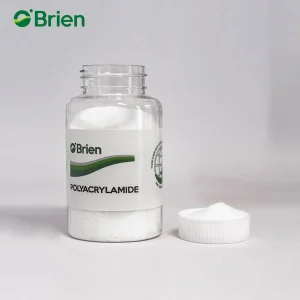
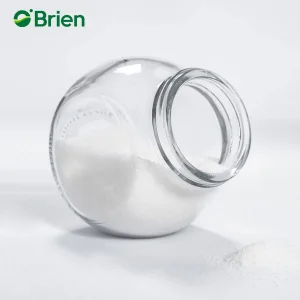
Direct procurement links for industry-specific polymer variants.
Technical answers for plant engineers, procurement officers, and water treatment specialists in Indonesia.
Selecting cationicity depends on the organic ratio of your sludge. Highly biological organic sludge (such as municipal secondary sludge or food processing waste) generally requires medium to high cationicity (40%–60%). Industrial inorganic sludge or mixed sludge requires lower cationicity (10%–30%). Oubo Chemical offers free jar-testing evaluation for Jakarta clients to pinpoint the exact optimal charge.
Prepare a 0.1% to 0.3% concentration stock solution using clean, un-chlorinated water. Slowly sprinkle CPAM powder into the vortex of a stirring tank (stirring speed 200–400 RPM). Avoid rapid dumping to prevent gel clumps ("fish eyes"). Stir for 45–60 minutes until completely dissolved before dosing into the sludge line.
With our manufacturing hub near Qingdao Port and established shipping lanes to Tanjung Priok Port (Jakarta), typical maritime transit time ranges from 10 to 14 days post-dispatch. Orders are processed within 3-5 business days upon order confirmation.
Yes. All Oubo Polyacrylamide products are provided with comprehensive Safety Data Sheets (SDS), Certificates of Analysis (COA), ISO9001 compliance documentation, and REACH/ROHS certified analytical reports to support your local environmental audits with KLHK.
Contact Oubo Chemical’s technical director team for customized polymer samples, factory direct pricing, and local field support across Indonesia.
 Oubo Chemical