Engineered for High-Salinity, Variable Temperature, and Demanding Dewatering Applications Across Algeria
Strategic Insights for Procurement Managers, Water Engineers, and Industrial Operators across Algiers, Oran, Hassi Messaoud, and Skikda
Algeria stands as North Africa's industrial powerhouse, driven by extensive hydrocarbons extraction, rapid expansion of municipal wastewater infrastructure via the Office National de l'Assainissement (ONA), and significant investments in mining developments such as the Gara Djebilet iron ore and Bled El Hadba phosphate projects. Under Algeria's National Water Plan (Plan National de l'Eau), sustainable water management, efficient sludge dewatering, and industrial effluent recycling have evolved from operational considerations into regulatory imperatives.
Cationic Polyacrylamide (CPAM)—a linear water-soluble polymer carrying positively charged functional groups—plays a pivotal role in maintaining operational efficiency across these sectors. By neutralizing the prevailing negative surface charges of organic solids, biological sludge, and colloidal contaminants, CPAM enables rapid coagulation, flocculation, and high-efficiency solid-liquid separation.
Aggressive modernization of municipal sewage treatment plants, stringent Sonatrach environmental compliance for oilfield produced water, and heavy mining dewatering needs.
Formulations must withstand high mineral shear, hyper-saline aquifers, temperature variations up to 50°C in Saharan regions, and extended storage stability.
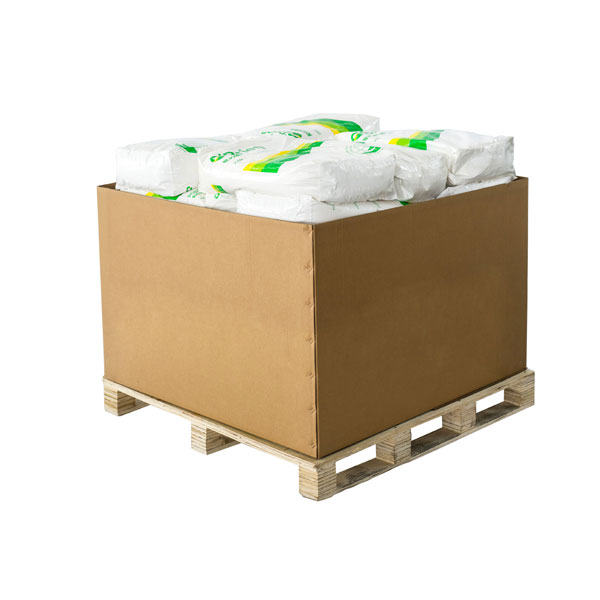
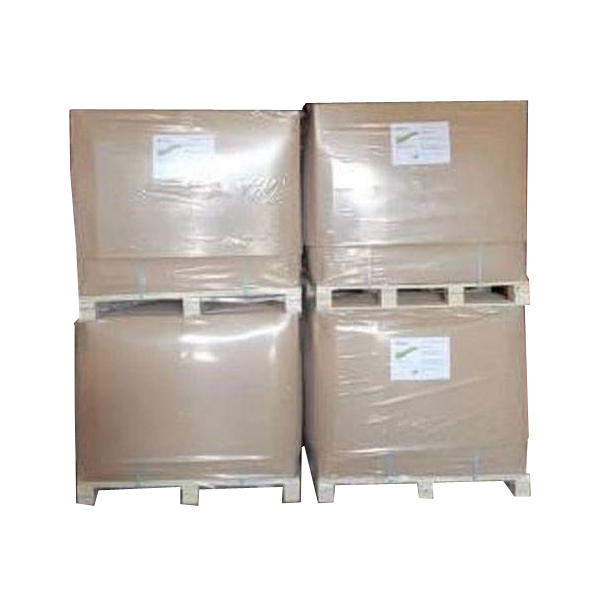
Direct supply corridors from China's premier FTZ manufacturing hubs to major Algerian ports (Algiers, Oran, Skikda) with anti-caking tropicalized packaging.
Cationic Polyacrylamide is synthesized by copolymerizing acrylamide (AM) monomer with cationic monomers such as acryloyloxyethyltrimethyl ammonium chloride (DAC) or methacryloyloxyethyltrimethyl ammonium chloride (DMC). The resulting polymer chain possesses dual functionality: high molecular mass providing polymeric bridging loops, and quaternary ammonium cation sites providing charge neutralization.
| CPAM Parameter Grade | Molecular Weight (Million Da) | Cationic Charge Density (%) | Primary Industrial Application in Algeria |
|---|---|---|---|
| Low Charge / Very High MW | 10.0 - 12.0 | 10% - 20% | Paper wet-end retention, low-organic municipal sludge centrifuge dewatering |
| Medium Charge / High MW | 8.0 - 10.0 | 30% - 40% | Belt filter press dewatering for urban municipal sludge (ONA STPs) |
| High Charge / Medium MW | 6.0 - 8.0 | 50% - 60% | Industrial oily wastewater clarification, Sonatrach slop water treatment |
| Ultra-High Charge / Medium MW | 4.0 - 6.0 | 70% - 80% | Refinery effluent de-oiling, high-organics food & olive oil mill wastewater |
When dissolved in water, the cationic quaternary ammonium group carries a net positive charge ($-\text{N}^+(\text{CH}_3)_3\text{Cl}^-$) that neutralizes the negative zeta potential of suspended particles. This collapses the electrical double layer, forcing colloidal particles to aggregate into micro-flocs. Simultaneously, the ultra-long polymer chains stretch across water voids to adsorb onto adjacent flocs (macro-flocculation), forming dense, rapidly settling agglomerates with low bound-water content.
Engineered Polymer Solutions Delivering Superior Dewatering and Flocculation Under Extreme Regional Operating Conditions
In key hydrocarbon basins like Hassi Messaoud, Berkine, and Hassi R'Mel, CPAM serves as a core chemical additive in produced water de-oiling, drilling mud solid-liquid separation, and Enhanced Oil Recovery (EOR) fluid treatment. Oubo Chemical's thermal-stable cationic polymers maintain structural integrity in high-temperature, high-salinity Saharan reservoirs, preventing polymer degradation and maximizing oil recovery rates while protecting injection wells from plugging.
Across urban centers such as Algiers (El Harrach STP), Oran, Constantine, and Annaba, municipal sewage treatment plants encounter heavy biological sludge loads. Oubo's medium and high charge CPAM dry powders rapidly coagulate organic sludge particles, resulting in clear supernatant filtrate and exceptionally dry cake solids when processed through high-speed decanter centrifuges and belt presses, significantly cutting transport and tipping fees.
With major developments in the Tindouf iron ore reserve and Tebessa phosphate belt, mineral washing and tailing thickening require immense volumes of recycled process water. CPAM accelerates tailing clarification, enabling continuous recycling of up to 95% of process water in water-scarce arid zones while ensuring tailing dry stacking compliance.
Regions like Biskra and Sig generate heavily colored, high-COD wastewater from olive oil extraction and textile dyeing. CPAM works synergistically with inorganic coagulants (PAC/Alum) to drop color units (Pt-Co), adsorb emulsified lipids, and drop chemical oxygen demand prior to environmental discharge into local wadis.
Direct Factory Integration Offering Unmatched Manufacturing Scale, Quality Assurance, and Logistics Reliability
Oubo Chemical Co., Ltd. (established in 2011) operates from the strategically advantageous Free Trade Zone of Qingdao, China. Over the past decade, Oubo has maintained a compound annual business growth rate of 10%, achieving an annual polyacrylamide production capacity exceeding 50,000 Metric Tons in 2018. Quality management systems are fully certified under ISO 9001:2008 standards.
Unlike traditional chemical synthesis routes that rely on high-temperature catalytic hydration of acrylonitrile yielding impurities, Oubo employs a state-of-the-art bio-catalytic enzymatic process. This proprietary biological method yields ultra-pure acrylamide monomer with minimal trace contaminants and low residual monomer content (<0.05%). The resulting polyacrylamide features longer polymer chain lengths, higher molecular weights, and superior solubility kinetics.
Our global supply chain network procures primary raw chemical feeds from world-tier producers including SINOPEC, Eni, and other leading petrochemical refiners. Production lines are 100% automated, utilizing advanced computerized reactor controls. To maintain strict E-E-A-T standards and zero-defect delivery:
World-Leading Technical Accumulation, Automated Production, and Comprehensive Support
Leading polyacrylamide manufacturer using patented biological synthesis methods. Reinvesting €2 million annually into R&D for advanced polymer formulation.
Global supply chain backed by raw materials from SINOPEC and Eni. Fully automated lines compliant with ISO9001. Each batch tested 3 times by QC prior to dispatch.
Decades of specialized focus on Polyacrylamide with superior quality and competitive direct factory pricing. Complete technical pre-sales and sales support.
Dedicated engineers assist in product selection, jar testing, chemical dosage optimization, and full after-sales technical troubleshooting on-site.
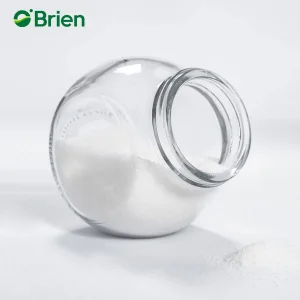
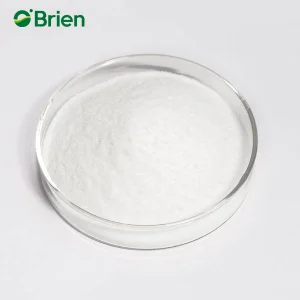
Heavy-Duty Export Packaging Designed to Prevent Moisture Ingress and Caking in Hot Climates
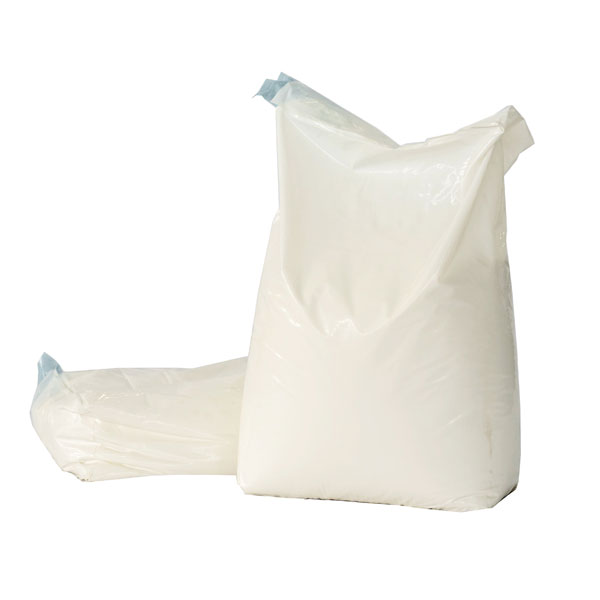
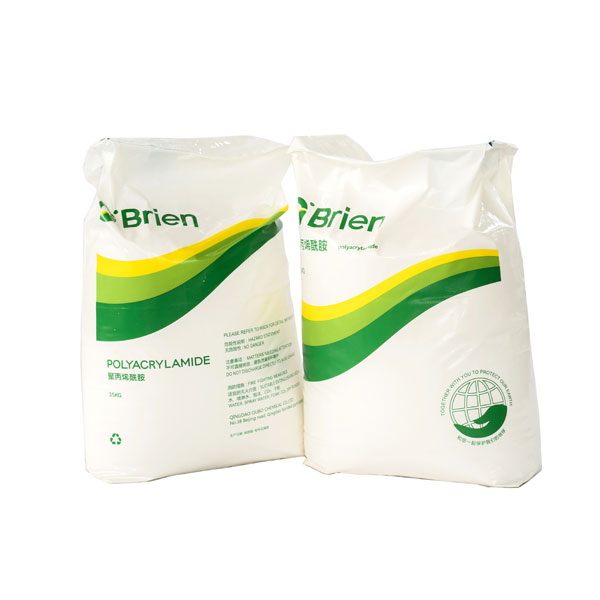
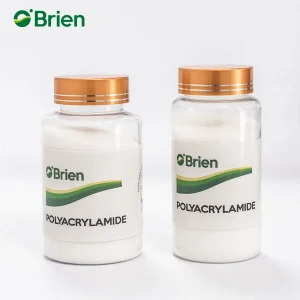
Complete Cationic, Anionic, and Nonionic Formulations Available for Immediate Export
Optimizing Solution Preparation, Preventing Polymer Degradation, and Maximizing Chemical Yield
Selecting the optimal Cationic Polyacrylamide charge density and molecular weight requires structured bench-scale jar testing using actual plant wastewater or sludge samples. Oubo's engineering team recommends the following 4-step protocol prior to full-scale plant dosing in Algerian facilities:
In Southern Algerian industrial sites where ambient summer temperatures exceed 45°C and groundwater TDS (Total Dissolved Solids) can surpass 5,000 mg/L, standard polymers lose viscosity rapidly. Oubo's specialized heat-resistant CPAM grades incorporate salt-tolerant hydrophobic monomer blocks that maintain spatial polymer chain extension in brackish water, preventing viscosity loss and ensuring consistent sludge dewatering cakes.
Technical & Commercial Answers for Algerian Industrial Procurement Specialists
When stored in original unopened, multi-layer moisture-proof packaging in a cool, dry, ventilated warehouse below 35°C, Oubo's dry powder CPAM has a shelf life of 24 months. Aqueous solutions prepared on-site should ideally be consumed within 24–48 hours to prevent biological degradation and charge reduction.
Selection depends directly on the organic ratio and surface charge of your sludge or wastewater. High organic sludges (e.g., biological municipal sludge, food processing waste) require medium to high cationic charge (30%–60%) to effectively neutralize negative charges. Inorganic or primary industrial sludges typically require low cationic charge (10%–20%) combined with high molecular weight for bridging.
Direct ocean freight from Qingdao Port, China, to main Algerian ports—including Algiers Port, Oran, Skikda, and Bejaia—typically takes 18 to 25 days depending on the carrier line. We provide full shipping documentation including bill of lading, Certificate of Analysis (COA), Certificate of Origin, and pre-shipment inspection certificates as required by Algerian customs.
Yes. Our technical center can analyze water or sludge samples sent from your facility in Algeria and formulate custom polymer blends tailored to your specific salinity, pH, shear rate, and dewatering equipment (centrifuge, belt press, or filter press).
Contact Oubo Chemical's engineering team today for technical data sheets, free sample testing, and competitive CIF/DDP quotes.
 Oubo Chemical