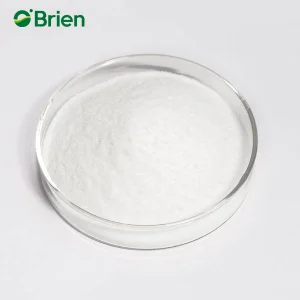
Direct Factory Supply to Kuala Lumpur, Selangor Industrial Zones, and Southeast Asian Water Infrastructure Projects
Kuala Lumpur and the surrounding Klang Valley region (spanning Shah Alam, Puchong, Klang Port, and Petaling Jaya) represent the economic engine of Malaysia. As rapid industrial expansion coincides with rigorous environmental governance enforced by the Malaysian Department of Environment (DOE) under the Environmental Quality Act 1974, industrial facility operators and municipal utility providers face mounting demands for high-efficiency solid-liquid separation solutions.
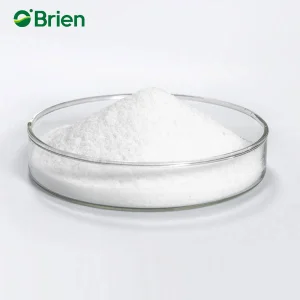
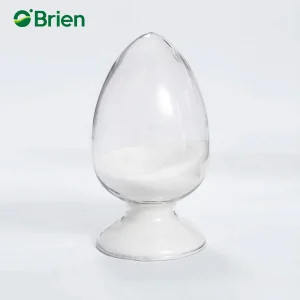
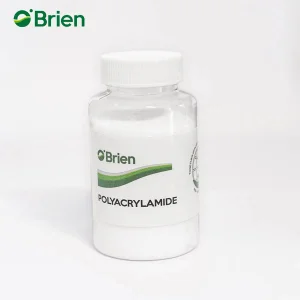
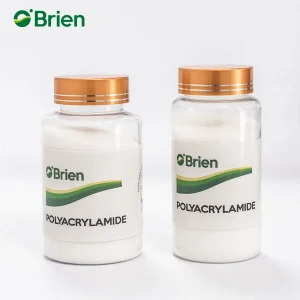
Cationic Polyacrylamide (CPAM)—a linear water-soluble polymer synthesized through the copolymerization of acrylamide and cationic monomers such as DAC (Acryloyloxyethyltrimethyl ammonium chloride) or DMC (Methacryloyloxyethyltrimethyl ammonium chloride)—serves as a vital chemical agent for municipal sludge dewatering, Palm Oil Mill Effluent (POME) polishing, and industrial wastewater clarification throughout Selangor and Federal Territories.
Information Gain Analysis: In humid tropical climates like Kuala Lumpur, polymer dissolution rate and hygroscopic resistance during storage are paramount. Oubo Chemical’s specific micro-bead powder formulation resists clumping in high-humidity ambient conditions, delivering a consistent dissolution time of under 45 minutes.
| Industrial Sector | Primary Regional Hubs | Effluent Characteristics | Recommended CPAM Specification |
|---|---|---|---|
| Palm Oil Processing (POME) | Selangor / Port Klang Hinterland | High organic load, acidic pH, fatty sludge solids | Medium-High Charge Density (40%-60%), Ultra-High MW (10-12 Million) |
| Municipal Sewage (IWK Standards) | Kuala Lumpur Metropolitan Area | Biological digested sludge, activated sludge | Medium Charge Density (20%-40%), High MW (12 Million) |
| Textile & Dyeing Facilities | Bangi / Kajang Industrial Areas | Complex dye molecules, high COD, variable pH | Low-Medium Charge Density (10%-30%), Fast-Solubility Powder |
| Pulp & Paper Mills | Shah Alam / Rawang | Fine fibers, high anionic trash background | Customized Cationic Retention Aid & Dewatering Powder |
Understanding Molecular Weight, Charge Density Titration, and Bio-Enzymatic Synthesis
Our third-generation bio-catalytic enzymatic technology avoids copper catalyst impurities, yielding higher purity monomer with negligible acrylamide toxicity (<0.05% monomer residual).
Cationic polymers utilize positive quaternary ammonium sites to rapidly neutralize negative zeta-potentials on suspended solids, initiating rapid micro-floc aggregation.
Reduced energy consumption during synthesis, combined with highly compressed dry cake output, minimizes downstream transport emissions for waste disposal.
Polyacrylamide (PAM) is a synthetic polymer prepared by polymerizing acrylamide monomers. In its cationic form, quaternary ammonium functional groups are incorporated along the polyacrylamide backbone. When dosing CPAM into complex wastewater suspensions, three distinct chemical mechanics occur concurrently:
As the global chemical supply chain faces volatile raw material prices, China’s fully integrated petrochemical supply chain provides unprecedented stability and cost advantages. Located in the Free Trade Zone of Qingdao, Qingdao Oubo Chemical Co., Ltd. leverages direct pipeline integration with primary monomer producers (such as SINOPEC and Eni partners).
Through fully automated, computer-controlled polymerization lines, Oubo achieves annual production capacity breaking through 50,000 Tons while keeping production variances near zero. For global buyers and Malaysian importers in Kuala Lumpur, this translates to high-purity chemical consistency at competitive direct-factory pricing.
World-leading Polyacrylamide Manufacturer Committed to Quality, Environmental Responsibility, and Global Supply Reliability
Oubo Chemical Co., Ltd was established in 2011, located in the strategic Free Trade Zone of Qingdao, China. Over more than a decade of focused growth, Oubo has maintained a consistent annual business expansion rate of 10%, backed by ISO9001:2008 quality management certification.
We specialize in manufacturing and supplying Cationic Polyacrylamide, Anionic Polyacrylamide, and Nonionic Polyacrylamide. Our production facilities feature patented biological production methods, backed by an annual R&D investment of over €2 million dedicated to polymer chemistry advancements and application engineering.
Quality Guarantee: All raw materials are sourced globally from tier-1 suppliers including SINOPEC and Eni. Production lines are 100% automated, and every product batch undergoes 3 rigorous QC inspections before dispatch.
Whether serving municipal water authorities or global industrial giants, our dedicated technical team joins in pre-sales analysis, jar testing selection, sales logistics, and post-sales technical support to ensure your treatment facility achieves maximum operational efficiency.
Lower residual acrylamide monomer content for compliance with international safety and environmental regulations.
Direct sea-freight routes from Qingdao FTZ to Port Klang (Kuala Lumpur), ensuring short lead times and reduced transit costs.
Custom polymer formulation matching specific sludge profiles across municipal, palm oil, and manufacturing effluents.
Moisture-proof, High-Durability Packaging Engineered for Long-Distance Ocean Freight and Tropical Climate Storage
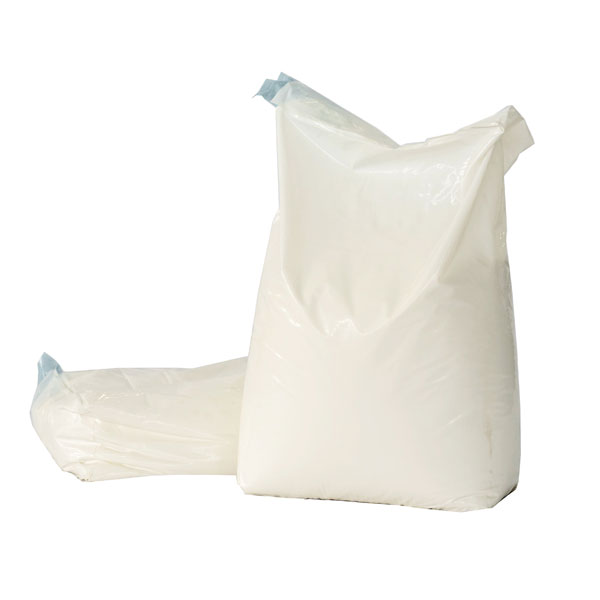
Neutral multi-wall kraft paper or woven bag, perfect for local re-branding and custom distributor labeling in Malaysia.
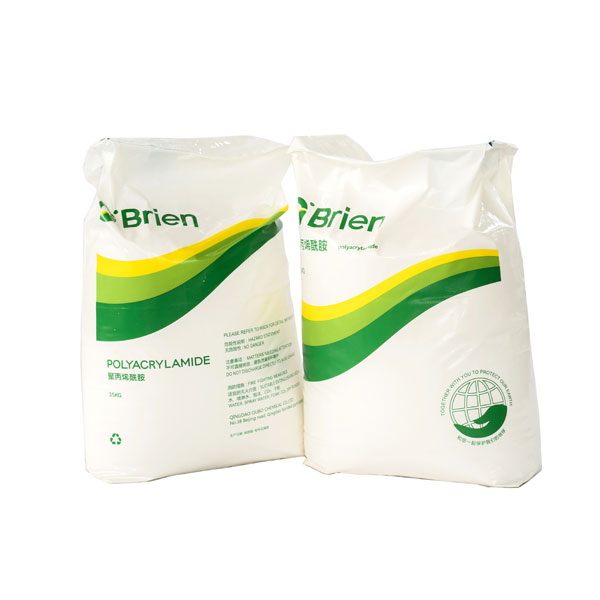
25kg high-strength kraft paper bag with inner polyethylene moisture barrier, standard printed international batch code.
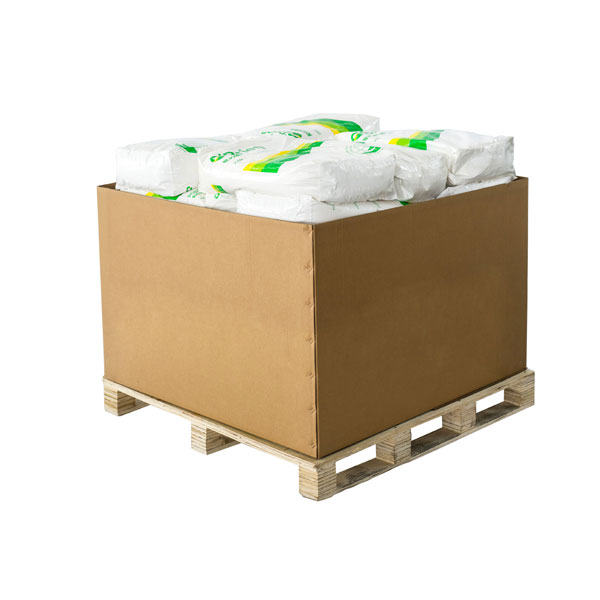
Heavy-duty ton bags with top discharge spouts, optimized for high-volume automated dosing systems in large municipal facilities.
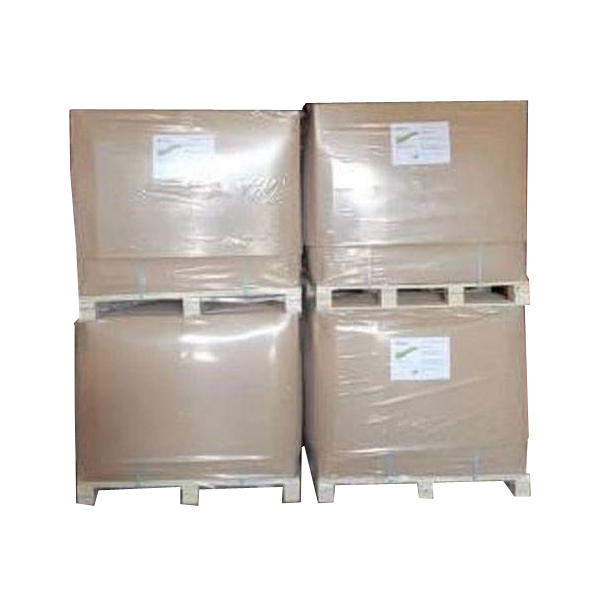
Fumigated wooden or plastic pallets, shrink-wrapped for maximum stability and protection during container sea transport.
Engineered Polymer Formulations for Diverse Industrial Solid-Liquid Separation Needs
As a leading flocculating agent, Cationic Polyacrylamide plays an essential role in settling, clarification, thickening, and sludge dewatering processes. For municipal sewage plants across Kuala Lumpur and industrial wastewater treatment, increasingly stringent Malaysian Department of Environment regulations demand exceptional solid capture rates.
Our CPAM products deliver ultra-fast flocs creation, compact sludge cake formation, and clear filtrate water across municipal sewage, tanneries, paper mills, citric acid facilities, vegetable protein extractions, and pharmaceutical manufacturing.
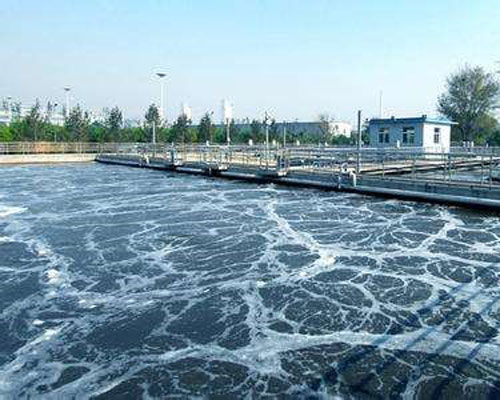
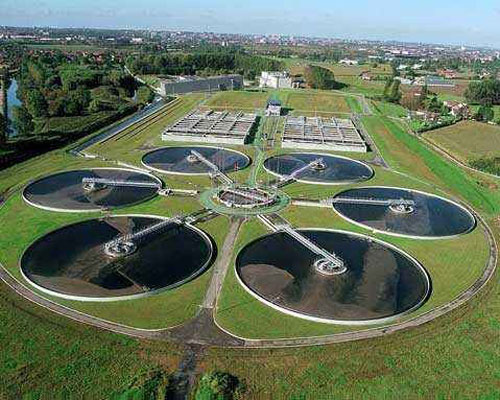
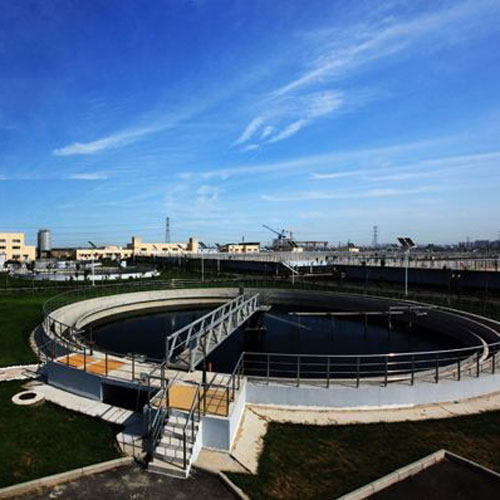
In the paper industry, cationic polyacrylamide serves as dry strength agents, retention aids, and filter aids. By adding small quantities of specialized CPAM to paper pulp, manufacturers dramatically enhance paper physical strength, reduce fine fiber loss, and improve white water clarification efficiency during deinking processes.
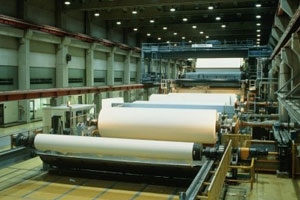

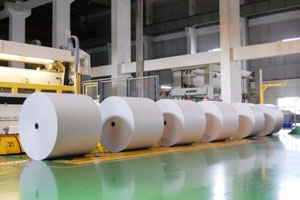
Oilfield Sector: Polyacrylamide polymers are critical additives in EOR (Enhanced Oil Recovery), profile control, fluid loss reduction, shale inhibition, and drilling string lubrication.
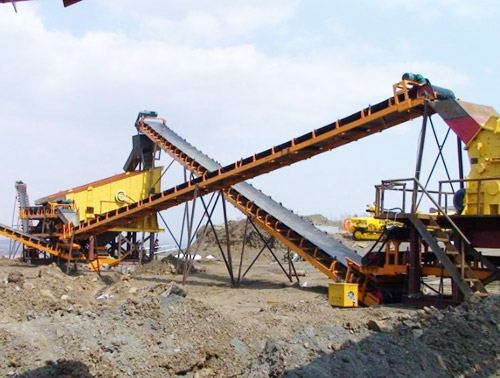
Mining Sector: Widely deployed in solid-liquid filtration, centrifugation, coal washing, and tailing pond clarification across copper, gold, iron, and nickel recovery operations throughout Southeast Asia.
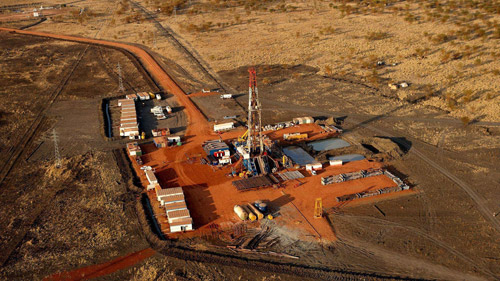


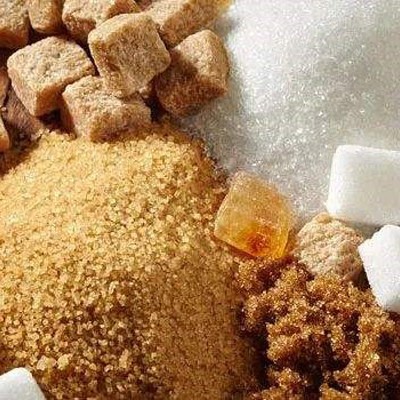
Sugar Refining: Serves as an effective clarification and flotation flocculant in raw juice clarification, accelerating mud settling speed.
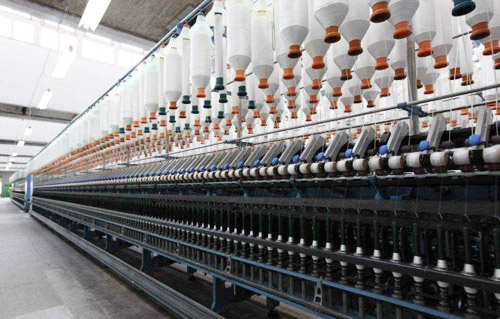
Textile Industry: Functions as a high-performance fabric sizing agent, finishing agent, and specialized flocculant for decoloring high-chroma textile dyeing wastewater.

Serving Kuala Lumpur, Port Klang, and International Industrial Buyers with Tailored Polymer Solutions
Standard Operating Procedure for Optimizing CPAM Dosage in Wastewater Plants
When sourcing Cationic Polyacrylamide from China factories to Port Klang (Kuala Lumpur), global procurement directors should verify the following parameters on the Certificate of Analysis (COA):
Addressing Technical, Operational, and Logistical Inquiries for Kuala Lumpur & Global Buyers
Cationic Polyacrylamide (CPAM) carries positively charged functional groups, making it ideal for organic-rich negatively charged sludge dewatering (such as municipal sewage and palm oil effluent). Anionic Polyacrylamide (APAM) carries negative charges, primarily used for inorganic mineral suspensions and high-pH industrial wastewater. Nonionic Polyacrylamide (NPAM) has minimal ionic charge, suited for acidic industrial wastewater and soil stabilization.
With direct sea freight vessels running weekly from Qingdao Free Trade Zone Port to Port Klang, transit time is typically 10 to 14 days. Including customs clearance and local trucking into Selangor or Kuala Lumpur industrial estates, total delivery lead time ranges between 18 and 22 days.
POME sludge typically contains high organic loads and fatty acids with strong negative zeta potential. Generally, medium-to-high cationic charge degrees (40% to 60% cationicity) combined with high molecular weight (10 to 12 Million MW) deliver optimal decanter centrifuge dewatering performance. We recommend sending a 1L sludge sample to Oubo's laboratory for free jar testing.
Yes. We offer complete OEM services including Blank-Bag neutral packaging, customized multi-wall printed bags with your brand name, and palletized bulk packaging options compliant with Malaysian customs standards.
Unopened dry CPAM powder has a shelf life of 24 months. Because dry polyacrylamide is hygroscopic, bags should be stored in a cool, dry, ventilated warehouse away from direct sunlight and humidity. Once opened, bags should be tightly sealed to prevent moisture absorption and caking.
Oubo Chemical operates under ISO9001:2008 quality management certification. Every batch of polyacrylamide undergoes 3-stage QC testing (monomer residual, intrinsic viscosity, and dissolution rate) before issuance of COA documentation.
Contact Oubo Chemical’s application engineering team today for custom formulation matching, factory pricing, and rapid shipping to Kuala Lumpur & worldwide ports.
 Oubo Chemical