Our core anionic polyacrylamide (APAM) formulations engineered specifically for high-solids flocculation, retention enhancement, and industrial wastewater treatment in compliance with European standards.
An authoritative analysis of polymer chemistry, regional regulatory frameworks (EU REACh, WHG), and advanced solid-liquid separation dynamics across Germany's industrial clusters.
Anionic Polyacrylamide (APAM) is a linear, water-soluble high-molecular-weight polymer synthesized via the copolymerization of acrylamide monomers and acrylic acid (or sodium acrylate). The functional carboxylate groups (–COO⁻) along the polymer backbone introduce negative ionic charges in aqueous solutions, generating electrostatic repulsions that extend the polymer chain into a highly flexible, linear conformation.
This extended spatial conformation maximizes the probability of adsorption onto positively charged or neutral suspended particles through charge neutralization, hydrogen bonding, and inter-particle bridging. In German municipal wastewater treatment plants (*Kläranlagen*) and heavy chemical process streams, this mechanism facilitates rapid micro-floc aggregation into dense, large macro-flocs, significantly enhancing sedimentation velocity and centrifuge dewatering efficiencies.
Operating within Germany requires absolute compliance with strict environmental legislation, including the Wasserhaushaltsgesetz (WHG - Federal Water Act) and the Abwasserverordnung (AbwV - Wastewater Ordinance). Polymers introduced into German industrial loops must feature exceptionally low residual acrylamide monomer (AMD) concentrations (< 500 ppm, with specialized drinking-water grade options < 250 ppm).
Oubo Chemical's bio-catalytic manufacturing process eliminates toxic chemical catalysts, yielding ultra-pure APAM powders that adhere strictly to EU REACh regulations (Registration, Evaluation, Authorisation and Restriction of Chemicals). This ensures German industrial engineers can seamlessly integrate our polymers into closed-loop water recovery systems without regulatory friction.
Customized polymer solutions designed to meet the rigorous process demands of Germany’s core industrial clusters—from North Rhine-Westphalia to Bavaria.
High-density industrial effluent treatment across NRW’s chemical parks (*Chemieparks*). Our high molecular weight APAM accelerates clarification in biological aeration tanks and secondary settling basins, reducing chemical oxygen demand (COD) and total suspended solids (TSS) in accordance with German *AbwV Anhang 22* guidelines.
German paper mills utilizing recycled fibers require high-efficiency retention aids and dry/wet strength agents. Oubo APAM optimizes fine fiber retention, speeds up wire dewatering on high-speed paper machines, and clarifies process white water to minimize raw fiber loss.
Automotive metal-working, electroplating, and paint-shop rinse waters generate complex oily emulsions and heavy metal precipitates. Hydrolyzed anionic polyacrylamide forms rapid, shear-resistant flocs when combined with inorganic coagulants (PAC/Alum), enabling rapid sludge filtration.
Explore our standardized product grades tailored for varied liquid-solid separation equipment including belt filter presses, decanter centrifuges, and gravity thickeners.
| Product Grade | Ionicity / Charge Degree | Molecular Weight (Million) | Solid Content (%) | Dissolution Time (Mins) | Primary Applications |
|---|---|---|---|---|---|
| OUBO-APAM Low-Charge | Low (10% - 20%) | 16 - 22 Million | ≥ 88% | ≤ 50 mins | Clay & mineral washing, inorganic effluent sedimentation, acidic industrial wastewater. |
| OUBO-APAM Medium-Charge | Medium (20% - 40%) | 18 - 25 Million | ≥ 89% | ≤ 45 mins | Municipal wastewater secondary settling, paper mill white water clarification, sugar juice floatation. |
| OUBO-APAM High-Charge | High (40% - 70%) | 12 - 18 Million | ≥ 88% | ≤ 40 mins | High-alkalinity wastewater, textile dyeing effluent, steel mill scale pit wastewater treatment. |
| OUBO-APAM Ultra-High MW | Medium-Low (15% - 30%) | 22 - 28 Million | ≥ 90% | ≤ 60 mins | Enhanced Oil Recovery (EOR), tertiary oil recovery, high-shear mechanical dewatering. |
Combining Qingdao Free Trade Zone logistical efficiencies with bio-catalytic chemical synthesis to deliver unmatched price-performance ratios to the European market.
Unlike legacy chemical hydration processes using copper catalysts, Oubo utilizes proprietary third-generation biological enzymatic catalysis to convert acrylonitrile to acrylamide monomer. This process operates under ambient temperatures with zero toxic heavy-metal contamination, resulting in higher polymerization conversion, superior chain linearity, and ultra-high molecular weight consistency.
Every batch of APAM leaving our Qingdao facility undergoes strict 3-phase quality control verification: raw material gas chromatography, inline polymerization reaction viscosity tracking, and post-drying mesh size and dissolution speed validation. Our certified ISO 9001:2008 laboratory ensures zero deviation from customer specifications.
Situated inside the Qingdao Free Trade Zone, Oubo leverages direct maritime shipping routes to major European container hubs including Hamburg, Bremerhaven, and Rotterdam. We provide flexible incoterms (FOB, CIF, DDP) complete with full EU customs documentation, SDS, and Certificate of Analysis (CoA).
Our technical team does not simply supply powder—we perform customized jar testing, dosage optimization, and flocculation velocity analysis. We help German plant managers optimize dry feeder polymer preparation units (*Ansetzanlagen*), lowering total polymer consumption per dry ton of sludge.
Explore how Oubo Polyacrylamide solutions drive efficiency across global and German industrial sectors.
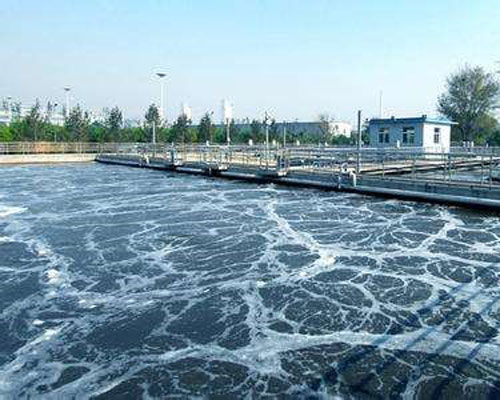
Used extensively as a primary flocculant in industrial solid-liquid separation, sedimentation, clarification, and sludge dewatering. Essential for municipal sewage facilities, tanneries, dye houses, and pharmaceutical effluent systems under stringent regulatory oversight.
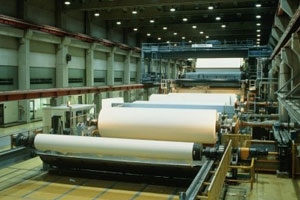
Functions as a retention aid, drainage promoter, anionic trash catcher, and dry strength agent. Improves sheet formation, increases short fiber retention rates, and significantly reduces raw material loss in paper machine white water circuits.
Crucial for Enhanced Oil Recovery (EOR), drilling fluid friction reduction, shale inhibition, profile control, and fracturing fluid additives. Provides high temperature stability and salt resistance under severe subterranean conditions.
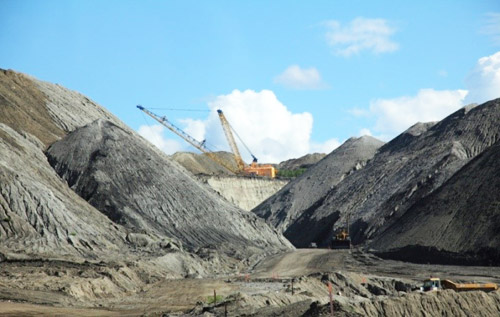
Accelerates solid-liquid separation in coal washing tailings, iron, copper, gold, and aluminum ore slurry settling. Enhances filtration rates and centrifugal cake dryness in mineral processing circuits.
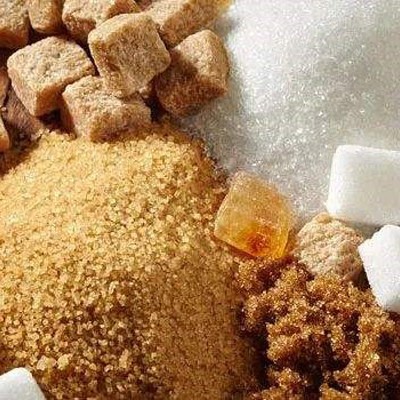
Specially formulated ultra-low monomer APAM used for juice clarification, floatation, and mud settling in cane and sugar beet refining. Complies with food-contact chemical safety guidelines.
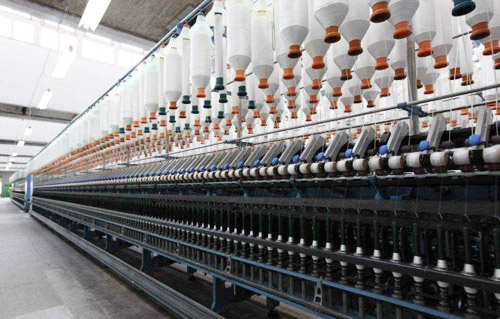
Functions as an effective textile sizing agent, finishing auxiliary, and fabric treatment component. Provides smooth film formation, anti-static properties, and high weaving efficiency on modern high-speed looms.
Moisture-proof, reinforced, and palletized packaging configured for international ocean transit and standard European warehouse handling.
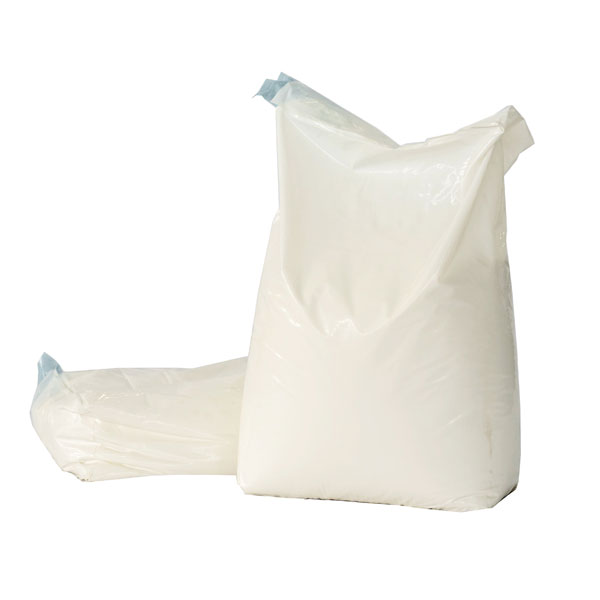
25kg multi-wall paper-plastic composite bags for white-label distributors.
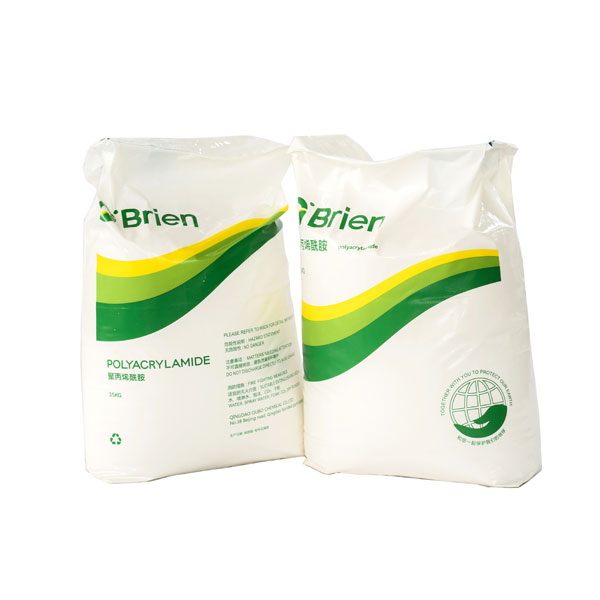
25kg reinforced PE inner-lining bags featuring standard batch and lot tracking.
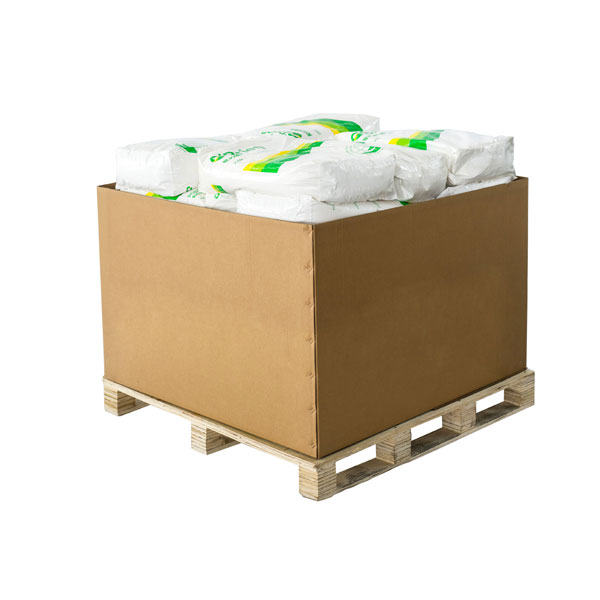
Bulk ton bags designed for automated dry-powder dosing feed silos.
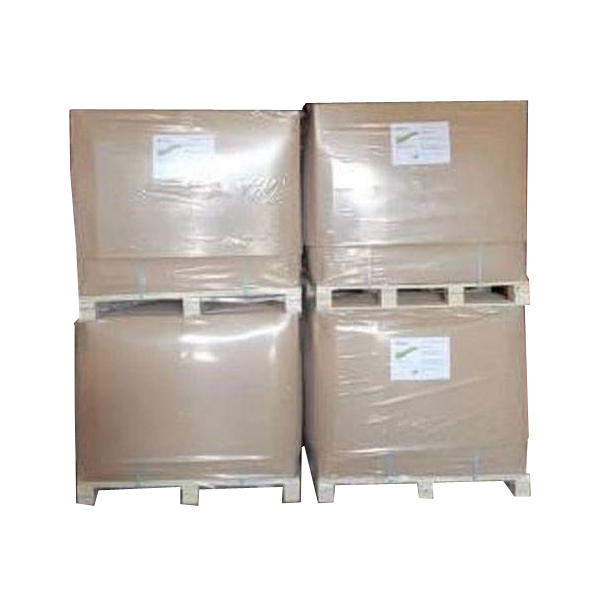
ISPM-15 compliant wooden/plastic pallets secured with protective stretch film.
Browse our complete spectrum of cationic, anionic, and nonionic polyacrylamides engineered for global wastewater, papermaking, oilfield, and mining applications.
Clear, authoritative answers to common inquiries from European plant engineers, compliance directors, and chemical buyers.
Optimize your industrial wastewater treatment, paper production, or mining operations with high-purity APAM engineered for global performance.
Send Inquiry Now Oubo Chemical