Direct Factory Wholesale Solutions for Wastewater Treatment, Oilfield Operations, and Industrial Processing
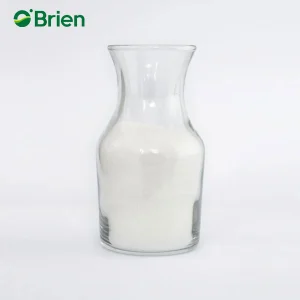
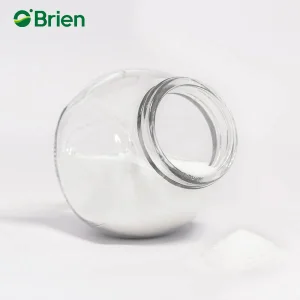
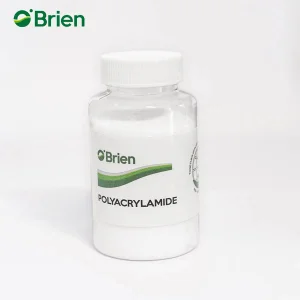
Comprehensive Analysis of Molecular Architecture, Isoelectric Behavior, and Industrial Coagulation Mechanisms
Zwitterionic Polyacrylamide (ZPAM), also frequently designated as amphoteric polyacrylamide, represents the pinnacle of modern synthetic polymer chemistry for liquid-solid separation processes. Unlike traditional single-charge polymers—such as Anionic Polyacrylamide (APAM) or Cationic Polyacrylamide (CPAM)—ZPAM contains both cationic (positively charged) and anionic (negatively charged) functional groups randomly or block-distributed along the polymer's acrylamide backbone chain. This dual-polarity macromolecular architecture enables ZPAM to display extraordinary synergistic properties, superior salt tolerance, and adaptable charge neutralization across broad pH spectrums.
Synthesized via advanced bio-polymerization technology pioneered by leading global manufacturers like Oubo Chemical Co., Ltd., ZPAM overcomes the inherent operational limitations of classical flocculants when encountering high-salinity brines, complex organo-mineral colloids, acidic leach liquors, and heterogeneous refractory sludges. In industrial environments where fluid composition fluctuates dynamically, ZPAM operates as a self-adjusting polymer matrix capable of simultaneous charge neutralization, particle bridging, and hydrophobic interaction.
The core structural efficacy of Zwitterionic Polyacrylamide lies in its controllable cationicity (derived from monomers such as DAC, DMC, or MAPTAC) and anionicity (derived from acrylic acid or sodium acrylate). The balance between these functional groups establishes the polymer's unique isoelectric point (pI).
Under acidic operating conditions, carboxylate anion groups ($COO^-$) become protonated into non-ionic carboxyl groups ($COOH$). The polymer shifts toward net positive charge domination, functioning as a high-charge cationic agent ideal for negatively charged biological and mineral slurries.
At its isoelectric point, internal ion pairing between quaternary ammonium cations and carboxylate anions leads to intramolecular charge satisfaction, causing the polymer coil to adopt a compact, shear-resistant conformation highly effective for hydrodynamic drag reduction.
In basic fluids, quaternary ammonium groups maintain positive charge while carboxylate groups fully ionize. The expansion of the polymer backbone via electrostatic repulsion increases hydrodynamic volume, accelerating solid bridging and rapid flocs formation in high-solids waste streams.
Selecting the optimal polymer reagent requires a comparative analysis of molecular weight, ionic density, salt resistance, and thermal tolerance. The matrix below outlines how ZPAM outperforms traditional ionic classes in complex applications:
| Polymer Parameter | Zwitterionic PAM (ZPAM) | Cationic PAM (CPAM) | Anionic PAM (APAM) | Nonionic PAM (NPAM) |
|---|---|---|---|---|
| Charge Configuration | Simultaneous Cationic & Anionic | Positively Charged Only | Negatively Charged Only | Neutral / Near-Zero Charge |
| Salt Tolerance (TDS > 50,000 ppm) | Exceptional (Anti-polyelectrolyte effect) | Poor to Moderate (Chain coiled) | Moderate (Viscosity drops) | Good |
| Sludge Dewatering Efficacy | Superior for Complex/Mixed Sludge | Standard for Municipal Sludge | Ineffective for Organic Sludge | Limited Dewatering Rate |
| Shear Stability | Ultra-High (Intramolecular cross-links) | Moderate | Moderate | High |
| Optimal Operating pH Range | Broad: 2.0 – 12.0 | Strict: 4.0 – 8.5 | Strict: 6.0 – 10.0 | Broad: 1.0 – 8.0 |
| Relative Cost-Benefit Index | High Efficiency / Reduced Dosage | Standard Bulk Requirement | Lowest Chemical Unit Cost | Specialized Niche Cost |
Strategic Supply Chain Dynamics, Export Efficiencies, and Eco-Friendly Manufacturing Innovations
The global demand for high-performance polyacrylamide derivatives is experiencing rapid growth, driven by stringent environmental protection standards, Zero Liquid Discharge (ZLD) mandates, enhanced oil recovery (EOR) initiatives, and expanding municipal infrastructure projects across North America, Europe, Asia-Pacific, and the Middle East. With water scarcity becoming a critical economic challenge globally, industries are transitioning from basic coagulants to high-efficiency synthetic polymers like Zwitterionic Polyacrylamide to achieve faster solid-liquid separation, higher filter cake dryness, and reduced sludge disposal volumes.
As a global leader in polyacrylamide production, Qingdao Oubo Chemical Co., Ltd. (established in 2011, located in the Free Trade Zone of Qingdao, China) represents the gold standard of chemical manufacturing. Operating within a designated tax-free port zone provides unmatched international shipping logistics, expedited container handling, and seamless export compliance.
Key structural competitive advantages include:
Uncompromising Commitment to Quality, Technical Excellence, and Customer Satisfaction
Qingdao OUBO Chemical Co., Ltd. is the leading manufacturer of Polyacrylamide in the world. We use biological methods to produce polyacrylamide, supported by proprietary patents. We put €2 hundred million into research to ensure continuously advanced technical accumulation.
Global supply chain integration. All raw materials are sourced globally from market leaders like SINOPEC and Eni. Production lines are 100% automated. All products comply with ISO9001 standards, and each batch is tested 3 times prior to shipment by our dedicated QC team.
We have specialized in manufacturing Polyacrylamide for over a decade with superior quality and competitive pricing. Our technical engineers join pre-sales, sales, and post-sales processes to support product selection, jar testing, and field optimization.
Our dedicated technical application team partners directly with your plant managers to provide tailor-made laboratory screening, dosing pump setup, dissolution system design, and continuous troubleshooting to maximize operational efficiency.
Engineered Solutions Across Water Treatment, Energy, Mining, Papermaking, and Textiles
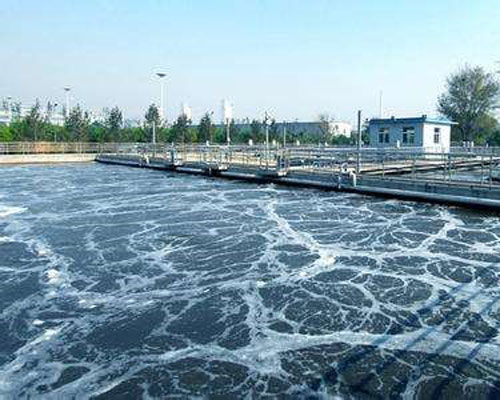
Used as an advanced flocculating agent in solid-liquid separation processes including sedimentation, clarification, thickening, and sludge dewatering. Highly effective in municipal sewage plants, leather tanneries, paper mill effluent, citric acid manufacturing, vegetable protein extraction, dyeing units, and pharmaceutical waste streams where organic loading is extremely high.
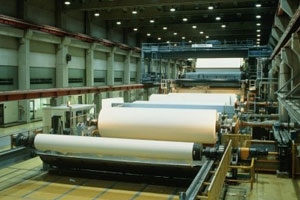
Serves as dry strength agents, retention aids, filter aids, and anionic garbage scavengers. ZPAM significantly improves short-fiber and filler retention rates, accelerates machine drainage speed, balances wet-end charge, enhances paper physical burst/tensile strength, and clarifies white water during de-inking recovery.
Crucial for Enhanced Oil Recovery (EOR), profile control, fluid loss reduction, shale inhibition, well cementing, and hydraulic fracturing fluids. ZPAM maintains excellent viscosity and anti-shear capabilities even under extreme downhole conditions of high temperature and high salinity (HTHS).

Essential for coal washing, tailings dewatering, pipe sealing, and solid-liquid centrifugation. Enables rapid sedimentation and clear supernatant recycling in hydrometallurgical processing for Gold, Silver, Iron, Nickel, Copper, and Lithium extraction operations.
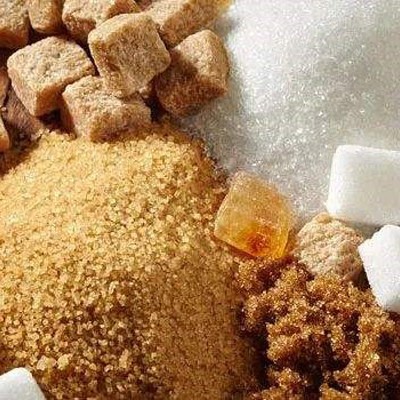
Applied in cane and beet sugar syrup clarification and flotation processes to remove suspended impurities, improve juice clarity, accelerate syrup filtration, and enhance overall sugar recovery rates without contaminating food-grade output streams.
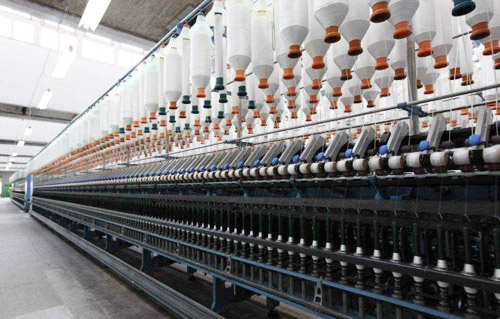
Acts as a high-performance sizing agent, finishing agent, and fabric treatment component. In textile dyeing wastewater treatment, ZPAM effectively decolorizes complex reactive dye effluents and flocculates colloidal suspended solids for safe environmental discharge.
Best Practices for Parameter Selection, Dissolution Setup, Storage, and Supply Chain Risk Management
When purchasing wholesale Zwitterionic Polyacrylamide or custom polymer formulations, corporate procurement officers and process engineers should specify key physical-chemical characteristics:
To avoid shear degradation or polymer fish-eyes during preparation:
Standardized, Moisture-Proof, and Custom Logistics Packaging Options
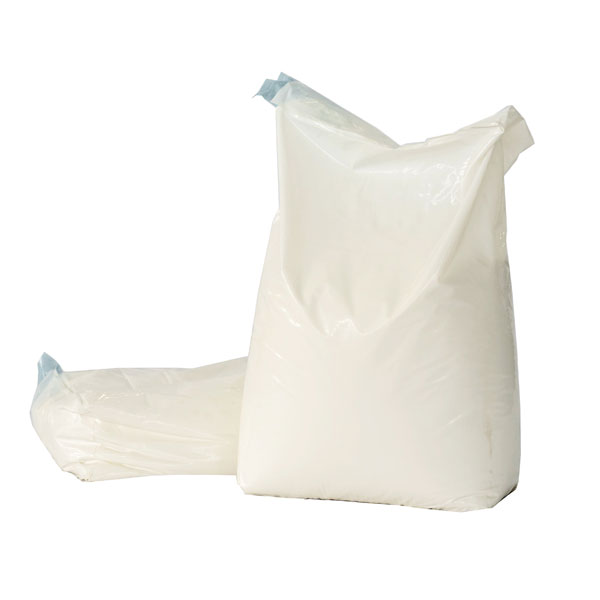
25kg Kraft paper or PE inner bags with neutral unbranded outer design for OEM distributors.
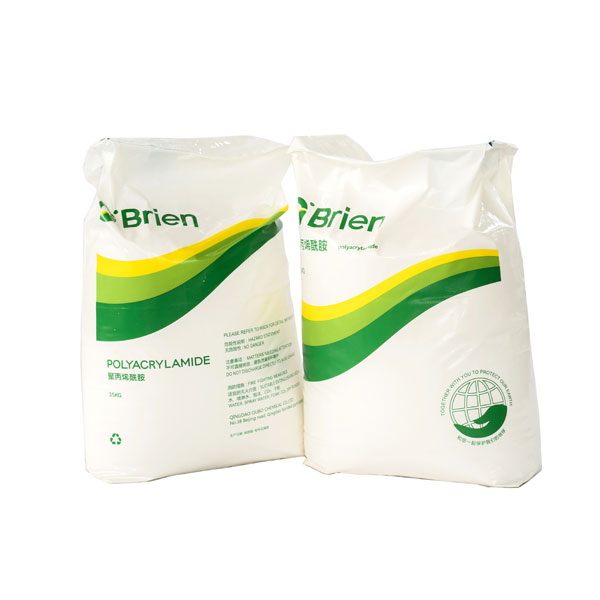
Standard Oubo printed multi-wall moisture-proof bags with multilingual batch printing.
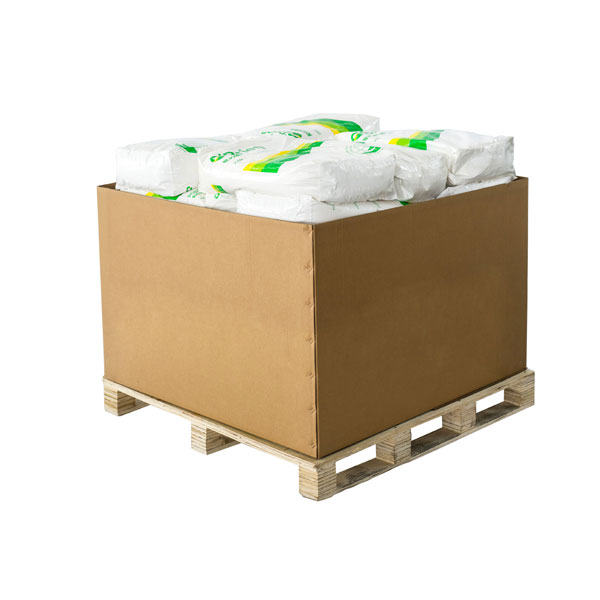
Heavy-duty ton bags equipped with bottom discharge spouts for large-scale mining/oilfield dosing systems.
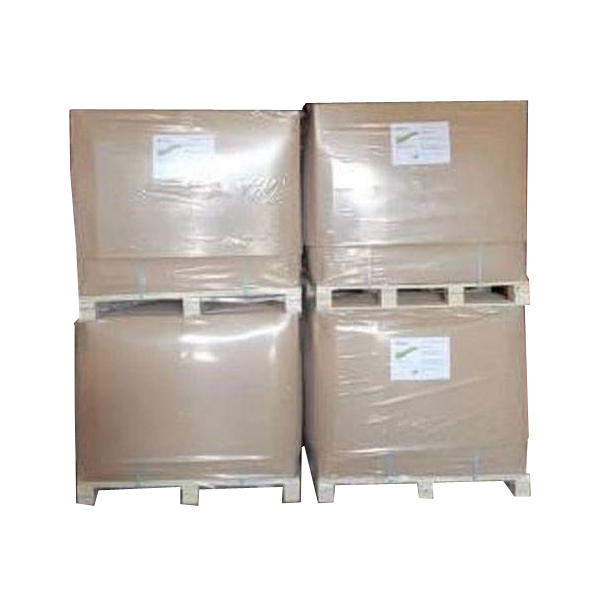
ISPM-15 compliant wooden/plastic pallets wrapped in shrink film for secure maritime container freight.
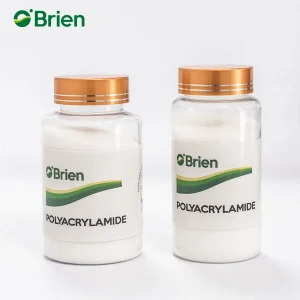
Explore Direct Factory Polymer Formulations Available for Global Supply
Expert Answers on Polyacrylamide Procurement, Field Applications, Chemistry, and Logistics
Zwitterionic Polyacrylamide (ZPAM) is an advanced amphoteric polymer containing both cationic and anionic functional groups on the same macromolecular backbone. Unlike CPAM (cationic only) or APAM (anionic only), ZPAM can adjust its net charge dynamically based on solution pH and salinity, offering superior performance in complex slurries with variable charge dynamics.
In high-salinity brines, conventional ionic polyacrylamides suffer from chain coiling and dramatic viscosity loss due to charge shielding. ZPAM exhibits the "anti-polyelectrolyte effect," where dissolved salts weaken internal ionic bonds between cationic and anionic sites, allowing the polymer chain to expand and maintain flocculation efficiency.
Dry powder polyacrylamide has a shelf life of 24 months when stored in original unopened, airtight packaging in a cool, dry, and well-ventilated area away from direct sunlight and heat (< 35°C). Once dissolved into liquid form, working solutions should be utilized within 24 to 48 hours to prevent biological degradation.
We recommend performing jar testing with representative effluent samples. Our technical support team at Oubo Chemical provides complimentary laboratory evaluation services to screen precise molecular weight (8M - 22M) and charge density ratios for your specific sludge or fluid matrix.
Standard 20-foot FCL (Full Container Load) carries 18 to 20 Metric Tons of palletized 25kg bags, or up to 22 Metric Tons unpalletized. Bulk 750kg jumbo bags allow fast mechanized unloading at destination ports.
Yes. Qingdao Oubo Chemical Co., Ltd. operates under ISO 9001:2008 Quality Management certification. Our bio-catalytic monomer technology drastically reduces unreacted acrylamide residue, ensuring full environmental compliance with EU and global discharge standards.
 Oubo Chemical