Direct from Qingdao Oubo Chemical Co., Ltd. - ISO 9001:2008 Certified Polymer Solutions
Strategic Overview of Water Chemistry Engineering and Global Supply Chain Ecosystems
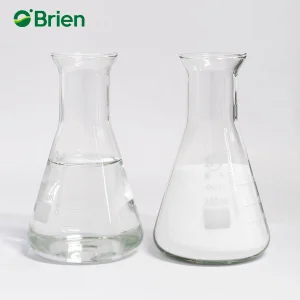
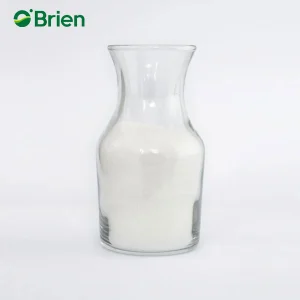
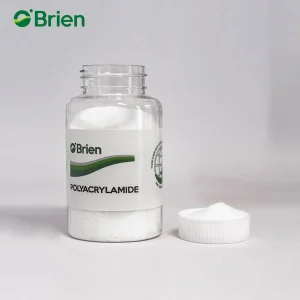
Polyacrylamide (PAM), designated by chemical formula (-CH2CHCONH2-)n, represents the cornerstone of modern industrial solid-liquid separation chemistry. As municipal effluent mandates tighten globally and mineral extraction faces declining ore grades, the global demand for high-purity synthetic polymer flocculants is expanding exponentially.
Key growth catalysts include accelerated urbanization in emerging markets, strict zero-liquid-discharge (ZLD) mandates in industrial hubs, and enhanced oil recovery (EOR) initiatives requiring ultra-high molecular weight water-soluble polymers.
Polyacrylamide is a linear synthetic resin prepared by the free-radical polymerization of acrylamide monomers. Its remarkable versatility stems from the tailored functionalization of its side chains, yielding three primary ionic configurations:
Engineered Polyacrylamide Formulations Tailored to Specific Colloidal Dynamics
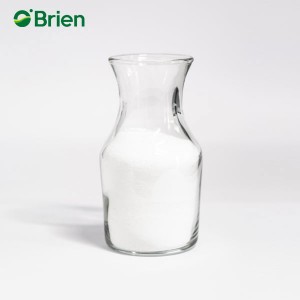
Mechanism: Charge neutralization and long-chain bridging on inorganic, positively charged particles.
Molecular Weight Range: 6 Million – 25 Million Daltons.
Hydrolysis Degree: 10% – 60% (Low to High Anionic Charge).
Primary Applications: Mining washings, industrial wastewater sedimentation, papermaking retention aid, sugar clarification, and sand washing.
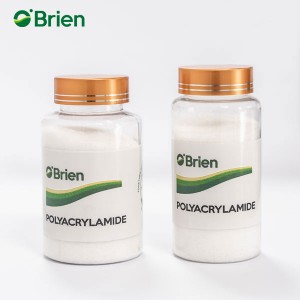
Mechanism: Rapid charge neutralization of negatively charged organic matter, facilitating dense flocs.
Molecular Weight Range: 8 Million – 15 Million Daltons.
Cationic Degree: 5% – 80% Ionicity.
Primary Applications: Municipal sludge dewatering (Belt press, Centrifuge, Screw press), textile effluent treatment, slaughterhouse wastewater, food processing sludges.
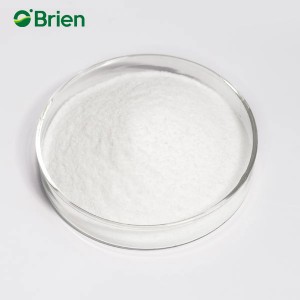
Mechanism: Adsorption hydrogen bonding across hydroxyl and amide sites without electrostatic repulsive forces.
Molecular Weight Range: 8 Million – 16 Million Daltons.
Charge Density: Neutral (< 2% Hydrolysis).
Primary Applications: Acidic wastewater treatment, soil water retention, acidic mineral leachates, paper pulp sizing additives.
| Polymer Variant | Ionic Type | Molecular Weight (MW) | Charge Density / Hydrolysis | Dissolution Time | pH Operating Range |
|---|---|---|---|---|---|
| Oubo APAM High MW | Anionic | 18 - 22 Million | 20% - 30% Hydrolysis | ≤ 60 Mins | 6.0 - 14.0 |
| Oubo CPAM Medium Charge | Cationic | 10 - 12 Million | 30% - 40% Ionicity | ≤ 45 Mins | 1.0 - 8.0 |
| Oubo NPAM Acid-Resistant | Nonionic | 9 - 12 Million | < 2% Hydrolysis | ≤ 60 Mins | 1.0 - 7.0 |
| Oubo EOR Grade APAM | Anionic | 25 - 30 Million | 15% - 25% Hydrolysis | ≤ 90 Mins | 7.0 - 11.0 |
Engineered Polyacrylamide Solutions for Complex Solid-Liquid Separation Environments
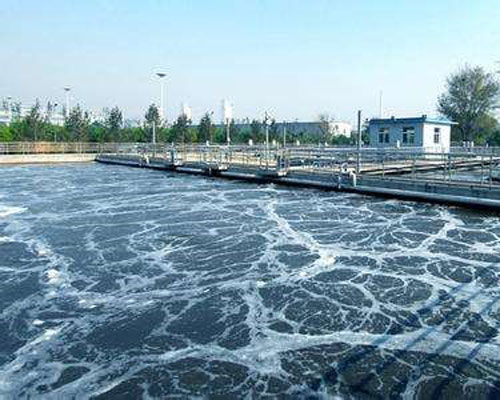
As a primary flocculating agent, Oubo PAM accelerates sedimentation, clarification, and sludge dewatering processes. Increasing global environmental regulations mandate strict discharge standards. Our polymers deliver rapid settling rates, crystal-clear supernatant, and ultra-dry sludge cakes in centrifuges and belt presses across municipal plants, tanneries, and pharmaceutical facilities.
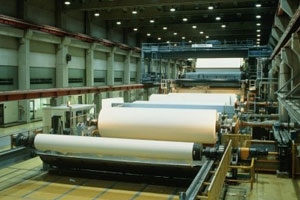
Serves as dry strength agents, retention aids, filter aids, and dispersants. By incorporating Oubo PAM into the wet end, paper manufacturers achieve enhanced fine fiber retention, accelerated wire dewatering, superior sheet uniformity, and effective anionic trash scavenging. This dramatically reduces raw material loss while boosting paper tensile and burst strength.
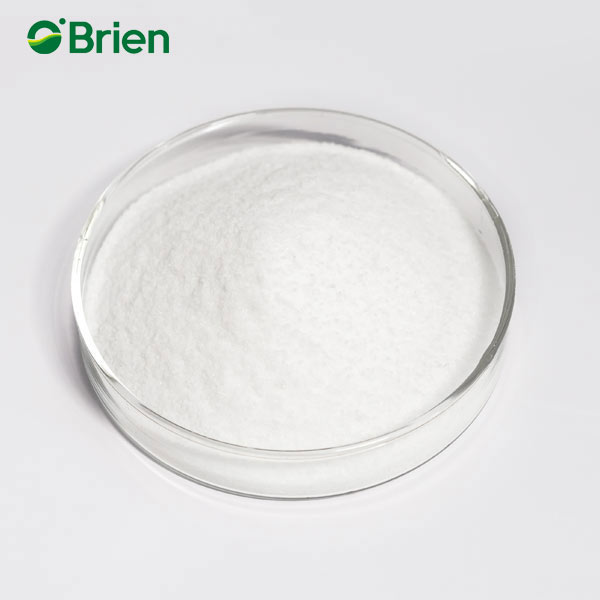
Extensively applied in Enhanced Oil Recovery (EOR), profile control, well-plugging, drilling muds, and hydraulic fracturing fluids. Oubo ultra-high MW polymers reduce fluid loss, stabilize shale structures, lubricate drill strings, enhance sweep efficiency, and flocculate oil sands tailings under high-temperature and high-salinity reservoir conditions.

Essential for coal washing tailings, mineral slurry thickening, and hydrometallurgical extraction of gold, copper, iron, alumina, and nickel. Our anionic and nonionic polymers facilitate rapid solid-liquid separation via filtration and centrifugation, allowing mining operations to recycle process water efficiently while compacting thickener underflow.
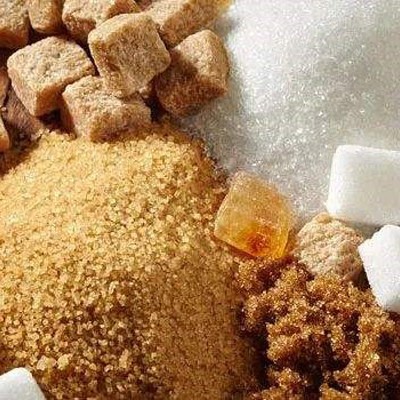
Used in the juice clarification and syrup flotation stages of sugarcane and sugar beet processing. High-purity food-grade anionic PAM accelerates the settling of suspended mud impurities without imparting toxic residues, optimizing sucrose yield and improving clarity prior to crystallization.
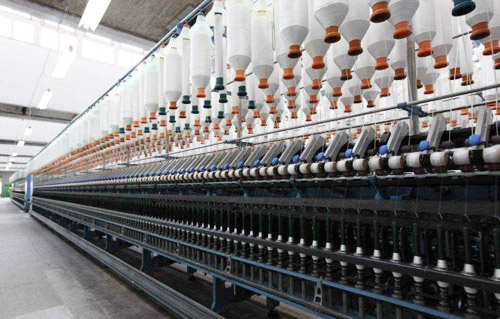
Functions as a warp sizing agent, fabric finishing auxiliary, and wastewater decolorization flocculant. Tailored cationic and anionic polymers effectively coagulate suspended dye molecules, organic sizing agents, and heavy surfactants from complex dye house effluents, dramatically lowering COD and BOD levels.
Over a Decade of Innovation, Global Compliance, and Technical Mastery
Established in 2011 inside the Free Trade Zone of Qingdao, China, Qingdao Oubo Chemical Co., Ltd. has grown at a steady rate of over 10% annually to become one of the premier global leaders in polyacrylamide synthesis. Operating automated state-of-the-art production lines certified under ISO 9001:2008, Oubo breaks through an annual capacity of 50,000 Metric Tons of high-performance polymer products.
Our core advantage lies in our patented biological monomer synthesis method, investing over €2 Million annually into R&D. We source premier raw materials globally from tier-one producers such as SINOPEC and Eni, ensuring pristine chemical purity and batch-to-batch consistency.
Utilizes microbiological enzymatic synthesis to produce acrylamide monomers, eliminating copper ions and minimizing monomer impurities for superior polymer chain length.
Every single manufacturing lot undergoes three stringent quality verification steps by our dedicated QC lab before export loading, ensuring compliance with global standards.
Our dedicated polymer engineers assist pre-sales selection, dosage optimization jar-tests, and on-site plant commissioning to guarantee optimal operational ROI.
Exporting to over 60 countries across North America, Europe, SE Asia, and the Middle East, backstopped by Qingdao Port's world-class maritime logistics hub.
Maximizing Polymer Performance and Avoiding Common Industrial Pitfalls
Proper dissolution is critical to unraveling PAM's long polymer chains without causing mechanical degradation or "fish-eye" agglomeration.
Determining exact dosage rates prevents chemical wastage and ensures rapid phase separation.
Robust Packaging Options Engineered for Long-Distance Ocean Freight and Extended Shelf Life
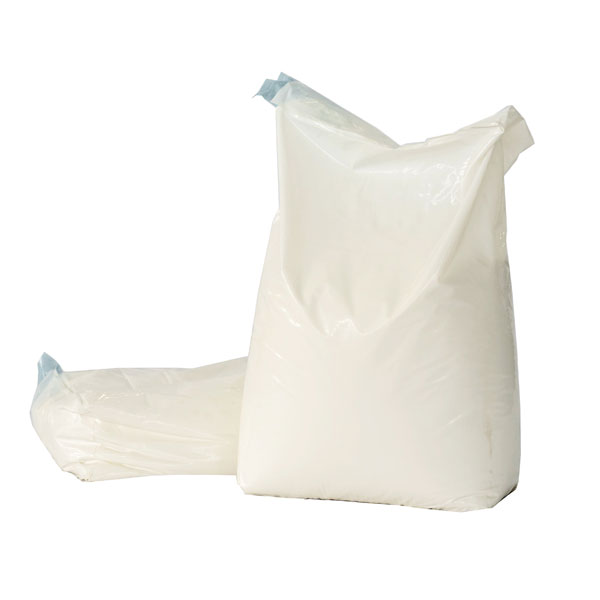
25kg Kraft or PE bags with inner moisture-proof liner. Ideal for re-branding or local OEM distribution.
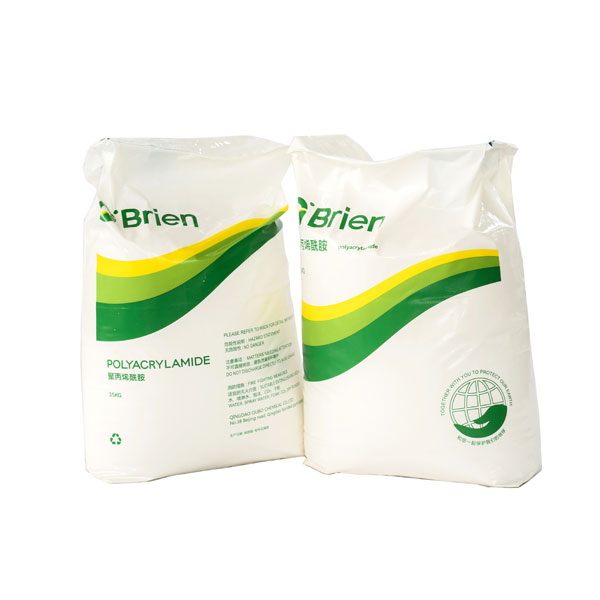
25kg high-strength woven polypropylene bags featuring clear batch numbers, specs, and ISO quality marks.
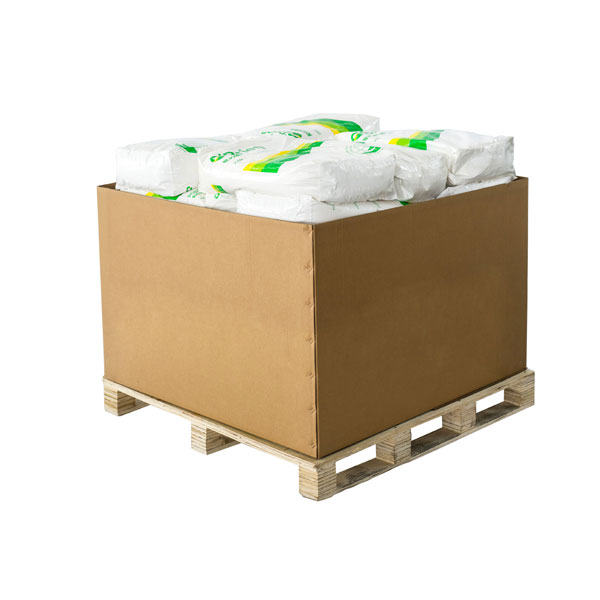
Heavy-duty FIBC ton bags equipped with top loading spouts and bottom discharge for automated dosing systems.
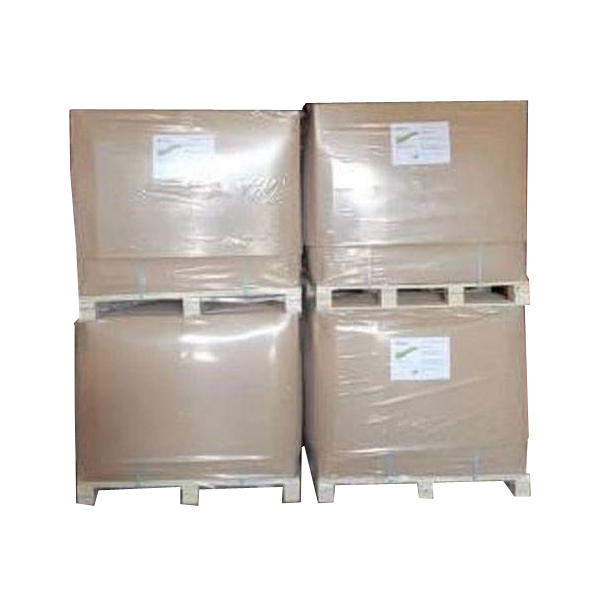
ISPM-15 compliant wooden or plastic pallets, shrink-wrapped with edge protectors for maximum ocean safety.
Pioneering Next-Generation Polyacrylamide Formulations for Circular Economies
Developing bio-derived feedstock routes to synthesize acrylamide, decreasing the carbon footprint of polymer production by up to 35% without sacrificing performance.
Integrating real-time turbidity and charge-density sensors with automated inline polymer preparation units to adjust dosing dynamically, saving up to 20% on chemical usage.
Formulating cross-linked hyper-branched polymer structures engineered for severe high-shear environments encountered in ultra-deep well drilling and high-speed centrifuges.
Direct Answers from Our Senior Water Treatment Chemical Specialists
Dry powder Polyacrylamide has an official shelf life of 24 months when stored in original, unopened packaging in a cool, dry, and ventilated warehouse below 35°C. Liquid emulsion variants generally have a shelf life of 6 to 12 months due to potential phase separation or hydrolysis over time. Once dissolved into an aqueous solution, PAM should be consumed within 24 to 48 hours for maximum effectiveness.
Selection depends primarily on the electrical charge of the suspended solids in your wastewater. Inorganic mineral suspensions (such as sand washing, coal tailings, or iron ore wash water) carry positive surface charges and respond best to Anionic PAM (APAM). Organic biological sludges (such as municipal sewage or food processing waste) carry negative charges, requiring Cationic PAM (CPAM). Highly acidic effluent or complex uncharged suspensions perform best with Nonionic PAM (NPAM). Bench jar tests are strongly recommended to confirm charge density requirements.
Oubo Chemical utilizes advanced bio-catalytic enzymatic polymerization, ensuring extremely low residual monomer (Acrylamide monomer - AM) levels. Standard industrial grades contain ≤ 0.05% (500 ppm) residual monomer, while specialty potable water and sugar refining grades can be manufactured to strictly adhere to international standards under ≤ 0.025% (250 ppm).
"Fish-eyes" occur when dry powder is dumped into water too quickly, causing the outer layer to hydrate into a dense gel shield that prevents water from penetrating the dry inner core. To prevent this, always utilize an automated dry-powder disperser or feed powder slowly into the center of a strong water vortex. Ensure continuous low-shear agitation until fully clear.
Yes. Our laboratory provides comprehensive reverse-formulation analysis. By analyzing a 200g sample of your existing polymer product, our R&D team can match its molecular weight, charge density, viscosity profile, and dissolution rate, delivering an exact equivalent at highly competitive direct-from-manufacturer wholesale pricing.
Explore Industrial Solutions for Paper, Petrochemical, Mining, and Municipal Water Treatment
 Oubo Chemical