Direct factory supply of high-grade Anionic, Cationic, and Nonionic Polyacrylamide solutions engineered for optimal solid-liquid separation.
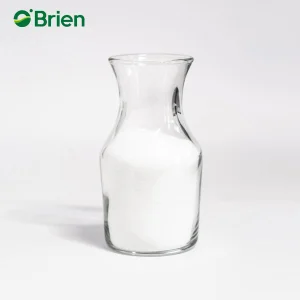
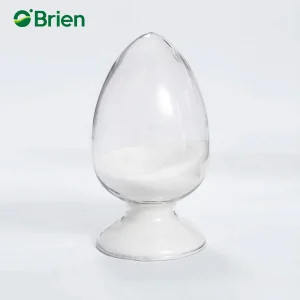
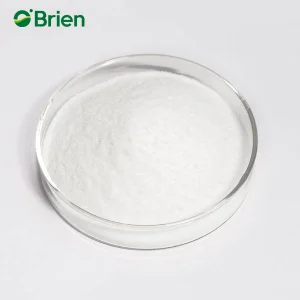
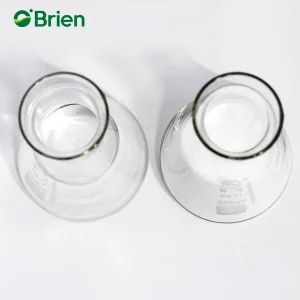
Established in 2011 inside the Free Trade Zone of Qingdao, China, Qingdao Oubo Chemical Co., Ltd. stands as a globally recognized manufacturer of Polyacrylamide (PAM) synthetic resins.
As global environmental mandates tighten and industrial process water reuse becomes paramount, selecting a high-performance, cost-effective water treatment flocculating agent is no longer merely an operational detail—it is a critical economic driver. Oubo Chemical combines advanced bio-catalytic monomer synthesis, state-of-the-art automated polymer lines, and an unyielding quality control framework to deliver world-class Cationic, Anionic, Nonionic, and Mannich polyacrylamides to over 30 countries.
Our operational framework is driven by continuous R&D accumulation. Investing significantly in modern biological production methods (holding proprietary patents), Oubo Chemical collaborates with world-tier chemical suppliers such as SINOPEC and Eni. Every batch undergoes 3-stage rigorous testing before dispatch, guaranteeing that molecular weight distributions, ionic charge densities, and residual monomer levels (< 0.05%) strictly conform to municipal and industrial discharge standards worldwide.
We utilize patented bio-catalytic acrylamide synthesis that operates under low temperatures. This ensures high purity, lower carbon emissions, and virtually zero copper residuals compared to traditional chemical routes.
Our integrated QC system continuously screens viscosity, charge density, insoluble matter, and dissolution rate across raw material intake, polymer polymerization, and final packaging.
Located in the Free Trade Zone of Qingdao, our plant yields over 50,000 MT annually. We provide optimized container loading, moisture-proof packaging, and express sample logistics globally.
Understanding ionic types, molecular weight (MW) distribution, and charge density for tailored water treatment solutions.
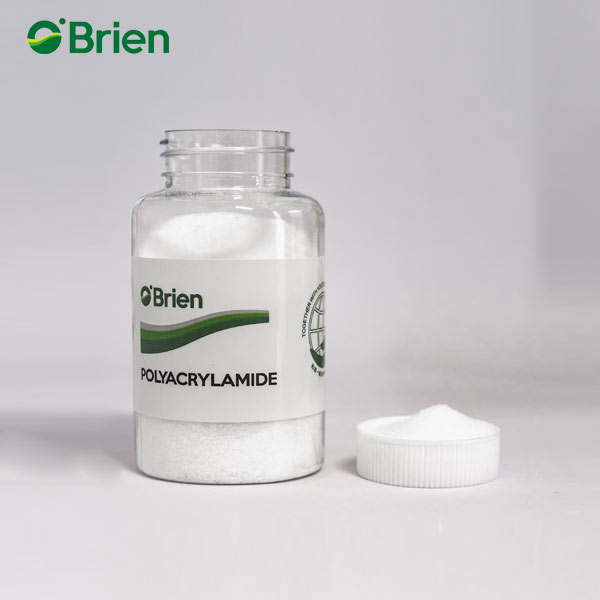
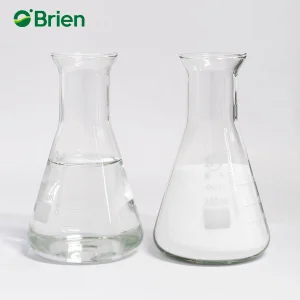
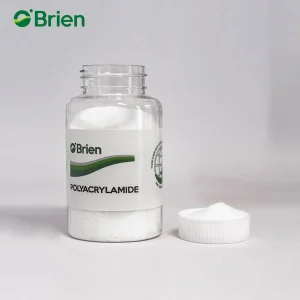
Polyacrylamide is a synthetic resin prepared by polymerizing acrylamide monomers ($\text{-CH}_2\text{CHCONH}_2\text{-}$). It is a water-soluble, high-molecular-weight linear polymer available in granular powder or emulsion forms. Depending on the functional co-monomers introduced during reaction, PAM is classified into four principal chemistry groups:
| Polymer Type | Ionic Charge Range | Molecular Weight (Million Daltons) | Primary Industrial Mechanism | Typical Applications |
|---|---|---|---|---|
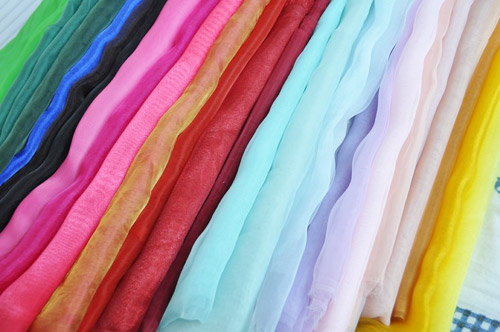
| Cationic PAM (CPAM) | 5% – 80% Charge Density | 6 – 15 Million | Charge neutralization of negatively charged organic suspensions & bridging. | Municipal sludge dewatering, textile dyeing effluent, paper retention, tannery wastewater. |
| Anionic PAM (APAM) | 5% – 60% Hydrolysis Degree | 8 – 22 Million | Interparticle bridging between positively charged inorganic mineral particles. | Sand & gravel washing, coal tailing clarification, metallurgical processing, EOR oilfield fluid. |
| Nonionic PAM (NPAM) | Neutral (< 1% Charge) | 3 – 12 Million | Hydrogen bonding & adsorption bridging under acidic/variable pH environments. | Acidic wastewater clarification, mineral leaching, soil conservation, paper wet-end agent. |
| Mannich PAM | Amphoteric / High Cationic | 4 – 10 Million | Complex micro-flocculation in high-salinity & heavy organic loads. | Heavy oily sludge, refinery effluent, complex chemical plant dewatering. |
The action of Oubo Polyacrylamide relies on two core physical-chemical phenomena:
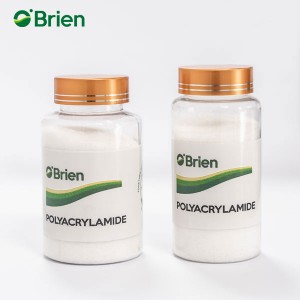
Engineered formulations deployed across municipal utilities, mining complexes, oilfield basins, and paper mills.
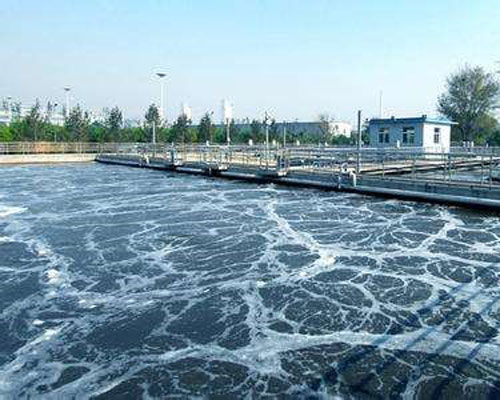
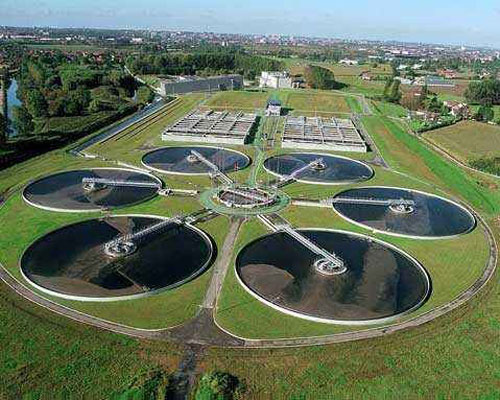
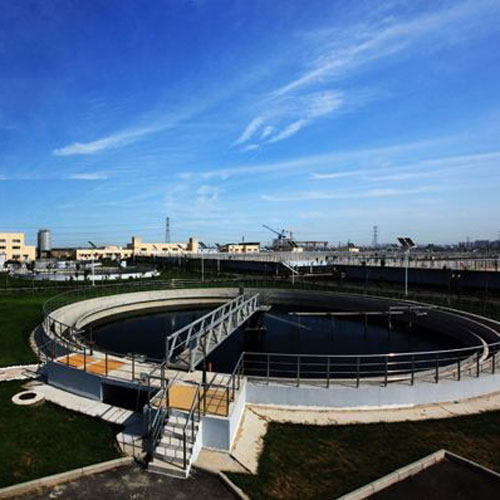
Polyacrylamide plays an indispensable role in primary settlement, clarification, and secondary sludge dewatering processes (centrifuge, belt filter press, screw press). Increasingly stringent discharge regulations demand low turbidity and minimal residual polymer in treated water.
Specific Sectors: Urban wastewater, tanneries, breweries, citric acid plants, pharmaceutical manufacturing, vegetable protein extraction, and incense production.
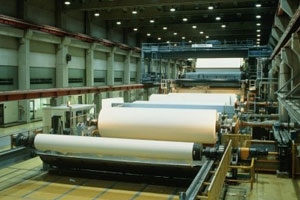
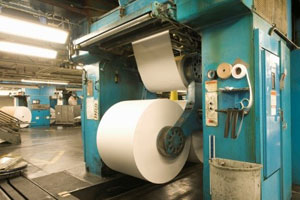
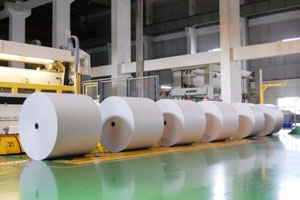
In wet-end paper manufacturing, PAM serves four crucial functions that directly influence sheet formation, machine speed, and raw material savings:
Oubo Polyacrylamide provides customized high-viscosity and shear-resistant polymers vital for severe downhole conditions:


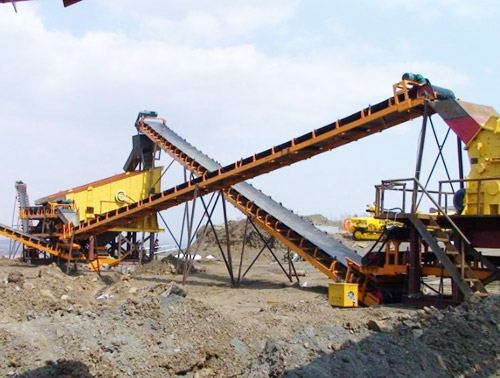
In mineral processing, rapid solid-liquid separation is critical for water reuse and tailing pond management. Our nonionic, anionic, and cationic PAM series cover:


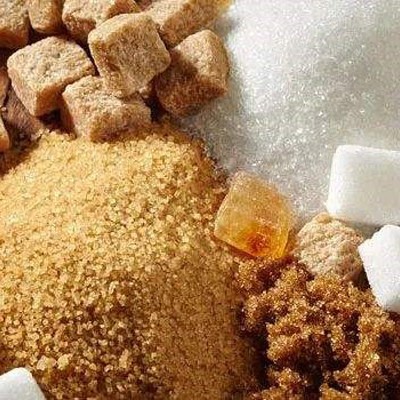
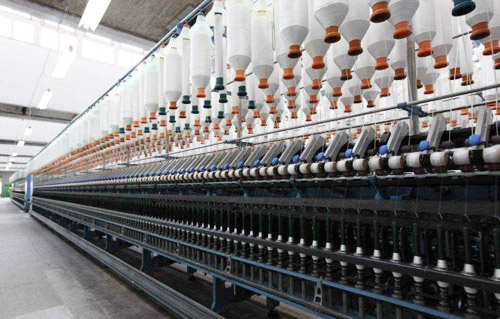
Beyond traditional water treatment, Oubo PAM formulations cater to diverse manufacturing sectors:
Reliable sourcing, strict quality assurance, and technical field support tailored for B2B procurement partners.
Qingdao Oubo Chemical Co., Ltd. is a global manufacturing leader using patented biological methods to synthesize acrylamide monomers. By reinvesting €2 million annually into R&D, we continuously optimize reaction yields, molecular weight control, and environmental impact.
Quality begins at the source. Our key raw materials are sourced from world-class petrochemical partners including SINOPEC and Eni. Operating fully automated production lines guarantees batch-to-batch consistency and minimal manual error.
All products strictly conform to ISO9001:2008 guidelines. Our dedicated laboratory technicians perform three comprehensive tests on every single production batch—evaluating intrinsic viscosity, monomer residue, insoluble content, and dissolution kinetics before shipping approval.
Choosing the right polymer requires domain expertise. Oubo's senior application engineers join pre-sales jar testing, sample trial evaluations, and full scale-up operational assistance at your plant site to ensure maximum cost-efficiency.
Pioneering sustainable, low-carbon, and smart polymer chemistry for next-generation environmental engineering.
As industrial sustainability paradigms shift toward zero-liquid discharge (ZLD) and carbon-neutral chemical processing, Oubo Chemical's strategic engineering roadmap focuses on three technological breakthroughs:
Accelerating the development of modified starch-PAM and cellulose-grafted green flocculants that retain high bridging efficiency while improving long-term environmental degradation profiles in tailings and agricultural soils.
Formulating hyper-branched and block copolymer structures engineered to withstand extreme total dissolved solids (TDS > 150,000 ppm) and temperatures above 120°C for deep EOR and harsh industrial effluent.
Pairing specialized fast-dissolving micro-bead PAM with automated real-time turbidity and charge-sensing dosing hardware, reducing over-dosing rates by up to 25% for municipal treatment plants.
Customized packaging solutions engineered to prevent moisture degradation and guarantee long shelf-life during transoceanic transit.
Polyacrylamide powder is hygroscopic and requires airtight protection. Oubo Chemical provides flexible, high-barrier packaging options tailored to your warehouse handling and automated chemical dosing units:
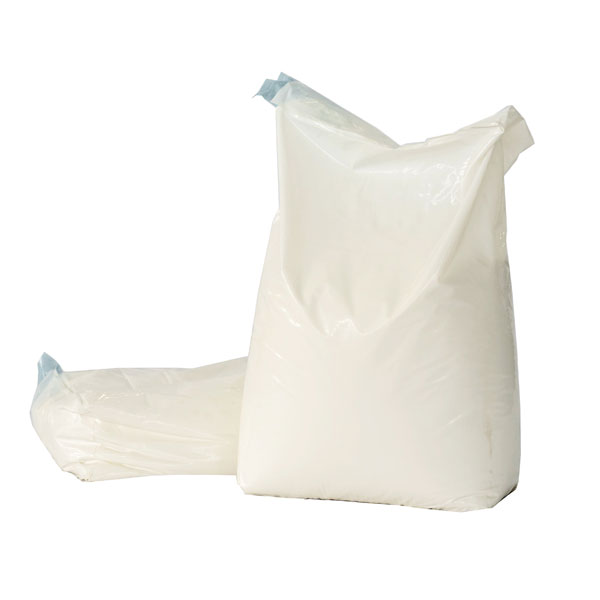
Custom unbranded 3-in-1 Kraft paper PE lined bags ideal for localized distribution and re-labeling.
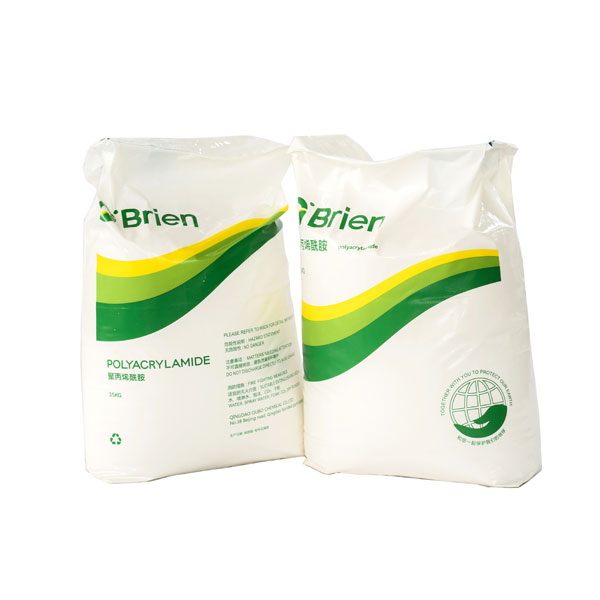
Multi-wall paper bags with inner polyethylene film preventing moisture ingress and caking.
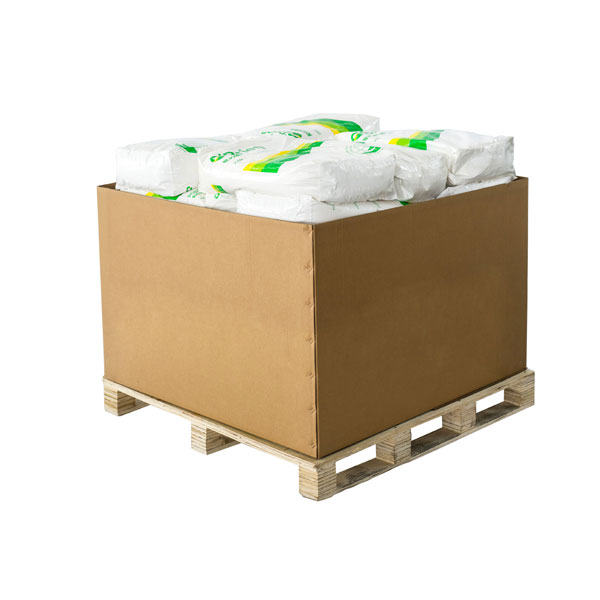
Heavy-duty woven polypropylene FIBC big bags designed for high-volume mining and oilfield hoppers.
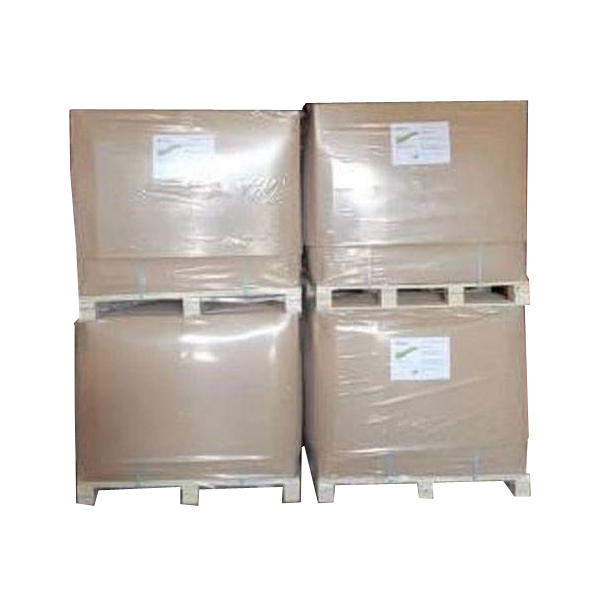
ISPM-15 compliant wooden or plastic pallets, fully stretch-wrapped and strapped for safe sea transport.
Expert guidance addressing polymer selection, dosage preparation, storage, and compliance.
Selection depends primarily on the electrical charge of the suspended solids in your wastewater. Inorganic particles (sand, clay, minerals, metals) carry positive surface charges and respond best to Anionic PAM (APAM). Organic sludges (municipal sewage, biological waste, food residue) carry negative charges and require Cationic PAM (CPAM). Acidic solutions or non-charged organic suspensions are best treated with Nonionic PAM (NPAM). We strongly recommend conducting lab jar tests before purchasing bulk quantities.
Polyacrylamide dry powder should typically be dissolved to a 0.1% to 0.3% concentration (w/v) using clean tap water (pH 6–8, temp < 40°C). Slowly sprinkle the dry polymer into the vortex of stirring water to prevent 'fish-eye' clumping. Maintain gentle mechanical agitation (200–400 RPM) for 45 to 60 minutes until completely dissolved. Avoid high-shear pumps (e.g., gear pumps) that can shear long polymer chains.
In un-opened original packaging, stored in a cool, dry, and ventilated warehouse below 35°C, Oubo dry powder PAM has a shelf life of 2 years (24 months). Once dissolved in water, stock solutions should be used within 24–48 hours for CPAM, and within 3 to 5 days for APAM/NPAM, as polymer chains gradually hydrolyze over time in aqueous solution.
Traditional chemical synthesis of acrylamide relies on copper catalysts, leaving trace heavy metal contaminants in the polymer matrix and creating higher carbon emissions. Oubo's patented bio-catalytic method uses enzymatic conversion at mild temperatures. This guarantees zero copper contamination, lower monomer toxicity (<0.05% acrylamide monomer content), superior polymer linearity, and cleaner compliance with environmental discharge regulations.
Yes. Beyond our standard product grades, our R&D facility custom-synthesizes tailor-made polymers with specific molecular weights (range 3–22 Million Daltons) and charge densities (range 5%–80%) to match complex effluent matrices or unique industrial centrifuge mechanics.
Browse our complete catalog of industrial PAM flocculants for paper making, oilfield drilling, municipal sewage, and mining applications.
 Oubo Chemical