Explore our direct factory-supplied water treatment flocculants, engineered for maximum liquid-solid separation efficiency across municipal, industrial, and processing applications.
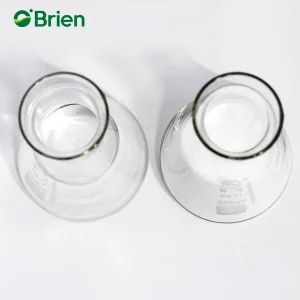
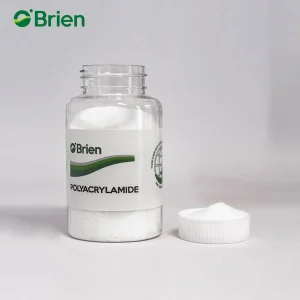
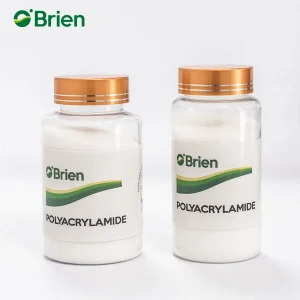
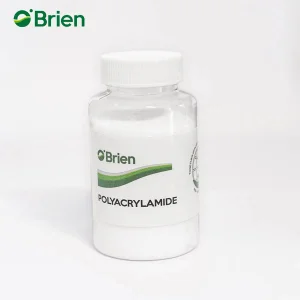
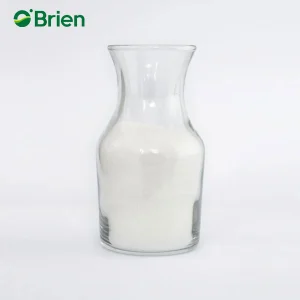
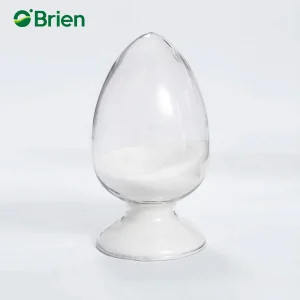
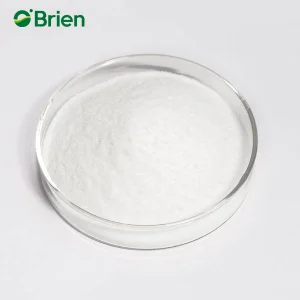
In an era defined by intensifying global water scarcity, stringent environmental regulations, and accelerating industrialization, water treatment flocculants have evolved from commodity chemical consumables into indispensable strategic assets. Polyacrylamide (PAM)—a versatile synthetic water-soluble polymer synthesized from acrylamide monomers—serves as the primary operational backbone for industrial solid-liquid separation, municipal wastewater clarification, oilfield enhanced recovery, and mineral ore dressing worldwide.
The global market for chemical flocculants is experiencing structural demand growth driven by three macro factors:
Global environmental authorities (such as the US EPA, European Chemicals Agency REACH, and China’s Ministry of Ecology and Environment) have established unprecedentedly low limits for Total Suspended Solids (TSS), Chemical Oxygen Demand (COD), and chemical heavy metals in discharged effluents. Efficient flocculation is the most cost-effective precursor to downstream filtration and biological purification.
Industries such as mining, metallurgical processing, and paper manufacturing are shifting toward closed-loop water recirculation systems. Polyacrylamide flocculants enable rapid sedimentation and high clarity supernatant recovery, allowing up to 95% process water recycling in mining circuits and paper mills.
Municipal and industrial sludge disposal costs are directly tied to sludge cake moisture content. High-efficiency Cationic Polyacrylamide (CPAM) facilitates maximum dewatering performance across mechanical belt presses, centrifuges, and membrane filter presses, drastically reducing transport and disposal overheads.
Company Legacy & Strategic Location: Qingdao Oubo Chemical Co., Ltd was established in 2011, located in the Free Trade Zone of Qingdao, China. Operating within a tax-advantaged and logistics-rich hub, Oubo Chemical has achieved a consistent annual business growth rate of 10% over the past decade. The annual production capacity of polyacrylamide surpassed 50,000 Tons in 2018, backed by rigorous ISO9001:2008 quality management certification. The company proudly stands behind its core brand O'brien, recognized by industrial clients globally.
Oubo Chemical specializes in supplying complete polyacrylamide spectrum solutions: Cationic Polyacrylamide (CPAM), Anionic Polyacrylamide (APAM), and Nonionic Polyacrylamide (NPAM). Equipped with advanced production machinery, automated continuous polymerization reactors, and dedicated professional technical teams, Oubo ensures every chemical shipment adheres strictly to global quality benchmarks.
What sets Oubo Chemical apart from traditional chemical manufacturers is our proprietary biological enzymatic method for producing acrylamide monomers and polyacrylamide polymers. While conventional methods rely on chemical copper-catalyzed hydration, our bio-catalytic technique delivers distinct operational superiorities:
Using biological enzymes as catalysts, the conversion of acrylonitrile to acrylamide achieves nearly 100% selectivity under ambient temperature and pressure. This eliminates copper ion contamination, suppresses byproduct formation, and yields ultra-pure acrylamide monomer suitable for creating ultra-high molecular weight polymers (up to 25 million Daltons).
Our global supply chain leverages strategic raw material partnerships with industry leaders like SINOPEC and Eni. Production lines are 100% automated. Each product batch undergoes 3 separate rigorous QC tests before dispatch. We invest significant capital into research per year for deep technical accumulation and continuous polymer formulation refinement.
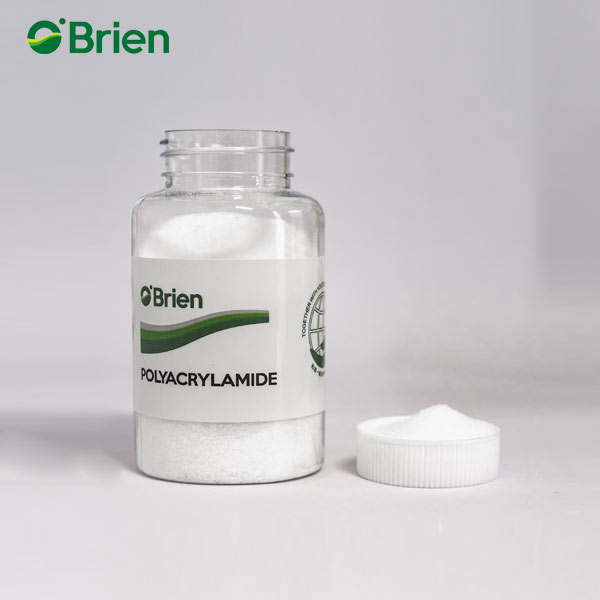
Polyacrylamide (PAM) is a water-soluble linear high polymer synthesized from acrylamide monomers. Its chemical structure consists of repeating units containing amide functional groups (-CONH2), which readily form hydrogen bonds with suspended particles. The functional charge and physical properties of PAM are customized during polymerization, creating four primary charge classifications:
| Polymer Type | Ionic Charge Range | Molecular Weight (Million) | Primary Industrial Mechanism | Key Application Target |
|---|---|---|---|---|
| Anionic Polyacrylamide (APAM) | Negative (-5% to -80%) | 8.0 - 25.0 | Charge neutralization & bridging of negatively charged inorganic particles | Metallurgical effluent, coal washing, river silt, municipal wastewater primary clarification |
| Cationic Polyacrylamide (CPAM) | Positive (+5% to +80%) | 5.0 - 12.0 | Neutralization of negatively charged organic colloidal matter & biological cells | Sludge dewatering (belt/centrifuge), tannery effluent, paper retention, food plant waste |
| Nonionic Polyacrylamide (NPAM) | Neutral (~0%) | 3.0 - 15.0 | Hydrogen bonding & adsorption bridging under low pH or high salinity conditions | Acidic industrial wastewater, mineral leaching, soil stabilization, oilfield fluid loss control |
| Mannich / Amphoteric PAM | Dual Cationic/Anionic | 4.0 - 10.0 | Isoelectric point adjustment & complex organic wastewater clarification | Refinery oily sludge, complex chemical dye effluents, paper strength agents |
Flocculation via Polyacrylamide operates through a distinct two-step physicochemical sequence:
Colloidal particles suspended in wastewater typically carry a negative surface potential (Zeta potential), keeping them stable in suspension via electrostatic repulsion. Cationic or Anionic PAM polymers neutralize these surface charges upon dosage, destabilizing the suspension and allowing microscopic particles to collide.
Long polymer chains extend into the liquid medium. A single long-chain PAM molecule adsorbs onto multiple microscopic particles simultaneously, forming massive, dense aggregations known as "flocs." These flocs rapidly precipitate due to gravity or separate via dissolved air flotation (DAF).
Oubo Chemical’s O'brien brand polymers deliver targeted solution performance across diverse industrial verticals. Below is an in-depth breakdown of localized applications, supported by field performance metrics:
Polyacrylamide acts as the central liquid-solid separation workhorse in municipal sewage networks, leather tanneries, citric acid plants, vegetable protein extraction facilities, and pharmaceutical plants. Increasingly stringent discharge regulations demand rapid settlement, low effluent turbidity, and high sludge cake dryness.
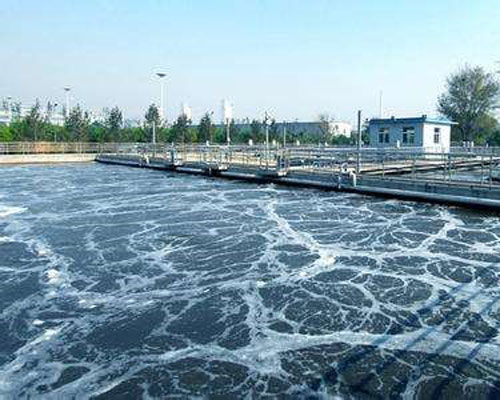
Accelerates primary sedimentation and tertiary polishing.
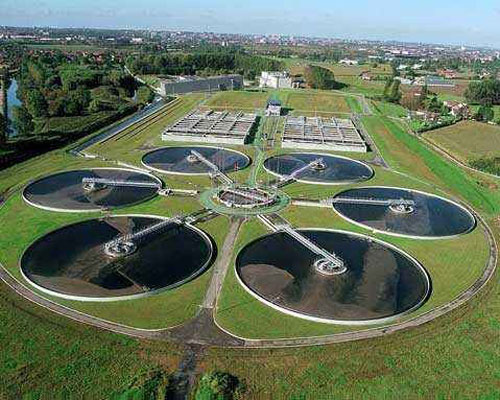
Optimized CPAM powder yields cake solids exceeding 25%.
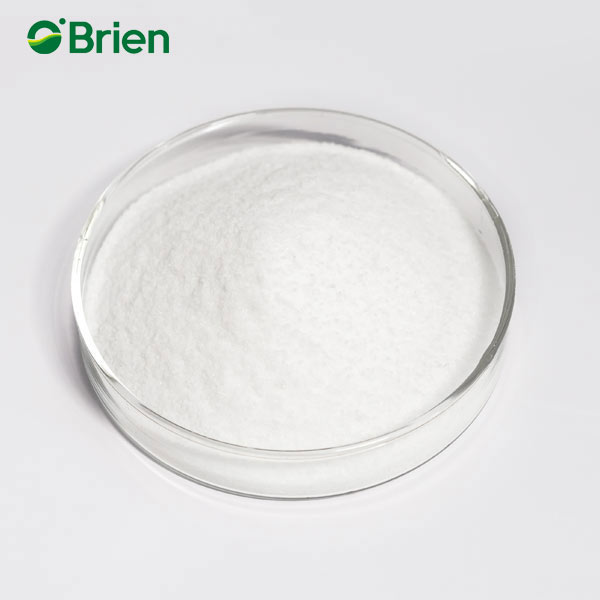
Dramatically lowers suspended solids (TSS) prior to release.
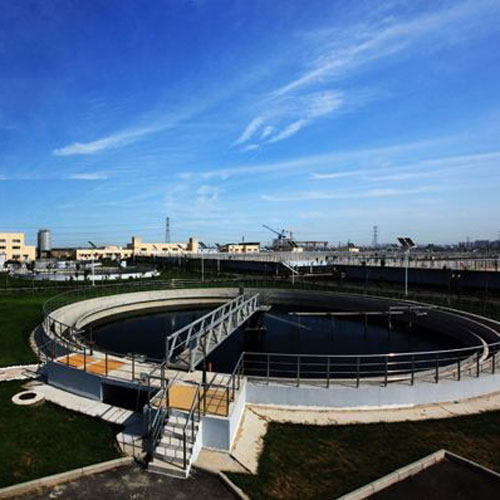
Compatible with belt filter presses, centrifuges, and chamber presses.
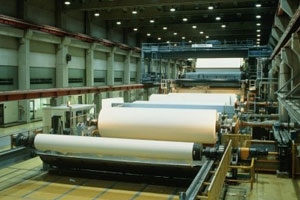
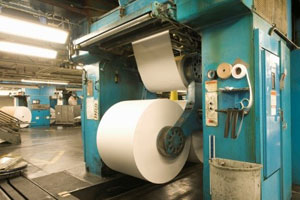
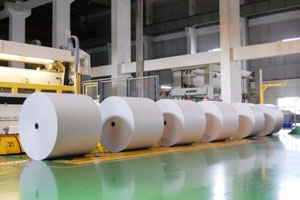
In paper making, PAM products serve four crucial chemical roles: retention aids, drainage aids, dry/wet strength agents, and anionic trash catchers. Proper application drastically reduces fiber loss and improves paper quality while purifying white water for reuse.
Polyacrylamide polymers play a critical role in upstream petroleum operations. High-molecular weight APAM is widely utilized as a mobility control polymer in polymer flooding for Enhanced Oil Recovery (EOR), as well as a fluid loss reducer and shale inhibitor in drilling fluids.
Increases water injection viscosity, optimizing sweep efficiency in subterranean reservoirs.
Provides fluid loss control, shale hydration inhibition, bit cooling, and borehole stabilization.
Reduces turbulent hydraulic friction losses by up to 75% during high-pressure slickwater fracturing.
Accelerates thickener settling times in heavy crude processing tailings ponds.


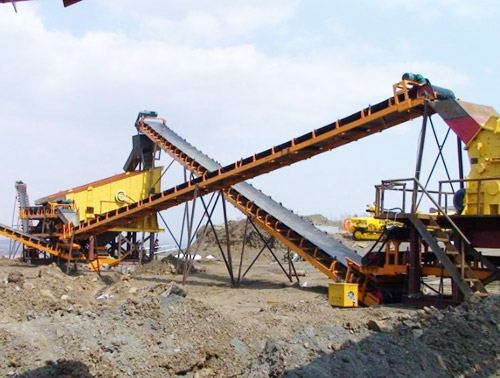
In mineral extraction, solid-liquid separation is crucial for copper, gold, silver, iron, nickel, alumina, and coal processing. Nonionic and Anionic PAM products provide ultra-fast thickener settling rates and efficient centrifugation cake dewatering.

Clarifies coal slurry water, recycling clean water back to the washery circuit.
Facilitates high-density paste thickener settling for dry stacking tailings management.

Enhances counter-current decantation (CCD) settling in gold/copper leaching circuits.
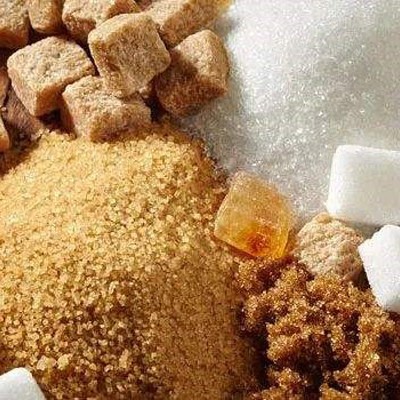
Applied in sugarcane and sugar beet juice clarification and syrup flotation. Polyacrylamide promotes rapid settlement of insoluble impurities, producing crystal clear sugar syrup.
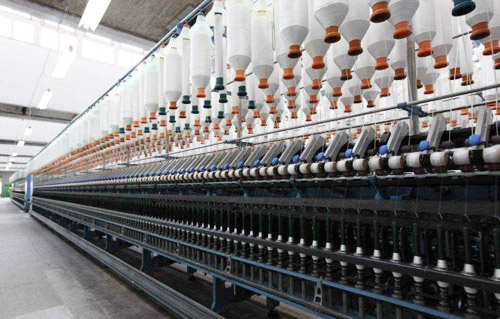
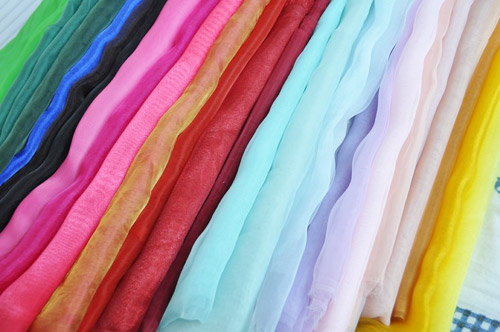
Textile dye effluents contain complex aromatic dyes and heavy organic loads. Cationic PAM effectively decolorizes and coagulates dye sludge for easy physical removal.

Specifically formulated Nonionic Polyacrylamide (NPAM) retains strong polymer stability and high flocculation efficiency even under harsh, low pH acidic mining and chemical rinse conditions.
As global sustainability mandates tighten, chemical procurement officers are shifting focus from basic purchasing cost per kilogram toward total operational cost per ton of treated water. The future of industrial water treatment flocculants is defined by four core technological shifts:
Concerns over acrylamide monomer toxicity in potable water supplies have led to strict global regulations limiting residual AM content in finished PAM products to less than 0.05% (500 ppm). Oubo Chemical’s advanced bio-catalytic polymerization consistently achieves residual AM levels below 200 ppm, exceeding stringent drinking water safety protocols.
Deep oil recovery and harsh offshore mineral processing require polymers that resist shear degradation under high salinity and high temperature conditions. Customized hyper-branched polymers engineered with sulfonate groups (AMPS co-polymers) retain high viscosity under extreme geothermal and ionic conditions.
Modern water treatment facilities are adopting automated online dosing systems linked to real-time stream turbidity and streaming current detectors (SCD). Using responsive PAM formulations ensures optimal dosing precision, preventing under-dosing or chemical over-dosing waste.
Aligning with corporate ESG goals, industrial chemical buyers increasingly demand eco-friendly packaging options. Oubo Chemical provides customized bulk container packaging, palletized moisture-barrier bags, and recyclable super sacks to minimize plastic waste footprints across global supply chains.
Oubo Chemical has established a dedicated technical support team to assist global enterprise clients with precise PAM selection, jar testing, and operational troubleshooting. Our brand O'brien represents elite operational reliability.
Leading global polyacrylamide manufacturer utilizing patented biological synthesis methods. We invest €2 hundred million into technical research annually to maintain industry-leading product performance.
Global supply chain integration sourcing raw materials from leaders like SINOPEC and Eni. Automated production lines operate under strict ISO9001 quality controls, with 3X mandatory batch testing.
Over a decade of focused polymer manufacturing expertise. We deliver superior chemical quality at highly competitive direct factory prices with rapid international freight dispatch from Qingdao FTZ.
Our experienced chemical engineers support pre-sales sample evaluation, field jar testing, polymer selection, and full after-sales dosage optimization to ensure optimal operational ROI.
To preserve polymer dry powder integrity and prevent atmospheric moisture absorption during sea transport, Oubo Chemical provides sealed moisture-proof packaging options tailored to your logistics requirements:
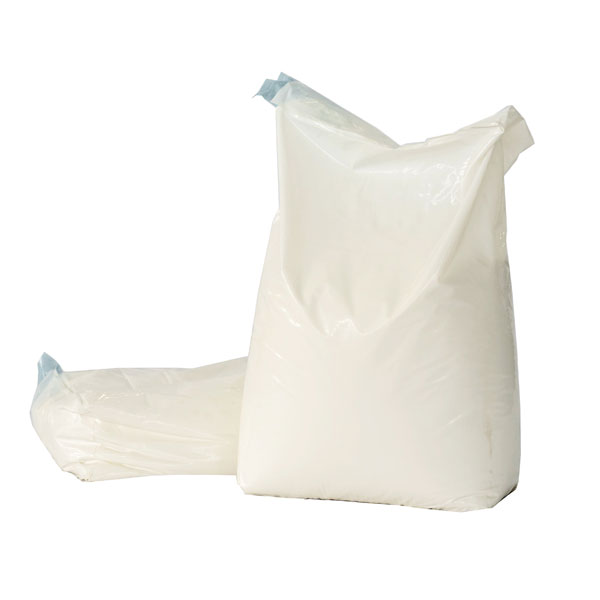 Blank-Bag Packaging
Neutral 25kg Kraft paper / PE inner bags for custom OEM distributor branding.
Blank-Bag Packaging
Neutral 25kg Kraft paper / PE inner bags for custom OEM distributor branding.
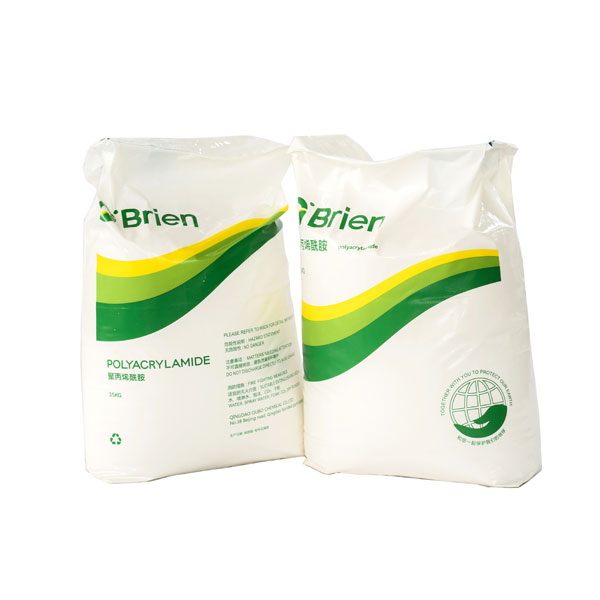 Normal-Bag Packaging
Standard O'brien branded multi-wall 25kg moisture barrier bags.
Normal-Bag Packaging
Standard O'brien branded multi-wall 25kg moisture barrier bags.
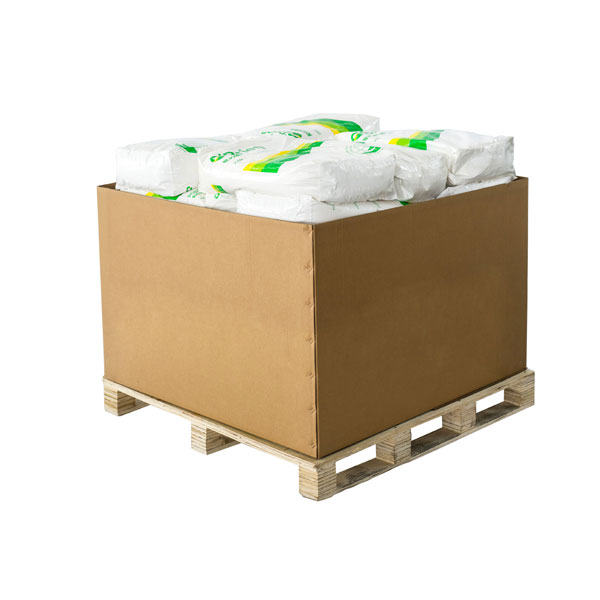 Jumbo / Super Sack Package
750kg - 1000kg bulk FIBC bags for automated continuous polymer dissolving plants.
Jumbo / Super Sack Package
750kg - 1000kg bulk FIBC bags for automated continuous polymer dissolving plants.
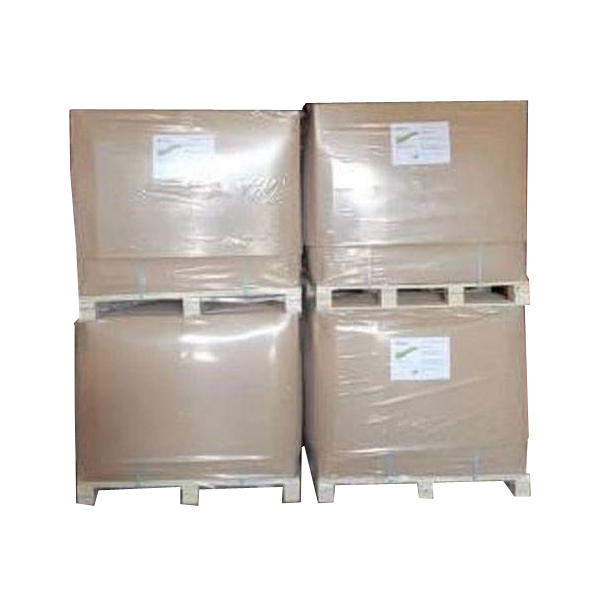 Palletized Shrink-Wrapped Delivery
Fumigated wooden or plastic pallets securely shrink-wrapped for safe container transit.
Palletized Shrink-Wrapped Delivery
Fumigated wooden or plastic pallets securely shrink-wrapped for safe container transit.
Find expert technical answers regarding polyacrylamide chemical selection, field preparation, and global wholesale procurement logistics.
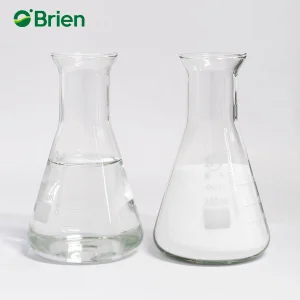
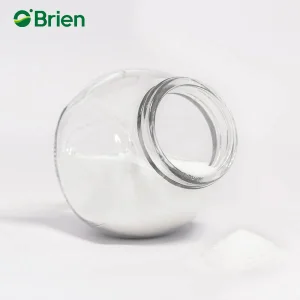
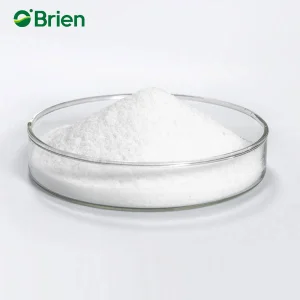
Select from our direct factory polyacrylamide formulations below to request technical specification sheets, safety data sheets (MSDS), or bulk wholesale quotations.
 Oubo Chemical