Explore our flagship nonionic, anionic, and cationic PAM chemical solutions tailored for industrial wastewater, mineral processing, and oil recovery.
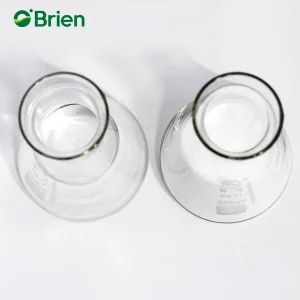
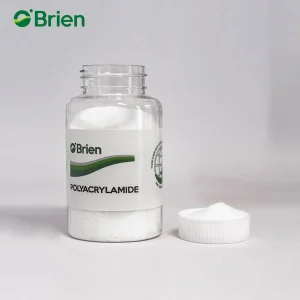
Navigating macro-industrial shifts, environmental compliance mandates, and high-efficiency polymer chemistry solutions.
The global industrial water purification sector is undergoing a profound paradigm shift driven by stringent global environmental regulations, such as the EU Water Framework Directive and US EPA Effluent Guidelines. As zero liquid discharge (ZLD) requirements expand across chemical, mining, and municipal sectors, the demand for high-efficiency chemical flocculants and coagulants has surged. Modern water purification systems rely heavily on customized synthetic polymers—primarily Polyacrylamide (PAM)—to facilitate rapid solid-liquid separation, reduce suspended solids, and dewater heavy industrial sludge.
Global procurement teams encounter significant operational headwinds: escalating freight costs, raw material price volatility, charge density inconsistencies, and chemical stability breakdown during transport. Selecting a qualified wholesale water purification systems manufacturer requires evaluating not only batch purity and active polymer content, but also international logistics agility, scale capacity, and long-term technical support to ensure seamless integration into existing clarifiers, decanters, and filter presses.
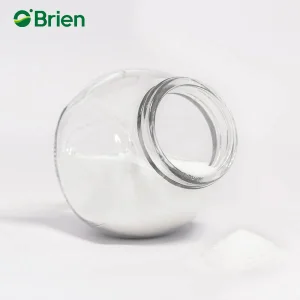
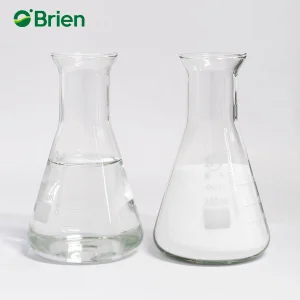
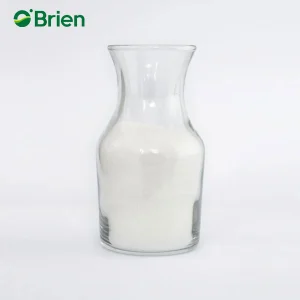
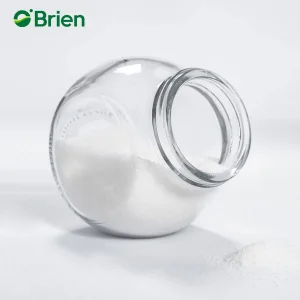
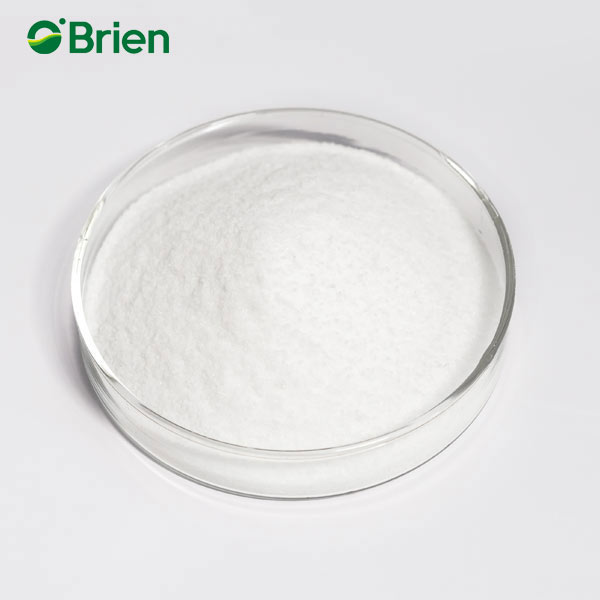
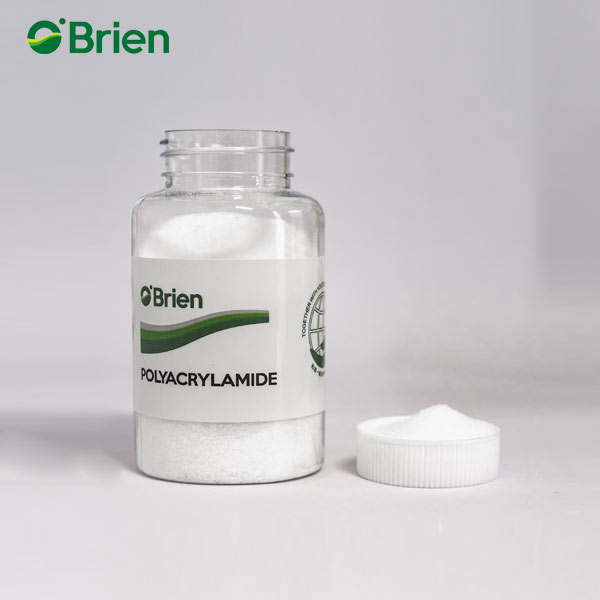
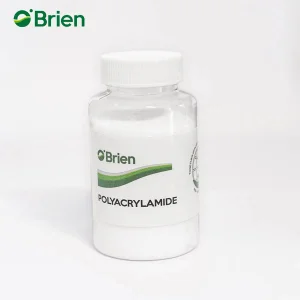
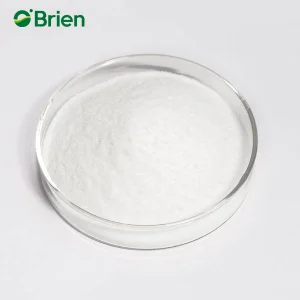
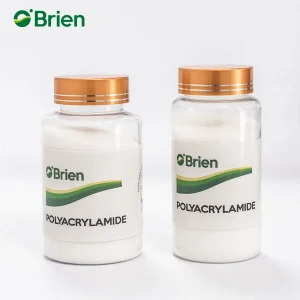
Polyacrylamide (PAM) is a versatile, synthetic water-soluble resin polymerized from monomeric acrylamide. Functioning as a high-performance flocculant, thickener, and rheology modifier, PAM bridges colloidal particles in solution, neutralizing surface charges to form large, rapidly settling flocs. By fine-tuning ionic types—Anionic (APAM), Cationic (CPAM), and Nonionic (NPAM)—industrial water purification systems achieve maximum clarity with minimal chemical dosing.
Leading the global polymer sector through biological synthesis innovation, scale efficiency, and rigorous quality management.
Qingdao Oubo Chemical Co., Ltd utilizes state-of-the-art biological enzymatic synthesis to manufacture acrylamide monomer and polyacrylamide polymers. Unlike traditional chemical synthesis methods involving copper catalysts, our patented biological process yields higher molecular purity, ultra-low monomer residual content (<0.05%), and zero toxic heavy-metal contamination. This yields superior flocculation efficiency in high-purity water treatment and food-grade applications while protecting environmental safety.
Quality starts at the molecular source. Oubo maintains deep strategic partnerships with premier energy and chemical conglomerates, including SINOPEC and Eni. By procuring top-grade raw materials internationally, our fully automated production lines ensure consistent chemical structure, stable molecular weight distributions, and robust batch-to-batch repeatability verified through rigorous 3-tier QC testing prior to shipment.
Operating directly within the Free Trade Zone of Qingdao, China, Oubo leverages world-class deep-water port infrastructure, bonded warehousing, and streamlined customs clearance protocols. This operational integration grants global buyers unmatched freight flexibility, reduced container lead times, zero domestic freight friction, and optimized CIF/FOB pricing structures.
Comprehensive product specifications across ionic types, charge densities, molecular weights, and application domains.
| Polymer Type | Ionic Charge / Hydrolysis | Molecular Weight (Million) | Solid Content (%) | Dissolution Time | Primary Industrial Applications |
|---|---|---|---|---|---|
| Anionic Polyacrylamide (APAM) | Medium to High Negative Charge (10% - 40%) | 6 - 25 Million | ≥ 88% Powder | ≤ 60 Mins | Municipal sewage treatment, mineral coal washing, paper retention, oilfield EOR, sugar clarification. |
| Cationic Polyacrylamide (CPAM) | Low to High Positive Charge (10% - 80%) | 8 - 14 Million | ≥ 88% Powder | ≤ 45 Mins | Sludge dewatering (belt filter, centrifuge), organic wastewater (textile, dyeing, leather, municipal). |
| Nonionic Polyacrylamide (NPAM) | Neutral Charge (< 5% Hydrolysis) | 5 - 12 Million | ≥ 88% Powder | ≤ 60 Mins | Acidic wastewater flocculation, mineral dressing, soil stabilization, oilfield fluid loss additives. |
| Mannich Polyacrylamide | Customized Liquid Cationic Structure | 3 - 8 Million | 20% - 40% Liquid | Instant Dissolve | High-salinity oilfield muds, rapid municipal sludge thickening, acidic industrial effluents. |
Tailored chemical dosage strategies optimized for sector-specific water purification requirements.
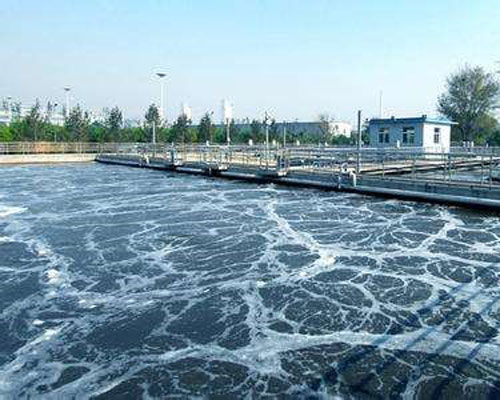
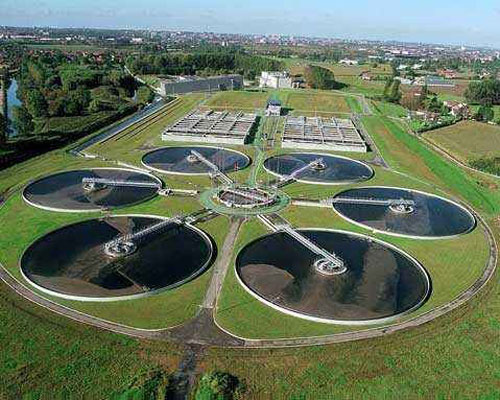
In primary sedimentation and secondary clarification, Oubo APAM acts as an exceptional coagulation aid, settling suspended solids rapidly. For bio-sludge dewatering, our high-charge CPAM binds colloidal organic matter, increasing sludge cake dry solids content and drastically lowering disposal freight costs.
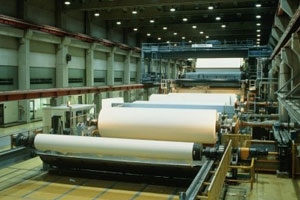
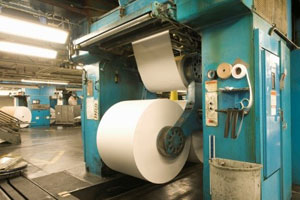
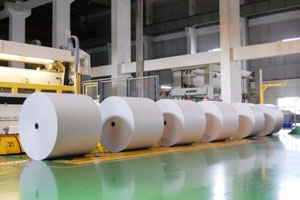
Oubo PAM formulations function as retention aids, drainage accelerators, and dry/wet strength agents. CPAM captures anionic trash in recycled fiber pulp, enhancing machine runnability, preserving fine fibers and titanium dioxide fillers, and optimizing white water loop clarification.
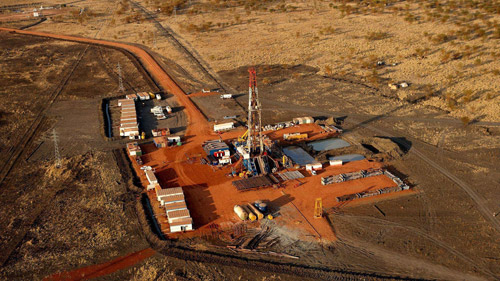
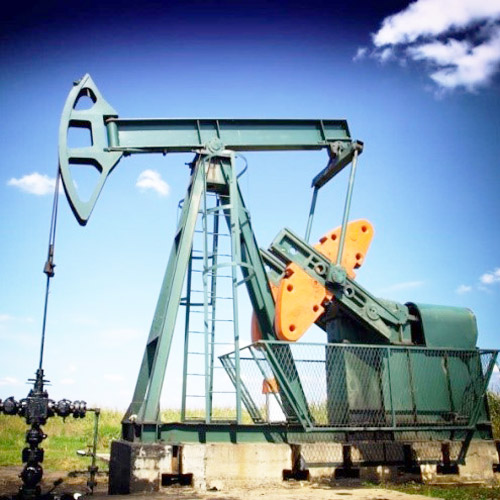
In Enhanced Oil Recovery (EOR), high molecular weight polymer floods maintain sweep efficiency under high shear, temperature, and salinity. In drilling fluids, Oubo NPAM/APAM provides superior shale inhibition, fluid loss control, borehole stabilization, and bit lubrication.
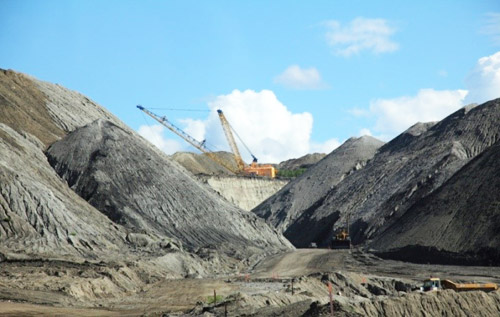
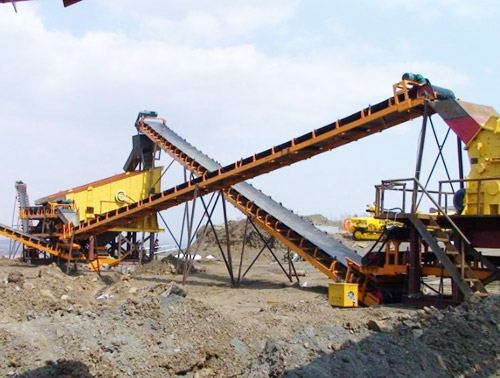
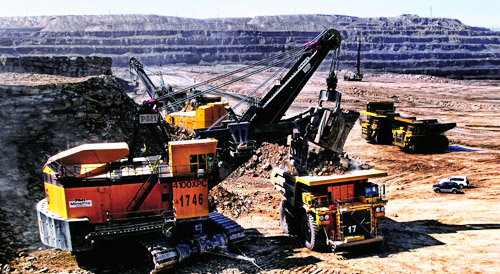
Essential for coal washing tailings, gold, silver, copper, and iron ore extraction. Our anionic and nonionic polymers promote high-rate thickening, clean supernatant overflow for water recycling, and rapid mud slurry filtration in heavy belt presses.
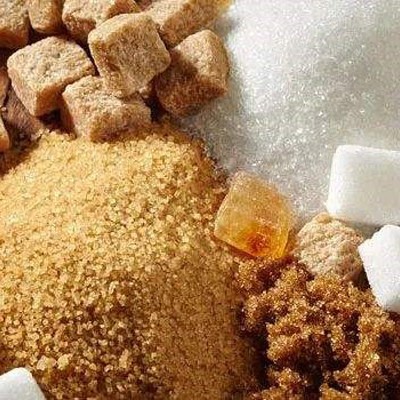
In sugarcane and sugar beet processing, specialized high-purity food-grade anionic flocculants accelerate juice clarification and syrup flotation, removing impurities efficiently while maintaining strict food safety compliance.
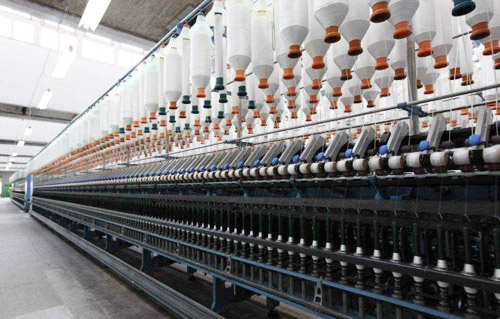

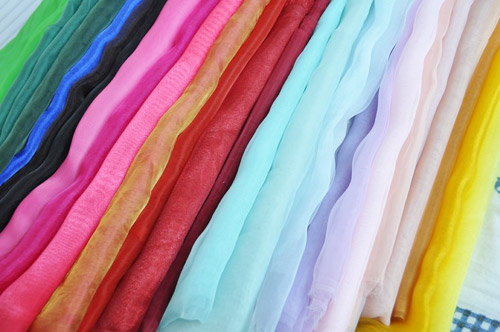
Textile mill wastewater contains high COD, color, and complex reactive dyes. Oubo CPAM and amphoteric polymers serve as superior decoloring agents and sizing additives, flocculating fine color pigment particles cleanly.
Four core pillars underpinning our global reputation as an authoritative polymer chemical producer.
Leading manufacturer utilizing patented biological production processes. Investing €2 million annually into chemical R&D to maintain global technical leadership.
Global supply chain integration sourcing from SINOPEC and Eni. Automated lines complying with ISO9001:2008, with 3-stage pre-shipment QC testing for every batch.
Over a decade of focused PAM manufacturing expertise. Direct OEM factory pricing paired with high production efficiency for maximum customer margin optimization.
Dedicated chemical engineering teams involved across pre-sales jar testing, operational selection, equipment calibration, and post-sales technical guidance.
Moisture-proof, export-ready packaging customized to preserve dry polymer activity during long-distance maritime transport.
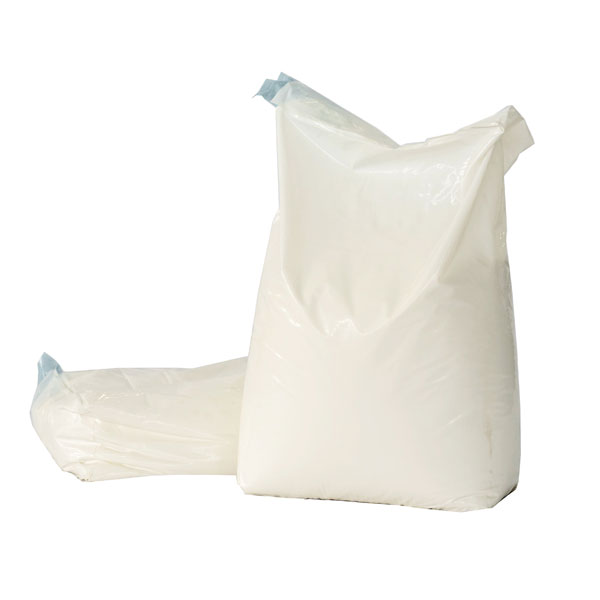
25kg Kraft / PE anti-moisture bags without branding, ideal for regional chemical distributors.
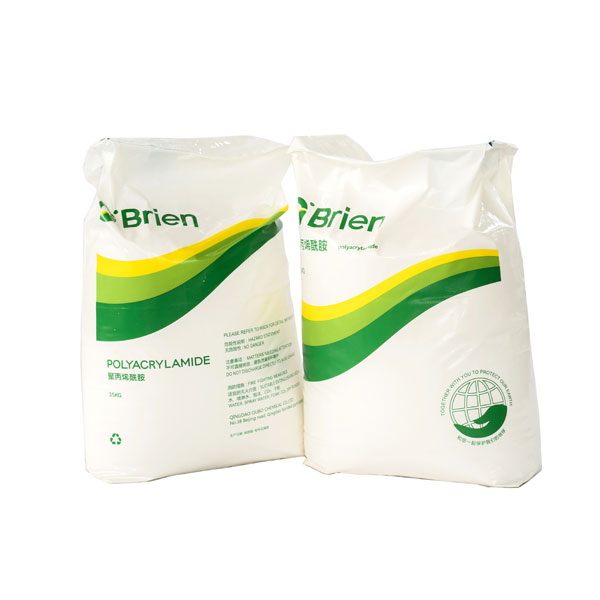
High-strength 25kg multi-wall paper bags featuring complete product handling instructions and specs.
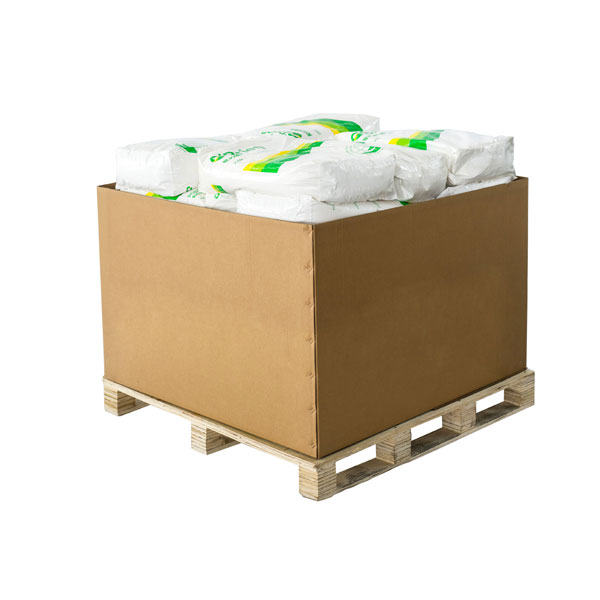
Tailored OEM printing, private labeling, and 750kg/1000kg bulk jumbo bags available upon request.
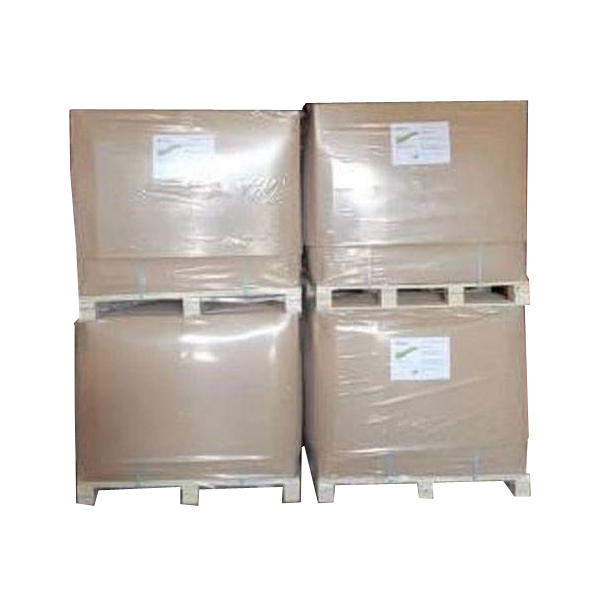
Fumigation-free wooden/plastic pallets secured with shrink-wrap and corner protectors for container transport.
Innovating next-generation sustainable polymers to meet global decarbonization and circular economy goals.
As petrochemical feedstocks face carbon taxes and price volatility, Oubo is pioneering low-carbon bio-acrylamide synthesis. Our biological enzymatic route already cuts process energy consumption by 35% compared to chemical synthesis, aligning with corporate ESG mandate metrics.
ZLD systems require ultra-clear brine recovery before mechanical vapor recompression (MVR) evaporators. Oubo’s customized ultra-high molecular weight anionic polymers eliminate micro-suspended solids, preventing heat exchanger scaling and maximizing evaporator uptime.
Modern automated dosing skids utilize online turbidity and streaming current detectors. We collaborate with water treatment engineering contractors to optimize dry polymer dissolution tanks, reducing chemical waste by up to 20% through intelligent dosing feedback loops.
Expert technical insights answering essential procurement, application, and dosage inquiries.
The choice primarily depends on the surface charge (Zeta Potential) of the suspended solids in your wastewater. Inorganic mineral slurries (such as clay, sand, silica, or metallic ores) typically carry negative charges and are best clarified using Anionic PAM. Organic sludges (such as municipal biological sludge, food processing waste, or textile dye effluents) contain positively charged or biological colloidal matter, requiring Cationic PAM for effective charge neutralization and sludge dewatering.
Polyacrylamide powder should be dissolved in clean water at a concentration of 0.1% to 0.3% (w/v). Slowly sprinkle the powder into the vortex of a stirring vessel (400–600 RPM) to prevent the formation of un-dissolved polymer agglomerates ("fish eyes"). Maintain continuous gentle agitation for 45 to 60 minutes until the solution becomes completely clear and viscous before feeding it into your dosage system.
Our biological method utilizes natural enzyme catalysis to polymerize acrylamide. Unlike traditional chemical synthesis using copper catalysts, biological synthesis leaves zero heavy metal residues, produces a narrow molecular weight distribution, and achieves exceptionally high conversion rates. This results in PAM with higher intrinsic viscosity, superior chain stability, and minimal residual acrylamide monomer (<0.05%), making it safe for drinking water clarification and sensitive industrial processes.
When stored in its original unopened moisture-proof packaging in a cool, dry, and ventilated warehouse (temperature < 35°C), dry Polyacrylamide powder has a shelf life of 24 months. Once dissolved into an aqueous working solution, the solution should be consumed within 24 to 48 hours to prevent viscosity degradation caused by molecular chain hydrolysis or biological growth.
Yes. As a direct wholesale manufacturer with an annual production capacity exceeding 50,000 tons, Oubo offers complete OEM/ODM customization. Our lab team can formulate exact charge densities (from 5% to 80%) and molecular weights (from 3 million to 25 million) based on your water samples. We also offer private label printing on 25kg bags and jumbo bags.
Located directly inside the Qingdao FTZ, Oubo eliminates intermediate inland transportation costs and customs delays. Freight containers can be loaded and sealed directly at our warehouse facility and transferred to the Port of Qingdao terminals within hours. This guarantees reliable container dispatch schedules, lower ocean freight quotes, and rapid document clearance for global importers.
Select from our certified chemical portfolio for municipal sewage, textile wastewater, paper retention, and tailings dewatering.
 Oubo Chemical