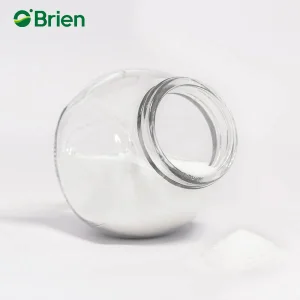
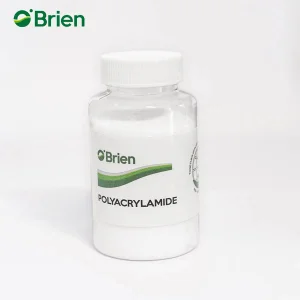
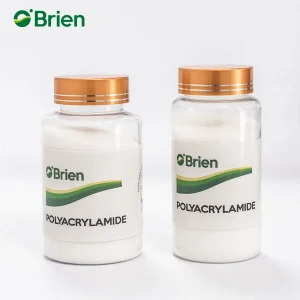
Explore our high-purity Polyacrylamide formulations engineered for industrial effluent clarification, municipal sludge dewatering, paper processing, and oil recovery.
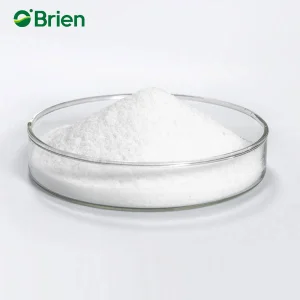
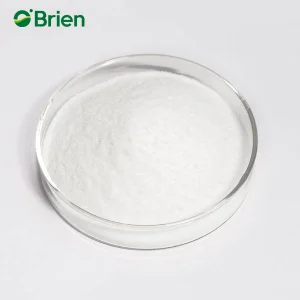
In an era defined by intensifying global water scarcity, stringent discharge regulations, and industrial ESG imperatives, sourcing reliable chemical additives for liquid-solid separation is vital. Qingdao Oubo Chemical Co., Ltd., established in 2011 and situated in the Free Trade Zone of Qingdao, China, has established itself as an authoritative global manufacturer and direct supplier of water-soluble polymers, specializing in advanced Polyacrylamide (PAM) derivatives.
Oubo Chemical operates with a unwavering commitment to quality assurance, technical service, and environmental stewardship throughout every stage of synthetic polymer production. By integrating patented biological enzymatic polymerization techniques, Oubo minimizes energy consumption and residual monomer content, placing our chemical portfolio at the forefront of global water treatment technology.
Polyacrylamide (CAS 9003-05-8) is a linear synthetic polymer derived from acrylamide monomers ($\text{C}_3\text{H}_5\text{NO}$). Available in solid powder, micro-granule, and liquid emulsion forms, PAM exhibits high water solubility and can be customized across chemical charges (ionicity) and molecular weights (MW) ranging from 3 Million to over 22 Million Daltons.
Synthesized by copolymerizing acrylamide with acrylic acid or sodium acrylate. APAM carries negative functional groups ($-\text{COO}^-$), making it ideal for flocculating positively charged inorganic suspensions, mineral slurries, and alkaline effluents.
Formulated by incorporating cationic monomers such as DAC (Dimethylaminoethyl Acrylate Methyl Chloride) or ADAM-MC. CPAM carries positive charges ($-\text{N}^+(\text{CH}_3)_3$), engineered specifically for organic sludge dewatering and municipal wastewater clarification.
Homopolymerized acrylamide with neutral charge characteristics. NPAM relies predominantly on hydrogen bonding mechanisms, performing exceptionally in acidic wastewater environments and complex mineral processing leaching circuits.
| Polymer Type | Molecular Weight (Million Daltons) | Charge Density / Degree of Hydrolysis | Optimal pH Range | Primary Industrial Applications |
|---|---|---|---|---|
| Anionic PAM (APAM) | 8.0 – 22.0 | 10% – 60% (Hydrolysis) | 7.0 – 14.0 (Neutral to Alkaline) | Mining tailings, Sand washing, Sugar clarification, Paper strength agents. |
| Cationic PAM (CPAM) | 6.0 – 15.0 | 5% – 80% (Cationicity) | 1.0 – 8.0 (Acidic to Weak Alkaline) | Municipal sewage sludge dewatering, Textile dyeing effluent, Tannery waste. |
| Nonionic PAM (NPAM) | 3.0 – 12.0 | < 3% (Neutral Charge) | 1.0 – 8.0 (Highly Acidic Media) | Acidic industrial effluent, Phosphoric acid purification, Soil stabilization. |
Oubo Chemical’s brand O'brien offers tailor-made chemical dosing strategies adapted to localized environmental conditions, water hardness, temperature variations, and specific equipment configurations worldwide.
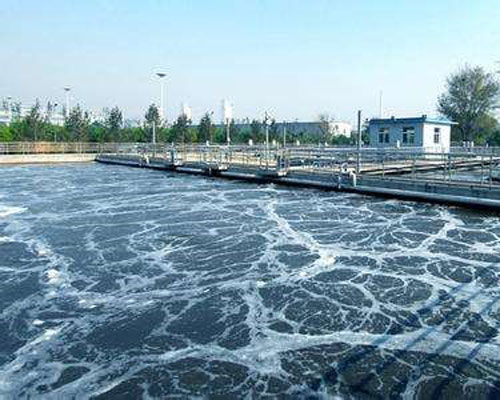
CPAM promotes rapid water-sludge separation in centrifugal dewatering units, belt filter presses, and plate-and-frame filter presses. Reduces cake moisture to under 75%, significantly lowering haulage and incineration costs.
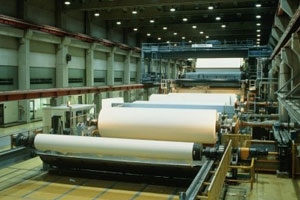
Serves as retention aids, drainage accelerators, and dry/wet strength agents. Captures anionic trash, improves fiber retention on paper machines, and clarifies white water loops for zero-liquid discharge compliance.
Utilized as tertiary oil recovery (EOR) mobility control agents, friction reducers for hydraulic fracturing, and drilling fluid viscosifiers. Exhibits high thermal stability and shear resistance in deep reservoir conditions.

Essential for coal washing, iron ore tailings thickeners, gold/silver leaching, and red mud settling in alumina refinery operations. Accelerates solid settling rates in high-turbidity thickeners.
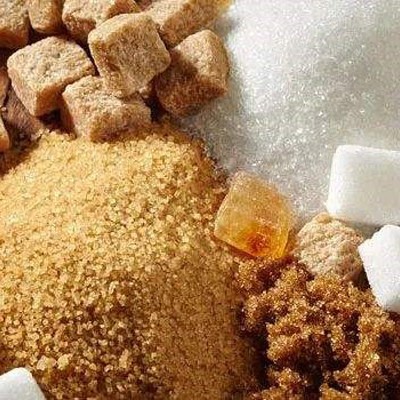
Food-grade APAM polymers accelerate sugarcane and beet juice clarification. Removes suspended organic impurities without leaving toxic residues in sugar syrup streams.
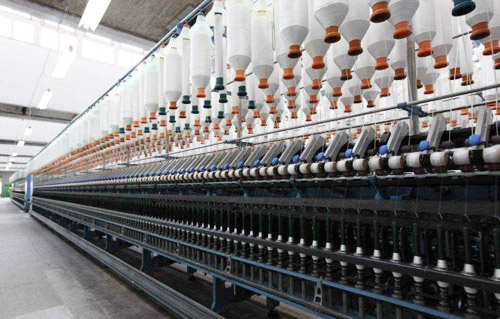
High-charge CPAM and APAM formulations strip reactive dye molecules, heavy metals, and sizing agents from complex textile wastewater, achieving crystal-clear discharge water.
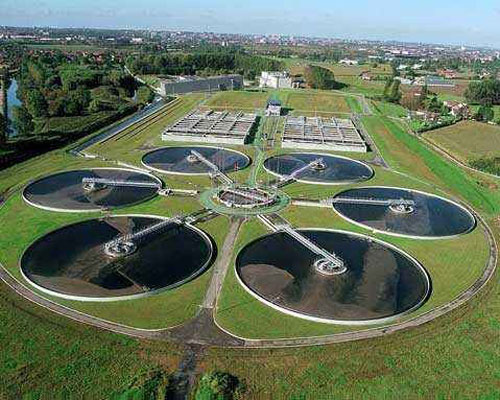
Optimized settling dynamics for petrochemical, tannery, and electronic plating washwater treatment facilities.
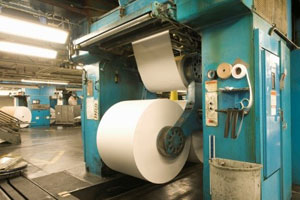
Enhances sheet formation, balances wet-end charge, and minimizes fiber loss in fine paper production.
Operating within Qingdao's premier Free Trade Zone gives Oubo Chemical unprecedented logistics capabilities. With direct access to Qingdao Port—one of the largest deep-water shipping terminals in the world—we guarantee frictionless export workflows, rapid container turnaround, and optimized freight logistics to major global hubs.
We source raw acrylamide monomers directly from world-class petrochemical leaders like SINOPEC and Eni. Direct pipeline feed integration ensures absolute monomer purity and batch consistency.
Our biological enzymatic conversion method yields acrylamide with zero copper residue and ultra-low acrylic acid content. Annual R&D investment exceeding €2 Million drives continuous technological refinement.
Fully automated DCS production lines continuously monitor polymerization parameters. Every single production batch undergoes 3 rigorous QC inspections prior to warehouse release.
Oubo Chemical provides flexible packaging configurations tailored to diverse industrial handling systems, pneumatic conveyors, and overseas transshipment requirements.
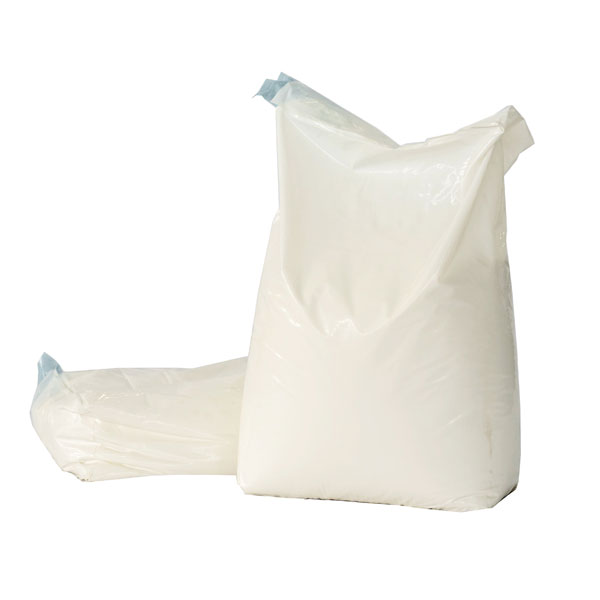
25kg unprinted multi-wall paper-plastic composite bags designed for private label distributors.
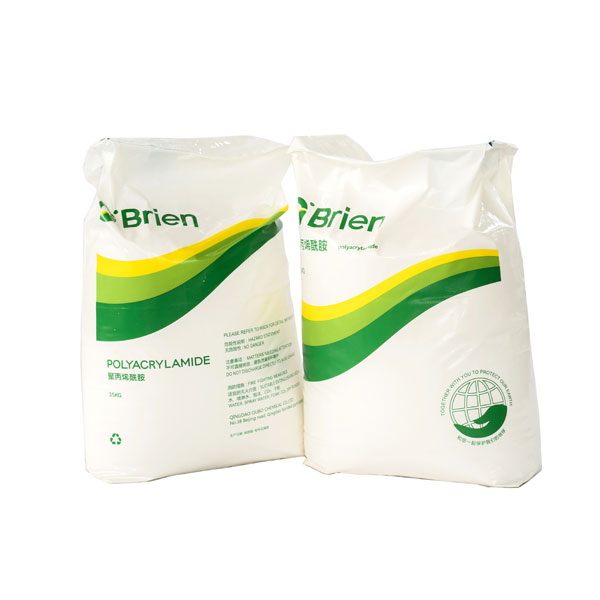
Heavy-duty O'brien branded UV-resistant PE lined bags for long-distance ocean transport.
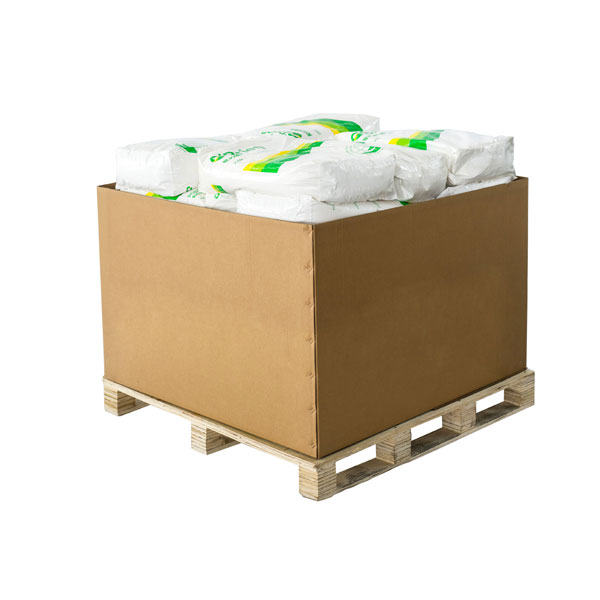
750kg – 1000kg FIBC super sacks fitted with bottom discharge spouts for automated dosing silos.
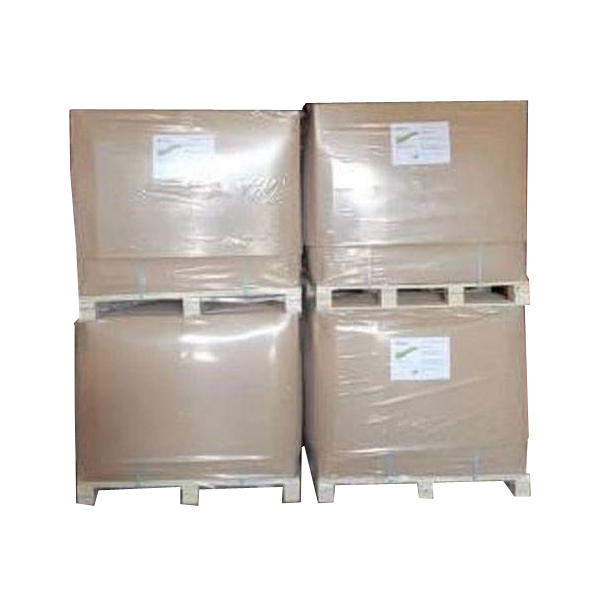
Heat-treated ISPM 15 wooden/plastic pallets wrapped with stretch film and heavy-duty strapping.
As global environmental frameworks enforce stricter thresholds on chemical discharge and microplastics, Oubo Chemical is leading the research into eco-friendly polymer architectures. Our strategic R&D roadmap focuses on three key pillars:
Utilizing high-efficiency post-polymerization degassing and bio-catalytic purification to yield zero-toxic monomer grades suitable for drinking water purification (NSF/ANSI Standard 60 compliant).
Integrating natural polysaccharides (starch, cellulose derivatives) into synthetic polyacrylamide backbones to accelerate environmental breakdown without compromising flocculation efficiency.
Developing rapid-dissolving micro-bead PAM that interfaces with real-time turbidity and charge-density sensors, enabling automated dynamic dosing in smart municipal wastewater plants.
Selection depends on the surface charge of suspended solids in your effluent. As a general rule:
• Use Cationic PAM (CPAM) for organic-rich sludge (municipal sewage, food processing, biological sludge dewatering).
• Use Anionic PAM (APAM) for inorganic mineral suspensions (sand washing, mining tailings, industrial washwater, high-turbidity clay).
• Use Nonionic PAM (NPAM) for highly acidic media (pH < 4) or specialized mineral leaching solutions. We strongly recommend sending water samples to Oubo’s technical team for laboratory jar testing to determine exact charge density requirements.
PAM powders must be fully dissolved in clean water (0.1% to 0.3% concentration) before addition to the effluent. Ensure continuous mechanical agitation (200–400 RPM) during slow powder dispersion to prevent the formation of "fish eyes" (undissolved gel lumps). Allow 45 to 60 minutes of aging time for full polymer chain extension. Avoid high-shear pumps that break long polymer chains.
Oubo Chemical is ISO 9001:2008 certified. All production batches are strictly inspected for active solid content, viscosity, charge degree, and residual monomer levels (< 0.05%). Products comply with international REACH standards and global environmental discharge guidelines.
Dry powder Polyacrylamide has a shelf life of 24 months when stored in original unopened packaging in a cool, dry, well-ventilated area away from moisture and direct sunlight. Liquid stock solutions should be consumed within 24 to 48 hours to prevent viscosity degradation.
Explore specialized PAM grades engineered for municipal sewage, petrochemical, mining, papermaking, and oilfield applications.
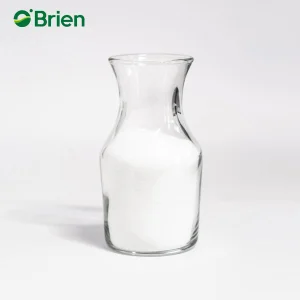
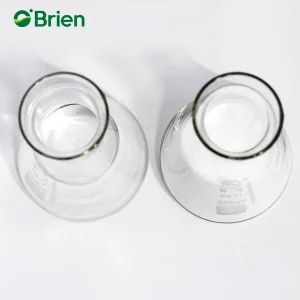
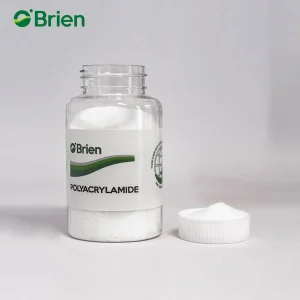
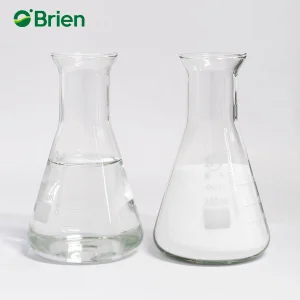
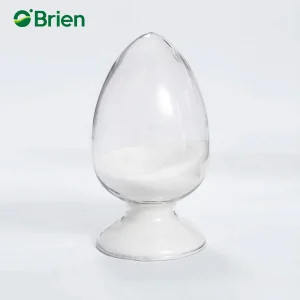
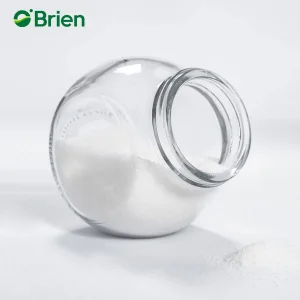
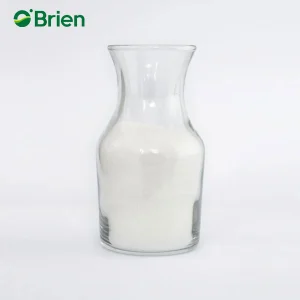
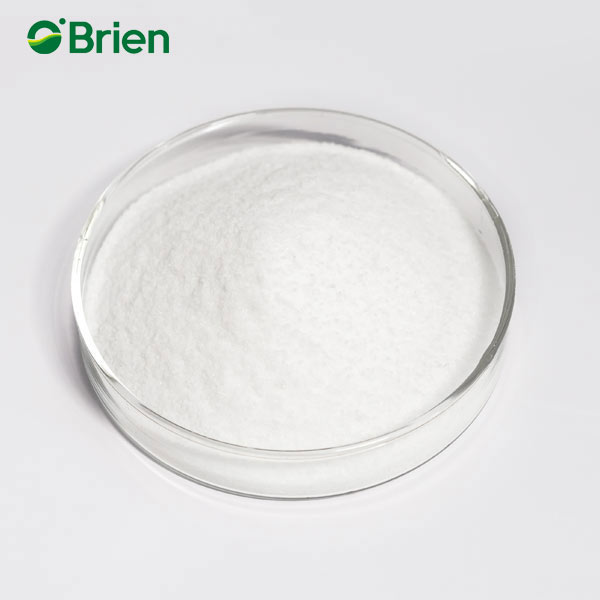
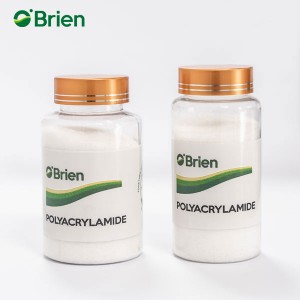
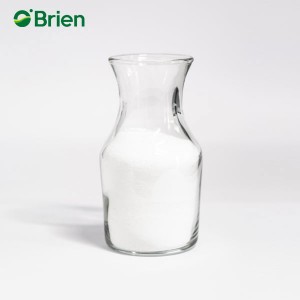
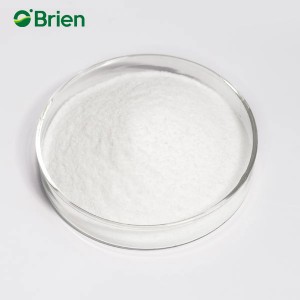
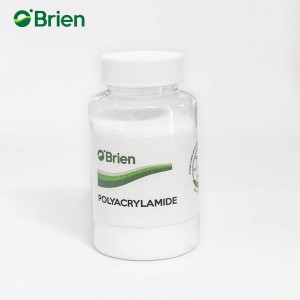
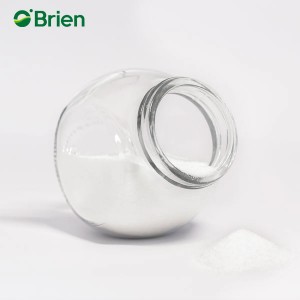
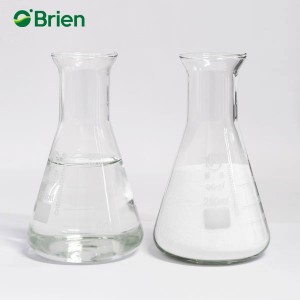
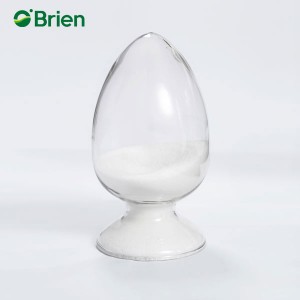
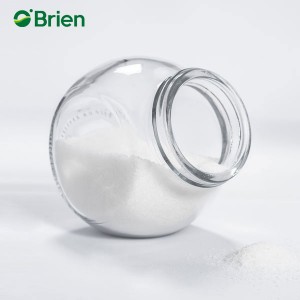
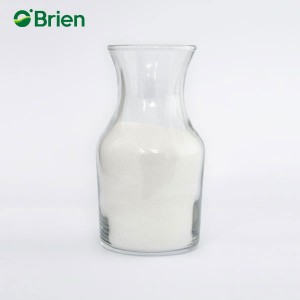
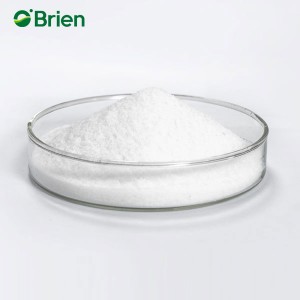
Visual presentation of Oubo Chemical's core polymer series including Cationic Polyacrylamide, Anionic Polyacrylamide, and Nonionic Polyacrylamide powder and micro-granules.
 Oubo Chemical