Engineered for precise solid-liquid separation, municipal sludge dewatering, oilfield enhanced recovery, and industrial process water clarification.
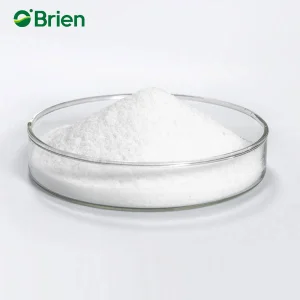
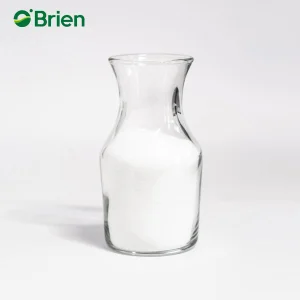
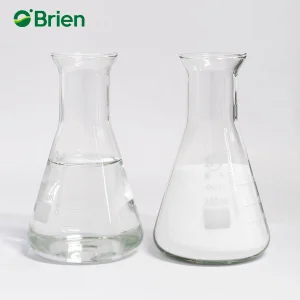
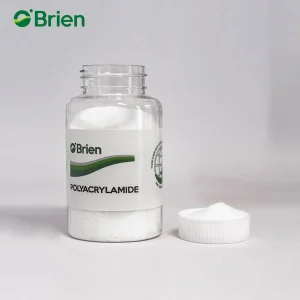
Integrating Advanced Enzymatic Synthesis, Strategic Raw Material Sourcing, and Rigorous QC Protocols to Deliver Industry-Leading Flocculant Solutions worldwide.
As global environmental regulations tighten and corporate Environmental, Social, and Governance (ESG) frameworks transition from voluntary reporting to mandatory compliance, the global industrial water sector faces an unprecedented transformation. Industrial operators, municipal utility managers, and chemical procurement directors must reconcile dual imperatives: accelerating throughput efficiency while reducing Total Cost of Ownership (TCO) and achieving strict Zero Liquid Discharge (ZLD) mandates.
Key Takeaway for B2B Purchasing Officers: Standard commodity sourcing of synthetic polymers often yields sub-optimal dosing efficiency due to molecular weight degradation and inconsistent charge density. Oubo Chemical’s patented biological enzymatic production method ensures chain integrity, leading to a 15%–30% reduction in specific polymer consumption per dry metric ton of sludge.
Established in 2011 within the Qingdao Free Trade Zone, China, Qingdao Oubo Chemical Co., Ltd. has grown into a benchmark enterprise in water treatment chemicals, sustaining a consistent 10% annual business expansion over more than a decade. Operating at the intersection of chemical engineering excellence and sustainable manufacturing, Oubo Chemical commands an annual polyacrylamide production capacity exceeding 50,000 metric tons as certified by ISO 9001:2008 quality management standards.
Understanding ionic charge matching, molecular weight distribution, and functional monomer selection for optimized flocculation kinetics.
Synthesized via copolymerization of acrylamide with cationic monomers such as DAC (Acryloyloxyethyltrimethyl ammonium chloride) or DMC. CPAM carries positive electrical charges along its polymer backbone, making it extraordinarily effective for neutralizing negatively charged organic colloidal particles in municipal sewage and organic industrial sludge (e.g., slaughterhouse, food processing, and textile dyeing).
Formulated via copolymerization with acrylic acid monomers. APAM exhibits a dense negative charge density and high to ultra-high molecular weight (up to 25 Million Daltons). It promotes massive micro-floc aggregation via hydrogen bonding and charge bridging in inorganic wastewater streams, including metallurgical tailings, coal washing, silica suspension, and sand recycling systems.
Produced with minimal functional charge modification, NPAM operates predominantly through polymer bridging mechanism. It demonstrates superior chemical stability in highly acidic wastewater environments, mineral leaching liquors, and complex multi-component industrial streams where ionic polymers might undergo premature charge degradation or precipitation.
| Polymer Variant | Ionicity / Charge Density | Molecular Weight (Million) | Solid Content (%) | Primary Application Vector |
|---|---|---|---|---|
| CPAM (Cationic) | 10% - 80% (Low to Ultra-High) | 8 - 12 Million | ≥ 88% | Municipal Sludge Dewatering, Belt Press, Centrifuge |
| APAM (Anionic) | 5% - 60% (Low to High) | 12 - 25 Million | ≥ 88% | Mining Tailings, Coal Washing, Sand Washing, EOR |
| NPAM (Nonionic) | < 3% Hydrolysis | 6 - 12 Million | ≥ 89% | Acidic Industrial Effluent, Metal Leaching, Soil Stabilization |
Why Tier-1 multinational enterprises trust Oubo Chemical as their long-term manufacturing partner.
Unlike traditional chemical catalytic routes using copper catalysts (which introduce residual heavy metal impurities and broader molecular weight variance), Oubo employs a patented bio-enzyme catalytic method. This yields ultra-pure acrylamide monomer with higher conversion rates, lower unreacted monomer residues (<0.05%), and exceptionally linear polymer chains.
Oubo’s strategic raw material procurement partners include tier-1 global chemical leaders such as SINOPEC and Eni. Through strategic volume contracts, we mitigate raw material cost volatility, ensuring stable wholesale pricing and continuous product delivery even during global supply chain disruptions.
Our fully automated production lines feature real-time DCS process control systems. Every production batch undergoes rigorous 3-stage Quality Control testing (raw material purity, polymer solution viscosity, and dissolution rate verification) before issuance of Certificate of Analysis (COA) and port dispatch.
From municipal sludge dewatering to complex energy and paper processing sectors.
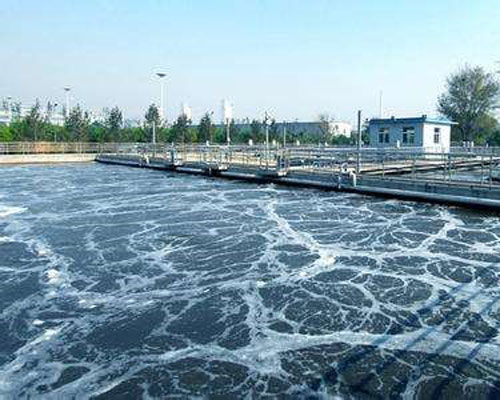
Cationic Polyacrylamide flocs bind fine organic particles, dramatically improving filtration cake dryness in belt filter presses, decanter centrifuges, and screw presses while reducing filtrate turbidity.
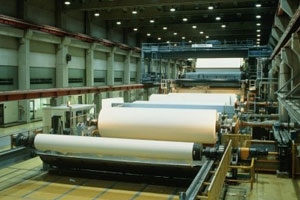
Functions as high-efficiency retention and drainage aids, anionic trash scavengers, and dry/wet strength agents, improving machine runnability, fiber retention, and white water recycling efficiency.
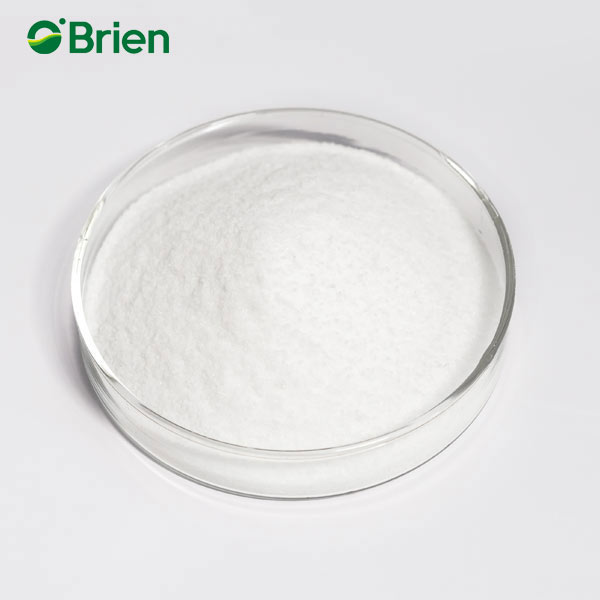
Utilized as mobility control sweep agents in tertiary oil recovery, shale inhibitors, friction reducers in hydraulic fracturing, and fluid loss additives in complex drilling fluids.

Accelerates solid-liquid separation in thickeners and tailing ponds for coal washing, iron ore, copper, gold, and alumina extraction, allowing rapid recycled water return to plant circuits.
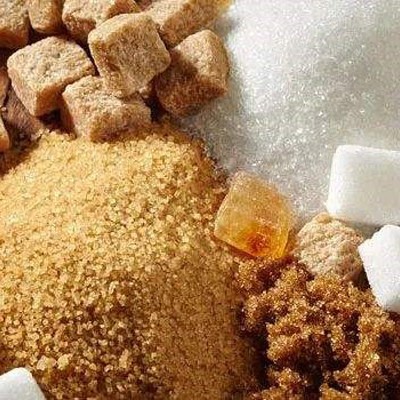
Food-grade anionic flocculants speed up cane and beet juice clarification and mud settling, maximizing yield while adhering to stringent food contact safety protocols.
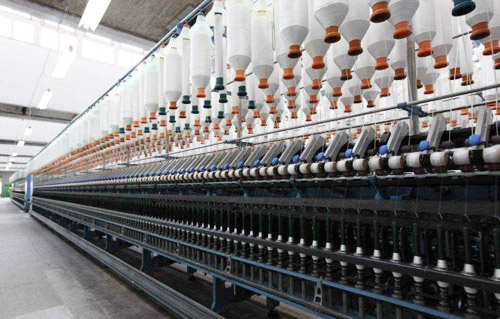
High charge cationic PAM rapidly breaks stable dye emulsions, decolorizes dye-house effluent, and removes Chemical Oxygen Demand (COD) prior to final biological oxidation.
Maximizing chemical efficacy through standardized trial procedures and precision dosage optimization.
Achieving optimal solid-liquid separation requires precise charge matching and molecular weight alignment. Oubo Chemical provides comprehensive pre-sales lab support and recommend plant engineers follow this standardized 5-step Jar Testing SOP:
Prepare a 0.1% (w/v) stock polymer solution using clean, unchlorinated water (dissolve 1.0g PAM powder into 1000 mL water under 300-500 RPM agitation for 45-60 minutes).
Fill jar tester beakers with 1000 mL substrate effluent. Incrementally dose stock solution (e.g., 2 ppm, 5 ppm, 10 ppm, 15 ppm equivalent) under rapid mixing (200 RPM) for 1 minute.
Reduce agitation speed to 40 RPM for 3-5 minutes to foster macroscopic floc growth via polymer bridge formation without shearing fragile flocs.
Halt agitation. Measure settling velocity (cm/min), supernatant clarity (NTU turbidity), and flocs compaction density over a 10-minute quiet period.
Moisture-proof, anti-caking, and palletized packaging configured for international ocean freight and extended storage durability.
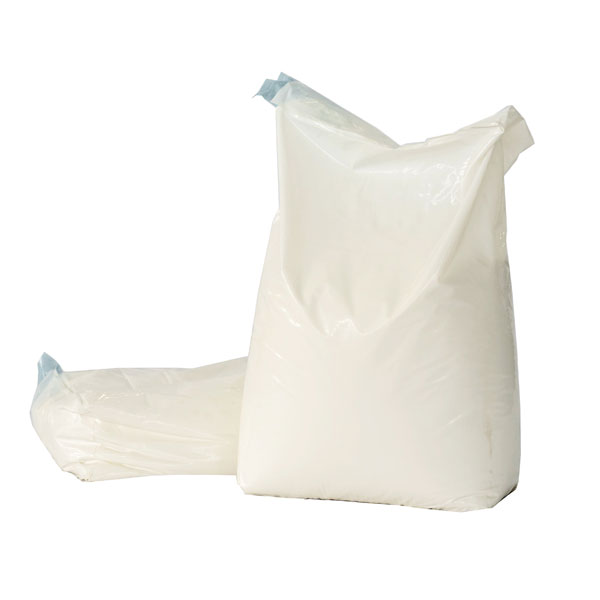
Heavy-duty 25kg multi-wall kraft paper or PE inner liner bags, customizable for OEM branding and local distributor distribution.
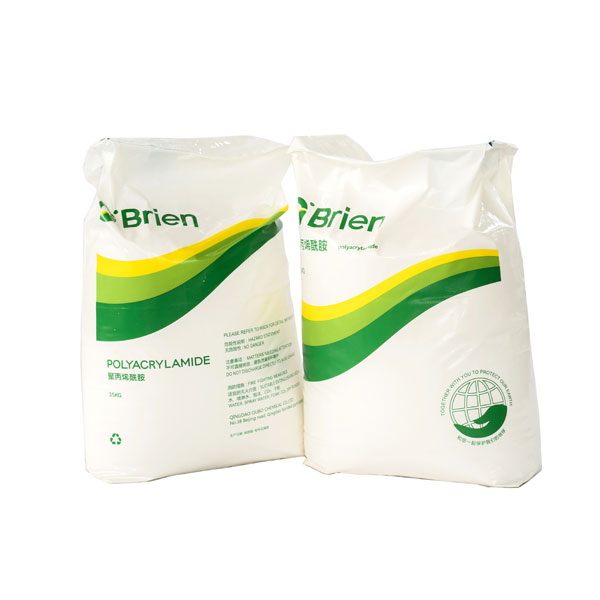
Standardized O'brien trade packaging equipped with full batch traceability labeling, safety hazard pictograms, and multi-language specs.
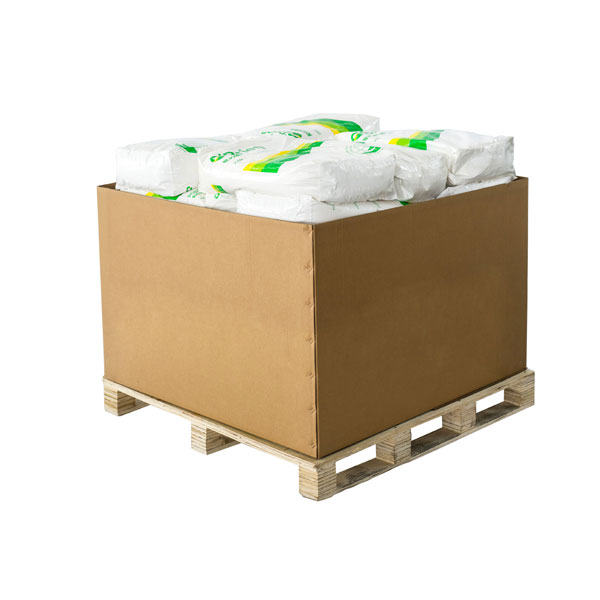
High-capacity woven polypropylene FIBC bulk bags designed with bottom discharge spouts for automated chemical dissolution systems.
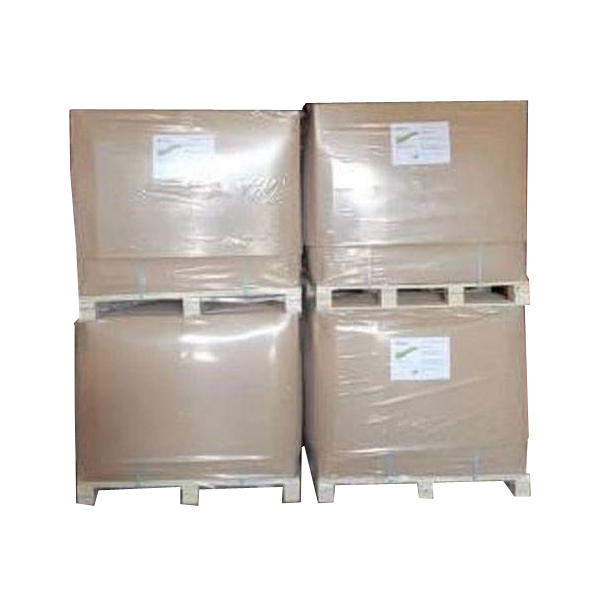
Fumigated wooden or plastic pallets, corner-board protected and stretch-wrapped to prevent sea-freight humidity ingress during transit.
Technical, procurement, and logistics insights for water treatment professionals.
Biological synthesis utilizes enzymatic catalysts rather than traditional copper catalysts. This process eliminates copper contamination in the final product, achieves high monomer purity with ultra-low residual acrylamide toxicity (<0.05%), and preserves linear polymer structures. This structural integrity translates directly to higher viscosity solutions, faster dissolution rates, and improved floc strength at lower dosages.
Selection depends on substrate charge and pH. Organic sludges (e.g., biological municipal sludge, food processing waste) carry negative charges and respond best to Cationic PAM (CPAM). Inorganic suspensions (e.g., mining tailings, clay, metal processing) respond to Anionic PAM (APAM). Highly acidic or uncharged streams perform best with Nonionic PAM (NPAM). We recommend sending effluent samples to our Qingdao lab for zero-cost Jar Testing and charge density matching.
When stored in original sealed packaging in a cool, dry, ventilated environment below 35°C (95°F), dry powder PAM has a shelf life of 24 months. Avoid exposure to ambient moisture, direct sunlight, and heat sources, which can cause hydro-caking or thermal chain cleavage.
Powder PAM should be prepared at a concentration of 0.1% to 0.3% (1g to 3g per Liter of water). Allow an aging time of 45-60 minutes under gentle agitation (300 RPM max) to ensure full polymer chain hydration. Prepared aqueous solutions should ideally be consumed within 24-48 hours, as aqueous PAM slowly hydrolyzes over time.
Oubo Chemical operates under ISO 9001:2008 certification. Raw materials are sourced directly through enterprise agreements with SINOPEC and Eni. Located in Qingdao Free Trade Zone, we maintain a 50,000 MT/year throughput capacity, enabling fast vessel loading and reliable multi-container shipments globally.
Yes. Our dedicated technical R&D team tailor molecular weights (ranging from 6 Million to 25 Million Daltons) and charge density levels (from 5% to 80%) to fit complex customer water matrices, including high salinity, extreme pH, or elevated temperature applications.
Explore our broader selection of polyacrylamide formulations for specialized industrial operations.
 Oubo Chemical