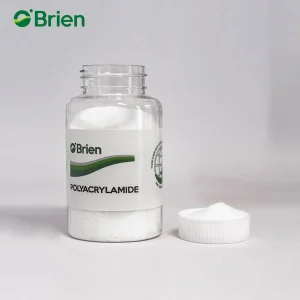
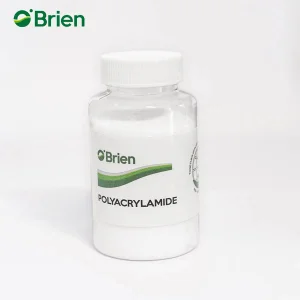
High-performance Cationic, Anionic, and Nonionic Polyacrylamide formulations engineered for maximum liquid-solid separation efficiency.
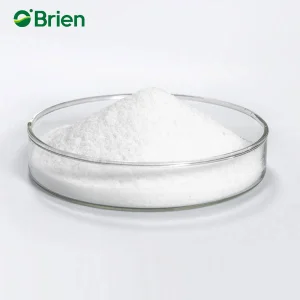
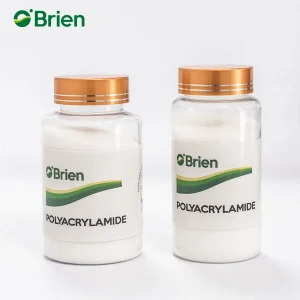
Macroeconomic drivers, environmental compliance frameworks, and polymer chemistry evolution reshaping water security worldwide.
Water scarcity, heightened environmental regulations, and zero-liquid-discharge (ZLD) mandates have elevated Polyacrylamide (PAM) water treatment polymers into essential chemical infrastructure across municipal and industrial domains. Modern wastewater treatment is no longer merely a disposal protocol; it has matured into a strategic process focused on resource recovery, water reuse, and valuable byproduct extraction.
Globally, the market for water-soluble synthetic polymers is expanding rapidly, driven by stringent effluent parameters imposed by the US EPA, EU Water Framework Directive, and China’s Environmental Protection Law. Polyacrylamide (CAS 9003-05-8) serves as the cornerstone synthetic linear resin, formed via the polymerization of acrylamide monomers. Its high molecular weight (ranging from 3 Million to over 22 Million Daltons) and customizable ionic density make it uniquely capable of handling complex solid-liquid separation dynamics.
Positively charged cationic polymers systematically neutralize negative surface charges on suspended colloidal silica, organic matter, and biological sludges, collapsing the electrical double layer.
Extremely high-molecular-weight polymer chains adsorb onto multiple suspended particles simultaneously, forming large, dense micro-flocs capable of rapid gravitational settling.
Formulated polymer matrices maintain structural integrity under intense hydraulic and mechanical shear stress inside decanter centrifuges, belt presses, and multi-disk screw presses.
The effectiveness of wastewater polymers depends on matching the charge density (mol %) and hydrodynamic molecular weight (MW) to the Zeta Potential of the effluent matrix. Over-dosing creates charge reversal and restabilization, while under-dosing leads to poor floc consolidation and high filtrate turbidity. Optimal dosing reduces Chemical Oxygen Demand (COD), Total Suspended Solids (TSS), and sludge cake moisture contents concurrently.
Detailed technical analysis of Cationic (CPAM), Anionic (APAM), and Nonionic (NPAM) functional matrices.
| Polymer Class | Ionic Charge Density Range | Molecular Weight Range | Optimal Application Domains | Key Performance Indicators |
|---|---|---|---|---|
| Cationic Polyacrylamide (CPAM) | 5% - 80% (Cationicity) | 6 - 12 Million Daltons | Municipal biological sludge, organic industrial effluent, paper deinking, textile dyeing. | High filter cake dryness, clear filtrate release, fast cake formation. |
| Anionic Polyacrylamide (APAM) | 10% - 60% (Anionicity) | 12 - 22 Million Daltons | Mineral beneficiation, coal washing, inorganic suspended solids, paper retention, oilfield EOR. | Ultra-fast sedimentation, low dosage requirement, high shear stability. |
| Nonionic Polyacrylamide (NPAM) | 0% - 5% (Neutral Charge) | 8 - 15 Million Daltons | Acidic industrial effluent, highly saline waste streams, soil stabilization, leach mining. | Stable performance across extreme pH (1-10) and high electrolyte concentrations. |
CPAM is synthesized by copolymerizing acrylamide with cationic monomers such as DAC (Acryloyloxyethyltrimethyl Ammonium Chloride) or DMC (Methacrylatoethyltrimethyl Ammonium Chloride). Because municipal and organic industrial sludges carry strong negative surface charges due to biological cellular structures, CPAM provides immediate charge neutralization followed by polymer bridging. This rapid destabilization releases bound interstitial water, allowing mechanical dewatering systems to achieve dry solids contents exceeding 25-35%.
APAM is produced through the copolymerization of acrylamide with sodium acrylate monomers or through partial hydrolysis of polyacrylamide. Possessing long, highly extended macromolecular chains in solution due to charge repulsion along the backbone, APAM excels at bridging positively charged or neutral inorganic suspended particles such as clay, silt, metal hydroxides, and mineral tailings.
NPAM consists of pure polymerized acrylamide without ionic functional side groups. Operating purely via hydrogen bonding and dipole interaction mechanisms, NPAM is the solution of choice when wastewater contains high concentrations of inorganic salts, aggressive acids, or complex heavy metals that would otherwise deactivate ionic polymers.
Combining advanced biological enzymatic monomer synthesis with Qingdao Free Trade Zone supply chain logistics.
Unlike traditional chemical synthesis utilizing copper catalysts—which leave hazardous heavy metal traces and generate unwanted side-reactions—Oubo Chemical utilizes 3rd-generation biological enzymatic catalysis. This proprietary method converts Acrylonitrile directly to Acrylamide monomer at lower temperatures with high yield purity.
Located in the Free Trade Zone of Qingdao, China, Qingdao Oubo Chemical Co., Ltd. benefits from seamless integration with global maritime shipping lanes, bonded warehousing, and immediate access to raw petrochemical precursor pipelines from SINOPEC and Eni.
Tailored polymer formulations solving complex industrial wastewater and process water challenges worldwide.
Used extensively in primary clarification, secondary biological sludge thickening, and final mechanical dewatering via belt filter presses and centrifuges. Ensures clean supernatant overflow and dry disposal cakes.
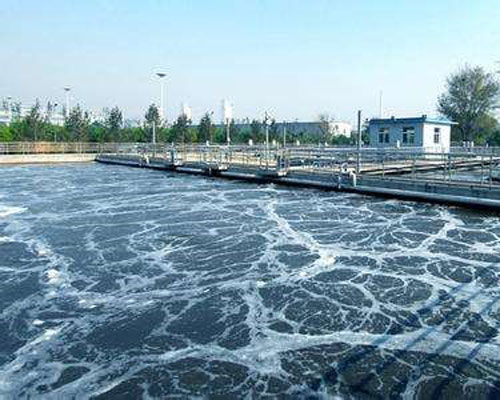
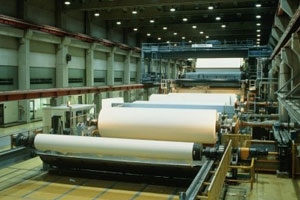
Functions as wet-end retention aids, drainage accelerators, and dry/wet strength agents. Neutralizes anionic trash, increases fine fiber and filler retention, and clarifies white process water.
Serves as a polymer flooding thickener for Enhanced Oil Recovery (EOR), friction reducer in hydraulic fracturing fluids, shale inhibitor, and fluid-loss control agent in drilling mud formulations.
Essential for coal washing, tailings dewatering, and solid-liquid separation in gold, copper, iron, and nickel beneficiation circuits. Promotes rapid settling of fine slurry suspensions.

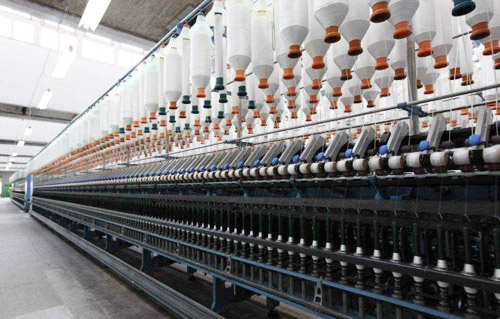
High cationic polymers neutralize high-charge dye molecules, breaking difficult emulsions, removing intense color, and flocculating suspended textile sizing agents for easy removal.
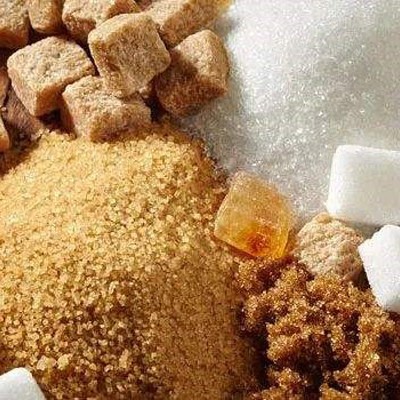
Food-grade anionic flocculants accelerate juice clarification and juice flotation in cane and sugar beet processing, guaranteeing maximum sucrose yield and crystal clarity.
Ensuring supply chain reliability, product integrity, and compliance for international industrial chemical buyers.
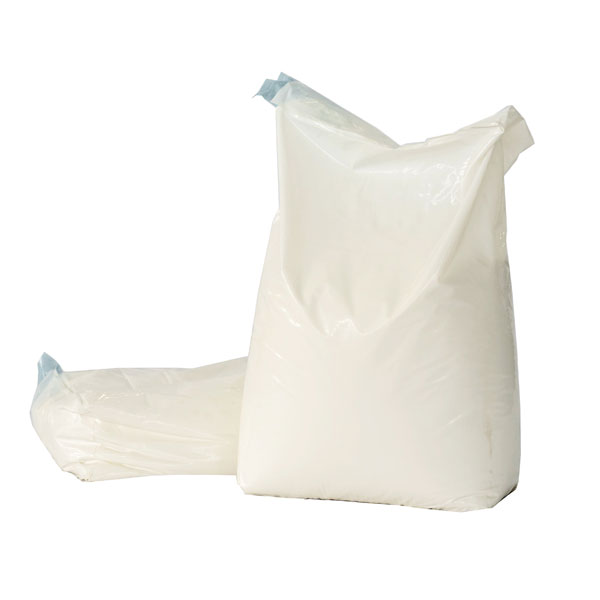
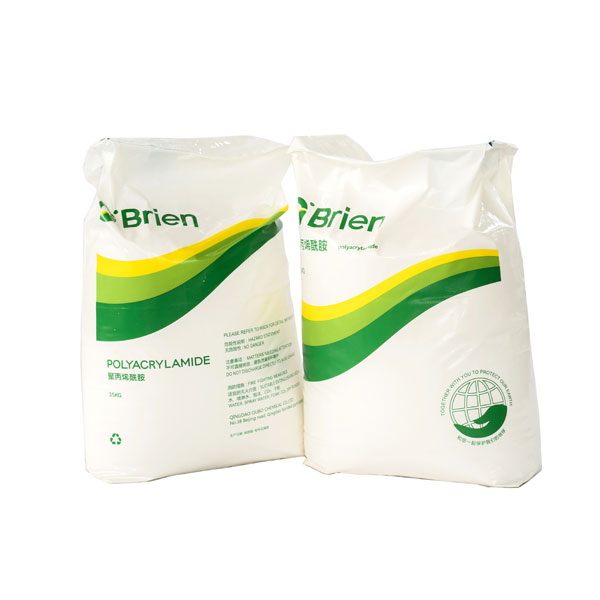
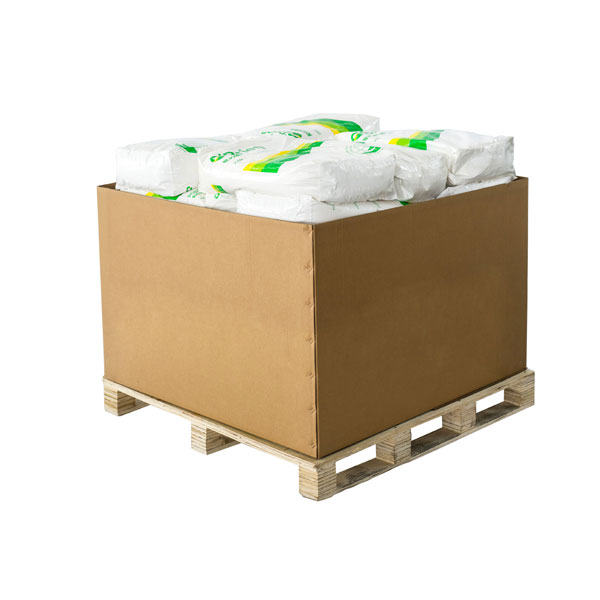
When procuring Polyacrylamide at commercial scale, procurement directors must evaluate technical parameters beyond basic unit price per metric ton. Key procurement specifications include:
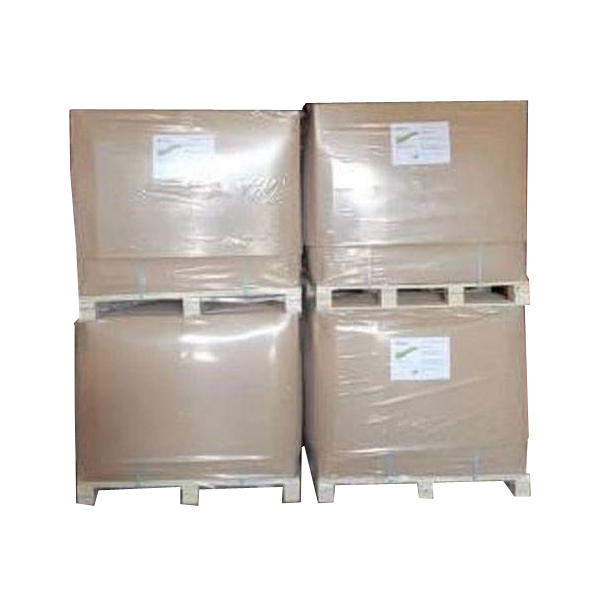
How green chemistry innovations and automated dosing telemetry are reducing operational carbon footprints.
The water treatment chemicals industry is undergoing a major transformation toward sustainability and digital optimization. Forward-thinking chemical manufacturers are focusing on two major developmental vectors:
Research into partially bio-based acrylamide monomers derived from renewable plant starches and agricultural residues is accelerating. These hybrid polymers maintain the high molecular weights required for industrial flocculation while drastically improving environmental degradation rates in post-disposal sludge land-application scenarios.
Traditional chemical dosing relies on manual beaker jar testing, leading to frequent over-dosing during peak influent flow or under-dosing during parameter spikes. Next-generation installations integrate automated inline sensors (measuring Zeta potential, streaming current, and turbidity) linked directly to variable-speed polymer metering pumps. This dynamic dosing feedback loop reduces chemical consumption by up to 20-30% while maintaining optimum cake dryness.
Authoritative answers to critical engineering, application, and procurement questions.
Explore our complete portfolio of high-purity wastewater treatment chemicals and industrial auxiliaries.
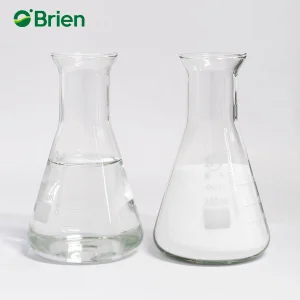
Empowering global industries with eco-friendly polymer innovations and tailored technical support.
Established in 2011 within the Free Trade Zone of Qingdao, China, Oubo Chemical Co., Ltd. has grown at a steady annual rate of 10%, breaking through an annual polyacrylamide capacity of 50,000 Tons. Marketed under our flagship brand O'brien, our products have gained widespread recognition across North America, Europe, Asia-Pacific, and the Middle East.
Our quality management system is fully certified under ISO9001:2008. We prioritize environmental influence throughout polymer production and application, investing millions annually in research to deliver high-performance, low-residue polymer solutions.
 Oubo Chemical