High-purity Anionic, Cationic, and Nonionic PAM formulations engineered for municipal sludge dewatering, industrial wastewater clarification, oilfield EOR, and papermaking efficiency.
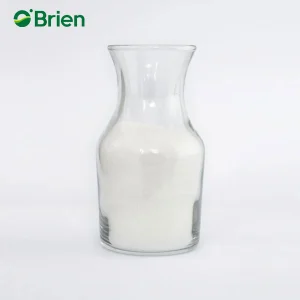
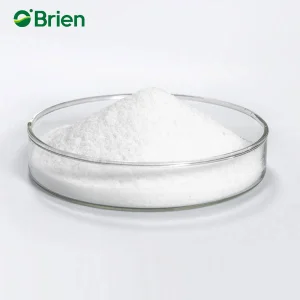
Oubo Chemical Co., Ltd. was established in 2011, strategically headquartered in the Free Trade Zone of Qingdao, China. Operative within a state-of-the-art chemical manufacturing ecosystem, Oubo Chemical has asserted itself as a primary global powerhouse in the synthesis, formulation, and distribution of water-soluble polymers—specifically Polyacrylamide (PAM). Over the past decade, Oubo’s robust Quality Control (QC) protocols and sustained technological innovation have powered an annual business growth rate exceeding 10% consistently. Qingdao Oubo Chemical Co., Ltd. remains intensely committed to product excellence, operational transparency, client support, and ecological stewardship during polymer manufacturing and application.
Specializing in the continuous synthesis of Cationic Polyacrylamide (CPAM), Anionic Polyacrylamide (APAM), and Nonionic Polyacrylamide (NPAM), Oubo leverages advanced automated polymerization lines and a dedicated engineering unit. By 2018, Oubo’s annual production capacity broke through the 50,000 Metric Ton milestone. The facility operates under a certified ISO 9001:2008 Quality Management System, reinforcing rigorous process controls from raw material acquisition to final particle size distribution analysis. We proudly stand behind every ton of polymer delivered globally.
Information Gain Insight: Unlike conventional PAM synthesis that relies heavily on thermally disruptive chemical catalysts, Oubo Chemical incorporates patented biological enzyme conversion methods. This clean bio-catalytic process yields acrylamide monomers with ultra-high purity (>99.9%), drastically reducing residual free monomer toxicity (AMD < 0.05%) and enhancing linear polymer chain lengths up to 22 Million Daltons.
Why leading global EPCs, municipal utilities, paper mills, and mining conglomerates choose Oubo Chemical as their long-term supply chain partner.
Qingdao OUBO Chemical Co., Ltd. is a global leader in Polyacrylamide synthesis. Utilizing proprietary biological methods for monomer conversion, our process ensures maximum chain linearity and ultra-low monomer residues while investing millions annually into molecular R&D.
Integrated within a global raw material supply chain (purchasing directly from tier-1 petrochemical suppliers like SINOPEC and Eni), our automated continuous production lines guarantee strict compliance with ISO9001. Every single batch is tested three times before release.
With decades of specialized manufacturing expertise, Oubo provides precise ionic charge tailoring (cationicity 5%-80%, anionicity 5%-90%) and custom molecular weight sizing to match specific centrifuge, filter press, or sedimentation tank hydraulics.
Our dedicated chemical engineering team participates across pre-sales bench testing (Jar Testing), dosage optimization, site trials, and after-sales process calibration to guarantee maximum solid-liquid separation at minimal operational expenditure.
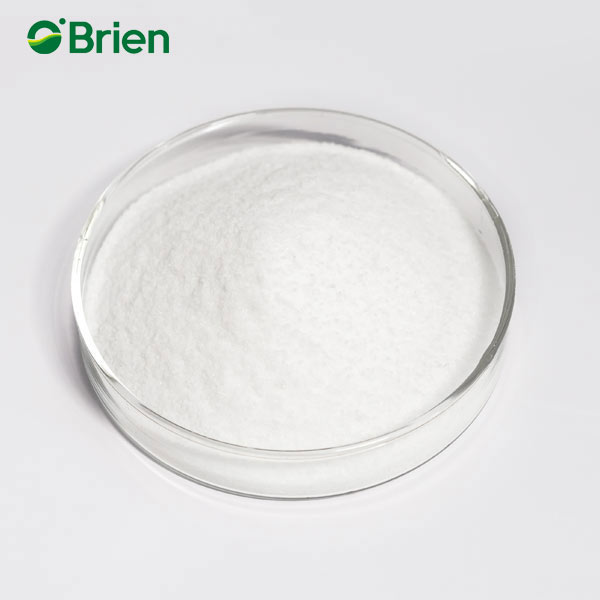
Polyacrylamide (CAS Registry Number 9003-05-8) is a synthetic water-soluble resin formed through the free-radical polymerization of acrylamide monomers ($C_3H_5NO$). In its pristine state, PAM is a non-toxic, dry white solid, highly soluble in water but insoluble in most organic solvents. The foundational chemical structure contains repeating amide groups ($-CONH_2$), which exhibit strong affinity for hydrogen bonding and electrostatic interactions.
The versatility of Polyacrylamide stems from its capability to be modified chemically into four distinct ionic configurations:
The global demand for high-performance flocculants is experiencing unprecedented acceleration driven by three primary industrial imperatives:
Environmental regulatory bodies worldwide (including the US EPA, EU Water Framework Directive, and China’s Environmental Protection Law) have imposed ultra-strict Total Suspended Solids (TSS), Chemical Oxygen Demand (COD), and Heavy Metal discharge thresholds. Enterprises must now recycle up to 95% of operational wastewater, mandating high-efficiency flocculants that accelerate water clarification and yield denser sludge cakes suitable for mechanical thermal drying.
Traditional chemical catalysis for acrylamide monomer production utilizes copper-based catalysts, which leave micro-trace metal contaminants and unreacted toxic monomers. Oubo Chemical’s adoption of microbial nitrile hydratase bio-catalytic technology converts acrylonitrile to acrylamide under ambient temperature and pressure with nearly 100% conversion efficiency. This green manufacturing evolution reduces energy consumption by 40% while delivering ultra-pure polymers essential for sensitive applications, such as potable water pre-treatment and paper production.
Industrial procurement teams are increasingly prioritizing chemical vendors with verifiable ESG credentials. By sourcing raw materials directly from continuous pipelines (Sinopec, Eni) located within port-adjacent Free Trade Zones, Oubo minimizes logistics carbon footprints while eliminating supply chain bottlenecks caused by geopolitical or maritime disruptions.
Selecting the optimal PAM formulation requires balancing Molecular Weight (MW) expressed in Millions of Daltons, Charge Density (CD) expressed as a percentage of hydrolysis/cationicity, and effluent physical chemistry. Below is the operational benchmark matrix:
| Polymer Type | Molecular Weight (Million Daltons) | Charge Density (%) | Primary Industrial Application Scenarios |
|---|---|---|---|
| Cationic PAM (CPAM) | 8 - 14 | 10% - 80% (High/Med/Low) | Municipal Sludge Dewatering (Centrifuge, Belt Press), Tannery Wastewater, Textile Dyeing, Paper Retention Aid. |
| Anionic PAM (APAM) | 12 - 22 | 5% - 60% Hydrolysis | Coal Washing Tailings, Mineral Ore Dressing (Copper/Gold), Enhanced Oil Recovery (EOR), River Dredging. |
| Nonionic PAM (NPAM) | 6 - 12 | < 3% (Neutral) | Acidic Industrial Effluents, Phosphoric Acid Clarification, Soil Erosion Control, Soft Paper Dispersant. |
| Super-High MW APAM | 18 - 25 | 20% - 40% Hydrolysis | Tertiary Oil Recovery Viscosifier, High-Shear Drilling Mud Loss Control, Deep Well Plugging. |
How Oubo Chemical leverages automated bio-synthesis, port-adjacent logistics, and continuous quality control to set global procurement standards.
Our Qingdao manufacturing base utilizes computerized DCS (Distributed Control Systems) to monitor temperature profiles, monomer dosing rates, and polymerization kinetics in real-time. This guarantees zero batch-to-batch variation and eliminates human error during cross-linking reactions.
Situated inside the Free Trade Zone of Qingdao, Oubo enjoys expedited customs clearance, duty-free raw material staging, and immediate access to one of Asia's largest deep-water shipping hubs, delivering containerized shipments to North America, Europe, and LATAM in record lead times.
Every lot produced undergoes rigorous laboratory validation prior to release: 1) Monomer Purity via Gas Chromatography, 2) Viscosity & Molecular Weight via Ubbelohde Viscometry, and 3) Filtration Ratio & Dissolution Speed testing in real wastewater samples.
Detailed operational breakdowns on how Oubo Polyacrylamide formulations optimize process efficiency across distinct industrial sectors.
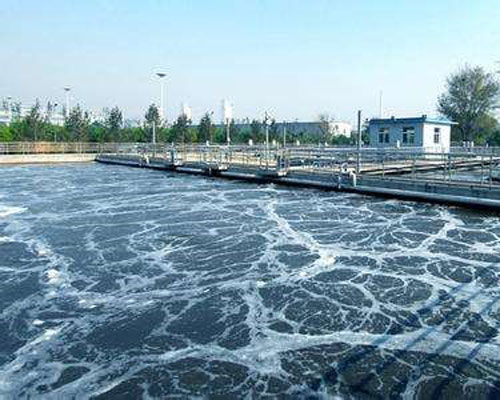
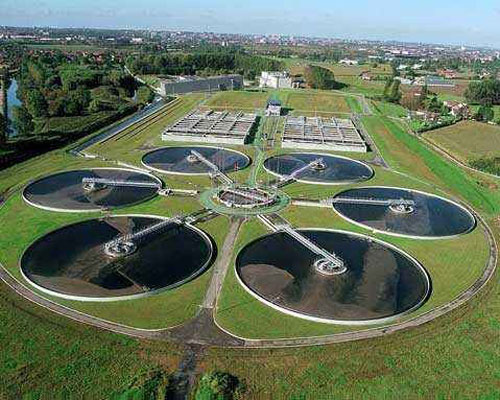
In municipal and industrial wastewater facilities, solid-liquid separation represents the core operational bottleneck. As a primary flocculating agent, Oubo Polyacrylamide operates seamlessly in settlement clarification, thickening tanks, and mechanical sludge dewatering systems (screw presses, decanter centrifuges, belt filter presses).
For municipal sewage, Cationic Polyacrylamide (CPAM) with medium-to-high cationicity effectively neutralizes the negative surface charge of organic biological sludge, forming large, compact flocs that shear cleanly during mechanical pressing. In industrial sectors—such as tanneries, breweries, paper mills, and citric acid processing—tailored PAM chemistry dramatically lowers cake moisture content, reducing sludge disposal costs significantly while ensuring compliant effluent discharge.
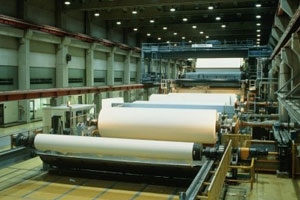
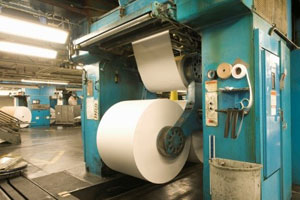
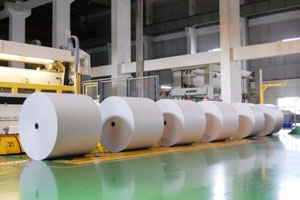
In modern high-speed paper machinery, Oubo Polyacrylamide functions as an indispensable chemical additive serving four critical wet-end functions:
Polyacrylamide plays a central role in upstream oil and gas development. In secondary and tertiary recovery operations (Enhanced Oil Recovery - EOR), high-molecular-weight Anionic PAM is injected into reservoir formations to increase water phase viscosity. This mobility control prevents viscous fingering, effectively driving residual crude oil toward production wells.
Furthermore, in drilling fluid formulations, Oubo PAM serves as a high-performance shale inhibitor, fluid-loss reducer, and borehole lubricant. It encapsulates drilled cuttings for rapid removal at the shale shaker, prevents wellbore collapse, cools the drill bit, and maintains mud rheology under severe high-temperature, high-pressure (HTHP) downhole conditions.


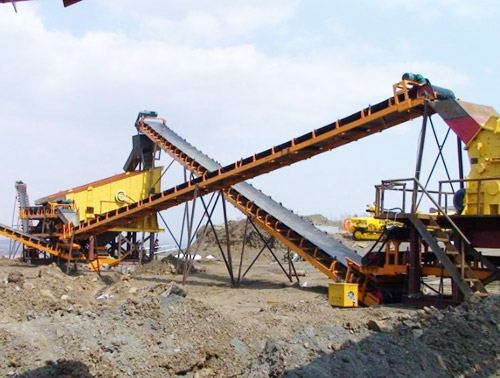
In mineral processing—including coal washing, tailings dewatering, and base metal extraction (gold, silver, copper, iron, nickel)—solid-liquid separation requires immense chemical efficiency. Oubo’s specialized nonionic and anionic PAM grades act as rapid settling agents in thickeners, clarifying recycled process water and accelerating vacuum disk filtration.
In coal washing plants, high-MW Anionic PAM rapidly aggregates fine coal slurries and clay particles, allowing clear overflow water to be reused immediately in the washing circuit, thus minimizing environmental discharge and tailings pond volume requirements.


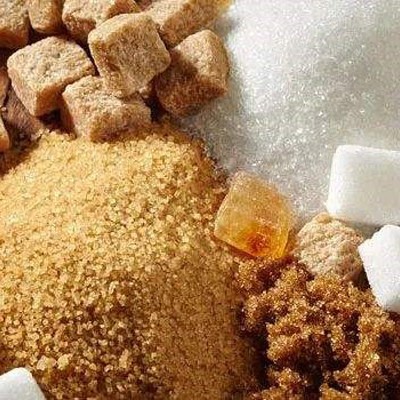
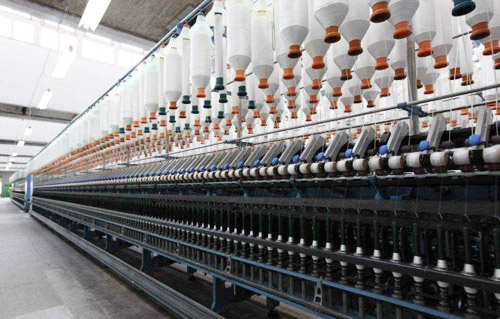
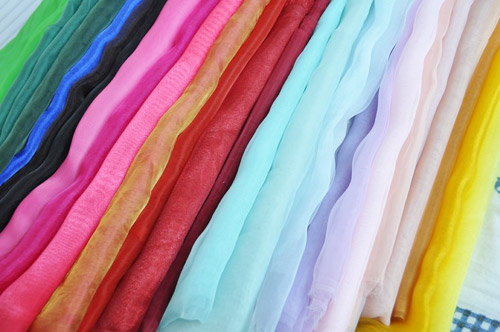
In the sugar industry, Anionic PAM facilitates the rapid clarification and flotation of raw sugarcane and sugar beet juices, separating organic impurities without altering pH balance or sucrose yields. In textile and dyeing facilities, specialized Cationic PAM effectively decolorizes high-COD dye effluents by binding to hydrophobic dye molecules. In food processing plants, food-grade certified PAM assists in protein recovery and vegetable wash water recycling.

Engineered packaging configurations designed to preserve hygroscopic stability and survive transoceanic transit.
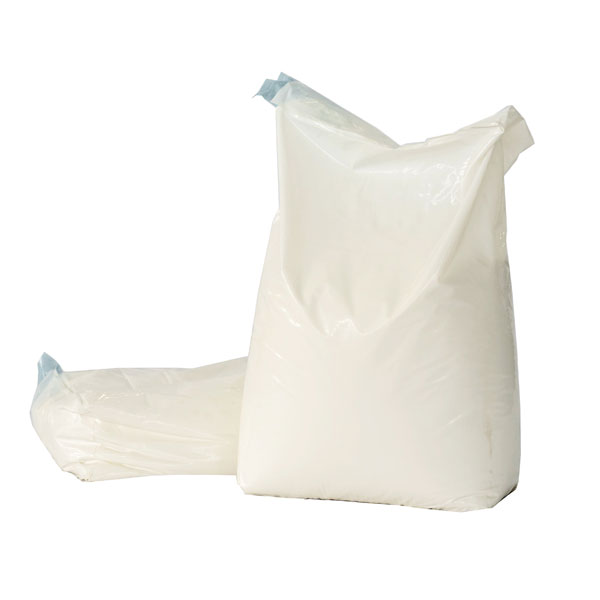
Neutral 25kg multi-wall kraft paper bags with internal PE moisture barrier liner. Ideal for OEM distributors and private labeling partners.
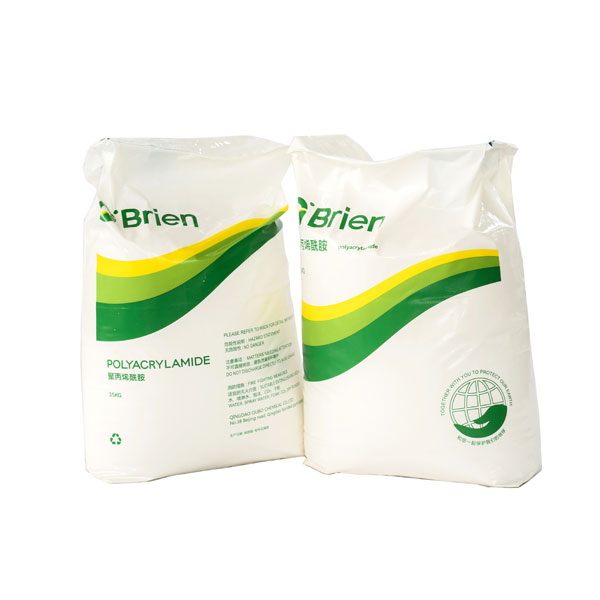
Standard Oubo branded high-density PE bags featuring full product specifications, batch numbers, net weight (25kg), and safety handling guidelines.
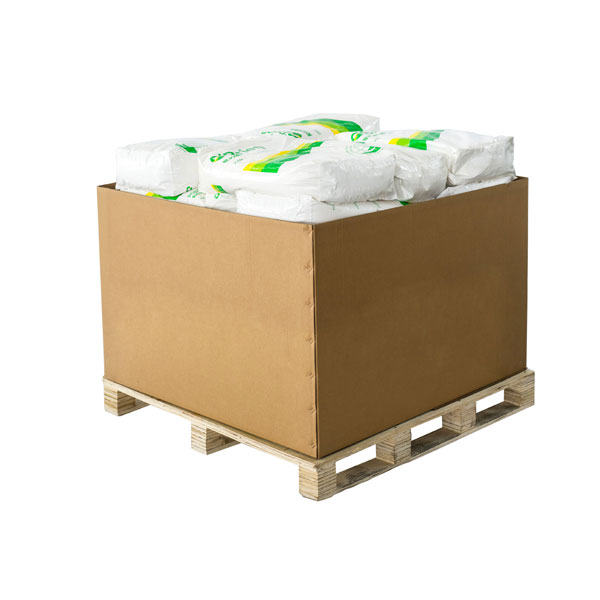
750kg and 1000kg heavy-duty FIBC super sacks equipped with bottom discharge spouts for automated chemical dissolution systems.
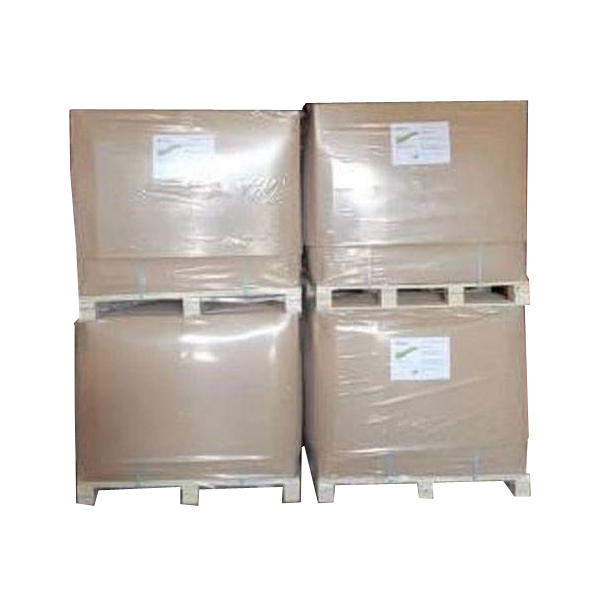
Fumigated wooden or plastic pallets (1.0 to 1.2 Metric Tons per pallet) fully heat-shrink wrapped for sea freight protection and fork-lift safety.
Answers to crucial technical questions regarding Polyacrylamide selection, dissolution dynamics, storage, and application optimization.
Explore our extended portfolio of high-molecular flocculants, thickeners, and specialized industrial water treatment reagents.
 Oubo Chemical