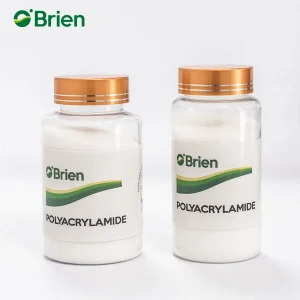
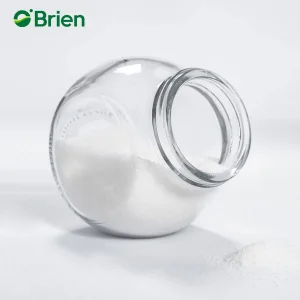
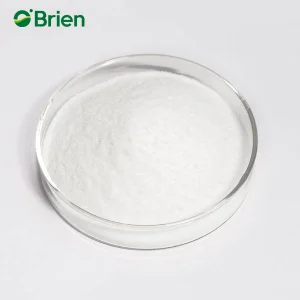
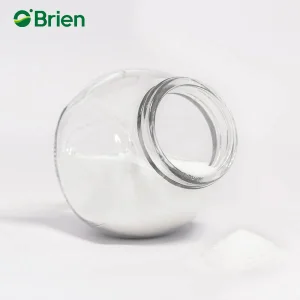
Explore our flagship chemical formulations manufactured under ISO 9001:2008 standards. Designed for high efficiency in paper dry/wet strength enhancement, municipal sludge dewatering, and complex industrial effluent treatment.
The global market for chemical strengthening agents—specifically synthetic water-soluble polymers centered around Polyacrylamide (PAM)—is undergoing a structural evolution. Driven by strict environmental regulations, increased reliance on recycled fiber streams in paper production, and intensifying industrial water reuse mandates, chemical strength aids have transitioned from basic additives to critical process enablers.
In modern papermaking, the continuous recycling of cellulose fiber reduces average fiber length and degrades inter-fiber hydrogen bonding capability. This leads to diminished physical strength metrics, including ring crush index, tensile strength, burst strength, and surface integrity. Direct application of tailored anionic, cationic, and amphoteric polyacrylamide strengthening agents restores fiber bonding pathways, allowing mills to increase secondary fiber ratios without sacrificing finished paper performance.
Repeated pulping cycles shorten cellulose fibrils and create high concentrations of anionic trash in the wet end. Advanced cationic strengthening agents act as charge neutralizers and structural linkers to sustain structural integrity.
Mills and chemical plants operating under Zero Liquid Discharge (ZLD) policies require polymers with maximum retention efficacy, preventing chemical build-up in closed-loop water circulation systems.
By accelerating wet-end dewatering and improving press section mechanical water removal, high-performance PAM polymers dramatically cut steam consumption in dryer sections, directly lowering carbon emissions per ton of product.
Polyacrylamide (PAM) is a high-molecular-weight polymer synthesized from acrylamide monomers. Its structural versatility stems from precise control over molecular weight ($1 \times 10^6$ to $2.5 \times 10^7$ Daltons) and ionic charge density (ranging from 5% to 80%). The primary function of PAM as a dry and wet strengthening agent relies on three fundamental chemical mechanisms:
Cationic Polyacrylamide (CPAM) contains quaternary ammonium groups ($-\text{N}^+(\text{CH}_3)_3$) that readily interact with negatively charged carboxyl groups ($-\text{COO}^-$) found on pulp fibers and mineral fillers (calcium carbonate, kaolin). This electrostatic attraction neutralizes repelling charges, facilitating fiber-to-fiber collapse and compaction during web consolidation.
The abundant primary amide groups ($-\text{CONH}_2$) along the backbone of Anionic Polyacrylamide (APAM) and Nonionic Polyacrylamide (NPAM) form strong hydrogen bonds with fiber hydroxyl ($-\text{OH}$) groups. Under drying temperatures, cross-linking reactions establish a rigid molecular matrix within the paper web, directly boosting tensile strength and bursting strength.
| Polymer Ionic Type | Charge Density Range | Molecular Weight Range | Primary Papermaking & Industrial Function |
|---|---|---|---|
| Cationic PAM (CPAM) | 5% – 80% High/Medium | 5.0 – 12.0 Million | Wet/Dry Strength Agent, Retention Aid, Anionic Trash Neutralizer, Sludge Dewatering |
| Anionic PAM (APAM) | 10% – 60% Low/High | 8.0 – 25.0 Million | Dry Strength Co-additive, Flocculant for Mineral Processing, Wastewater Clarification |
| Nonionic PAM (NPAM) | Near Neutral (<1%) | 6.0 – 15.0 Million | Fiber Dispersant, Acidic Effluent Dewatering, Soil Stabilizer, Filtration Aid |
| Amphoteric PAM | Dual Charge Custom | 4.0 – 10.0 Million | Advanced Dry Strength for High-Conductivity Closed Water Systems |
Established in 2011 within the Qingdao Free Trade Zone, China, Qingdao Oubo Chemical Co., Ltd has emerged as a globally recognized leader in polyacrylamide production. Operating from one of Asia's premier chemical logistics hubs, Oubo combines raw material procurement advantages with proprietary bio-catalytic synthesis technology.
Oubo utilizes patented biological enzymatic catalytic processes to synthesize monomer acrylamide. Compared to conventional chemical copper-catalyst methods, our biological route delivers higher purity, lower residual acrylamide monomer content (<0.05%), and zero toxic heavy metal contamination.
With an annual polyacrylamide capacity exceeding 50,000 Metric Tons, Oubo leverages direct pipeline integration and long-term strategic contracts with global chemical giants such as SINOPEC and Eni, ensuring raw material price stability and continuous batch-to-batch consistency.
We allocate over €2 Million annually into R&D. Operating under strict ISO9001:2008 Quality Management Systems, every product batch undergoes a 3-stage pre-shipment quality audit using advanced gel permeation chromatography (GPC) and viscosity analysis.
Polyacrylamide strengthening agents and flocculants are engineered for high-performance adaptation across diverse industrial ecosystems. Below is a detailed technical analysis of how Oubo PAM solutions operate in real-world mill and municipal environments:
Functional Roles: Dry Strength Agent, Wet Strength Agent, Retention Aid, Drainage Aid, Anionic Garbage Capture.
In high-speed paper machines, adding Oubo Cationic or Anionic PAM to the wet-end stock increases fine fiber and filler retention by up to 25%. The polymer promotes uniform fiber dispersion, improves web dewatering efficiency on the Fourdrinier wire, and elevates Ring Crush Test (RCT), Concora Medium Test (CMT), and Mullen Burst values in packaging board and containerboard production.
Functional Roles: Primary Flocculation, Sludge Conditioning, Centrifugation & Belt Filter Press Dewatering.
Oubo high-charge Cationic PAM rapidly destabilizes colloidal suspensions in biological sludge. It transforms fine suspended solids into large, tightly bound macro-flocs, dramatically reducing cake moisture content in decanter centrifuges and belt presses across municipal wastewater plants, leather tanneries, and food processing units.
Functional Roles: Mobility Control Buffer, Drilling Fluid Loss Reducer, Shale Inhibitor, Fracturing Fluid Polymer.
In tertiary oil recovery, ultra-high molecular weight APAM is injected to increase the viscosity of displaced water, controlling mobility ratios and sweeping residual crude oil from reservoir pores. Nonionic PAM acts as a mud stabilizer and temperature-resistant fluid loss additive in challenging deep-well drilling environments.
Functional Roles: Tailings Dewatering, Mineral Thickening, Solid-Liquid Separation.
During coal washing and metallurgical mineral processing (iron, copper, gold, alumina), fine suspended solids in process water slow down sedimentation. Oubo anionic flocculants accelerate particle settling velocities by up to 10x, enabling rapid thickener overflow clarification and recycled water recovery.
Beyond paper and wastewater treatment, Oubo PAM products perform vital roles in Textile Printing & Dyeing (as dye fixatives, sizing agents, and heavy metal decolorizers) and Sugar Refining (clarifying raw juice by accelerating sugarcane solids settling during juice extraction).
Safe, moisture-proof, and standardized packaging is critical to maintaining the activity and shelf life of solid polyacrylamide dry strength powders. Oubo Chemical provides robust packaging options compliant with international shipping regulations:
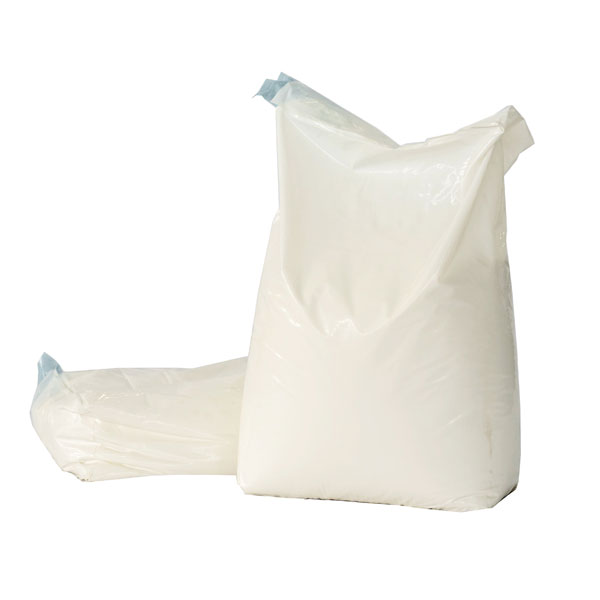
25kg multi-wall paper-plastic composite bag with inner PE liner. Ideal for OEM distributors requiring custom localized labeling.
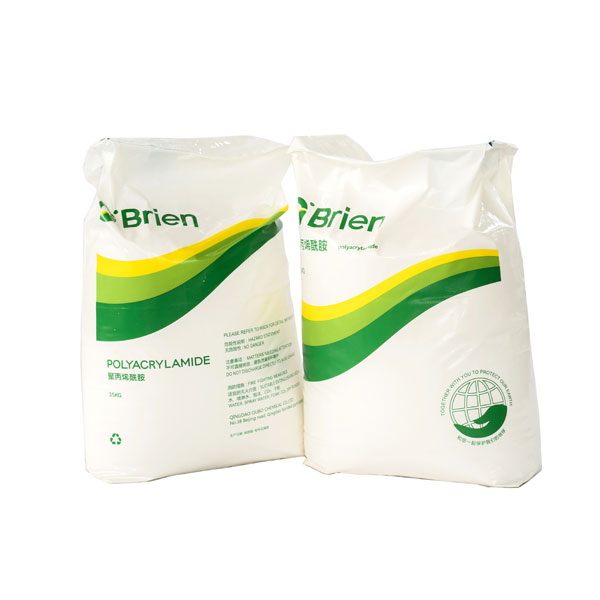
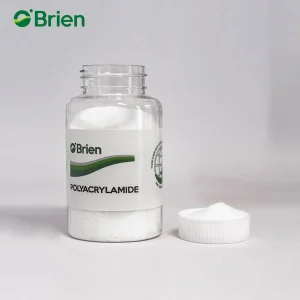
Standard O'brien branded export packaging featuring multi-lingual technical specs and storage safety warnings.
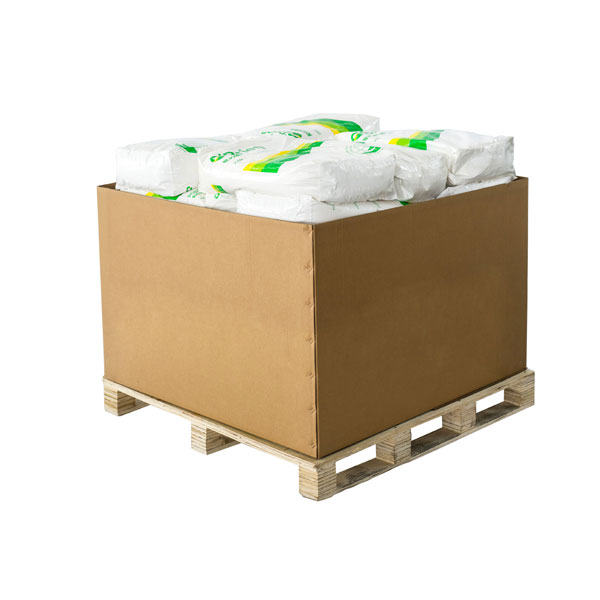
750kg – 1000kg heavy-duty bulk bags equipped with bottom discharge spouts for automated chemical dissolution systems.
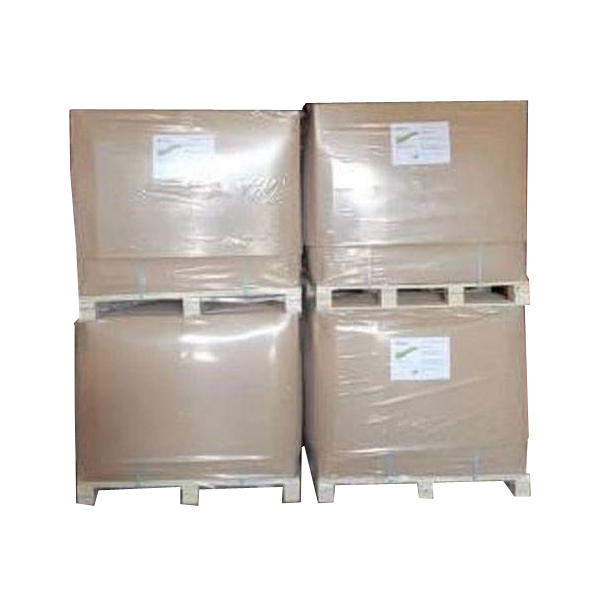
Fumigated wooden or plastic pallets, shrink-wrapped with UV-resistant film to prevent sea-freight moisture ingress.
Browse our additional targeted cationic, anionic, and nonionic polyacrylamide formulations engineered for specific industrial challenges.
For enterprise chemical buyers, paper mill procurement managers, and municipal technical directors, evaluating polyacrylamide suppliers requires balancing chemical purity, performance efficiency, and total cost of ownership (TCO). Use this procurement matrix to guide supplier vetting:
Never select a polymer based on price per ton alone. Request 500g factory samples to perform laboratory Jar Testing. Evaluate settling speed (cm/min), supernatant clarity (NTU), sludge filtration rate (ml/sec), and cake dry solids percentage to calculate real dosage costs per ton of dry pulp/sludge.
High-quality PAM powders must dissolve completely within 45 to 60 minutes of agitation without forming undissolved "fish-eye" gels. Incomplete dissolution leads to pump clogging, wire blinding in papermaking, and chemical waste.
Ensure your chemical manufacturer complies with international health and safety protocols. Residual acrylamide monomer (AMD) should be verified via HPLC testing below 0.05% for industrial grades and below 0.02% for food-contact paper grades.
Answer: Dry strength agents (such as anionic PAM or cationic starch-PAM complexes) enhance paper strength metrics—like burst, tensile, and ring crush—in the dry state by forming reversible hydrogen bonds between cellulose fibers. Wet strength agents (like PAE resin or specialized cationic polyacrylamides) establish permanent or temporary covalent cross-links that resist water hydrolysis, allowing wet paper products (like paper towels or packaging exposed to moisture) to retain 15% to 30% of their dry strength when fully saturated.
Answer: PAM molecules possess long polymeric chains populated with amide and ionic functional groups. When added to paper pulp stock, cationic PAM directly adsorbs onto negatively charged fibers via electrostatic attraction. This reduces fiber surface charge, encourages micro-flocculation, and forms a dense inter-fiber bridge network during web pressing and drying, substantially elevating structural strength properties.
Answer: Qingdao Oubo Chemical Co., Ltd offers distinct advantages: an annual capacity of over 50,000 tons, advanced biological catalytic monomer synthesis, direct raw material sourcing from SINOPEC/Eni, strict ISO9001:2008 quality control, and strategic logistics positioning within the Qingdao Free Trade Zone. We provide direct chemical engineering technical support from pre-sales jar testing through to full mill application optimization.
Answer: Dry PAM powder should be dissolved in water at a concentration of 0.1% to 0.3% (w/v) using a mechanical agitator running at 200–400 RPM for 45–60 minutes. Avoid high-shear pumps to prevent polymer chain scission. Solid PAM dry powder has a shelf life of 24 months when stored in sealed, cool, dry environments away from direct moisture and sunlight.
Answer: Yes, through a Dual-Polymer System (Dual-PAM). Cationic PAM is added first to neutralize anionic trash and create primary cationic anchor sites on the fibers. Anionic PAM is then introduced downstream to create strong ionic bridges between the cationic polymer layers. This dual-addition method yields significantly higher dry strength gains than single-polymer systems, particularly in closed-loop recycled paper mills.
Answer: You can contact our technical sales team with your specific operational parameters (e.g., pulp type, pH, conductivity, wastewater suspended solids level). Oubo Chemical provides complimentary lab samples tailored to your target molecular weight and charge density requirement, accompanied by step-by-step jar testing guidelines from our R&D chemical engineers.
 Oubo Chemical