Direct Factory Wholesale Supply with Precision Chemical Specs & ISO9001 Compliance
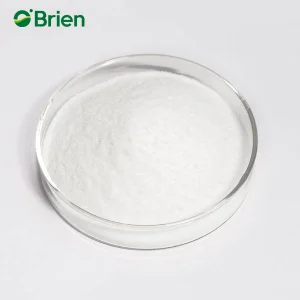
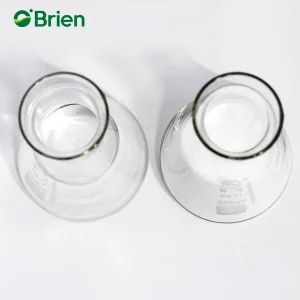
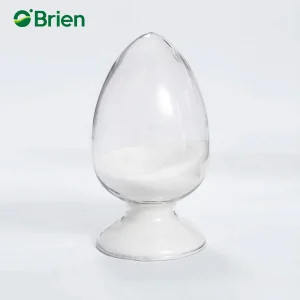
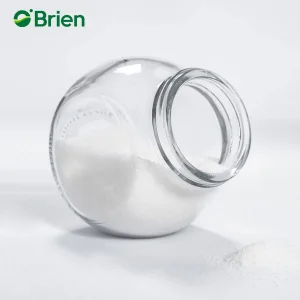
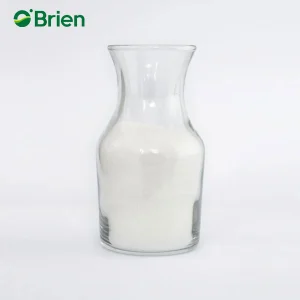
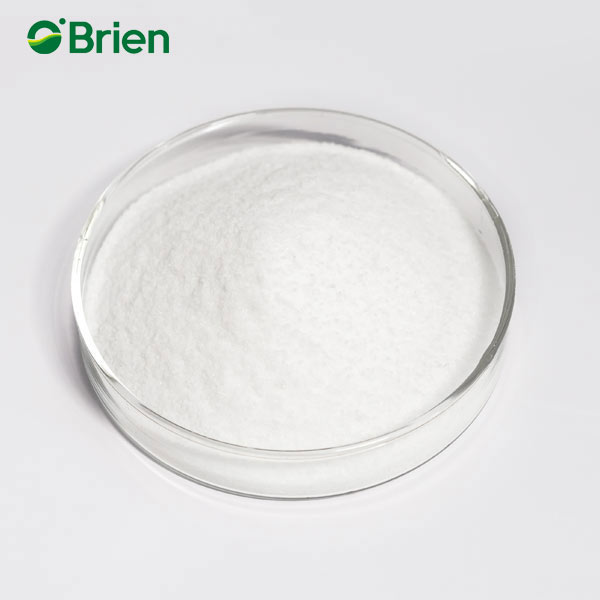
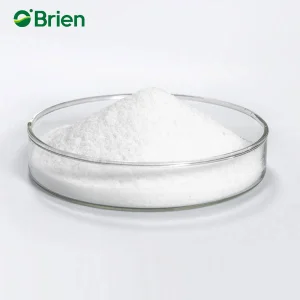
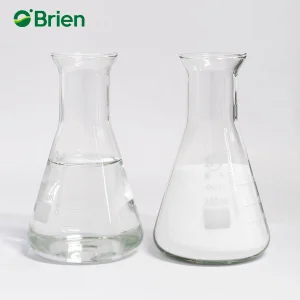
Polyacrylamide (CAS 9003-05-8) is a synthetic, high-molecular-weight, water-soluble polymer produced through the polymerization of acrylamide monomers. In solid granular or powder form, solid polyacrylamide offers exceptional stability, extended shelf life, lower transportation volume, and cost-effective bulk handling compared to emulsion alternatives. As global environmental mandates tighten and resource extraction efficiency becomes paramount, the demand for solid PAM across municipal wastewater engineering, tertiary oil recovery, mining tailings separation, and papermaking wet-end chemistry has surged globally.
The global commercial market for solid polyacrylamide is driven by distinct regional requirements. In North America and the Middle East, high-molecular-weight anionic polyacrylamide (APAM) dominates Enhanced Oil Recovery (EOR) and slickwater hydraulic fracturing fluids. In Europe, stringent urban wastewater directives drive cationic polyacrylamide (CPAM) consumption for mechanical sludge dewatering centrifuges and belt filter presses. Meanwhile, rapidly industrializing regions across Asia-Pacific and Latin America generate robust demand for nonionic polyacrylamide (NPAM) and specialized flocculants for mineral processing, coal washing, and infrastructure soil stabilization.
| Polymer Type | Ionic Charge Range | Molecular Weight (Da) | Primary Industrial Applications |
|---|---|---|---|
| Anionic Polyacrylamide (APAM) | 5% - 40% Hydrolysis | 6 Million - 25 Million | Mineral Processing, Coal Washing, EOR, Industrial Effluent Coagulation Aid |
| Cationic Polyacrylamide (CPAM) | 10% - 80% Ionization | 8 Million - 12 Million | Municipal Sludge Dewatering, Papermaking Retention, Organic Wastewater Clarification |
| Nonionic Polyacrylamide (NPAM) | Ultra-Low Charge (<2%) | 5 Million - 15 Million | Acidic Effluent Treatment, Soil Conservation, Selective Mineral Flotation, Drilling Fluids |
| Amphoteric PAM (ACPAM) | Dual Ionic Balance | 4 Million - 10 Million | Complex Refractory Wastewater, High-Salinity Sludge, Specialized Bio-sludge Dewatering |
Established in 2011 within the Free Trade Zone of Qingdao, China, Oubo Chemical Co., Ltd. stands as a premier global manufacturer of solid polyacrylamide.
Oubo utilizes patented biological enzymatic methods to synthesize acrylamide monomers. This low-temperature bio-catalytic process yields higher purity monomers, completely eliminating toxic acrylic acid by-products and ensuring superior polymer chain regularity.
Certified under ISO9001:2008, our fully automated production lines integrate continuous inline viscometry and laser diffraction particle size testing. Every single manufacturing batch undergoes triple-stage QC validation prior to international shipping.
Located directly in the Qingdao Free Trade Zone, Oubo enjoys seamless global export logistics, rapid customs processing, and immediate access to deep-water maritime shipping routes connecting directly to Europe, the Americas, and Southeast Asia.
Oubo Chemical Co., Ltd. has recorded a steady annual growth rate of over 10% for ten consecutive years, surpassing an annual production capacity breakthrough of 50,000 metric tons in 2018. By partnering with world-class monomer and chemical reagent suppliers including SINOPEC and Eni, Oubo guarantees unmatched structural stability, low residual monomer concentrations (<0.05%), and hyper-repeatable dissolution kinetics in every batch.
China has established itself as the global epicenter of solid polyacrylamide production, driven by comprehensive supply chain integration, raw material availability, and advanced scale engineering. Sourcing wholesale solid PAM directly from premier Chinese manufacturers like Oubo Chemical provides global enterprise buyers with distinct structural cost benefits and technical advantages:
Traditional chemical catalysis (using copper catalysts) leaves copper residues and creates undesirable side-reactions. Chinese leaders like Oubo deploy 3rd generation bio-enzyme technology (microbial nitrile hydratase). This process operates under ambient temperature, reduces energy consumption by 40%, yields monomer purity exceeding 99.9%, and produces PAM with ultra-high molecular weights (up to 25-30 Million Da).
China's domestic petrochemical infrastructure ensures direct pipeline feeding of key feedstocks (Acrylonitrile / AN). By sourcing AN directly from domestic petrochemical majors like SINOPEC, manufacturing facilities minimize transport volatility, isolate production from global spot price shocks, and maintain uninterrupted large-scale continuous synthesis.
Modern Chinese plants feature fully continuous tray or belt polymerization lines equipped with distributed control systems (DCS). This eliminates batch-to-batch variation, precise charge density targeting, and guarantees homogeneous granule distribution during drying and milling operations.
Proximity to mega-ports like Qingdao enables optimized container loading, palletization, and custom OEM packaging (e.g., 25kg multi-ply moisture-proof Kraft bags or 750kg jumbo bags) directly from factory floors to overseas discharge ports at minimal total land-sea freight costs.
Solid polyacrylamide serves as an irreplaceable functional chemical across major global heavy industries.
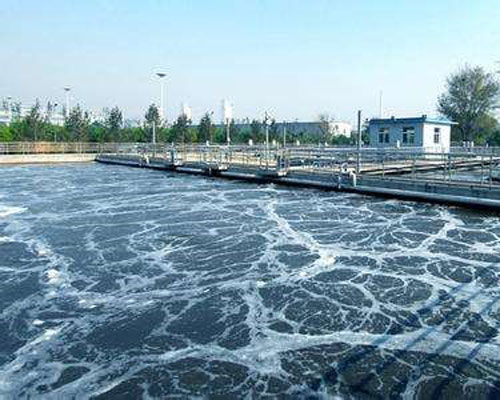
Municipal & Industrial Effluent: CPAM and APAM act as high-efficiency flocculants. They form bridges between suspended particles, building large, fast-settling flocs. Essential for decanter centrifuges, chamber filter presses, and belt presses in municipal sewage, paper mill effluent, food processing wastewater, and leather tannery treatment.
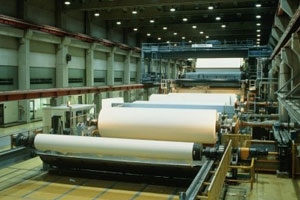
Retention & Drainage Aids: Cationic and Anionic PAM improve fine fiber and filler retention (titanium dioxide, calcium carbonate), speed up wire drainage, increase dry/wet tensile strength, and neutralize troublesome anionic trash in recycled fiber pulp streams.
Enhanced Oil Recovery & Drilling Fluids: High molecular weight APAM increases injection water viscosity to sweep crude oil from subterranean reservoirs. In drilling operations, nonionic and anionic PAM function as shale inhibitors, fluid loss control agents, bit lubricants, and friction reducers in slickwater fracturing.
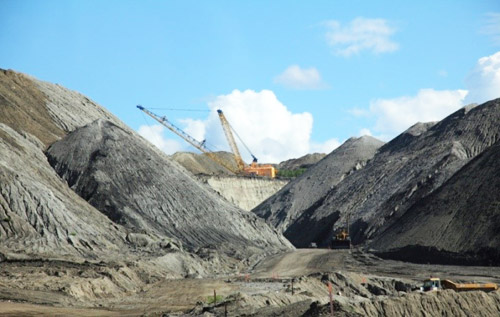
Tailings Dewatering & Beneficiation: Essential for coal washing slurries, iron ore tailings, gold/silver hydrometallurgical leaching, alumina red mud settling, and copper concentrate filtration. Speeds up liquid-solid separation and enables clean water recycling in closed-loop mining operations.
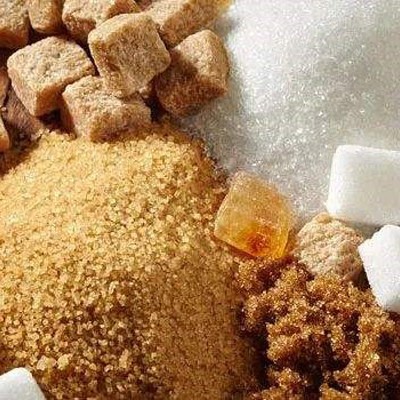
Juice Clarification & Settling: Food-grade anionic polyacrylamide accelerates the precipitation of impurities during sugar cane and sugar beet juice clarification, yielding clear syrup and optimizing evaporation crystallizer efficiency.
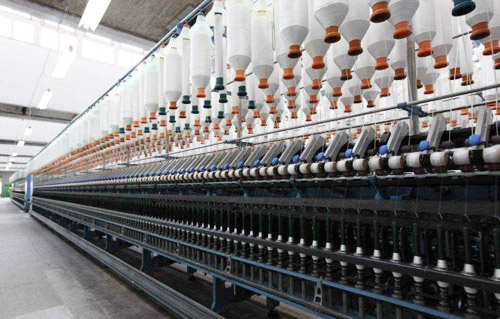
Sizing & Dye Effluent Dewatering: Solid PAM functions as a fabric sizing agent to minimize yarn breakage during weaving. In textile wastewater treatment, cationic PAM decolorizes heavy dye effluent and flocs complex organic pigments.
The water-soluble polymer industry is undergoing a major transformation driven by global Environmental, Social, and Governance (ESG) criteria and Zero Liquid Discharge (ZLD) regulations. Modern procurement teams prioritize environmental compliance alongside technical specs:
Global health regulations (e.g., EU REACH, US EPA) demand stringent limits on residual monomeric acrylamide (AMD) due to its neurotoxic properties. Advanced bio-enzymatic manufacturing ensures Oubo's solid polyacrylamide maintains residual AMD levels below 0.05% (500 ppm standard) and under 300 ppm for sensitive potable water treatment grades.
Top manufacturers are pioneering decarbonized production routes by using bio-based feedstocks derived from renewable agricultural sugars to create acrylamide monomers, significantly lowering Scope 1 and Scope 2 carbon footprints for international buyers.
Deep ocean drilling and high-salinity oil reservoirs require solid polymers that withstand extreme shear forces and reservoir temperatures exceeding 90°C. Chemical engineering advancements focus on introducing sulfonate monomers (such as AMPS) into polyacrylamide backbones to enhance thermal and salt stability.
Preserving polymer active content and preventing caking during ocean transit through sealed moisture-barrier packaging.
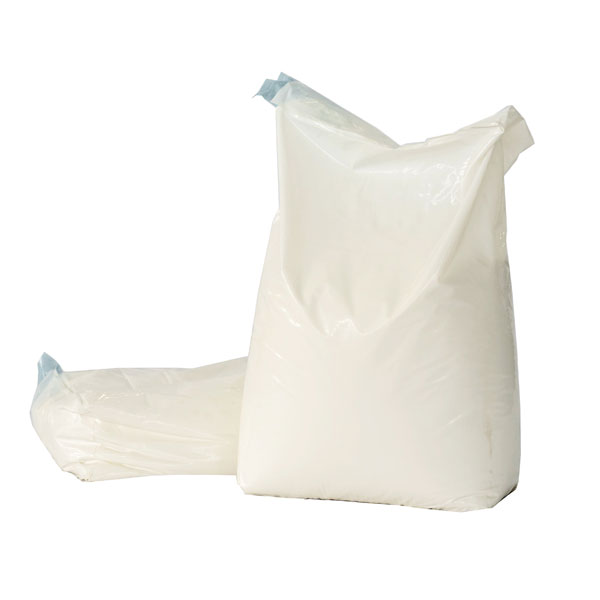
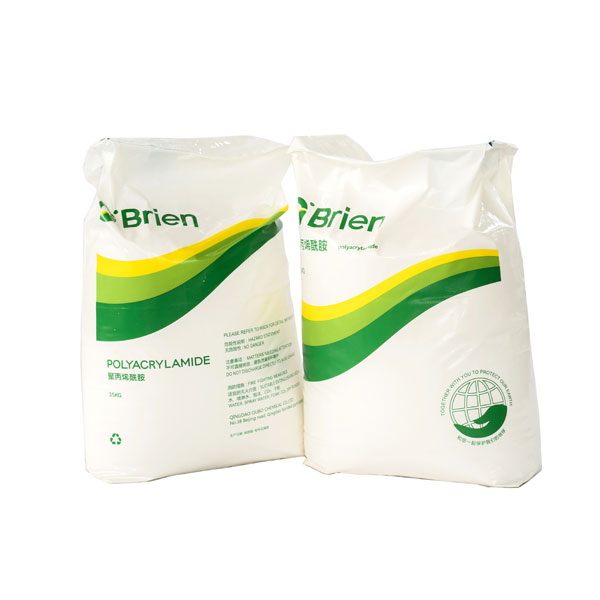
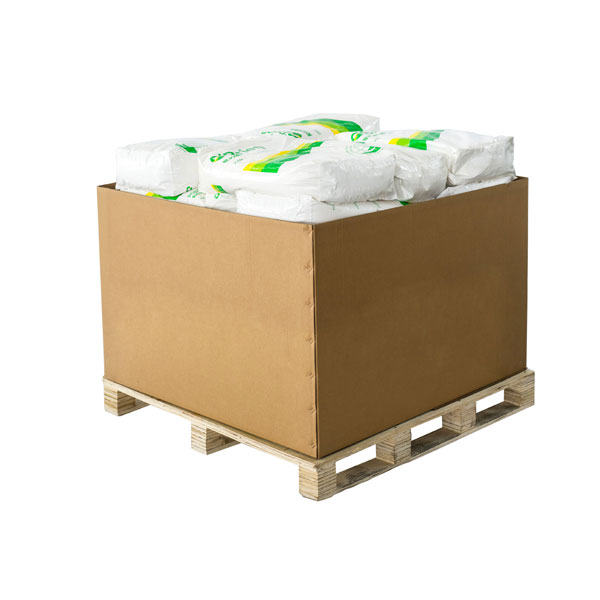
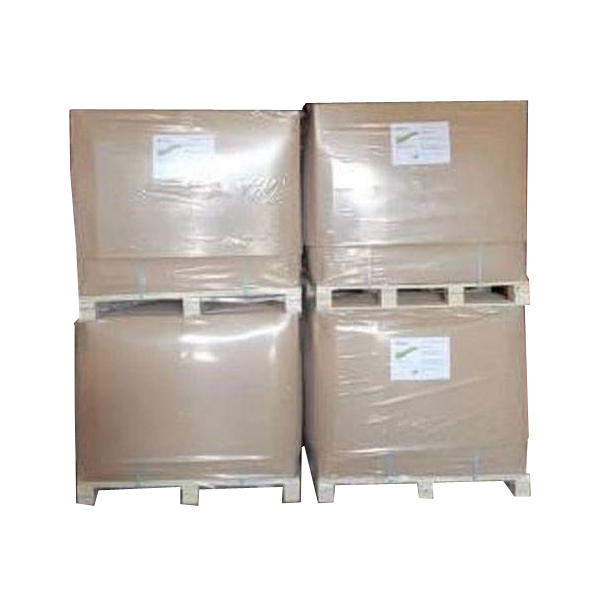
Storage Best Practices: Solid Polyacrylamide powders are hygroscopic. Granules must be stored in cool, dry, ventilated warehouses away from open flames, heat sources, and direct moisture. Standard shelf life under unopened, sealed conditions is 24 months from the manufacturing date.
Selecting the correct solid polyacrylamide formulation requires systematic laboratory testing and field calibration. Industrial buyers should follow a structured evaluation procedure to maximize cost performance:
Expert Chemical & Logistics Insights for Procurement Managers and Process Engineers
Solid PAM consists of 100% active powder or granular polymer with an extended shelf life (up to 2 years) and significantly lower shipping costs per active ton. Emulsion PAM contains roughly 30-50% polymer active content suspended in oil-water carriers, which offers faster dissolution (15 minutes vs 60 minutes) but carries higher logistics costs and a shorter shelf life.
Ionic choice depends on the surface charge of the suspended particles in your substrate. Anionic PAM is ideal for positively charged inorganic mineral suspensions (sand, clay, iron, coal fines). Cationic PAM works best for negatively charged organic solids (municipal sewage sludge, biological wastewater). Nonionic PAM is effective in acidic environments or under complex non-charged mineral suspensions.
"Fish eyes" form when dry PAM powder hydrates too quickly on the outside, creating an insoluble outer gel layer around dry polymer inside. Prevent this by installing auto-powder dosing feeders with water ejectors, slowly sprinkling dry powder into the vortex of stirring water, and avoiding dumping bulk powder directly into the tank.
Diluted PAM stock solutions (0.1% - 0.3% concentration) degrade over time due to viscosity loss. Anionic PAM solutions remain stable for 7-10 days, while Cationic PAM solutions degrade faster and should ideally be consumed within 24 to 48 hours for maximum performance.
Under standard ambient conditions (20°C - 25°C water temperature) with gentle mechanical agitation (200 - 400 rpm), solid PAM granules dissolve fully in 45 to 60 minutes. Warm water (below 40°C) accelerates dissolution, but water temperatures above 50°C degrade the molecular chain.
Yes. Oubo specializes in custom formulation matching. We adjust polymerization temperature, chain transfer agent ratios, and monomer charge fractions to tailor molecular weight (ranging from 5 to 25+ Million Da) and ionicity (5% to 80%) to match your plant's specific jar test requirements.
Polyacrylamide polymer itself is non-toxic and environmentally safe. Environmental safety focuses on the trace residual acrylamide monomer (AMD) content. Oubo's bio-catalytic process keeps residual AMD strictly below 0.05% (<500 ppm), meeting international standards for industrial and municipal discharge safety.
Our standard export MOQ is 1 metric ton (40 bags of 25kg). Factory production lead time is typically 7 to 10 working days, with direct container loading at our Qingdao FTZ facility for global dispatch.
Explore specialized polymer grades tailored for heavy industrial applications
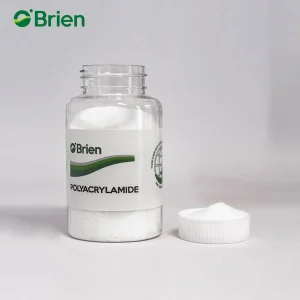
 Oubo Chemical