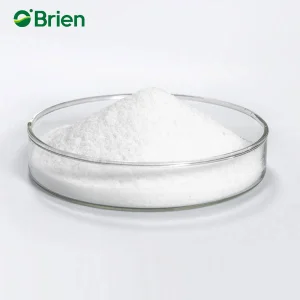
Wholesale Sodium Polyacrylate Suppliers & Factories

Technical Whitepaper & Global Industrial Supply Chain Procurement Guide for High-Purity Water-Soluble Polymers & Advanced Polyacrylamide Derivatives

Featured Industrial Polymers & Flocculants Showcase

Explore our core high-molecular-weight polyacrylamide (PAM) and superabsorbent polymer formulations designed for extreme industrial processing conditions.
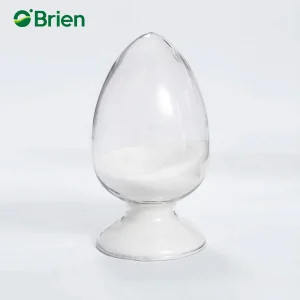
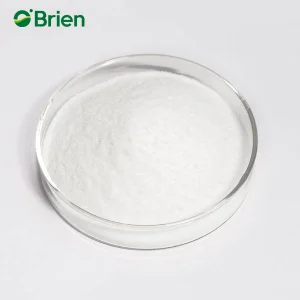
Oilfield Drilling Fluid PAM
China Nonionic Polyacrylamide (PAM) Thickener for Oilfield Drilling Fluid
View Technical Details
Cationic Polyacrylamide Powder
Wholesale Cationic Polyacrylamide Powder for Municipal & Industrial Wastewater Treatment
View Technical Details
Coal Washing Polyacrylamide
Wholesale High Molecular Weight Nonionic Polyacrylamide for Coal Washing & Tailings Dewatering
View Technical Details
Anionic Polyacrylamide Suppliers
Wholesale Anionic Polyacrylamide Manufacturers & Industrial Suppliers
View Technical Details
Textile Wastewater Flocculant
Wholesale Cationic Polyacrylamide (CAS 9003-05-8) Flocculant for Textile & Dyeing Wastewater
View Technical Details
APAM Municipal Sewage
Wholesale Anionic Polyacrylamide (APAM) for Municipal Sewage Treatment & Sludge Dewatering
View Technical Details
China Cationic Polyacrylamide
China Cationic Polyacrylamide Manufacturer & Direct Factory Supplier
View Technical Details
PAM Anionic Polyacrylamide
Wholesale PAM Anionic Polyacrylamide High-Purity Grade Powder
View Technical Details
Executive Overview: Superabsorbent & Water-Soluble Polymers

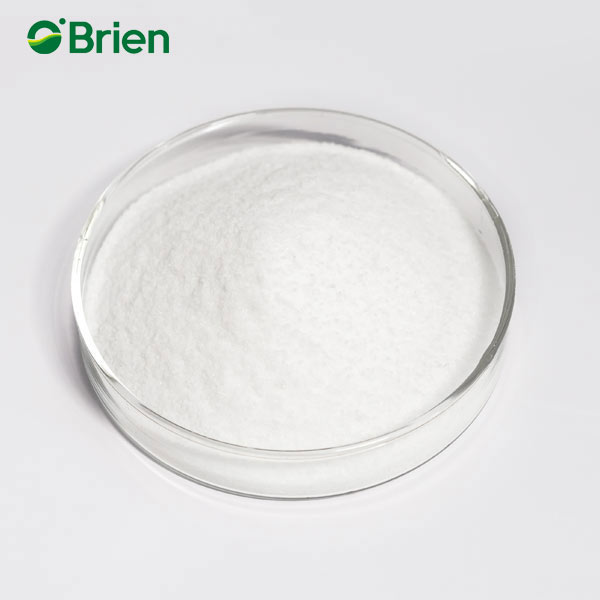
Sodium Polyacrylate, represented chemically by the repeating unit [−CH₂−CH(COONa)−]ₙ, stands as one of the most versatile polyelectrolytes in modern chemical engineering. As a synthetic sodium salt of polyacrylic acid, it exhibits exceptional hydrophilic characteristics, capable of absorbing up to several hundred times its dry mass in aqueous solutions. In parallel with polyacrylamide (PAM) formulations—comprising nonionic (NPAM), anionic (APAM), cationic (CPAM), and specialized Mannich architectures—sodium polyacrylate serves as a core backbone for global industrial liquid-solid separation, rheology modification, hydraulic fracturing, and environmental remediation.

50,000+ MT
Annual Manufacturing Capacity
€200M
Accumulated R&D Investment
ISO 9001
Certified Quality Assurance
10% YoY
Consistent Global Market Growth
Information Gain Insight: The efficacy of Sodium Polyacrylate and Polyacrylamide in industrial applications is dictated by three thermodynamic parameters: Molecular Weight (Mw) distribution, Charge Density (Degree of Hydrolysis or Cationicity), and Monomer Conversion Yield. Our bio-enzymatic synthesis process guarantees ultra-low residual acrylamide (<500 ppm), maintaining stability across severe dynamic shear stress and thermal gradients.
Chemical Chemistry Roadmap: Polyacrylamide & Sodium Polyacrylate Synthesis

Industrial production of Sodium Polyacrylate and Polyacrylamide requires precise kinetic control during free-radical polymerization. Chemical structures differ radically across ionic charges to address diverse zeta potential demands across industrial suspensions:

1. Molecular Architecture & Charge Dynamics

Polyacrylamide (PAM) is formed via the polymerization of acrylamide monomers ($C_3H_5NO$). When copolymerized or post-hydrolyzed with acrylic acid or sodium acrylate, it yields Anionic Polyacrylamide (APAM) or pure Sodium Polyacrylate, introducing negative carboxylate groups ($COO^-$) along the polymer backbone.

Polymer Variant Ionic Functional Groups Molecular Weight (Million Daltons) Charge Density Range Primary Industrial Vector
Sodium Polyacrylate (SAP) Carboxylate ($COO^- Na^+$) 2.0 – 15.0 M 100% Anionic Superabsorbent, Thickener, Scale Inhibitor
Anionic PAM (APAM) Carboxylate & Amide ($COO^-, CONH_2$) 6.0 – 25.0 M 10% – 60% Anionicity Mineral Processing, Settling, EOR
Cationic PAM (CPAM) Quaternary Ammonium ($DAC/DACMAPS$) 4.0 – 12.0 M 5% – 80% Cationicity Municipal Sludge Dewatering, Dyeing Wastewater
Nonionic PAM (NPAM) Neutral Amide ($CONH_2$) 3.0 – 15.0 M < 2% Residual Charge Acidic Leachate, Acidic Industrial Effluent
2. Advanced Bio-Enzymatic Synthesis Technology

Qingdao Oubo Chemical Co., Ltd utilizes proprietary biological methods for monomer conversion. By employing Rhodococcus rhodochrous nitrile hydratase enzymes, acrylamide is synthesized at ambient temperatures without thermal byproduct generation. This technological breakthrough minimizes copper catalyst impurities and suppresses acrylamide monomer residuals to industry-leading low thresholds.

China Industry 4.0: Supply Chain Resilience & Manufacturing Dominance

Established in 2011 inside the Free Trade Zone of Qingdao, China, Qingdao Oubo Chemical Co., Ltd (O'brien Brand) represents an industrial vanguard in polymer production. Operating within a strategic free trade hub provides unmatched logistical advantages, enabling rapid worldwide maritime dispatch via Qingdao Port.

Rigorous Quality Control & Strategic Supply Chains

Our quality control system maintains triple-stage verification: raw materials, synthesis continuous monitoring, and final batch certification under ISO 9001:2008 standards. Strategic monomer raw materials are secured from global chemical titans including SINOPEC and Eni, guaranteeing feed-stock consistency regardless of macro-supply chain volatility.
Macro Industry Solutions & Comprehensive Field Applications

Polyacrylamide and Sodium Polyacrylate derivatives act as crucial process aids across planetary-scale infrastructure sectors. Below is a deep-dive analysis of operational performance by sector:

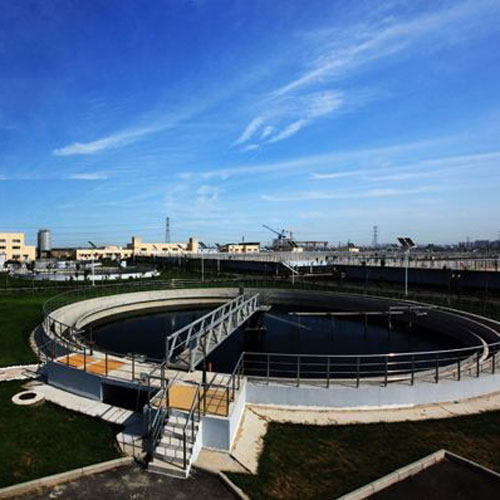
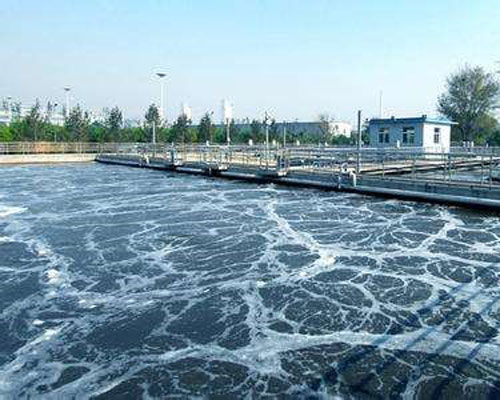
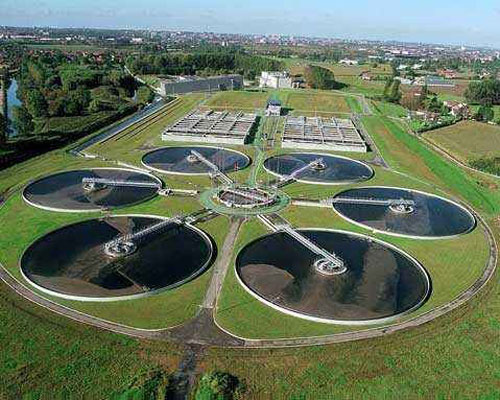
1. Wastewater Treatment & Municipal Sludge Dewatering

In municipal and industrial effluent processing, solid-liquid separation relies on neutralising surface charge on suspended micro-particles. Cationic Polyacrylamide (CPAM) rapidly destabilizes negatively charged organic sludge particles, forming dense, compact flocs suitable for belt presses, filter presses, and centrifuges. Anionic PAM efficiently clears mineral-heavy municipal runoff.
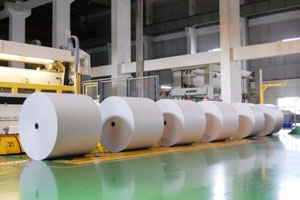
2. Pulp & Paper Manufacturing Industry

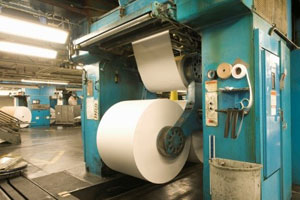
Modern paper machines demand precise wet-end chemistry management. Our PAM retention aids and anionic trash catchers improve short-fiber filler retention, accelerate drainage, enhance sheet physical tensile strength, and clarify white water for zero-discharge recycling loops.
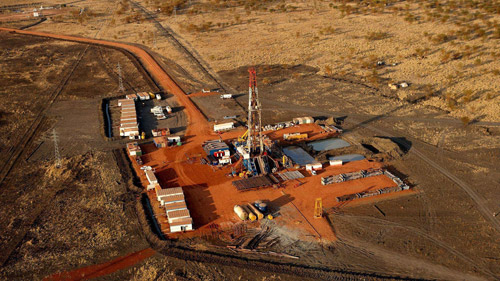
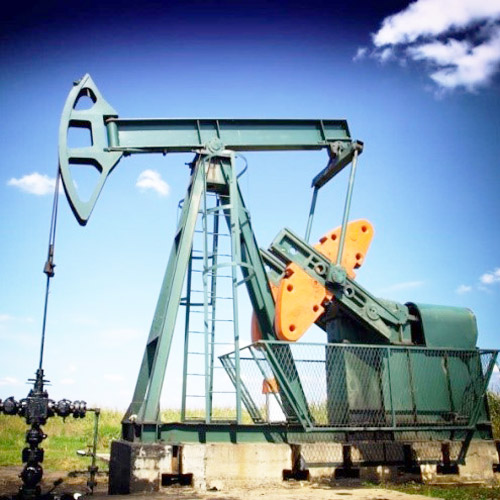
3. Oilfield Exploration, EOR & Drilling Fluids

Polyacrylamide functions as a rheology controller, fluid loss reducer, shale inhibitor, and friction reducer in deep drilling and hydraulic fracturing. High-molecular-weight APAM increases the viscosity of injected water during Enhanced Oil Recovery (EOR), sweeping trapped hydrocarbons out of low-permeability subterranean strata.
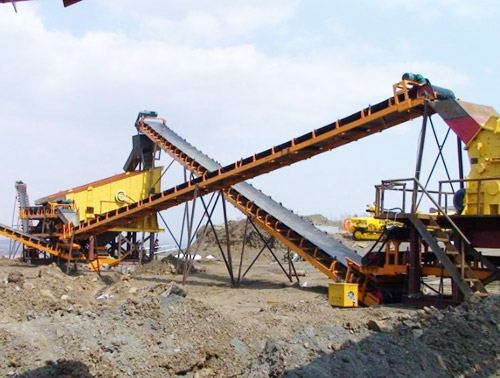
4. Mining, Metallurgy & Coal Tailings Processing

In mineral hydrometallurgy—covering gold, copper, iron, alumina, and coal processing—our high-density nonionic and anionic flocculants accelerate solid-liquid thickening and slurry filtration, transforming fine tailings into dense filter cakes for environmental dry stacking.

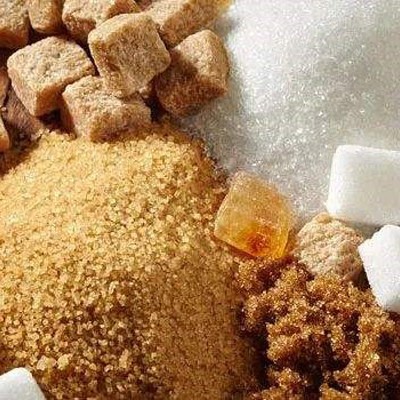
5. Specialized Sectors: Sugar Clarification & Textile Effluent

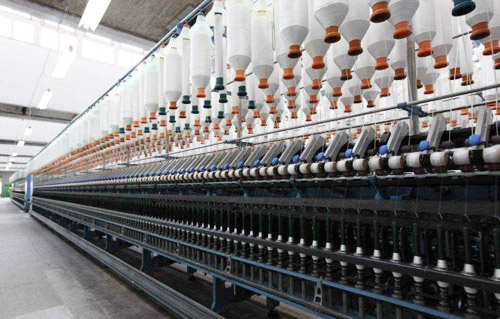
In sugar refining, Food-Grade APAM clarifies raw sugarcane juice by agglomerating colloidal suspended organic matter. In textiles, CPAM effectively decolorizes heavily pigmented dye house effluents.
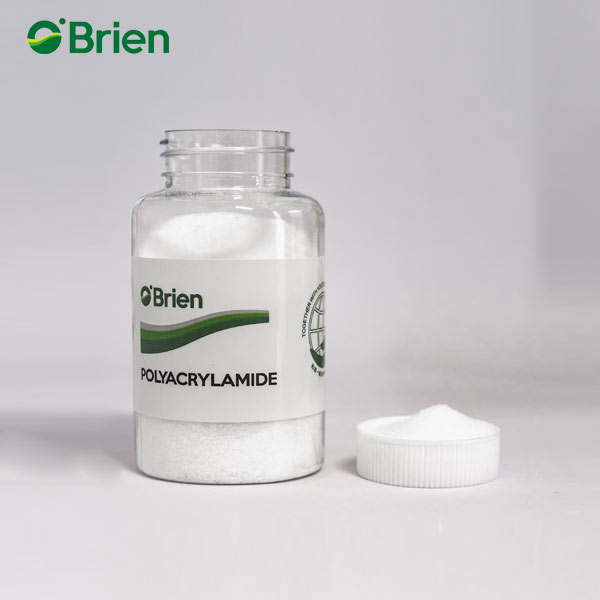
Global Procurement Guide: Technical Selection & Specification Criteria

Procuring industrial polymers in multi-ton quantities requires evaluating crucial physical-chemical parameters to prevent pipe blockage, incomplete dissolution, or dosage inefficiency:

1. Key Procurement Metrics for B2B Buyers
  • Dissolution Speed & Kinetic Rate: Granular polymers should achieve complete solubilization within 45 to 60 minutes of low-shear stirring. Fast-dissolving APAM variants prevent lump ("fish-eye") formation in auto-dosing systems.
  • Insoluble Content (Filterability): Quality polyacrylamide must maintain insolubles below 0.2%. High insoluble fraction causes filter bed clogging and nozzle fouling in paper or drilling rigs.
  • Acrylamide Monomer Residual (AM): For potable water treatment and sugar refining, monomer concentrations must strictly adhere to regulatory mandates (<0.05% or 500 ppm max).
  • Bulk Density & Particle Size Distribution: Uniform mesh sizing (20-80 mesh) ensures smooth pneumatic conveying and dust-free plant operations.
2. Packaging & Logistical Configurations

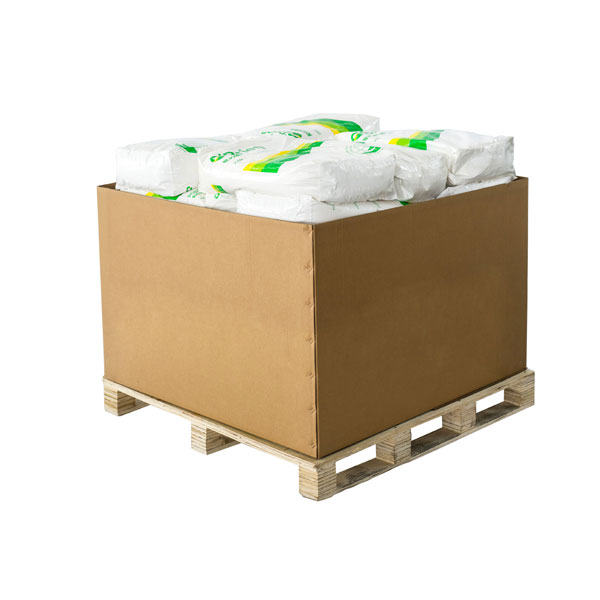
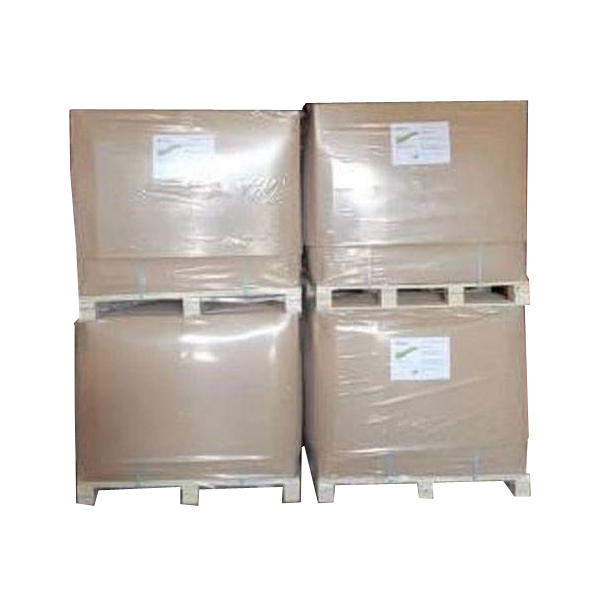
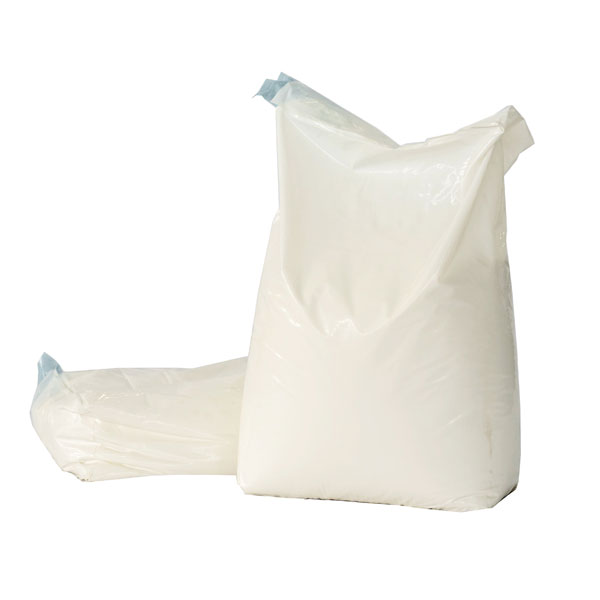
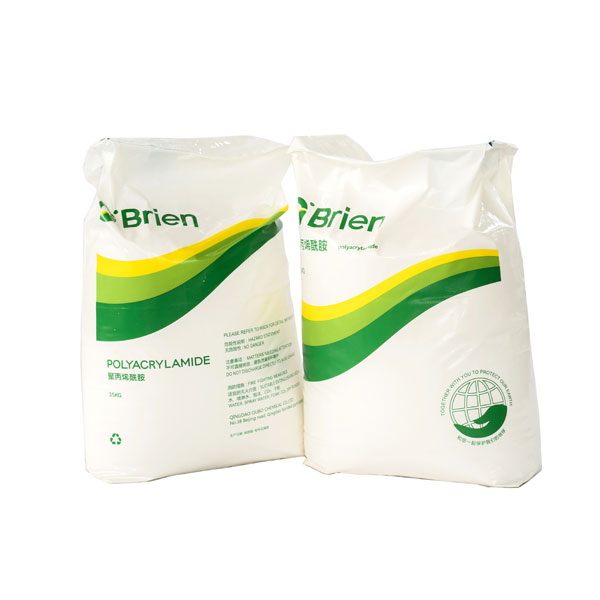
Products are supplied in 25kg multi-wall paper-plastic composite bags with inner PE liners, 750kg jumbo bulk bags, or customized private-label blank bags. All pallets undergo thermal stretch-wrapping to protect against tropical moisture during ocean freight.

Localized Support, Technical Audits & Environmental Compliance

Operating in over 40 export destinations worldwide, Qingdao Oubo Chemical provides comprehensive regional support backstopped by accredited analytical testing laboratories.

On-Site Jar Testing & Rheological Optimization

Optimal flocculant selection cannot be predicted purely by theoretical calculation; it requires empirical jar testing on real plant wastewater or sludge samples. Our technical sales engineers offer complimentary bench testing, determining the exact target molecular weight and charge density to minimize chemical consumption by up to 20-30%.

Regulatory Frameworks

All polymer products strictly satisfy international environmental mandates: EU REACH registration compliance, ISO 14001 environmental management standards, and ISO 45001 occupational health compliance.

Frequently Asked Questions (Technical & B2B Procurement FAQ)
QWhat is the main chemical distinction between Sodium Polyacrylate and Anionic Polyacrylamide?
Sodium Polyacrylate is a homopolymer of sodium acrylate containing 100% carboxylic acid salt groups, optimized primarily for water retention, scaling inhibition, and high-viscosity hydrogels. Anionic Polyacrylamide (APAM) is a copolymer of acrylamide and acrylic acid, offering longer carbon-chain lengths (higher molecular weight) engineered for industrial flocculation and sedimentation.
QHow does water salinity affect the viscosity of Sodium Polyacrylate solutions?
High ionic strength or salinity ($Na^+, Ca^{2+}, Mg^{2+}$) suppresses the double layer charge expansion of sodium polyacrylate molecules, causing the coiled polymer chain to contract and resulting in a loss of apparent viscosity. For ultra-saline brine environments (such as oilfield reinjection water), specialized salt-tolerant monomer modification is required.
QWhat is the ideal dissolution procedure for dry polyacrylamide granules?
Dry polymer powder should be uniformly dispersed into a vortex of clean water at concentration levels between 0.1% and 0.3%. Agitation should be maintained at moderate speed (100–300 RPM) for 45–60 minutes. Excessive shear rates (>500 RPM) will mechanically degrade high-molecular-weight polymer chains.
QWhat is the shelf life and correct storage condition for wholesale PAM bulk shipments?
Unopened dry powder polyacrylamide has a shelf life of 24 months when stored in a cool, dry, well-ventilated warehouse below 35°C. Aqueous stock solutions should be consumed within 24–48 hours, as diluted liquid polymers undergo gradual chain cleavage over time.
QWhy choose Bio-enzymatic method PAM over traditional chemical monomer polymerization?
Bio-enzymatic acrylamide synthesis operates at mild temperatures without copper catalysts. This yields monomer with higher purity, longer molecular chains, and vastly reduced residual monomer concentrations (<500 ppm), vital for stringent environmental applications.
Complete Polyacrylamide Product Directory & Global Sourcing

Browse our complete catalog of high-performance polyacrylamide products for paper manufacturing, petro-refining, mining tailings, and municipal water purification.
High Molecular Anionic PAM
Wholesale High Molecular Weight Anionic Polyacrylamide for Petrochemical & Metallurgical Wastewater
View Technical Details
Paper Making CPAM Retention Aid
China Cationic Polyacrylamide Retention & Drainage Aid for Paper Making Industry
View Technical Details
Paper Strength Agent APAM
China PAM Anionic Polyacrylamide Dry & Wet Strength Agent for Paper Industry
View Technical Details
Sludge Dewatering CPAM Supplier
Wholesale Cationic Polyacrylamide (CPAM) for Sludge Dewatering & Industrial Wastewater
View Technical Details
Acidic Wastewater NPAM Flocculant
China Nonionic Polyacrylamide Flocculant for Acidic Industrial Wastewater Treatment
View Technical Details
Mineral Processing NPAM Supplier
Wholesale Nonionic Polyacrylamide (NPAM) for Mineral Processing & Metallurgical Ore Dressing
View Technical Details
Food Processing APAM Powder
Wholesale Anionic Polyacrylamide Powder Flocculant for Food Processing & Sugar Refining
View Technical Details
Nonionic Polyacrylamide China Factory
China Nonionic Polyacrylamide Manufacturers & Direct Wholesale Supplier
View Technical Details