Explore our comprehensive industrial chemical portfolio engineered for superior fiber retention, rapid drainage, sludge dewatering, and high-shear industrial flocculation.
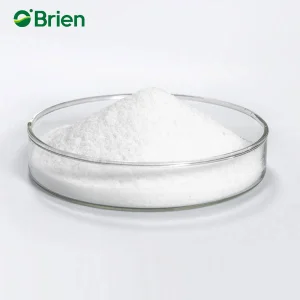
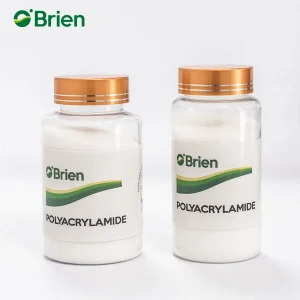
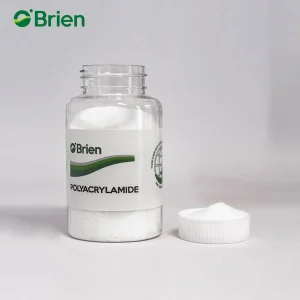
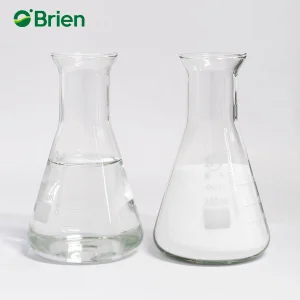
In modern industrial paper manufacturing and advanced solid-liquid separation, wet-end efficiency is directly dictated by charge dynamics, microparticle flocculation, and polymer drainage aids. As a global primary Wholesale Retention Aid Supplier, Qingdao Oubo Chemical Co., Ltd delivers high-performance synthetic polymers engineered to optimize wet-end chemistry, stabilize machine runnability, and lower raw material consumption.
Retention aids—primarily composed of modified Cationic Polyacrylamide (CPAM), Anionic Polyacrylamide (APAM), and Nonionic Polyacrylamide (NPAM)—are essential chemical additives that facilitate the agglomeration of fines, fillers (such as precipitated calcium carbonate PCC or ground calcium carbonate GCC), and cellulose fibers onto the forming wire of high-speed paper machines.
Achieving optimal First Pass Retention (FPR) and First Pass Ash Retention (FPAR) requires precise balancing of the charge demand (zeta potential) within the pulp slurry. Our bio-catalyzed polyacrylamide series provides micro-flocculation networks capable of withstanding extreme hydraulic shear forces within modern gap formers and high-speed Fourdrinier machines.
Cellulose fibers and mineral fillers carry naturally anionic surface charges in aqueous suspensions. High charge density cationic polyacrylamides neutralize repulsive double-layer electrostatic charges, enabling initial particle collisions and micro-aggregation.
Ultra-high molecular weight (UHMW) polyacrylamides adsorb simultaneously onto multiple fiber ends and filler particles. This long-chain molecular bridging forms resilient macro-flocs that survive high-shear stock pumps and pressure screens.
Dual-component systems pairing CPAM with inorganic colloidal silica or bentonite clays shear down large flocs into dense, highly drainable micro-flocs, vastly improving sheet formation, porosity, and wire dewatering speed.
Oubo Chemical’s polyacrylamide formulations cater to diverse manufacturing and environmental management ecosystems. Below is an engineering overview of our targeted industry solutions:
| Industry Vertical | Primary PAM Type | Technical Objective | Key Operational Benefit |
|---|---|---|---|
| Pulp & Paper Manufacturing | CPAM / APAM / Dry Strength Agents | Retention, Drainage, Anionic Trash Capture | Increases FPR by 15-30%, reduces steam usage, enhances dry tensile strength. |
| Municipal Sewage Treatment | High Charge CPAM Powder | Sludge Dewatering (Belt Filter / Centrifuge) | Maximizes cake solids percentage, drastically reduces wet cake disposal costs. |
| Industrial Wastewater (Textile/Dyeing) | Cationic / Nonionic Flocculants | Decolorization, Heavy Metal Precipitation | Accelerates liquid-solid separation, lowers Chemical Oxygen Demand (COD). |
| Mining & Mineral Processing | High MW Anionic Polyacrylamide | Coal Washing, Tailings Clarification | Enables rapid sedimentation, recycles process water, clears overflow turbidity. |
| Oil & Gas Exploration | High Viscosity APAM / Polymer EOR | Drilling Mud Fluid Loss, Enhanced Oil Recovery | Viscosifies displacement fluids, maintains thermal and shear stability underground. |
| Sugar & Food Refining | Food-Grade APAM Flocculant | Juice Clarification, Syrup Filtration Aid | Ensures high-purity sugar juice separation compliant with food contact safety. |
Modern paper machines run at speeds exceeding 1,500 meters per minute. At these velocity rates, dewatering on the wire must occur within milliseconds. As a premier retention aid supplier, Oubo Chemical offers multi-component chemical additive regimes:
With tightening environmental protection regulations globally, municipal and industrial wastewater facilities rely on Oubo’s PAM products for high-efficiency coagulation and flocculation. Our cationic polyacrylamide powder rapidly aggregates bio-sludge flocs, enabling filter presses and decanter centrifuges to produce crystal-clear filtrate and compact dry cakes.
In mineral processing for copper, gold, iron, and coal washing tailings, water reclamation is paramount. High molecular weight APAM accelerates settling rates in gravity thickeners by up to 300%, returning clean process water back to the mill circuit.
Polyacrylamide (PAM) is a synthetic linear resin synthesized from acrylamide monomers ($\text{C}_3\text{H}_5\text{NO}$). The performance of PAM as a retention aid or flocculant is governed by three fundamental parameters: Molecular Weight (MW), Ionic Charge Density, and Monomer Configuration.
Copolymer of Acrylamide & DAC/ADAME: Features quaternary ammonium groups carrying permanent positive charges. Ideal for negatively charged paper pulp fibers, biological sludges, and organic industrial effluents.
Copolymer of Acrylamide & Acrylic Acid / Sodium Acrylate: Contains negatively charged carboxylate groups ($\text{-COO}^-$). Highly effective in mineral suspensions, inorganic wastewater, and high-pH alkaline Papermaking streams.
Homopolymer of Pure Acrylamide: Exhibits neutral electric charge properties. Designed for acidic wastewater conditions, mining leaching circuits, and low-pH industrial suspensions.
Qingdao Oubo Chemical utilizes an advanced biological enzymatic method for monomer acrylamide synthesis. Unlike traditional chemical nitrile hydration processes using copper catalysts, our bio-catalysis operates under ambient temperatures with zero copper impurities, producing higher molecular purity polymers with exceptionally low free acrylamide residual levels (<0.05%).
Established in 2011 and headquartered in the Free Trade Zone of Qingdao, China, Oubo Chemical Co., Ltd (O'brien brand) has evolved into one of the world's premier manufacturers and wholesale suppliers of polyacrylamide resins and retention agents.
Our annual manufacturing output surpassed 50,000 Metric Tons in 2018. Operating automated production lines guarantees consistent batch-to-batch polymer chain integrity and viscosity stability.
We source raw monomers globally from world-class chemical leaders such as SINOPEC and Eni, ensuring absolute purity and stable polymer chain propagation.
Certified under ISO9001:2008, Oubo implements a three-tier quality control protocol: raw material inspection, real-time polymerization tracking, and 3x lot testing prior to shipment dispatch.
Oubo re-invests significant capital (€2 hundred million accumulated research backing) annually into polymer chemical engineering, optimizing retention aids for next-generation recycled fiber pulps.
Procuring chemical additives internationally requires absolute confidence in supply chain logistics, regulatory compliance, and on-site application engineering. Oubo Chemical provides comprehensive technical assistance across North America, Europe, Asia-Pacific, and Latin America.
Our retention aids and polyacrylamide grades comply with EU REACH standards, US FDA 21 CFR 176.170 / 176.180 (for paper and paperboard contacting aqueous/fatty foods), and national environmental safety guidelines.
Our field engineers perform laboratory Jar Tests, Britt Dynamic Drainage Jar (DDJ) trials, and Zeta Potential analyses on-site to pinpoint exact product selection and dosage rates for your specific mill furnish.
Supplied in 25kg moisture-proof kraft bags, 750kg/1000kg jumbo totes, or unbranded OEM neutral bags on heat-treated pallets designed for international ocean transport.
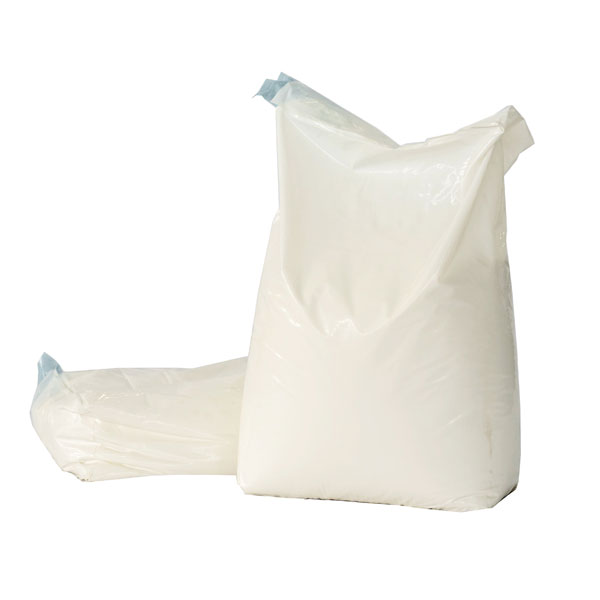
Clean, unbranded 25kg multi-layer PE/Kraft paper bags tailored for distributor re-branding and private label wholesale fulfillment.
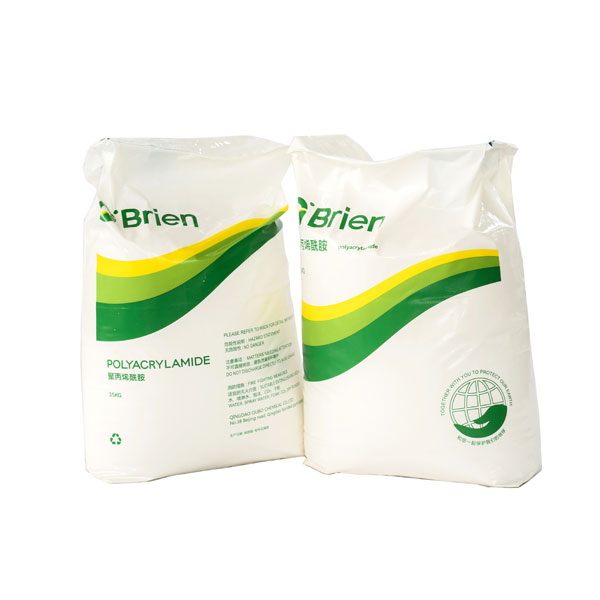
O'brien branded robust moisture-barrier bags featuring complete product specifications, lot numbers, and safety handling icons.
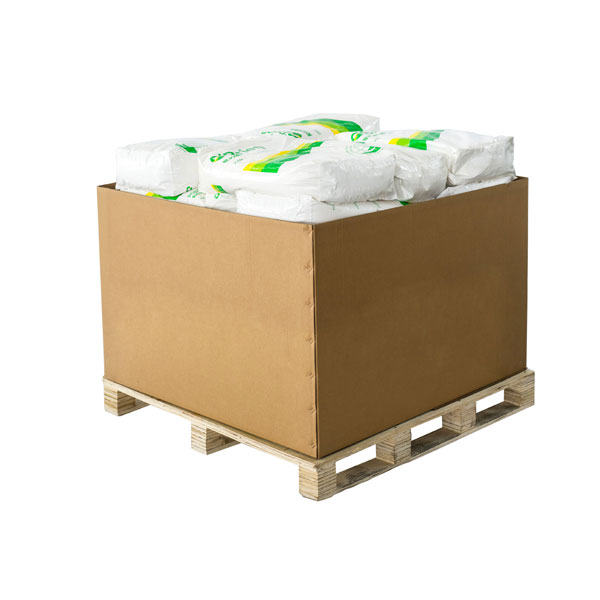
High-capacity 750kg - 1000kg bulk tote bags designed with bottom discharge spouts for automated chemical dissolving systems.
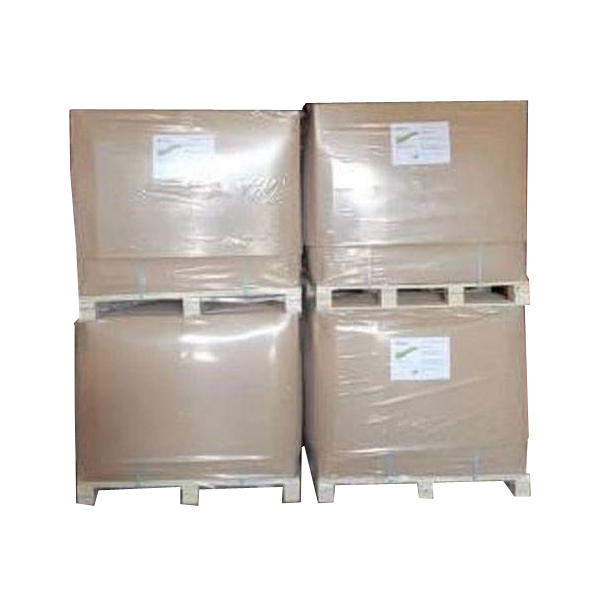
Fumigated wooden or plastic pallets, fully stretch-wrapped with edge protectors to prevent moisture ingress during sea container shipping.
Polyacrylamide dry powders require precise hydration to fully uncoil their long macromolecular chains without fish-eyes or mechanical degradation. Follow these engineering guidelines for optimal solution preparation:
Use clean, low-hardness process water (pH 6.5–7.5). Dissolve PAM powder at a target concentration of 0.1% to 0.3% (w/v). Avoid using water containing high iron content or active oxidant residues.
Feed powder uniformly into the water vortex using an automated powder eductor. Maintain gentle low-shear mechanical mixing (200–400 RPM) for 45–60 minutes. Excessive shear speed breaks long polymer chains, reducing retention performance.
Allow polymer solution to age for 30 minutes post-dissolution. Feed retention aids into paper machine stock lines right after the pressure screen to minimize shear degradation before the headbox wire.
As the global paper and water treatment sectors move toward closed-loop water recirculation and zero liquid discharge (ZLD), wet-end chemical challenges escalate. High conductivity, salt accumulation, and anionic trash concentration require next-generation retention chemistry.
Oubo Chemical’s R&D technology roadmap focuses on three sustainable innovation pillars:
Browse our additional line of nonionic, cationic, and specialized paper auxiliary polymers available for wholesale export worldwide.
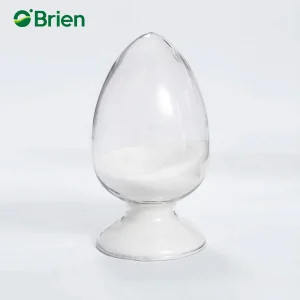
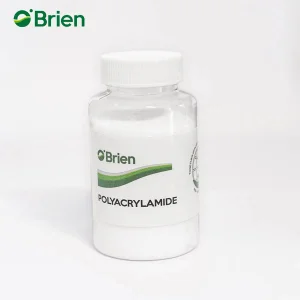
CPAM functions through charge neutralization and macromolecular polymer bridging. Fiber fines and inorganic fillers carry negative charges in aqueous stock. Cationic polyacrylamide neutralizes these surface charges to collapse repulsive forces, while its long polymer chains bridge between multiple fibers, locking fines into the fiber mat before wire drainage occurs.
A single system utilizes CPAM alone. A dual polymer system combines a low-MW high-charge cationic coagulant (to fix anionic trash) followed by a high-MW CPAM retention aid. A microparticle system adds a inorganic microparticle (bentonite or colloidal silica) after the shear point; this shears macro-flocs into smaller, denser micro-flocs, providing superior formation and drainage without wire blinding.
Key technical metrics include: Molecular Weight (measured via intrinsic viscosity), Charge Density (meq/g via colloid titration), Active Content percentage, Free Acrylamide Residual (ppm), Dissolution Rate (minutes to achieve full viscosity), and Solution Filterability Index.
Oubo Chemical operates a 50,000 MT capacity plant using bio-catalytic monomer synthesis, ensuring zero copper ion impurities and ultra-pure polymer chains. With ISO9001 certification, global raw material sourcing from SINOPEC and Eni, continuous R&D backing, and full technical support, Oubo guarantees reliable quality at competitive wholesale factory pricing.
Polyacrylamide powder should be stored in original sealed packaging in a cool, dry, well-ventilated warehouse away from direct sunlight, moisture, and temperatures exceeding 40°C. Unopened bags maintain shelf stability for up to 24 months. Aqueous solutions should be consumed within 24 to 48 hours of preparation.
 Oubo Chemical