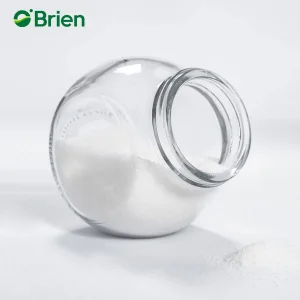
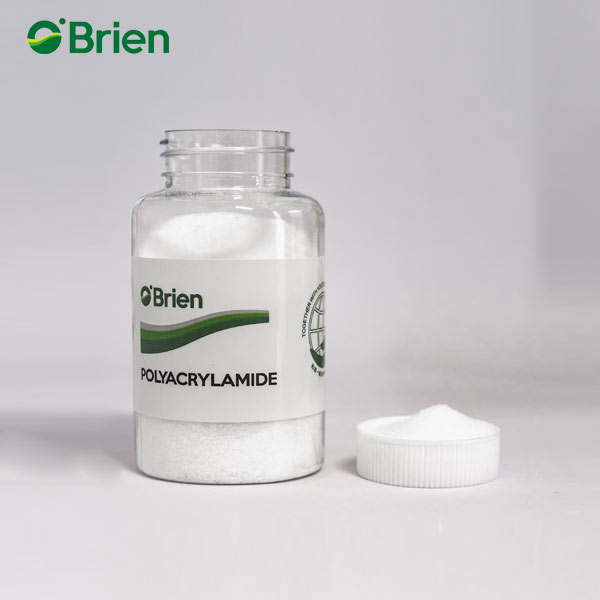
Directly synthesized premium polyacrylamide and synthetic polymer powders engineered for extreme mechanical resilience, viscosity control, and solid-liquid separation.
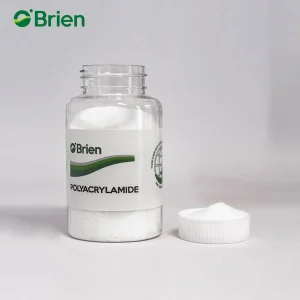
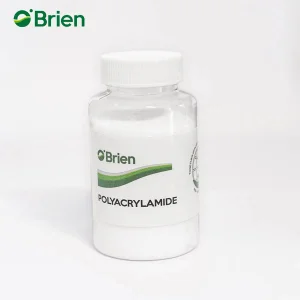
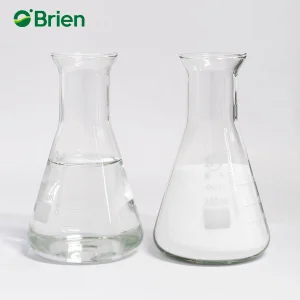
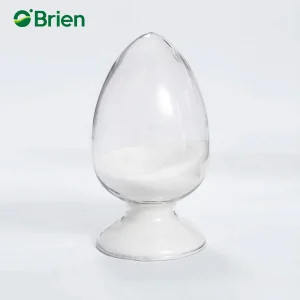
In the contemporary landscape of civil engineering, specialty chemicals, and advanced industrial formulation, Redispersible Polymer Powder (RDP)—primarily composed of Vinyl Acetate-Ethylene (VAE) copolymers, Vinyl Ester of Versatic Acid (VeoVa) blends, and pure acrylics—stands as a cornerstone additive for dry-mix mortar technology. Parallelly, high-molecular-weight Polyacrylamide (PAM) serves as the backbone for environmental remediation, enhanced oil recovery (EOR), and mineral processing. Understanding the chemical synergy, supply chain dynamics, and processing methodologies of these organic binders is paramount for global procurement directors and formulation engineers alike.
Technical Insight: Redispersible Polymer Powder is produced via spray-drying of aqueous polymer dispersions. When re-mixed with water, it re-disperses into stable polymer emulsions capable of forming continuous, elastic, and high-tensile polymer films within the mineral matrix of cementitious systems.
Delving into the microscopic action mechanisms of VAE Redispersible Powders and Polyacrylamide Flocculants in cementitious matrices and liquid phases.
RDP particles are encapsulated by protective colloids—predominantly Polyvinyl Alcohol (PVA)—during spray drying. Upon contact with water in a dry-mix mortar system, the PVA shell dissolves rapidly, releasing original latex droplets (1-2 μm diameter). These droplets coalesce into a three-dimensional polymer network as the cement hydrates and water evaporates.
The glass transition temperature ($T_g$) of Redispersible Polymer Powder determines its flexural performance. Low-$T_g$ formulations (ranging from -15°C to +10°C) impart high elasticity, allowing cementitious adhesives to bridge micro-cracks caused by thermal expansion, structural shear stress, and dynamic loading on concrete, wood, or tile substrates.
For industrial effluent and mining suspensions, Polyacrylamide (APAM, CPAM, NPAM) operates via charge neutralization and hydrogen-bond bridging. High molecular weight chains (up to 25 Million Daltons) adsorb onto suspended colloidal particles, aggregating micro-flocs into rapid-settling macro-flocs for ultra-clean liquid clarification.
| Polymer Class | Monomer Base / Functional Groups | Primary Performance Parameters | Key Industrial Applications |
|---|---|---|---|
| VAE Redispersible Powder | Vinyl Acetate / Ethylene Copolymer | Low $MFT$, High Flexibility, Excellent Saponification Resistance | C1/C2 Tile Adhesives, ETICS Insulation Render, Repair Mortars |
| VeoVa Modified RDP | Vinyl Ester of Versatic Acid | Hydrophobic Surface Coating, Extreme Water Repellency | External Wall Plasters, Grouting Mortars, Waterproof Membranes |
| Anionic Polyacrylamide (APAM) | Acrylamide / Sodium Acrylate | Mol. Weight: 8–22 Million, Anionic Charge: 10–60% | Municipal Sewage Treatment, Coal Washing, Mineral Dressing |
| Cationic Polyacrylamide (CPAM) | Acrylamide / DAC or DMC Monomers | Cationic Degree: 5–80%, High Dewatering Kinetic Rate | Sludge Dewatering, Belt Filter Press, Paper Retention Aids |
Analyzing procurement strategies across North America, the European Union, the Middle East (GCC), and Southeast Asia.
Driven by strict energy efficiency directives (such as the EU Energy Performance of Buildings Directive) and LEED certifications, demand for External Thermal Insulation Composite Systems (ETICS/EIFS) has surged. Procurement specifications mandate RDP with superior anti-sagging properties, low volatile organic compound (VOC) emissions, and high open time to ensure structural durability under severe freeze-thaw cycles.
In high-temperature, hyper-saline, or tropical humidity environments, mortar hydration takes place under extreme conditions. Bulk procurement of RDP focuses on extended workability retention, high water-retention synergy with cellulose ethers (HPMC/HEMC), and resistance to thermal shock. Simultaneously, rapid urbanization drives massive volume requirements for anionic and cationic polyacrylamide in municipal wastewater plants and river dredging.
How Qingdao Oubo Chemical Co., Ltd. delivers competitive pricing, technical precision, and global supply stability.
Utilizing patented bio-enzymatic methods, Oubo Chemical produces ultra-pure acrylamide monomers. This biological approach minimizes chemical by-products, ensuring high-molecular-weight polymer chain extension with minimal micro-residual monomer content.
Located in the Free Trade Zone of Qingdao, China, our manufacturing hub provides immediate proximity to world-class deep-water port infrastructure. This grants global buyers duty-efficient bonded warehousing, rapid container dispatch, and optimized maritime freight routes.
With upstream supply alliances involving global chemical leaders like SINOPEC and Eni, Oubo secures direct access to key raw monomers (VAM, ethylene, acrylic acid) ensuring batch-to-batch consistency and immunity to spot-market price volatility.
Established in 2011, Oubo Chemical has achieved a steady 10% annual growth, surpassing an annual production capacity of 50,000 Metric Tons.
Oubo Chemical Co., Ltd. operates under strict compliance with ISO9001:2008 quality management standards. Our corporate commitment blends cutting-edge chemical synthesis with environmental stewardship, delivering tailor-made polymer solutions for water treatment, dry-mix mortar production, papermaking, and oilfield operations worldwide under our globally trusted brand O'brien.
World-leading manufacturer utilizing patented biological synthesis. We invest €200 million into cumulative technical research to continuously advance polymer performance.
Fully automated production lines with triple-stage QC testing per batch. Raw materials sourced directly from tier-1 suppliers such as SINOPEC and Eni.
Over 10+ years of dedicated expertise in manufacturing specialized polymers. Our technical engineering teams assist from pre-sales laboratory testing to site application.
Dedicated laboratory technicians support formulation fine-tuning, monomer charge matching, and viscosity optimization for complex client systems.
From heavy civil engineering to fine municipal water treatment, explore how our polymer solutions power diverse industries.
As primary flocculating agents, our Polyacrylamide polymers are essential in solid-liquid separation processes, including sedimentation, clarification, thickening, and sludge dewatering. Crucial for municipal sewage treatment and industrial wastewater across tanneries, paper mills, citric acid plants, and textile dyeing facilities.
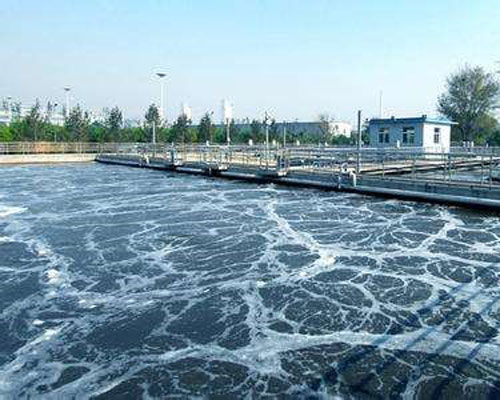 Municipal Sewage
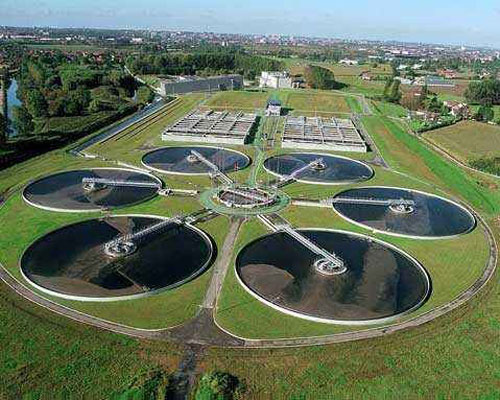 Industrial Effluent
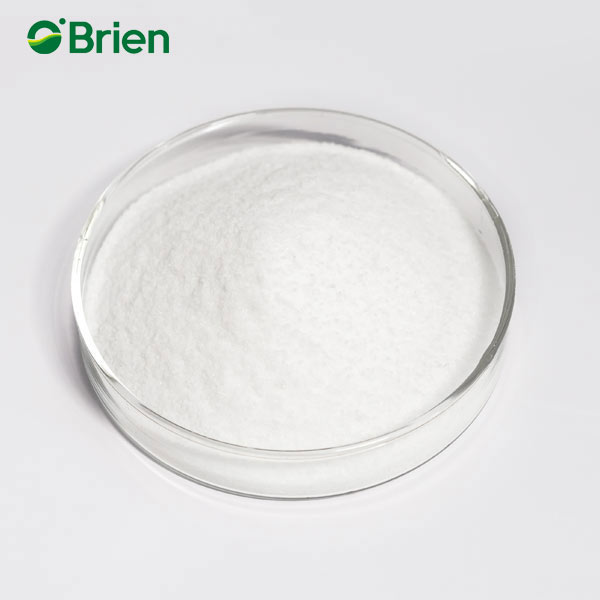 Sludge Dewatering
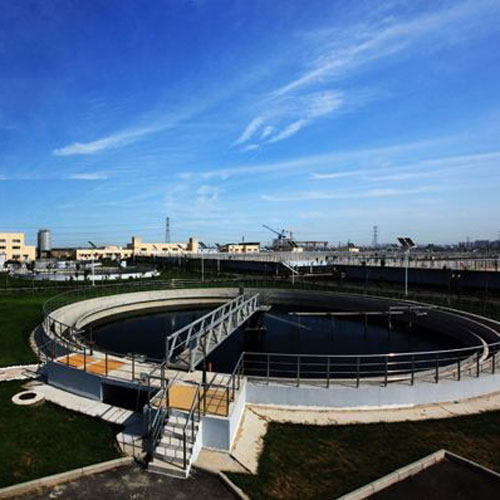 Floc Settling
In papermaking, anionic and cationic polyacrylamide function as dry-strength agents, retention aids, and filter aids. They significantly enhance physical paper tensile strength, reduce fine fiber loss, neutralize anionic trash, and accelerate white water clarification and de-inking processes.
 Retention Aid
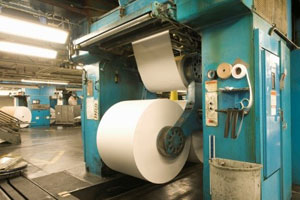 Drainage Aid
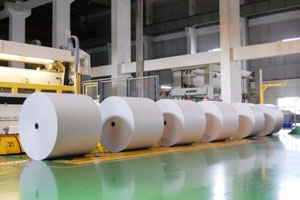 Paper Strength
Widely utilized in tertiary oil recovery (Enhanced Oil Recovery - EOR), profile control, well-plugging agents, drilling muds, and fracturing fluids. Our high-viscosity nonionic and anionic polymers lower drilling fluid filtration loss, inhibit shale hydration, lubricate drill strings, and efficiently transport cuttings to the surface.
Drilling Fluids
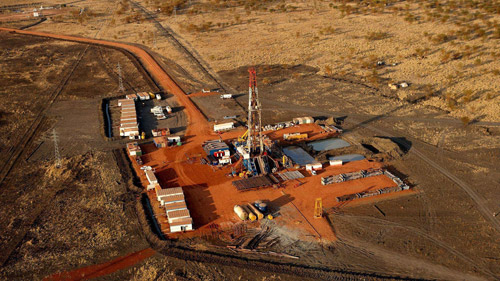 EOR Injection
 Oil Sands Dewatering
Designed for coal washing tailings, flotation separation, and solid-liquid filtration across gold, silver, iron, copper, and nickel extraction. Our targeted polymers achieve fast liquid phase clarification and robust tailing paste thickening for environmental backfilling.
 Coal Washing
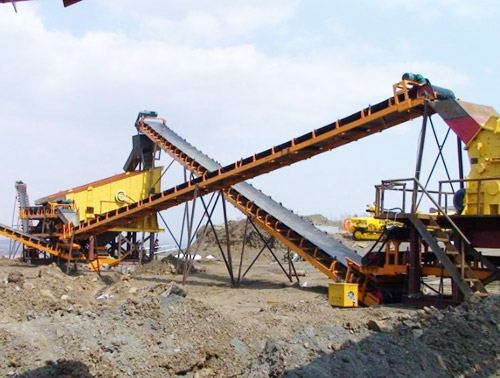 Tailing Treatment
 Ore Dressing
Food-grade anionic polyacrylamide polymers serve as clarification and flotation accelerators during sugar juice processing, removing organic impurities, suspended insolubles, and colored matter to maximize sucrose extraction yield.
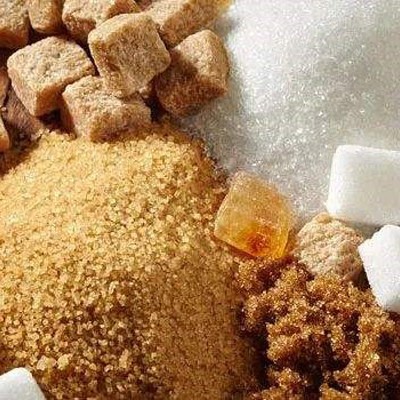 Juice Clarification
 Sucrose Flotation
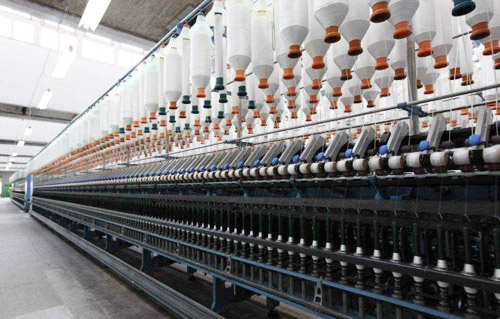
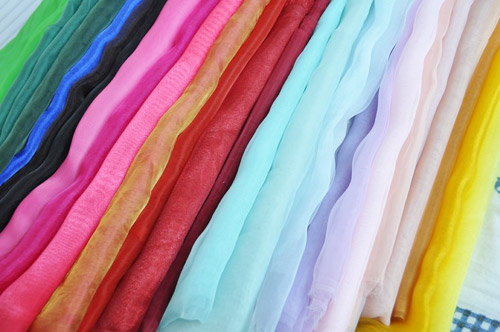
Functions as a stabilizing agent for textile sizing, fabric surface treatment, and warp sizing. Enhances yarn smooth-weaving properties, reduces abrasion breakages, and serves as an effective flocculant for textile dyeing wastewater treatment.
 Textile Sizing
 Fabric Finishing
 Dye Wastewater
Rigid, moisture-proof, and anti-caking packaging solutions customized for transoceanic transport and automated industrial feeding systems.
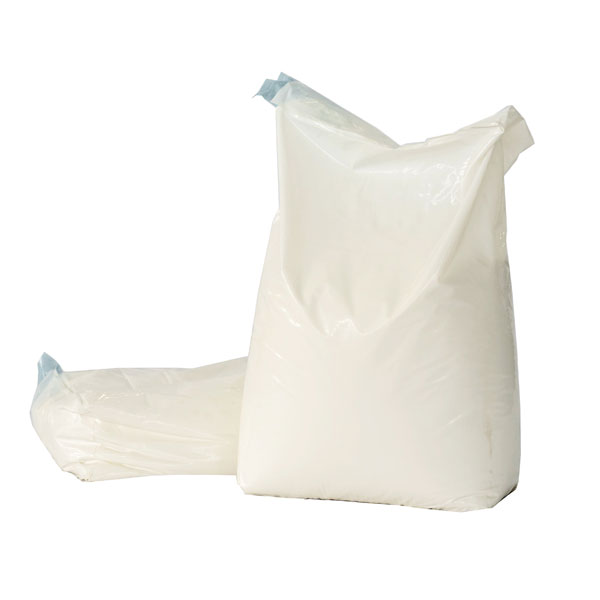
Unbranded 25kg multi-wall paper-plastic composite bags with inner PE liner, ideal for private label distributors.
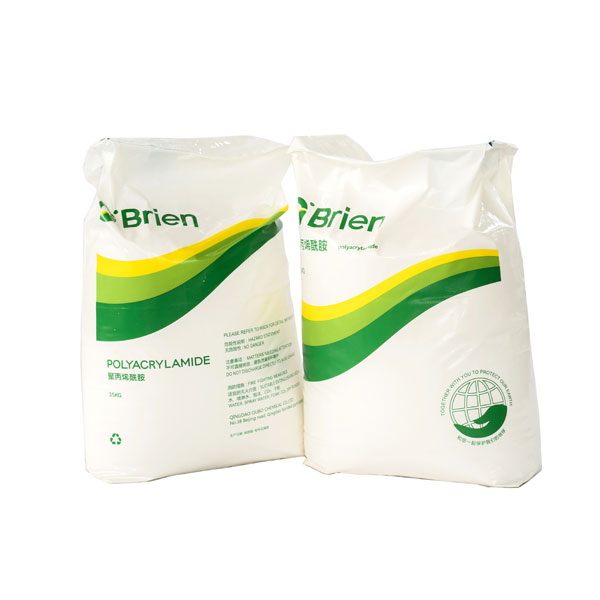
Standard O'brien branded export packaging printed with batch codes, technical specifications, and safety marks.
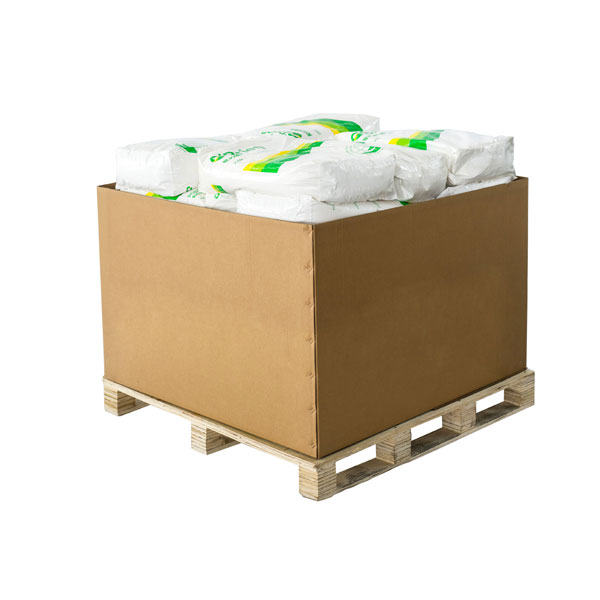
750kg - 1000kg FIBC jumbo ton bags for continuous high-volume industrial dosing operations and mining sites.
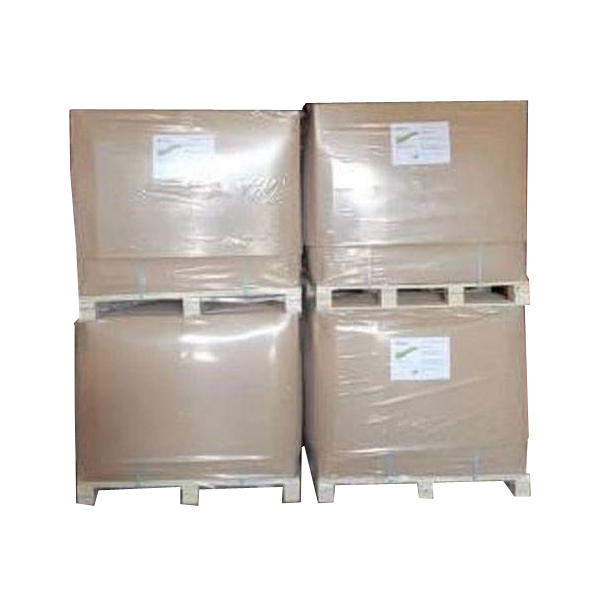
Fumigated wooden or plastic pallets fully shrink-wrapped for maximum moisture isolation and container stability.
Technical and commercial clarity for chemical procurement leads, dry-mix formulators, and plant engineers.
While both are critical dry-mix mortar additives, their functions differ chemically. Cellulosic ethers (HPMC/HEMC) act primarily as water-retention agents and rheology modifiers, preventing premature water loss into porous substrates. RDP (Redispersible Polymer Powder), on the other hand, forms a flexible polymer film upon hydration, dramatically improving tensile bond strength, flexural flexibility, abrasion resistance, and water repellency in hardened mortar.
MFT is the lowest temperature at which an RDP latex emulsion coalesces into a continuous polymer film. Formulations applied below their MFT will yield brittle, powdery films. Oubo offers tailored RDP grades with MFT ranging from 0°C to 5°C for cold-climate applications, ensuring complete polymerization even under demanding winter construction conditions.
Sludge dewatering efficiency depends on municipal or industrial particle surface charge. Organic sludges (e.g., biological municipal sludge, food processing waste) possess negative charges and require Cationic Polyacrylamide (CPAM). Inorganic sludges (e.g., mineral washing, sand processing, metal plating) respond best to Anionic Polyacrylamide (APAM). Our lab offers bench-scale jar testing to identify exact ionic charge density and molecular weight.
Stored in original sealed bags in a cool, dry warehouse (< 30°C and < 60% humidity), RDP powders maintain optimal performance for 12 months. Because RDP is thermoplastic, bags must not be stacked under extreme weight or ambient heat to prevent caking (blocking).
Yes. Oubo provides full OEM production capabilities. We can customize molecular weights, charge densities, ash contents, and anti-sag properties according to client specifications, alongside custom-printed 25kg multi-ply paper bags or 1000kg bulk jumbo bags.
Operating under ISO9001:2008 standards, every batch undergoes a 3-tier Quality Control protocol: 1) Raw material purity verification (monomers from SINOPEC/Eni), 2) Automated continuous inline viscosity & polymerization tracking, and 3) Pre-shipment laboratory analysis (dissolution rate, active polymer content, micro-residuals).
Explore our specialized high-performance polyacrylamide series engineered for complex industrial effluent, mining tailings, and paper manufacturing.
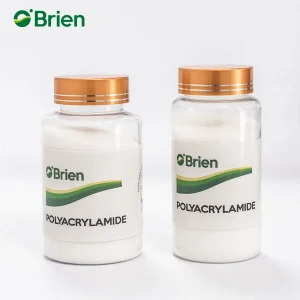
 Oubo Chemical