Explore our premium grade cationic, anionic, and nonionic polyacrylamide formulations engineered for global industrial leadership.
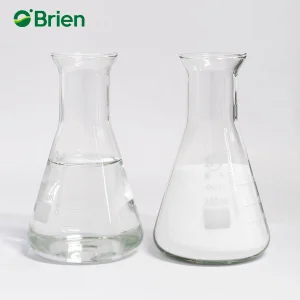
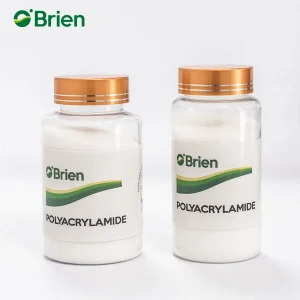
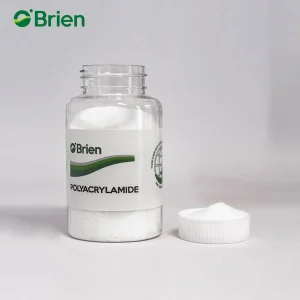
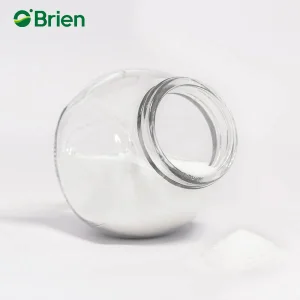
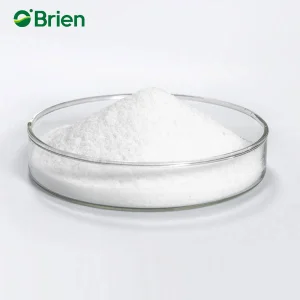
The global textile and chemical processing sector is experiencing an unprecedented structural transformation. Driven by stringent international environmental standards—such as REACH regulations, Zero Discharge of Hazardous Chemicals (ZDHC) guidelines, and regional EPA limits—textile mills, dyeing houses, and chemical distributors require high-performance, eco-friendly printing and dyeing auxiliaries. At the core of modern auxiliary technology lies polymer chemistry, specifically Polyacrylamide (PAM) and its ionic variants.
Printing and dyeing auxiliaries encompass a broad spectrum of specialty chemicals applied during yarn preparation, sizing, bleaching, printing, dyeing, and finishing operations. Among these, synthetic water-soluble polymers function as critical rheology modifiers, pigment dispersants, fabric sizing agents, and effluent clarification flocculants. Global industrial demand has pivoted strongly toward high-molecular-weight formulations capable of operating under high shear, variable pH ranges, and elevated thermal conditions without generating secondary eco-toxic residues.
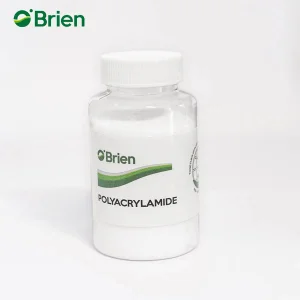
Polyacrylamide (CAS 9003-05-8) is a linear synthetic resin synthesized from acrylamide monomers through free-radical or bio-catalytic polymerization. Its technical efficacy is dictated by two primary molecular attributes: Molecular Weight (MW) (ranging from 3 Million to 25 Million Daltons) and Ionic Charge Density (ranging from 5% to 80%).
| Polymer Type | Ionic Charge Range | Molecular Weight (Million) | Primary Industrial Applications |
|---|---|---|---|
| Cationic Polyacrylamide (CPAM) | 10% - 80% (Cationic) | 6 - 15 Million | Textile dyeing wastewater decolorization, organic sludge dewatering, municipal sewage, paper retention aid. |
| Anionic Polyacrylamide (APAM) | 5% - 60% (Anionic) | 8 - 25 Million | Inorganic wastewater sedimentation, mineral processing, tailings dewatering, paper dry strength agent, oilfield EOR. |
| Nonionic Polyacrylamide (NPAM) | Neutral (< 2%) | 3 - 12 Million | Acidic wastewater clarification, oilfield drilling fluid thickeners, soil stabilization, specialized textile sizing. |
During textile wet processing and effluent treatment, PAM functions through two dominant chemical mechanisms:
1. Charge Neutralization: Industrial wastewater containing reactive dyes or organic suspended solids generally exhibits a strong negative zeta potential. Cationic PAM quaternary ammonium groups neutralize these negative surface charges, destabilizing colloidal suspensions and inducing micro-floc formation.
2. Polymer Bridging: Ultra-high-molecular-weight PAM chains stretch across liquid media, adsorbing onto multiple suspended particles simultaneously. This bridging action builds heavy, densely packed macro-flocs that settle exponentially faster than un-assisted gravimetric settling, significantly reducing settling tank detention times.
As global supply chains demand consistency, cost efficiency, and rigorous quality assurance, China has solidified its position as the premier manufacturing hub for synthetic water-soluble polymers and industrial auxiliaries. Qingdao Oubo Chemical Co., Ltd., located within the Free Trade Zone of Qingdao, exemplifies this competitive edge through integrated manufacturing infrastructure and strategic logistics.
Unlike traditional chemical synthesis reliant on high-energy catalytic processes, Oubo utilizes patented biological methods to synthesize acrylamide monomers. This bio-catalytic approach yields higher monomer purity, zero toxic byproduct contaminants, and superior polymer chain stability.
Strategic upstream partnerships with global petrochemical giants such as SINOPEC and Eni ensure direct access to high-purity raw materials. Combined with fully automated production lines, batch-to-batch consistency is guaranteed across our 50,000 MT annual throughput.
Certified under ISO 9001:2008 standards, every batch undergoes a rigorous 3-tier inspection protocol: raw material purity verification, real-time polymerization viscosity tracking, and final dried powder screening for dissolution rate and residual monomer content (< 0.05%).
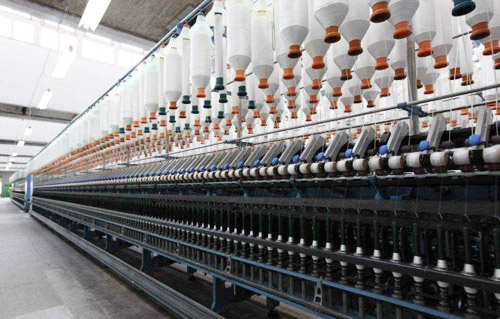
Textile mills generate high-volume wastewater characterized by intense color turbidity, variable pH, high chemical oxygen demand (COD), and high total dissolved solids (TDS). Cationic Polyacrylamide (CPAM) acts as a specialized decoloring flocculant, aggregating complex azo-dye chains. Furthermore, PAM formulations function as sizing additives, improving film-forming capabilities, thread lubricity, and fabric strength during high-speed textile manufacturing.
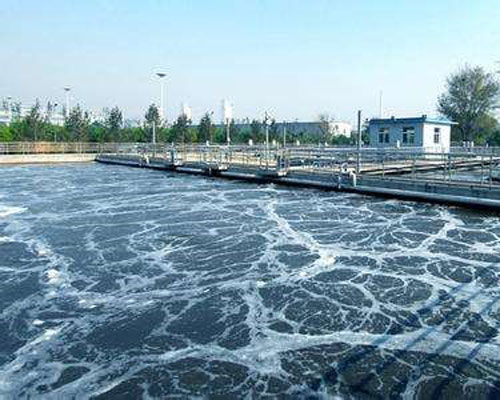
Across urban municipal treatment facilities and industrial chemical processing plants, solid-liquid separation efficiency determines operational compliance. Oubo's cationic and anionic flocculants accelerate primary clarification, secondary bio-sludge thickening, and tertiary filtration processes across leather, citrate, pharmaceutical, and food processing effluents.
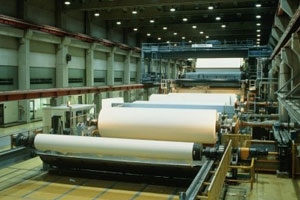
In modern paper mills, Polyacrylamide serves as a retention agent, drainage aid, and dry/wet strength enhancer. By binding fine fibers and inorganic fillers (such as calcium carbonate or titanium dioxide) directly to pulp stock, PAM increases sheet formation uniformity while lowering raw material loss into white water systems.

In tertiary oil recovery (Enhanced Oil Recovery - EOR), high-molecular-weight Anionic PAM increases injected water viscosity, improving sweep efficiency across reservoir rock formations. In mineral processing and coal washing, PAM accelerates tailings sedimentation and solid separation for gold, copper, iron, and coal washing circuits.
Established in 2011 inside the Qingdao Free Trade Zone, China, Oubo Chemical Co., Ltd. has grown into a world-class producer of Cationic, Anionic, and Nonionic Polyacrylamide. Operating with an annual production capacity surpassing 50,000 Metric Tons, Oubo combines continuous innovation, state-of-the-art biological synthesis equipment, and rigid quality management systems certified by ISO 9001:2008.
Our flagship brand, O'brien, is recognized across more than 40 countries for consistent performance, environmental compliance, and cost competitiveness. Our dedicated technical engineering team supports clients through pre-sales lab testing, polymer selection, field trial optimization, and continuous after-sales technical assistance.
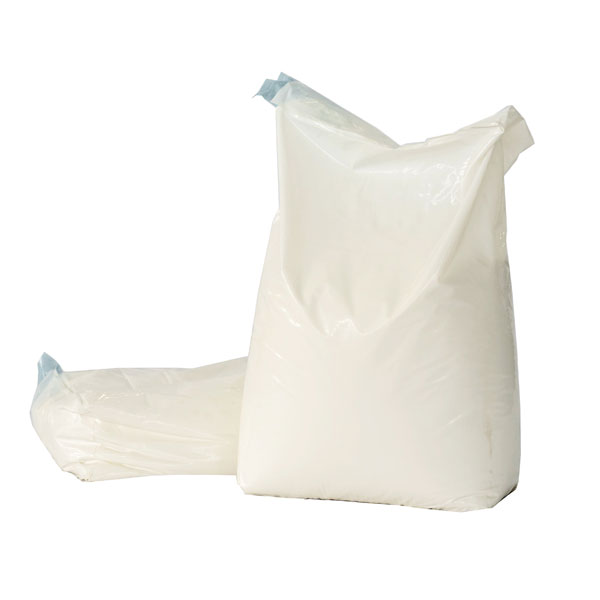
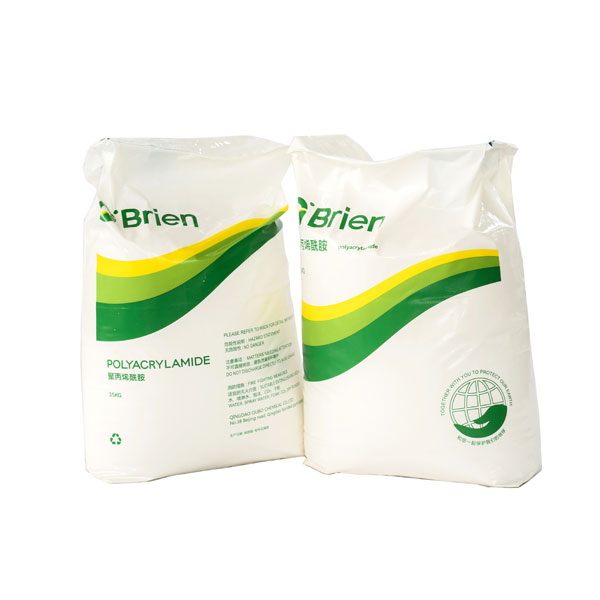
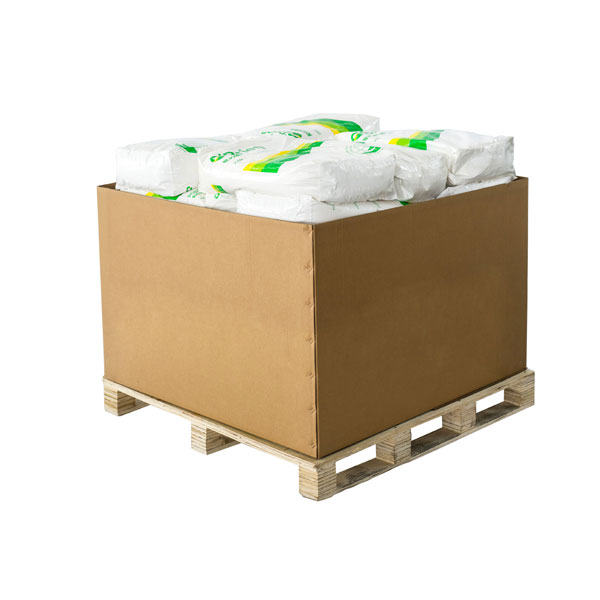
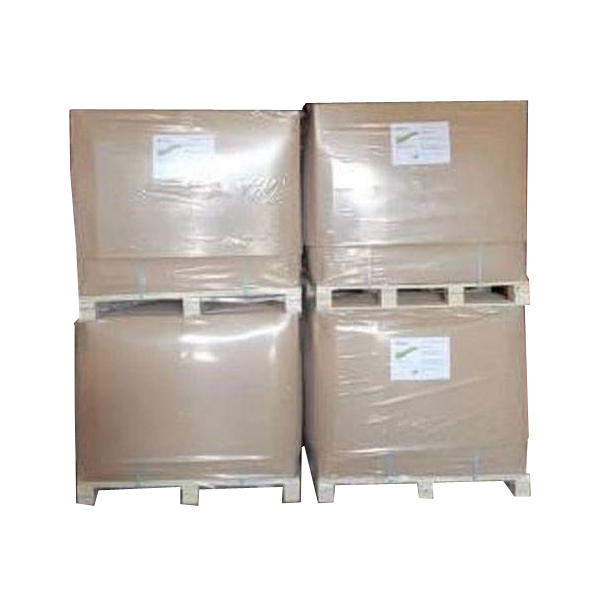
To support global distributors, chemical formulators, and large-scale industrial end-users, Oubo provides customizable packaging options compliant with maritime safety and long-distance moisture protection standards:
Expert guidance on polymer selection, dissolution procedures, dosage optimization, and international procurement standards.
Explore our full spectrum of specialized flocculants and industrial chemical additives.
 Oubo Chemical