Explore our premium-grade synthetic polyacrylamide flocculants specifically engineered for municipal sludge dewatering, industrial effluent clarification, and solid-liquid separation processes.
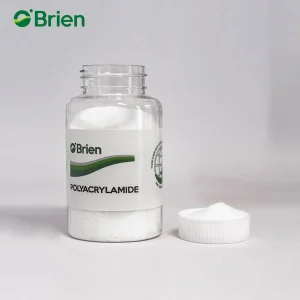
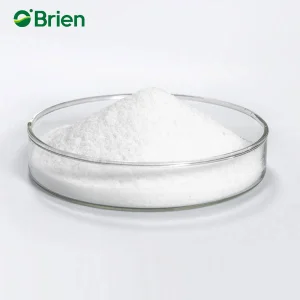
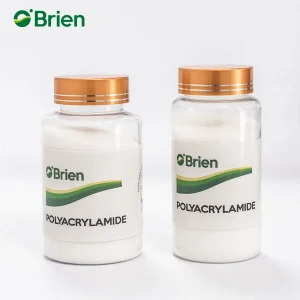
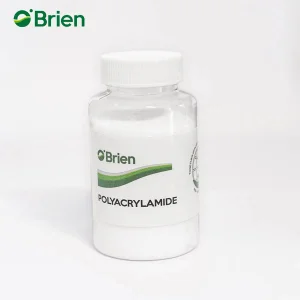
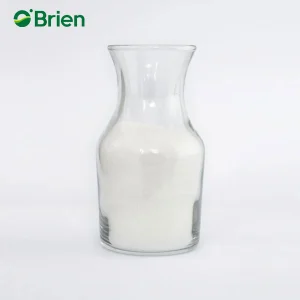
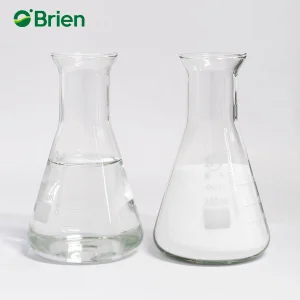
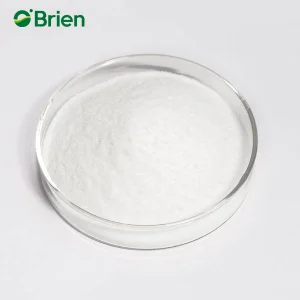
An in-depth analysis of polymer charge density, molecular weight dynamics, and chemical mechanisms governing mechanical solid-liquid separation.
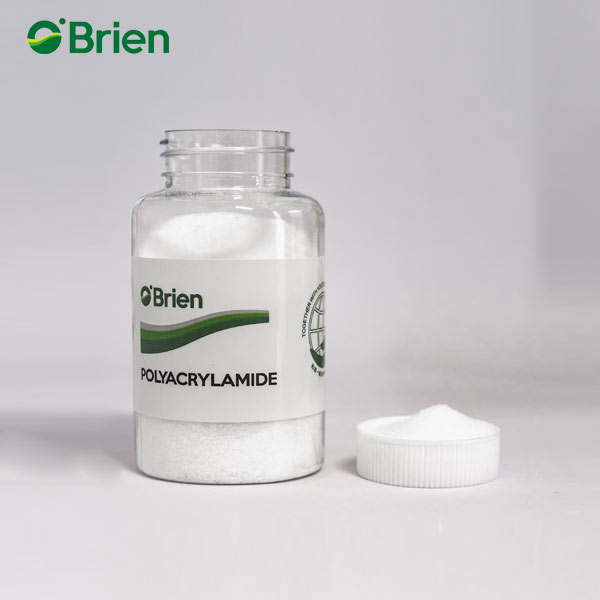
Polyacrylamide (PAM), identified under CAS Register No. 9003-05-8, represents a water-soluble linear polymer synthesized from acrylamide monomers. By co-polymerizing with active ionic monomers, PAM is produced in three primary chemical configurations: Cationic (CPAM), Anionic (APAM), and Nonionic (NPAM). The structural integrity of the polymer backbone determines its dissolution mechanics, shear resistance, and viscoelastic performance in high-stress mechanical dewatering equipment.
Effective sludge dewatering relies on three concurrent physicochemical phenomena: Charge Neutralization, Polymer Bridging, and Electrostatic Patching. Negatively charged colloidal particles suspended in raw sludge are destabilized when cationic polymers neutralize their surface Zeta potential. Concurrently, high molecular weight chains extend across multiple sludge particles, forming large, dense, rapid-settling flocs capable of retaining structural stability under centrifugal force or mechanical belt pressing.
Selecting the optimal flocculant requires balancing Molecular Weight (ranging from 5 Million to over 22 Million Daltons) and Charge Density (5% to 80% ionic degree). High molecular weight polymers facilitate strong bridging for low-shear belt presses, while medium-to-high charge polymers with moderate molecular weights are ideal for high-speed decanter centrifuges where fine particles require immediate charge neutralization to prevent liquid turbidity.
| Polymer Category | Ionic Charge Range | Molecular Weight (Million Da) | Primary Application Substrates | Optimal Dewatering Equipment |
|---|---|---|---|---|
| Cationic PAM (CPAM) | 10% - 80% Cationic | 6.0 - 14.0 | Biological municipal sludge, digestate, organic food processing sludge | Decanter Centrifuge, Belt Press, Screw Press |
| Anionic PAM (APAM) | 5% - 60% Anionic | 8.0 - 22.0 | Inorganic mineral tailings, sand washing, chemical wastewater, river silt | Chamber Filter Press, Clarifier Thickener |
| Nonionic PAM (NPAM) | Near Neutral (<2%) | 5.0 - 15.0 | Acidic wastewater, copper/zinc leachates, textile process effluents | Vacuum Filter, Gravity Thickener |
Global regulatory compliance guide under GHS, REACH, and OSHA HCS standards for safe storage, handling, and environmental management of Polyacrylamide powder.
Polyacrylamide dry powder is extremely hygroscopic. Spills combined with water create an extraordinarily slick gel layer on floors, posing severe physical slip hazards. Spill remediation requires thorough dry cleanup using vacuuming or dry absorbent sand prior to water washing.
Chemical Name: Polyacrylamide / Co-polymer of Acrylamide
CAS Registry No: 9003-05-8
Formula: (C3H5NO)n
Residual Monomer: < 0.05% (Industrial Grade) / < 0.025% (Potable Water Grade). Free acrylamide levels are strictly controlled via bio-catalytic polymerization.
GHS Classification: Non-hazardous polymer under standard conditions. Mild eye and respiratory irritant due to dust particulates.
Acute Oral Toxicity: LD50 (Rat) > 5,000 mg/kg.
Ecological Toxicity: LC50 (Fish, 96h) > 100 mg/L. High molecular weight polymers do not bioaccumulate due to their large hydrodynamic size.
Storage Environment: Store in original unopened bags in a cool, dry, well-ventilated area between 5°C and 35°C.
Avoid Conditions: Extreme heat, moisture absorption, direct sunlight, and contact with strong oxidizers.
Shelf Life: 24 months from manufacture date when stored under dry conditions.
| SDS Section | Regulatory Requirement | Standard Polyacrylamide Technical Data |
|---|---|---|
| Section 1 - Chemical Product & Company | Product identifier & manufacturer details | Qingdao Oubo Chemical Co., Ltd. / O'brien Polymer Solutions |
| Section 4 - First Aid Measures | Emergency protocols | Eye contact: Flush with water 15 mins. Skin contact: Wash off with soap/water. Inhalation: Move to fresh air. |
| Section 5 - Fire-Fighting Measures | Extinguishing media | Water spray, Dry Chemical, Carbon Dioxide (CO2). Precaution: Water renders surfaces highly slippery. |
| Section 8 - Exposure Controls & PPE | Workplace protection standards | Wear rubber gloves, safety goggles, and dust mask (N95) during mass powder loading/dissolution. |
| Section 10 - Stability & Reactivity | Chemical reactivity data | Stable under ambient temperatures. Reacts with strong oxidizing agents; thermal decomposition yields NOx, CO. |
| Section 14 - Transport Information | UN hazard classification | Not classified as dangerous goods under IMDG, IATA, or ADR. Non-hazardous cargo for ocean freight. |
Oubo Chemical Co., Ltd. combines advanced enzymatic synthesis technology with world-class supply chain infrastructure in the Qingdao Free Trade Zone.
Established in 2011, Qingdao Oubo Chemical Co., Ltd. has grown at a steady rate of 10% annually, reaching a production capacity exceeding 50,000 Metric Tons per year. Utilizing proprietary biological enzymatic methods to convert acrylonitrile to acrylamide monomer, our process operates under lower ambient temperatures, resulting in exceptional monomer purity, zero toxic side products, and tighter molecular weight distribution curves.
Located within the Qingdao Free Trade Zone, China, our facilities leverage seamless ocean logistics to lower freight lead times and shipping costs for international buyers.
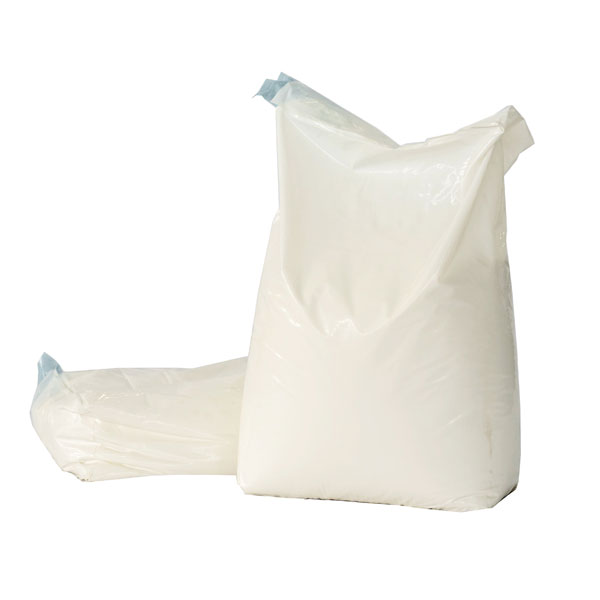
Multi-wall 25kg Kraft paper bags with PE inner lining, 750kg/800kg jumbo bags, palletized heat-wrapped export packaging, and white-label OEM options available.
Our engineering team assists global clients with pre-sale jar testing, polymer selection, equipment dosing calibration, and post-sale performance tuning.
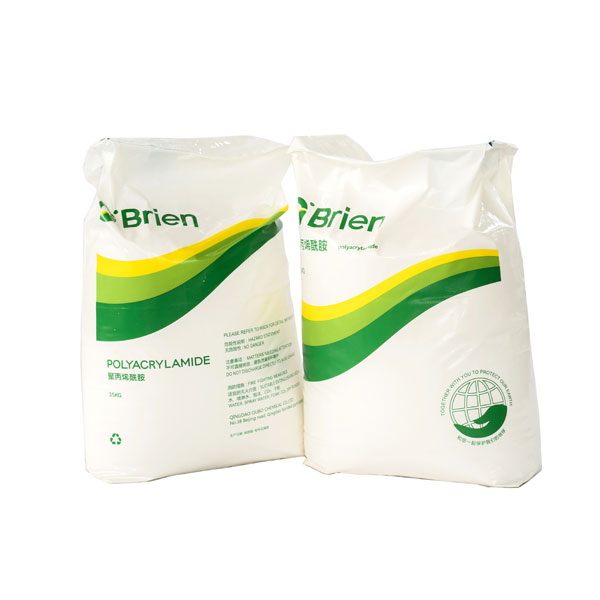
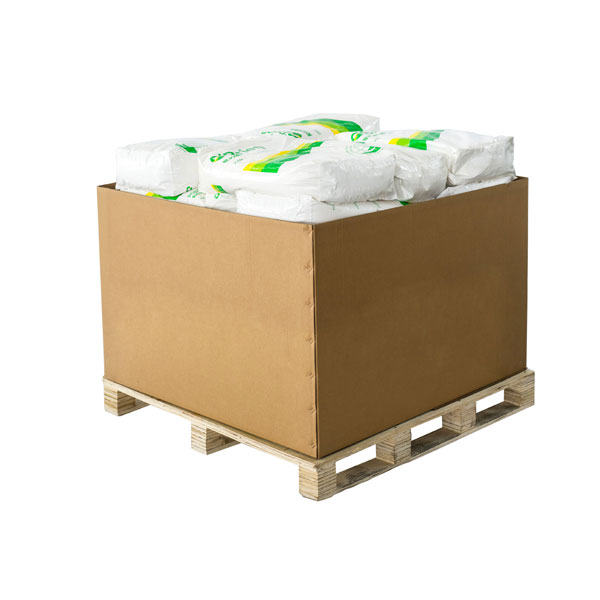
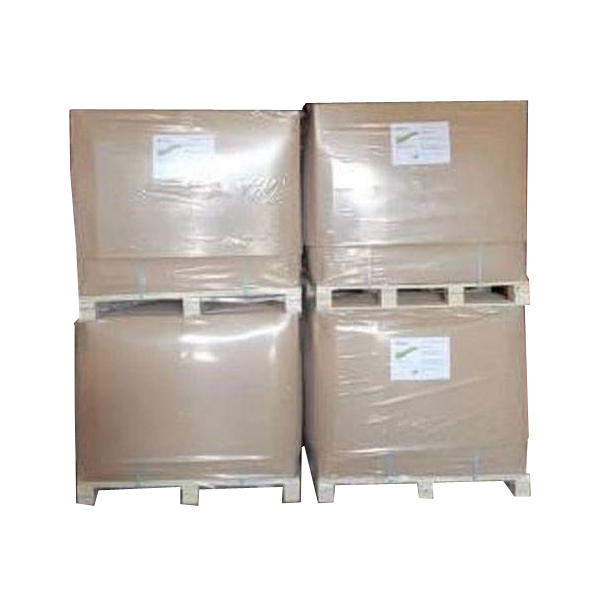
Engineered polyacrylamide formulations tailored for specific sector needs across environmental, energy, agricultural, and industrial sectors.
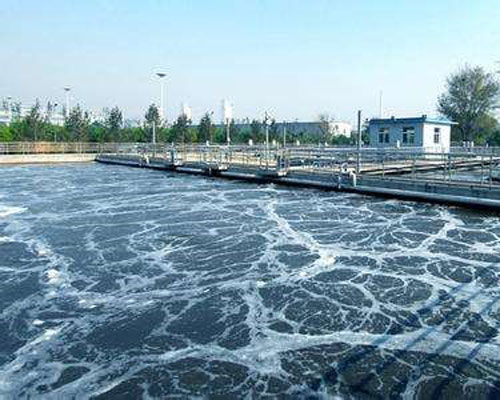
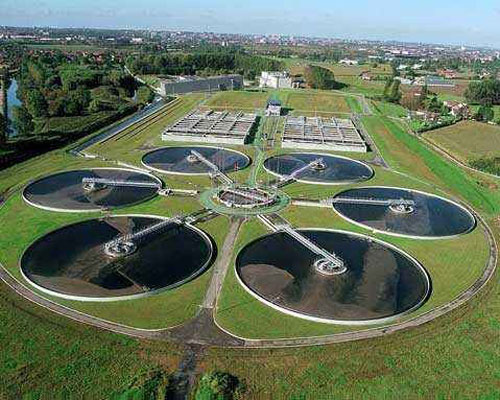
Essential flocculating agent in primary sedimentation, secondary clarification, and sludge dewatering. Used broadly across leather, paper, citric acid, pharmaceutical, dyeing, and food processing plant effluents to dramatically reduce Chemical Oxygen Demand (COD) and Total Suspended Solids (TSS).
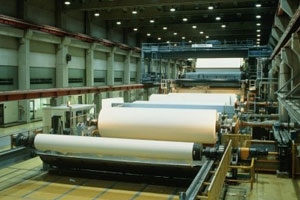
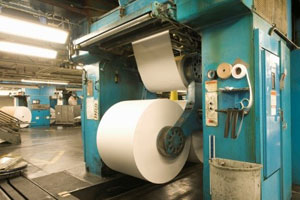
Serves as retention aid, drainage promoter, and wet/dry strength booster. Neutralizes anionic trash, increases fine fiber and filler retention, improves sheet formation, and recovers valuable solids from paper mill white water loops.

High-viscosity PAM acts as a rheology modifier, shale inhibitor, and fluid loss control agent. Widely deployed in Enhanced Oil Recovery (EOR) polymer flooding, profile modification, and hydraulic fracturing fluids to increase oil swept volume.

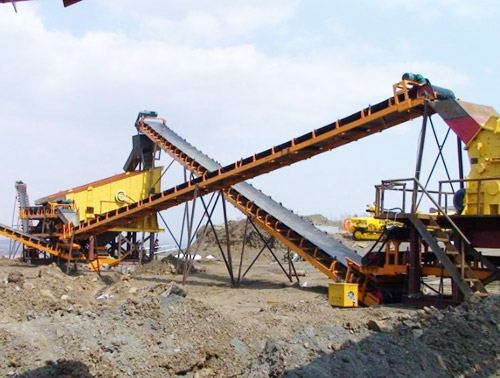
Accelerates solid-liquid separation in coal washing tailings, red mud treatment (Bayer process), and leaching processes for gold, silver, copper, nickel, and iron ore extraction. Facilitates rapid water recycling in zero-liquid-discharge mining facilities.
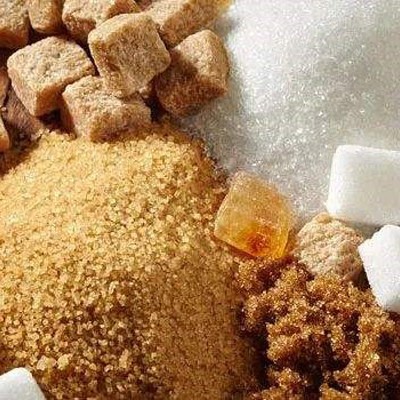
Utilized in sugarcane and sugar beet raw juice clarification and syrup flotation. Food-grade low-residual polymers aggregate non-sugar impurities, ensuring crystal clear juice output and optimized sugar yield.
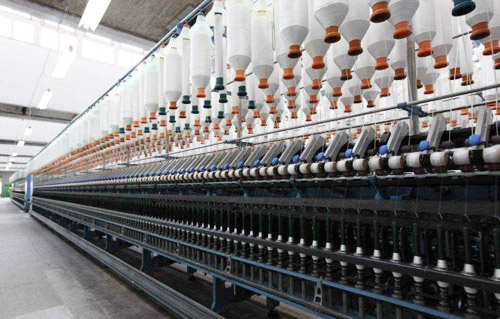
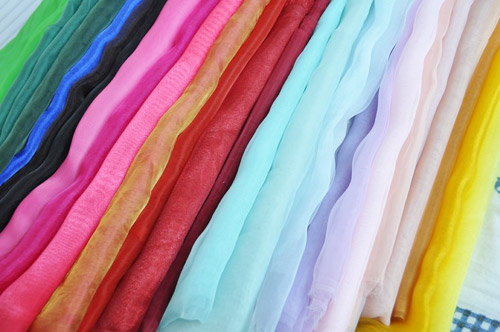
Serves as a sizing agent, fabric finishing enhancer, and dye-house wastewater flocculant. Highly efficient in breaking colloidal dye suspensions and precipitating toxic complex heavy metal ions.
Key financial and operational considerations for procurement directors, plant managers, and chemical distributors when sourcing polymer flocculants at scale.
Evaluating chemical suppliers solely on invoice cost per metric ton often leads to inflated operational budgets. Low-cost powders may contain lower active polymer contents or excessive moisture/salt concentrations, requiring dosage rates up to 40% higher to achieve equivalent cake dryness. High-purity Oubo polymers deliver higher active molecular chains per gram, lowering net treatment cost per dry ton of sludge ($/DS ton).
Poorly formulated polymers form insoluble gelatinous aggregates ("fish eyes") during hydration, clogging dosing pumps and blinding filter cloths. Oubo’s optimized particle size distribution ensures complete hydration within 45-60 minutes, cutting agitation energy consumption, preventing pump strain, and preserving mechanical filter longevity.
Expert insights regarding MSDS interpretation, dosing preparation, product shelf life, and shipping safety.
Select specialized polyacrylamide grades engineered for oilfield drilling fluids, industrial sludge conditioning, paper retention, and municipal sewage purification.
 Oubo Chemical