High-molecular weight polymers engineered for optimal liquid-solid separation, sludge dewatering, and enhanced oil recovery.
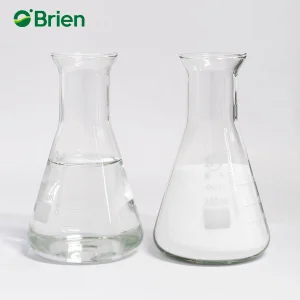
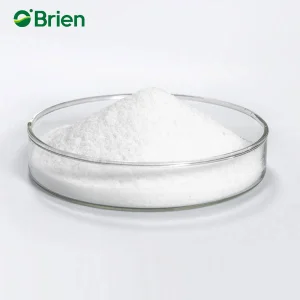
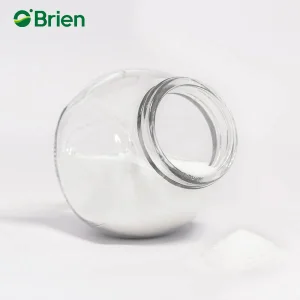
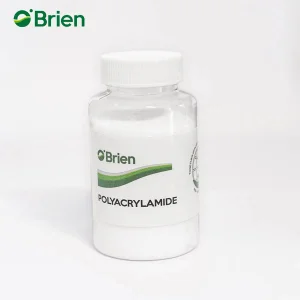
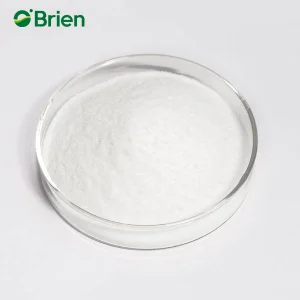
A comprehensive analytical deep-dive into polymer chemistry, safety profiles, compliance standards, and physical-chemical behavior of synthetic polyacrylamide resins.
Polyacrylamide (PAM) is a linear synthetic water-soluble resin produced via the polymerization of acrylamide monomers. Anionic Polyacrylamide (APAM) incorporates copolymerized acrylic acid or acrylate salts, imparting negative charges along the polymer backbone. As documented in our standardized 16-section Safety Data Sheets (MSDS/SDS compliant with GHS and OSHA standards), APAM displays zero toxicity in fully polymerized states, low dust creation, and complete solubility in aqueous environments.
Understanding the Material Safety Data Sheet (MSDS) is crucial for industrial procurement directors and EHS compliance managers. Key MSDS parameters emphasize handling dust control, avoiding contact with strong oxidizers, and managing spill cleanup with dry absorbents to prevent hyper-slippery surfaces upon hydration.
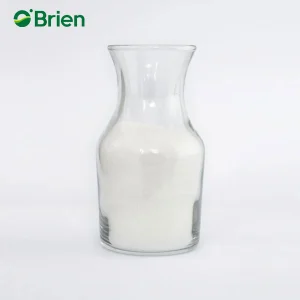
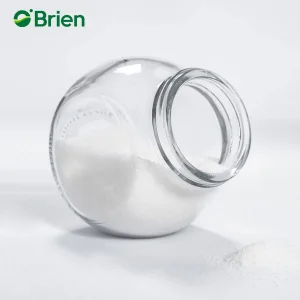
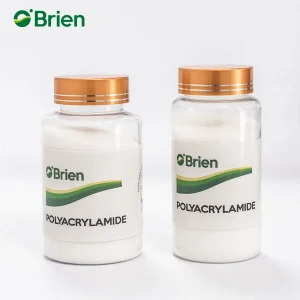
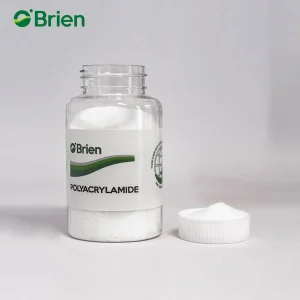
Depending on functional group configuration, PAM spans four primary ionic classes: Anionic (APAM), Cationic (CPAM), Nonionic (NPAM), and Amphoteric/Mannich variants. Anionic polymers excel in bridging positively charged suspended solids, minerals, and metallic hydroxide flocs. Available primarily as fine white granular powder, micro-emulsions, or water-in-oil emulsions, APAM acts as an indispensable coagulant aid, thickener, drag reducer, and rheology modifier across global processing plants.
| Technical Metric / Specification | Industrial Standard Range | Testing Methodology | Primary Performance Function |
|---|---|---|---|
| Molecular Weight (MW) | 6 Million – 30 Million Daltons | Viscometry / GPC Analysis | Controls polymer chain length for bridging mechanism |
| Degree of Anionicity (Charge Density) | 10% – 60% Hydrolysis | Colloidal Titration | Neutralizes surface potential of positively charged particles |
| Solid Content Ratio | ≥ 88.0% Active Polymer | Thermal Gravimetric Analysis | Ensures maximum active product per unit weight shipped |
| Dissolution Speed (Granule) | ≤ 60 Minutes (Standard Agitation) | Standard Hydration Protocol | Eliminates undissolved "fish-eyes" during field makeup |
| Residual Monomer (Acrylamide) | ≤ 0.05% (500 ppm max) | HPLC Chromatography | Guarantees environmental compliance and non-toxicity |
"Information Gain Advantage: High-molecular-weight anionic polyacrylamides achieve optimum liquid-solid separation by creating thick interparticle bridges. A 5% increase in molecular weight consistency reduces operational polymer consumption by up to 14% in heavy industrial thickeners."
Qingdao Oubo Chemical Co., Ltd. combines advanced biological polymerization with strategic FTZ logistical capabilities to supply global markets.
Established in 2011 within the Qingdao Free Trade Zone, Oubo Chemical operates at the crossroads of international maritime shipping routes. Annual production capacity eclipsed 50,000 Metric Tons in 2018, backed by an average year-over-year business growth rate of 10%. Free Trade Zone operations enable duty-free raw material staging and rapid export dispatch.
Oubo leverages proprietary biological catalytic methods for synthesizing acrylamide monomers. Unlike conventional chemical routes, biological conversion produces high-purity monomer feedstocks free from copper ions or unwanted side products. This technological edge yields polyacrylamide with ultra-high molecular weight, superior water solubility, and exceptional thermal stability.
Quality management systems at Oubo are certified under ISO9001:2008. Raw materials are sourced from top-tier chemical producers like SINOPEC and Eni. Every manufacturing batch undergoes 3 rigorous quality checks by our dedicated QC team—covering purity, viscosity, and residual monomer limits—before releasing export documentation.
Reinvesting over €2 million annually into chemical research, Oubo is shaping the future of eco-friendly water treatment and high-performance polymer science.
Transitioning from petrochemical inputs to bio-based acrylic feedstocks reduces total carbon intensity. Biological synthesis delivers zero residual toxic catalysts, perfect for sensitive food processing and potable water purification applications.
Advanced polymer chain branching methodologies allow molecular weight expansion beyond 30 Million Daltons. Designed specifically for deep-well Enhanced Oil Recovery (EOR) and high-salinity mining tailings dewatering.
Developing concentrated inverse-emulsion APAM fluids that dissolve completely in under 15 minutes. Eliminates the need for massive dissolving tanks in modern automated dosing rigs.
Customized polyacrylamide formulations engineered to address complex industrial process challenges worldwide.
Acts as an essential primary coagulant aid and sludge dewatering polymer. APAM accelerates gravity settling, improves clarification turbidity, and yields high dry-cake solids on belt presses, centrifuges, and plate-frame filters. Widely used across municipal plants, leather tanneries, and pharmaceutical effluent processing.
Utilized in Enhanced Oil Recovery (EOR) as a mobility control fluid to increase water sweep efficiency. In drilling fluids, APAM functions as a viscosifier, shale inhibitor, friction reducer, and fluid-loss control agent under harsh downhole temperatures and shear forces.
Enables ultra-fast liquid-solid separation in coal washing, mineral tailing thickening, alumina red mud precipitation, and hydrometallurgical leaching for copper, gold, iron, and nickel recovery. Minimizes water consumption via efficient recycling loops.
Functions as a retention and drainage aid, dry/wet strength agent, and anionic trash catcher. Enhances paper sheet formation, reduces fiber loss, improves machine speed, and clarifies white water systems to minimize raw material waste.
Specially formulated food-grade APAM speeds up sugarcane juice clarification and syrup flotation. Ensures crystal clarity, efficient impurities drop-out, and meets food safety regulatory standards for low residual acrylamide monomer.
Serves as a high-efficiency textile warp sizing agent and finishing agent to reduce yarn breakage. In wastewater operations, APAM removes heavy color dyes and suspended solids, lowering BOD/COD discharge levels.
Optimizing chemical procurement for international buyers through tailored polymer selection and reliable bulk supply management.
Unit cost per kilogram is only part of the procurement equation. High-performance APAM with matched charge density reduces required dosage volumes, lowers sludge cake transport disposal fees, and decreases power consumption on dewatering equipment—driving total cost reduction across processing plants.
Oubo Chemical’s technical service team performs pre-sales sample analysis and lab jar testing. Send us your substrate or wastewater samples, and our engineers will formulate the precise molecular weight and anionicity percentage needed for your site's specific water chemistry.
Standardized export packaging configured to prevent moisture ingress, ensure pallet stability, and extend shelf life up to 24 months.
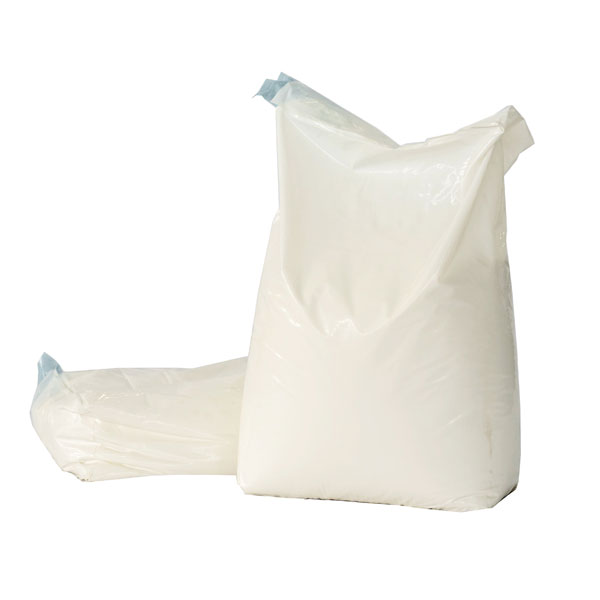
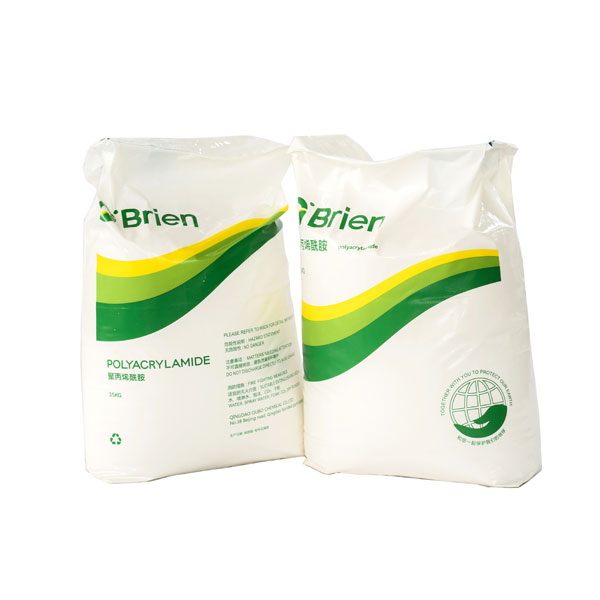
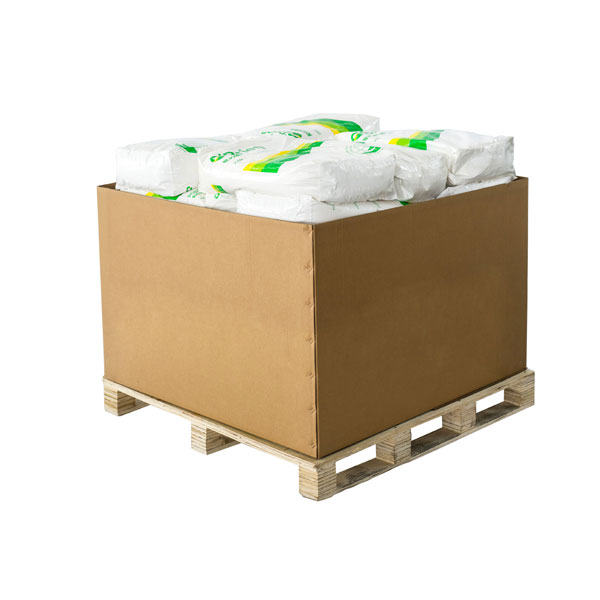
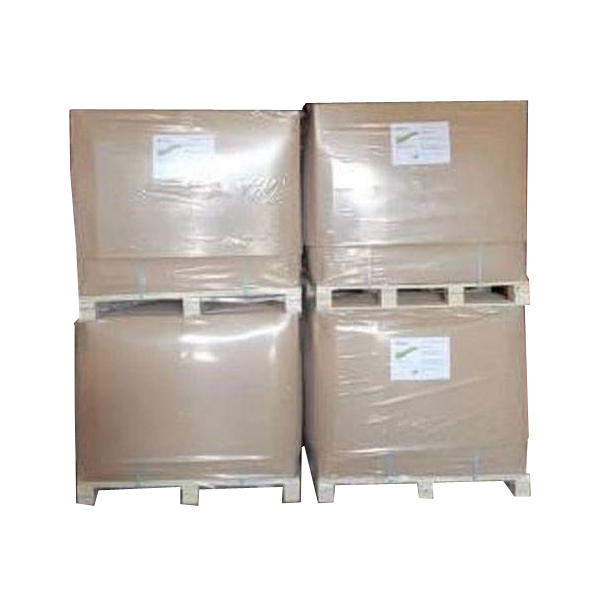
According to Oubo Chemical’s Safety Data Sheet (MSDS), dry polyacrylamide powder remains stable for 24 months when stored in unopened original packaging within cool, dry, ventilated surroundings between 5°C and 35°C. Polymer powders are hygroscopic; keep bags tightly sealed when not in use. Spilled polymer becomes extremely slick when wet—clean up dry powder spills using vacuuming or sweeping prior to water rinsing.
Expert answers regarding Anionic Polyacrylamide MSDS compliance, application parameters, and ordering procedures.
The MSDS (Material Safety Data Sheet) provides complete technical information spanning 16 GHS sections, including chemical identity (CAS 9003-05-8), hazard identification, first-aid measures, accidental release measures (slippage prevention), handling/storage temperature limits (5°C–35°C), exposure controls, toxicity, and ecological considerations.
Our patented biological method converts acrylonitrile to acrylamide using biocatalysts rather than copper catalysts. This produces purer monomers with zero copper ions, higher reaction rates, ultra-high molecular weights (up to 30 Million Daltons), and lower unreacted monomer residues (≤0.05%).
Selection depends on the surface charge of your suspended solids (Zeta Potential). Anionic PAM (APAM) is ideal for inorganic suspended solids, mineral slurries, and metal hydroxides with positive charges. Cationic PAM (CPAM) works best on organic sludges like municipal wastewater solids. Nonionic PAM (NPAM) is suitable for acidic media and complex mixed mineral systems.
Dissolve dry APAM powder at concentrations between 0.1% and 0.3% using clean water (pH 6–8, temp <40°C). Slowly sprinkle powder into the vortex created by low-shear mechanical agitation (200–400 RPM). Allow 45 to 60 minutes of continuous mixing for full hydration before dosing into the process stream.
We support trial orders starting from 1 Metric Ton (1 Pallet / 40 bags) up to full container loads (20 FCL = 18–20 Metric Tons palletized). FOB Qingdao, CIF, and DDP shipping terms are available worldwide with complete COA and MSDS documentation supplied for customs entry.
Browse our complete directory of anionic, cationic, and nonionic polyacrylamide grades ready for wholesale dispatch.
 Oubo Chemical