Industrial-grade Anionic, Cationic, and Nonionic PAM formulations engineered for rapid settling, sludge dewatering, and complex effluent clarification.
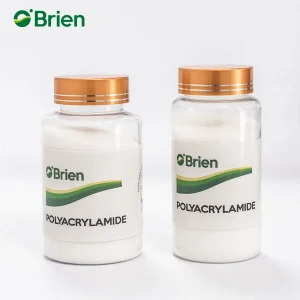
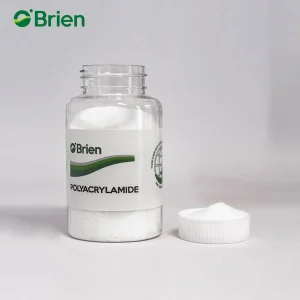
Qingdao Oubo Chemical Co., Ltd (operating globally under the premier brand O'Brien) was established in 2011 within the Free Trade Zone of Qingdao, China. Operating at the confluence of polymer chemistry and environmental engineering, Oubo Chemical has grown at a steady 10% annual rate over the past decade. With total annual production capacity breaking through 50,000 metric tons, our operations are strictly managed under ISO 9001:2008 quality management standards. We place paramount importance on minimizing environmental footprints during chemical synthesis while maximizing the operational efficiency of wastewater treatment networks worldwide.
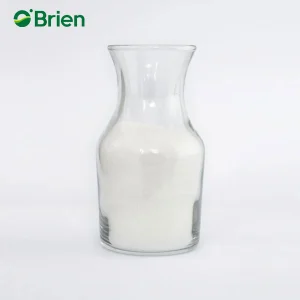
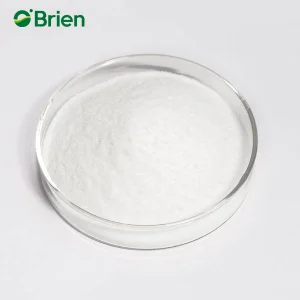
Polyacrylamide (PAM, CAS 9003-05-8) represents a class of synthetic water-soluble polymers formed via the polymerization of acrylamide monomers ($C_3H_5NO$). Functioning primarily as flocculants, coagulant aids, rheology modifiers, and friction reducers, PAM products play a pivotal role across municipal wastewater plants, oil & gas extraction, paper manufacturing, mining tailings management, and agriculture. The performance of PAM depends on its physical form (dry powder, emulsion, aqueous solution) and charge characteristics (Anionic, Cationic, Nonionic, and Amphoteric/Mannich).
Core Innovation Notice: Oubo Chemical utilizes patented biological enzymatic methods to produce ultra-high molecular weight polyacrylamide. By replacing traditional chemical catalysis with bio-enzymatic synthesis, we yield polymers with superior linearity, lower residual monomer levels (<0.05%), and higher thermal stability.
Selecting the optimal polymer requires matching molecular weight (MW) and charge density (CD) with effluent charge dynamics and process shear stress.
Synthesized by copolymerizing acrylamide with cationic monomers such as DAC (Dimethylaminoethyl Acrylate Methyl Chloride) or ADAM-MC. CPAM carries positive charges along its polymer backbone, making it extraordinarily effective for neutralizing negatively charged organic colloidal matter present in biological sludges and municipal waste streams.
Produced by copolymerization of acrylamide with acrylic acid or sodium acrylate. APAM introduces negatively charged carboxylate groups ($-COO^-$) along the polymer chain. These negative sites induce chain expansion through electrostatic repulsion, creating vast polymer networks ideal for bridging inorganic suspended solids.
Formed via pure homopolymerization of acrylamide without ionic functional groups. NPAM relies on hydrogen bonding mechanisms between its amide groups ($-CONH_2$) and particle surfaces. It excels in highly acidic environments or high-salinity solutions where ionic charges would otherwise be shielded or deactivated.
| PAM Type | Ionic Charge | Molecular Weight (Daltons) | Optimal pH Range | Key Application Domains |
|---|---|---|---|---|
| APAM (High MW) | Anionic (10-30%) | 18M - 25M | 7.0 - 14.0 | Petrochemical effluent, sand washing, coal washing, river dredging |
| CPAM (Medium Charge) | Cationic (20-40%) | 8M - 12M | 3.0 - 8.0 | Municipal sewage sludge dewatering, food processing wastewater |
| NPAM (Acid Resistant) | Nonionic (<1%) | 5M - 10M | 1.0 - 6.0 | Acidic metal plating effluent, mineral dressing, soil water retention |
| CPAM (High Charge) | Cationic (50-80%) | 6M - 10M | 4.0 - 7.5 | Paper wet-end retention, high-organic tannery sludge treatment |
Comprehensive polymer strategies designed to resolve complex solid-liquid separation challenges across global industrial ecosystems.
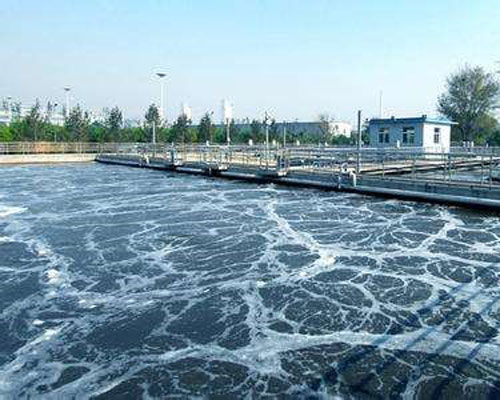
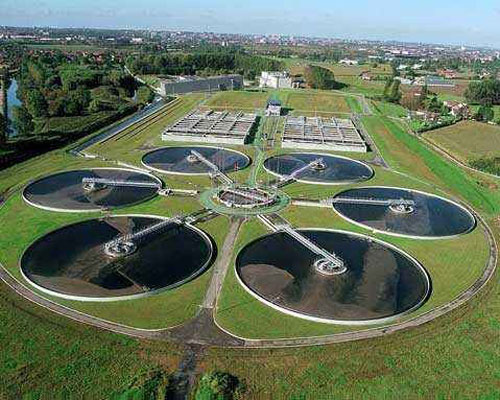
Polyacrylamide acts as a high-efficiency flocculant in solid-liquid separation processes, including primary clarification, secondary sedimentation, and ultimate sludge dewatering. In municipal sewage networks, our cationic PAM grades form dense, fast-settling flocs under high shear centrifugation, significantly lowering cake moisture content. For industrial effluents—ranging from leather tanneries and citric acid extraction to textile dyeing and pharmaceutical manufacturing—our customized APAM/CPAM dosage regimes drastically reduce Chemical Oxygen Demand (COD), Biological Oxygen Demand (BOD), and Total Suspended Solids (TSS).
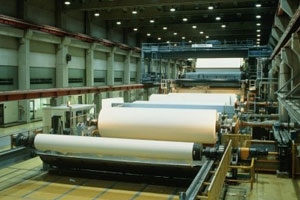
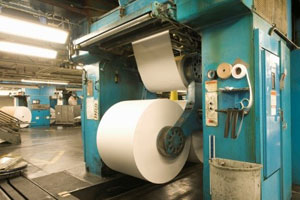
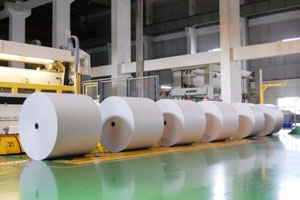
Our tailored PAM line serves as multifunctional additives across the paper machine wet-end:


Polyacrylamide plays a critical role in upstream petroleum engineering. In Enhanced Oil Recovery (EOR), high-molecular-weight APAM increases the viscosity of injected water, improving sweep efficiency across reservoir rocks. In drilling operations, PAM serves as a friction reducer, shale inhibitor, fluid loss control agent, and viscosifier, protecting drill bits and stabilizing wellbores under high-temperature and high-salinity (HTHS) conditions.

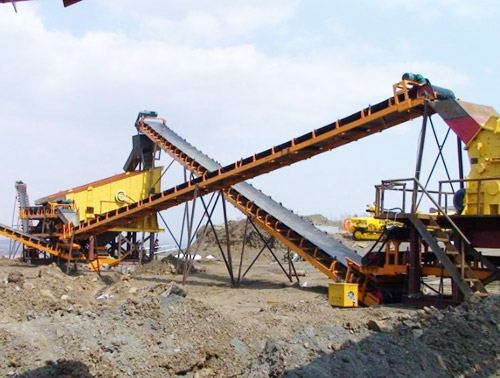

In mineral processing, efficient solid-liquid separation is crucial for water recovery and environmental compliance. Oubo's non-ionic and anionic PAM grades accelerate settling rates in thickeners during coal washing, tailings dewatering, and leach solution clarification. Tailored solutions cater to diverse mineral dressing streams including Gold, Silver, Copper, Iron, Nickel, and Uranium ores.
In sugar refining, PAM speeds up juice clarification and mud settling in juice clarifiers, producing clearer syrup with higher purity while reducing scaling in evaporators.
PAM functions as a sizing agent, smooth finishing agent, and fabric protector. In textile wastewater systems, it efficiently decolorizes dye bath discharges and precipitates heavy dye complexes.
Uncompromising Quality Assurance, World-Class Raw Material Sourcing, and End-to-End Technical Support.
Qingdao OUBO Chemical Co., Ltd is a world leader in biological enzymatic PAM production. Backed by extensive patent portfolios and €2.0M in annual R&D reinvestment, our process yields polymers with higher purity and minimal unreacted monomers.
We source raw chemical feedstocks globally from tier-1 suppliers such as SINOPEC and Eni. Operating fully automated production lines, every single batch undergoes 3 rigorous quality control checks before release.
Our specialized chemical engineering team supports clients through pre-sales lab jar testing, polymer selection, field trials, dosage optimization, and ongoing operational maintenance.
Driving the future of green chemistry through high-temperature stability, low-monomer toxicity, and bio-degradable polymer matrices.
As environmental regulations tighten globally—such as Europe's REACH standards and stringent municipal discharge limits across North America—the water treatment chemical industry is undergoing a structural transition. Oubo Chemical is at the forefront of this evolution, investing in key innovation avenues:
Reducing free acrylamide monomer levels down to below 250 ppm, satisfying drinking water safety standards (NSF/ANSI Standard 60) for municipal potable water treatment.
Incorporating specialized monomers (such as AMPS) to withstand high temperature (up to 120°C) and extreme salinity in deep oil reservoirs and mining leach liquor processes.
Developing modified polysaccharide-PAM graft copolymers that maintain high flocculation speeds while offering superior environmental biodegradability.
Expert answers to critical technical, operational, and commercial procurement inquiries.
Selection depends primarily on the electrical charge of the suspended solids in your wastewater stream. As a general rule: Anionic PAM (APAM) is used for inorganic solids with positive surface charges (e.g., minerals, clays, sand, metal oxides); Cationic PAM (CPAM) is used for organic biological sludges with negative charges (e.g., municipal sewage, food processing sludge); and Nonionic PAM (NPAM) is chosen for complex acidic media or where hydrogen bonding is the primary mechanism required for bridging.
Polyacrylamide powder must be dissolved in clean water at a concentration typically between 0.1% and 0.3% (w/v). Water temperature should be between 20°C and 40°C. Mix using a low-shear mechanical stirrer (200-400 RPM) for 45 to 60 minutes until the granules are completely dissolved. High-shear mixing must be avoided to prevent mechanical degradation of the polymer chains.
In dry powder form, stored in original sealed moisture-proof packaging in a cool, dry, and ventilated warehouse, PAM retains its performance for up to 24 months. Once dissolved into aqueous solution, the polymer solution should be used within 24–48 hours (for CPAM) or 3–5 days (for APAM/NPAM) to prevent hydrolytic viscosity loss.
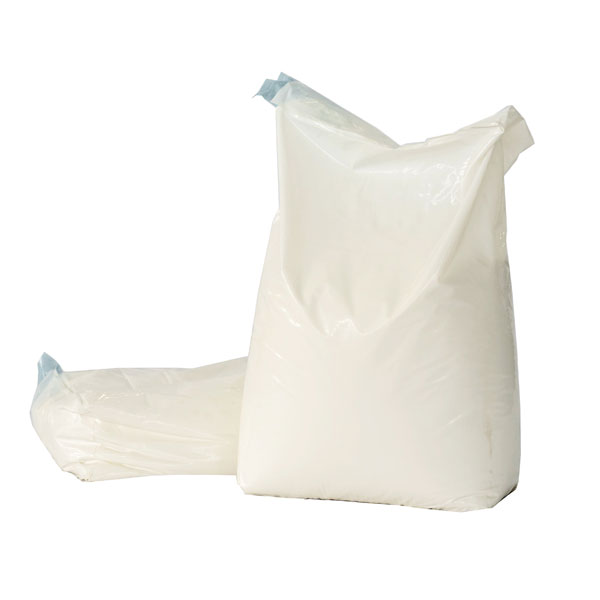
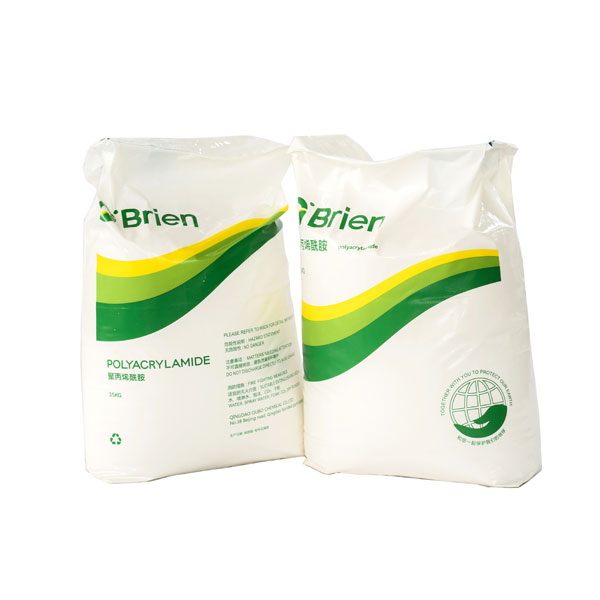
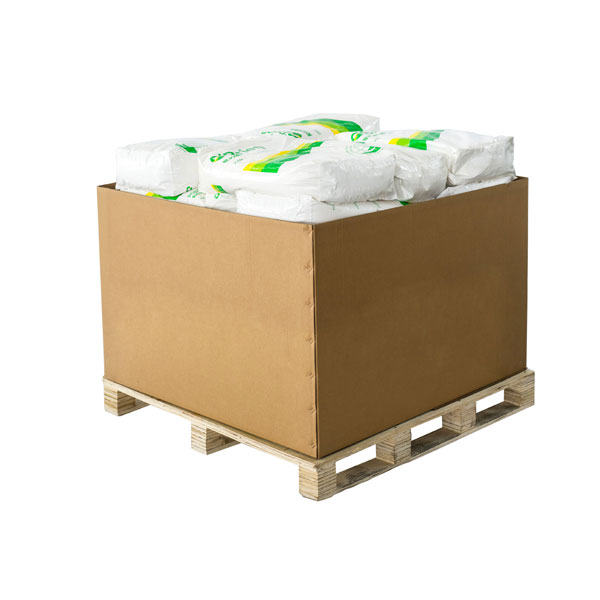
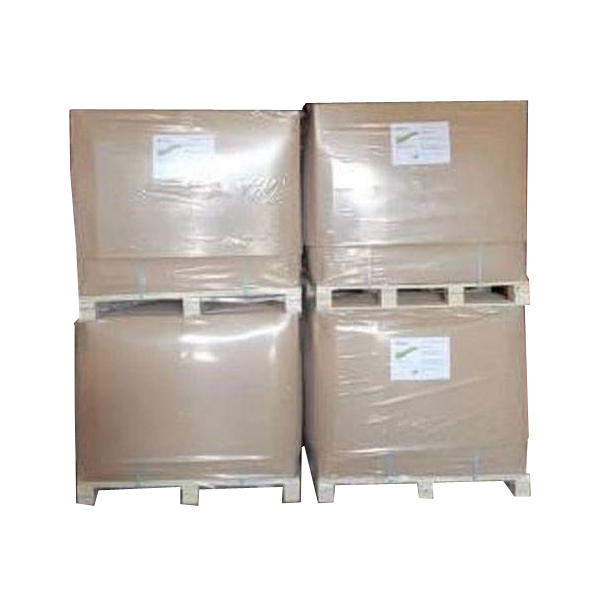
Yes. We offer comprehensive OEM/ODM packaging options, including 25kg multi-wall paper-plastic bags, 750kg/800kg jumbo bags, neutral unprinted bags, and customized brand packaging with full palletization and shrink-wrapping to support international distribution channels.
Explore our complete catalog of certified cationic, anionic, and nonionic polyacrylamide solutions for global industrial applications.
 Oubo Chemical