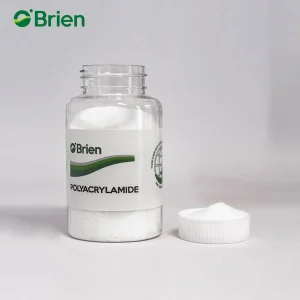
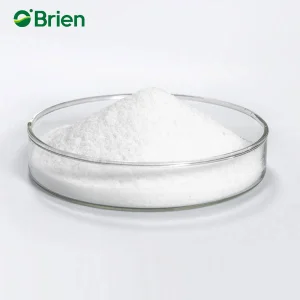
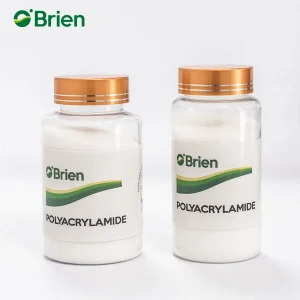
High-performance Cationic, Anionic, and Nonionic PAM formulations synthesized for ultra-high molecular weight and precise charge distribution.
Pioneering Bio-Catalytic Polyacrylamide Manufacturing in China's Premier Free Trade Zone.
Established in 2011 inside the Free Trade Zone of Qingdao, China, Qingdao Oubo Chemical Co., Ltd has engineered a world-class manufacturing nexus dedicated to synthetic polymer research, environmental water chemistry, and industrial solids separation. Operating under a rigorous Quality Control system, Oubo has sustained an average business growth rate of 10% annually over the past decade, breaking the 50,000 Metric Tons annual production capacity benchmark in 2018.
Driven by an unwavering commitment to environmental sustainability, product purity, and application performance, Oubo leverages advanced bio-catalytic polymerization pathways. Our operations are fully accredited under the ISO9001:2008 Quality Management System, delivering fully certified, trace-analyzed polymer solutions to municipal utilities, global energy conglomerates, and industrial pulp mills worldwide.
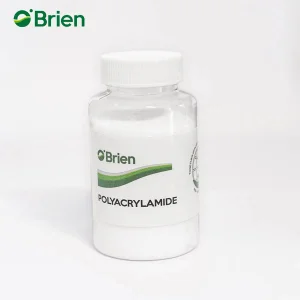
Polyacrylamide (CAS 9003-05-8) is a synthetic, water-soluble linear resin synthesized through the free-radical polymerization of acrylamide monomers ($CH_2=CH-CONH_2$).
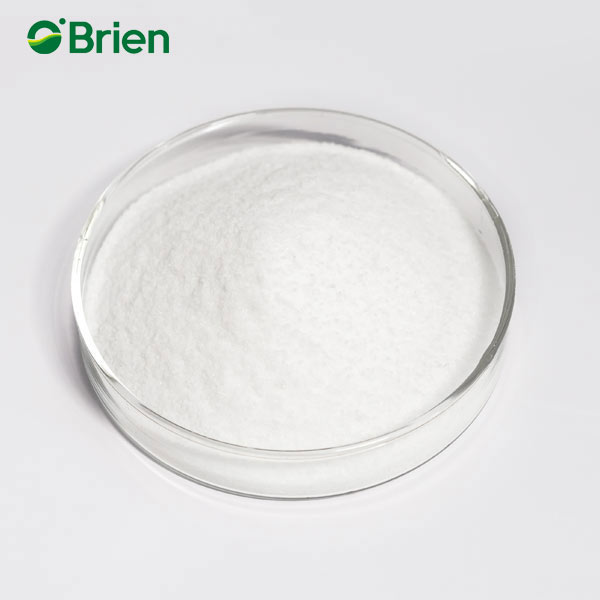
Synthesized by copolymerizing acrylamide with cationic monomers such as DAC (Acryloyloxyethyltrimethylammonium chloride) or DMC (Methacryloyloxyethyltrimethylammonium chloride). CPAM exhibits strong positive electrical charge densities ranging from 10% to 80% with molecular weights between 6 Million and 15 Million Daltons.
Produced via the copolymerization of acrylamide with acrylic acid or sodium acrylate, yielding negatively charged polymer chains. APAM features hydrolysis degrees spanning 5% to 60% and exceptionally high molecular weights ranging from 8 Million up to 25 Million Daltons.
Formed by pure homopolymerization of acrylamide, resulting in neutral polymers with minimal charge density (hydrolysis < 3%). NPAM exhibits high tolerance to extreme saline environments and low pH acidic liquid mediums.
| Polymer Type | Appearance | Molecular Weight (Million) | Charge Density / Hydrolysis | Solid Content (%) | Dissolving Time (Min) |
|---|---|---|---|---|---|
| Cationic (CPAM) | White Granular Powder | 6 - 15 Mw | 10% - 80% (Ionicity) | ≥ 89% | ≤ 60 Mins |
| Anionic (APAM) | White Granular Powder | 8 - 25 Mw | 10% - 60% (Hydrolysis) | ≥ 89% | ≤ 60 Mins |
| Nonionic (NPAM) | White Granular Powder | 5 - 15 Mw | 0% - 3% (Degree) | ≥ 89% | ≤ 90 Mins |
| Mannich PAM | Viscous Liquid / Powder | 4 - 10 Mw | 20% - 50% (Amine Grade) | ≥ 30% - 89% | ≤ 45 Mins |
Analyzing the macroeconomic trajectories, regulatory shifts, and commercial demand cycles governing water-soluble polymers through 2030.
Global regulatory bodies (including the US EPA, EU Water Framework Directive, and China's Environmental Protection Law) have drastically tightened permissible Total Suspended Solids (TSS) and Chemical Oxygen Demand (COD) limits. Municipal and industrial wastewater treatment plants are forced to adopt high-efficiency coagulants and cationic polyacrylamide flocculants to achieve rapid solid-liquid separation and lower sludge cake moisture content.
As global oilfields mature, tertiary recovery techniques rely heavily on ultra-high molecular weight Anionic Polyacrylamide (APAM) for polymer flooding. APAM increases water phase viscosity, improves sweep efficiency, and mobility ratio in reservoirs. Simultaneously, non-conventional shale gas hydraulic fracturing requires friction reducers manufactured from low-viscosity PAM emulsions.
Oubo Chemical provides customized PAM polymers optimized for specific hydrodynamic, pH, and ionic stress environments across diverse processing industries.
Polyacrylamide serves as the primary organic flocculating agent in industrial and municipal solid-liquid separation processes, encompassing sedimentation, clarification, thickening, and mechanical sludge dewatering.
For municipal sewage plants, high-charge Cationic Polyacrylamide (CPAM) destabilizes negatively charged colloidal sludge particles, inducing dense micro-floc formation suitable for belt filter presses, centrifuge decanters, and screw presses. In industrial sectors, Oubo PAM delivers high clarification rates across leather, paper mill effluent, citric acid processing, vegetable protein extraction, dyeing, pharmaceutical synthesis, and incense wastewater.
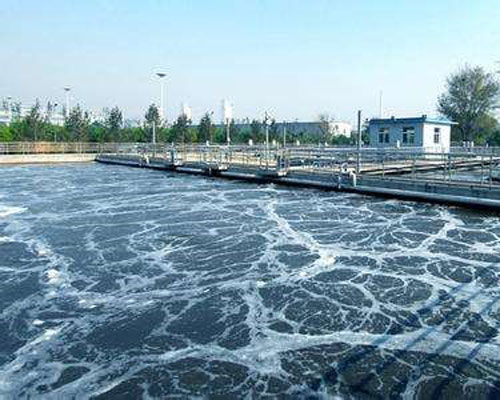
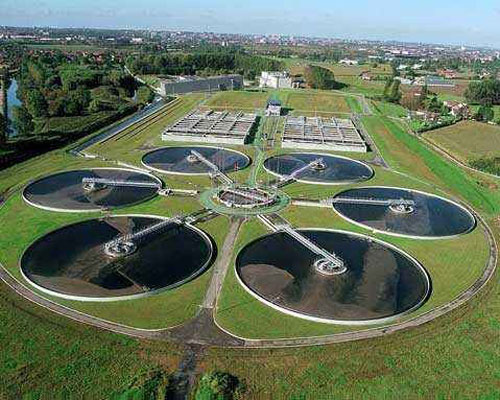
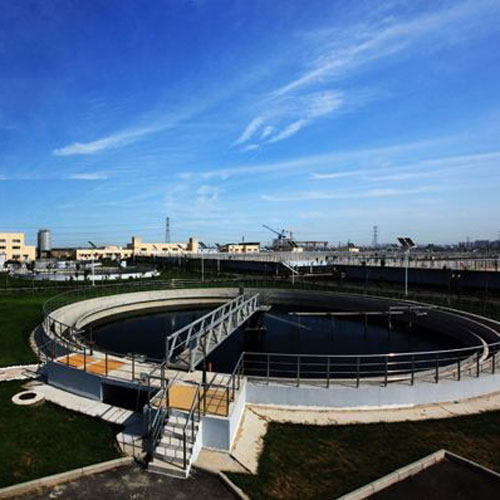
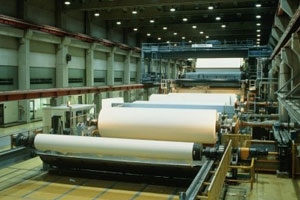
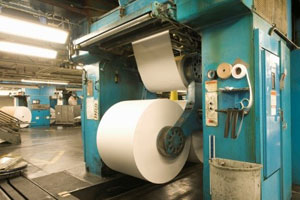
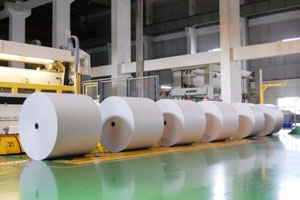
In wet-end paper chemistry, PAM acts as a multifunction chemical engine: retention agent, drainage aid, paper strength builder, and white water clarifier.
1. Retention & Drainage Aids: CPAM/APAM polymers retain short fibers and mineral fillers (PCC/GCC), enhancing wire drainage speed and cutting raw material losses.
2. Anionic Trash Catchers (ATC): Low Mw high-cationic polymers neutralize interfering anionic trash in closed-loop water systems.
3. Dry & Wet Strength Agents: Ionized polymer chains form covalent and hydrogen bonds directly with pulp cellulose hydroxyl groups.
4. Fiber Dispersants: Ultra-high Mw NPAM ensures uniform fiber distribution in specialty lightweight paper grades.
Polyacrylamide plays a critical role across upstream petroleum engineering sectors, including profile control, well plugging, drilling mud regulation, and hydraulic fracturing fluids.


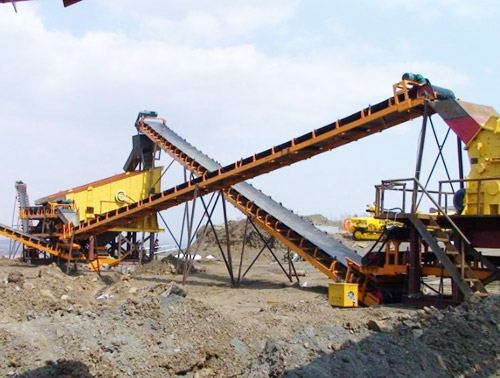
Oubo offers a complete spectrum of Nonionic, Anionic, and Cationic polymers tailored for solid-liquid separation across coal preparation and precious metal extraction.


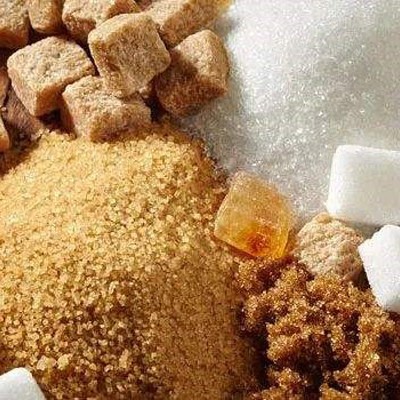
Specifically purified food-grade APAM polymers accelerate sugarcane juice clarification and syrup flotation. By binding mud impurities into rapid-settling flocs, Oubo PAM improves sugar yield and juice clarity without leaving harmful residues.
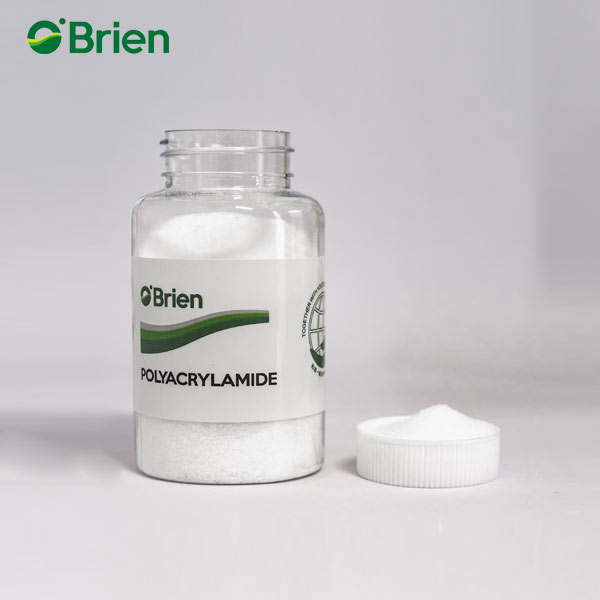
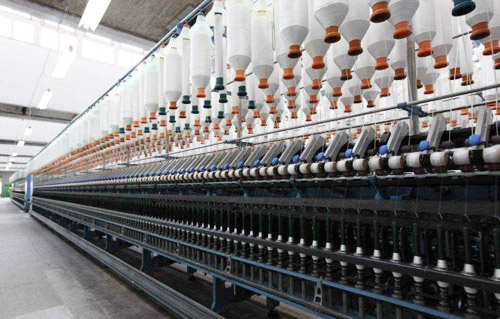
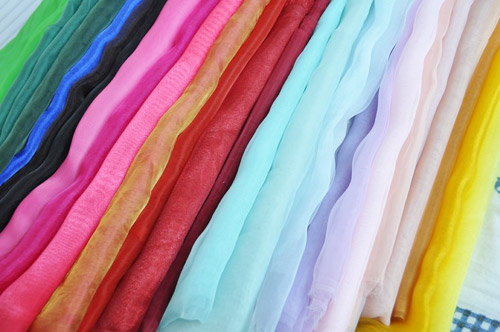
Serves as an effective textile sizing agent, fabric finishing aid, and dye-house wastewater decolorizer. PAM increases warp sizing adhesion, reduces yarn breaking rates during weaving, and efficiently coagulates recalcitrant azo dye complexes in wastewater streams.

Integrated Quality Control, Advanced R&D, and Strategic Raw Material Sourcing.
Qingdao OUBO Chemical Co., Ltd utilizes an advanced microbiological enzymatic method to produce acrylamide monomer. This proprietary green catalyst route yields higher monomer purity with minimal toxic sub-components, enabling consistent synthesis of ultra-high molecular weight PAM polymers with tight structural control.
Our raw material sourcing is tied to global petrochemical leaders, including SINOPEC, Eni, and other Tier-1 suppliers. Automated continuous production lines coupled with ISO9001 compliance guarantee that every production batch undergoes a mandatory 3-stage QC verification before dispatch.
We provide full life-cycle customer support: pre-sales Jar Testing, site-specific polymer selection, dosage optimization, and after-sales process adjustment. Our engineers partner directly with client plant operators to maximize solids dewatering while lowering consumption unit costs.
Reinvesting €200 million cumulatively into polymer chemical research, Oubo continually pushes technical boundaries in temperature-resistant polymers, salt-tolerant EOR agents, and low-toxicity biodegradable flocculant series.
Industrial-grade moisture-proof packaging ensuring product shelf stability during international maritime transport.
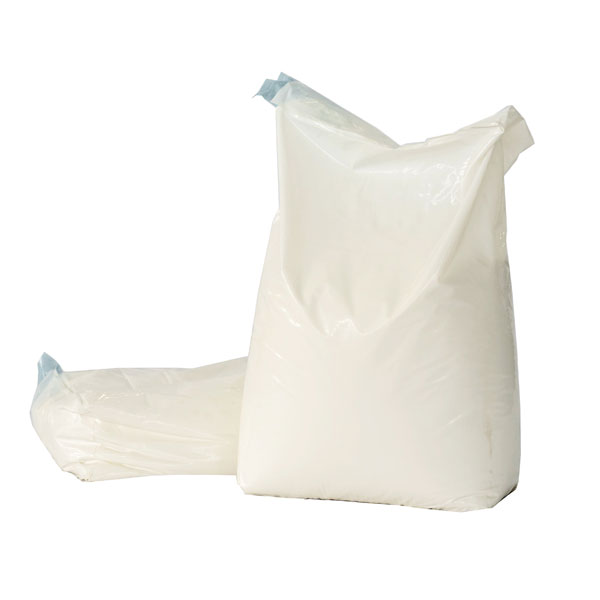
25kg Multi-wall Kraft paper bag with internal PE liner. Neutral unbranded packaging designed for private label distributors.
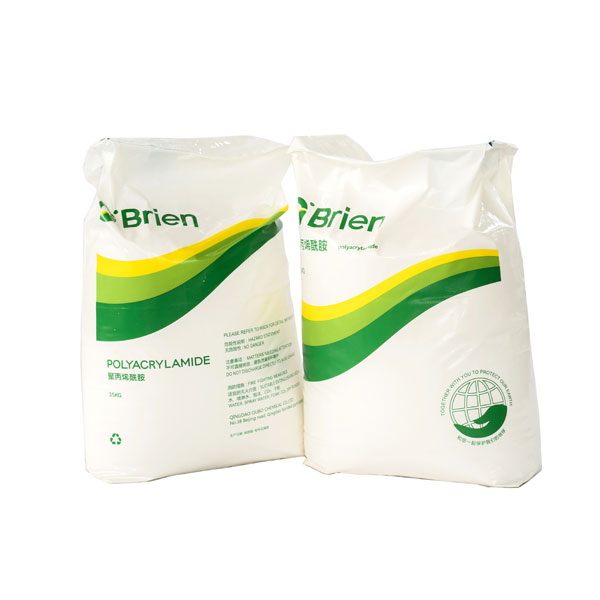
25kg High-density PP woven bag lined with moisture barrier polyethylene, printed with standard batch tracking specs.
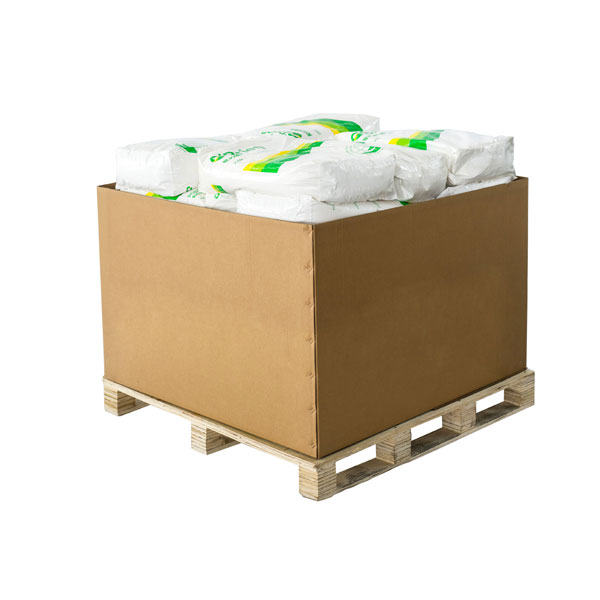
750kg - 1000kg Flexible Intermediate Bulk Containers (FIBC) equipped with bottom discharge spouts for automated dosing systems.
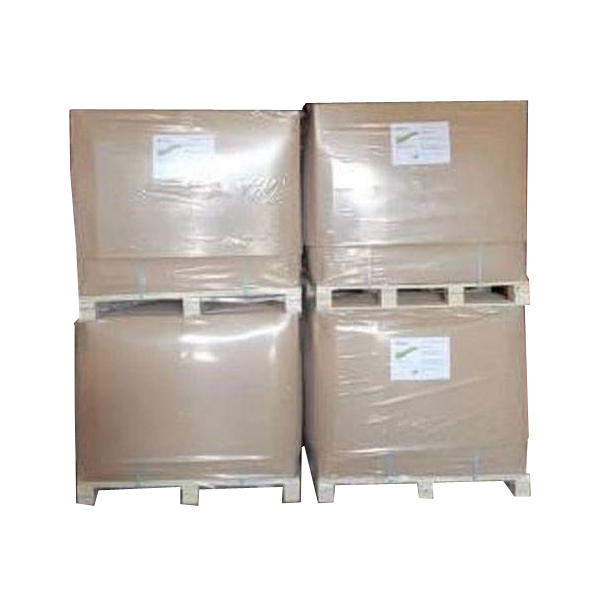
Palletized at 1.0 - 1.2 Metric Tons per pallet, shrink-wrapped with protective corner boards to withstand trans-oceanic logistics.
Driving environmental sustainability through next-generation polymer chemistry.
Advancing enzymatic biological conversion technology to synthesize acrylamide directly from agricultural bio-feedstocks, reducing reliance on fossil-fuel petrochemical precursors and minimizing net carbon footprint.
Developing micro-block hydrophobic modified polyacrylamides capable of retaining structural viscosity in harsh oilfield reservoirs exceeding 120°C and 200,000 ppm Total Dissolved Solids (TDS).
Integrating optical turbidity feedback sensors with automated polymer preparation units to adjust PAM dosage dynamically based on incoming fluid suspended solid concentrations.
Explore Oubo's complete array of cationic, anionic, and nonionic polyacrylamide solutions.
 Oubo Chemical