High-purity Anionic, Cationic, and Nonionic PAM polymers synthesized via bio-enzymatic technology for industrial scale water purification and process enhancement.
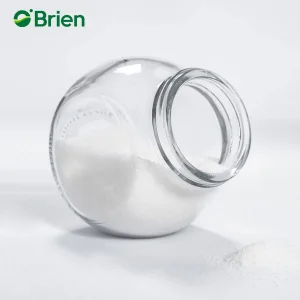
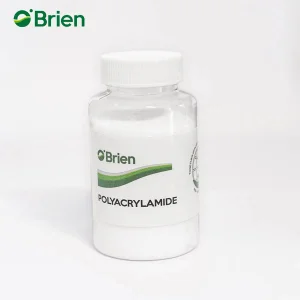
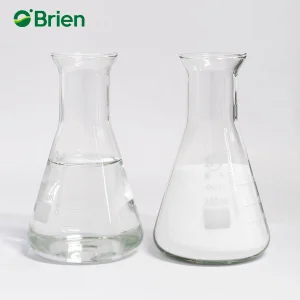
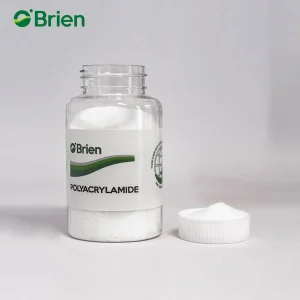
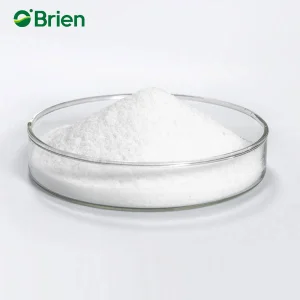
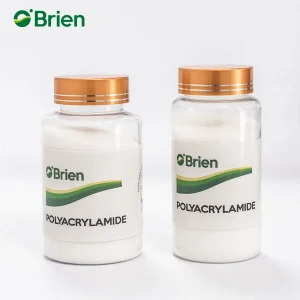
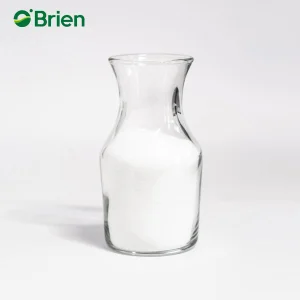
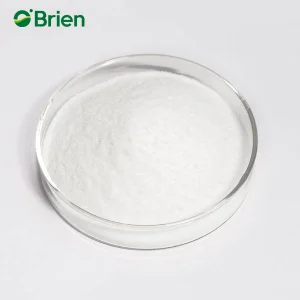
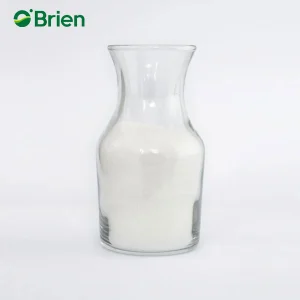
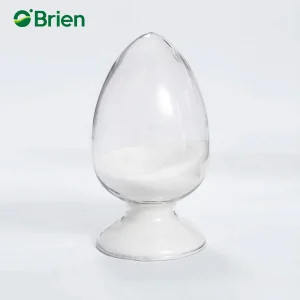
Polyacrylamide (PAM, CAS 9003-05-8) represents a pivotal class of synthetic, linear water-soluble polymers synthesized from acrylamide monomers. As industrialization intensifies, water quality regulations tighten, and resource extraction methods demand higher yield efficiencies, the global demand for high-performance polyacrylamide powder has expanded exponentially. Modern industrial applications require tailored polymer configurations characterized by ultra-high molecular weights (ranging up to 25 Million Daltons) and precise charge densities (ranging from 5% to 80%).
As a premier global manufacturer situated in the Qingdao Free Trade Zone, China, Qingdao Oubo Chemical Co., Ltd. has established an industry-leading position since its establishment in 2011. By integrating third-generation bio-enzymatic polymerization technology with stringent quality assurance matrices, Oubo Chemical delivers high-purity Anionic (APAM), Cationic (CPAM), and Nonionic (NPAM) polyacrylamide formulations that drive efficiency across municipal wastewater treatment, oil and gas extraction, mineral processing, pulp and paper production, and textile processing.
Technical Insight: Third-generation bio-enzymatic synthesis eliminates residual copper catalyst impurities common in traditional chemical hydrolysis, yielding polyacrylamide polymers with superior linear chain continuity, faster dissolution dynamics, and significantly reduced residual acrylamide monomer content (<0.05%).
Polyacrylamide’s functional versatility stems from the reactivity of its amide side groups (–CONH2), which can be chemically modified to impart specific ionic charges. Understanding the molecular taxonomy is critical for procurement engineers and municipal water treatment specialists when selecting optimal flocculants.
| Polymer Class | Copolymer Structure | Molecular Weight (MDa) | Charge Density (%) | Primary Flocculation Mechanism |
|---|---|---|---|---|
| Anionic PAM (APAM) | Acrylamide + Sodium Acrylate copolymer | 8 - 25 Million | 5% - 80% (Anionic) | Charge neutralization + Polymer bridging on positively charged mineral suspensions. |
| Cationic PAM (CPAM) | Acrylamide + DAC/DACMA monomers | 4 - 15 Million | 5% - 80% (Cationic) | Electrostatic neutralization of negatively charged organic biomass & sludge particles. |
| Nonionic PAM (NPAM) | Pure Acrylamide Homopolymer | 3 - 12 Million | 0% - 3% (Neutral) | Hydrogen bonding and macromolecular bridging under highly acidic or complex ionic conditions. |
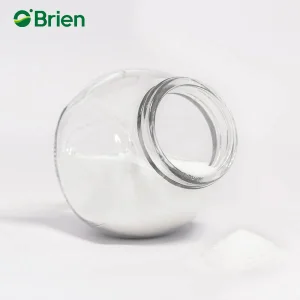
The performance of polyacrylamide powder depends heavily on its dissolution profile. High molecular weight polymers form entangled coil structures in dry powder state. When introduced to water, these chains uncoil slowly. Oubo Chemical’s proprietary granulation technology ensures consistent particle size distribution (20–80 mesh), minimizing the formation of undissolved gel clusters ("fish-eyes") and reducing required maturation time to under 45 minutes in standard dissolution units.
Global buyers searching for wholesale polyacrylamide factories demand supply stability, strict quality consistency, and cost-efficient logistics. Located in the Free Trade Zone of Qingdao, Qingdao Oubo Chemical Co., Ltd. leverages unique infrastructural and supply chain advantages:
Oubo utilizes patented biological enzymatic processes to produce acrylamide monomer. This clean technology operates at lower temperatures, avoids heavy-metal catalysts, and generates ultra-linear polymers with extremely high molecular weights.
Direct strategic partnerships with petrochemical giants such as SINOPEC and Eni ensure an uninterrupted supply of raw feedstocks, insulating global customers from upstream price volatility and raw material deficits.
Our location within the Qingdao Free Trade Zone provides zero-tariff bonded warehousing options, expedited customs clearance, and direct maritime shipping access to major international ports worldwide.
Polyacrylamide functions across diverse industrial ecosystems. Oubo Chemical’s technical support team collaborates directly with plant engineers to configure custom chemical dosage regimes tailored to specific effluent profiles and process water metrics.
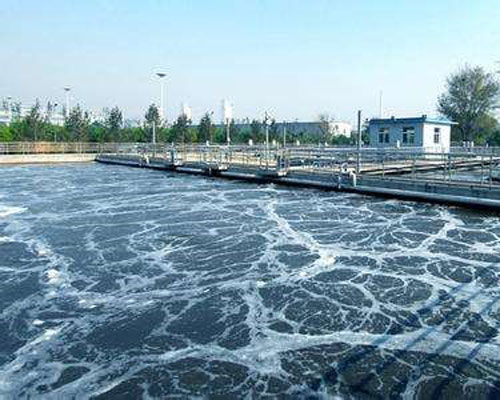
CPAM & APAM act as high-efficiency flocculants in primary clarification, secondary sedimentation, and mechanical sludge dewatering (belt filter presses, centrifuges, and screw presses).
High MW APAM serves as a mobility control polymer in Enhanced Oil Recovery (EOR) polymer flooding, as well as a visco-elastic fluid loss reducer and friction reducer in hydraulic fracturing.
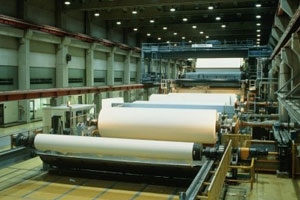
Custom cationic and anionic PAM formulations serve as retention aids, drainage accelerators, wet/dry paper strength additives, and anionic trash catchers in wet-end chemistry.

NPAM and APAM polymers accelerate solid-liquid separation in coal washing, tailings thickeners, red mud settling in alumina refining, and precious metal (Au, Ag, Cu) leaching circuits.
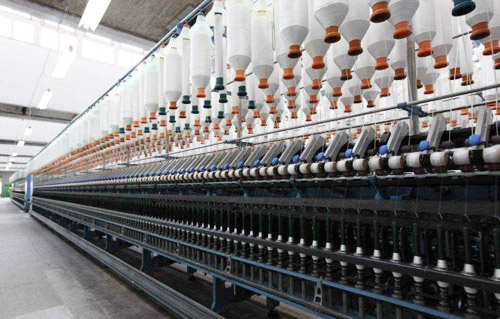
PAM increases fabric weaving strength and acts as a specialized de-colorizing flocculant to remove complex organic dye residues from industrial dye house effluents.
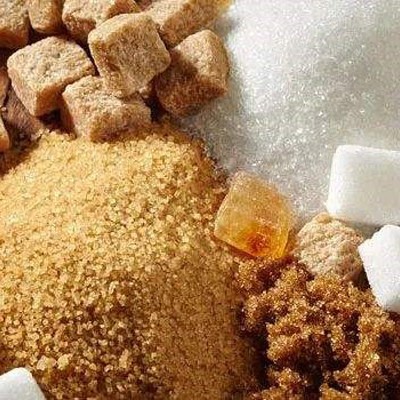
Food-grade anionic flocculants clarify raw sugar juice, beet liquor, and vegetable protein extracts, ensuring compliance with strict toxicity and residual monomer limits.
At Oubo Chemical, operational excellence is governed by our ISO 9001:2008 certified Quality Management System. Each manufacturing batch undergoes rigorous triple-stage testing before dispatch:
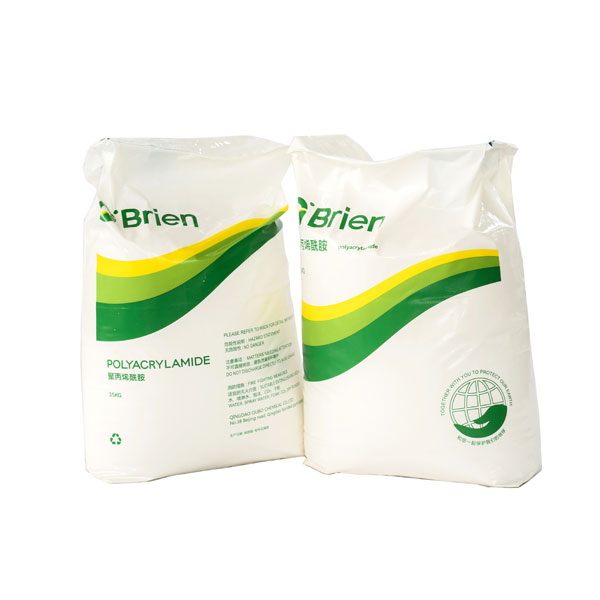
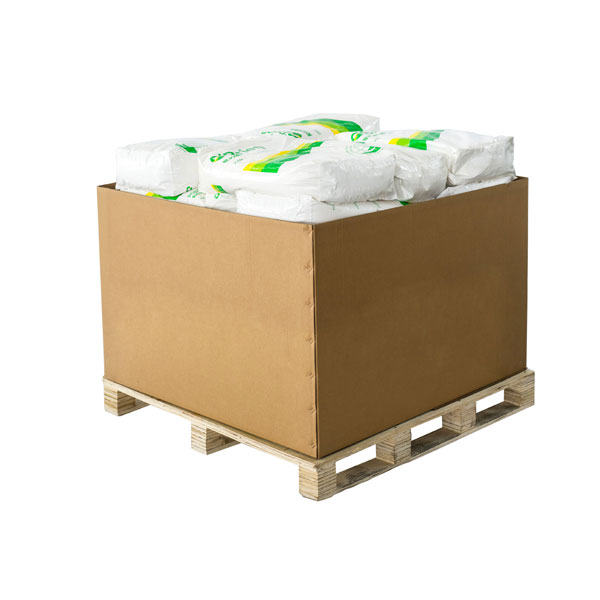
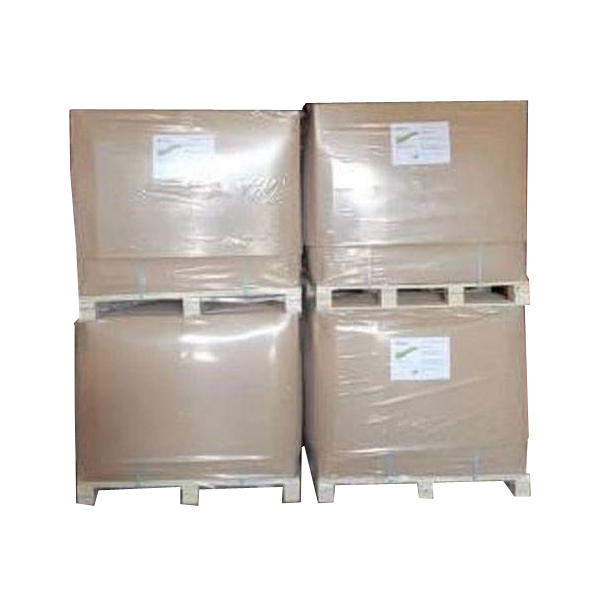
To meet international shipping requirements and diverse storage environments, Oubo Chemical provides customized, moisture-proof export packaging options:
Expert answers on product selection, dosage optimization, storage guidelines, and factory sourcing.
Selection depends on the electrical charge of the suspended solids in your process fluid. Anionic PAM (APAM) is typically used for inorganic suspensions, mineral tailings, and clay-rich wastewater. Cationic PAM (CPAM) is ideal for organic biomass and municipal biological sludge dewatering due to negative charges on cellular walls. Nonionic PAM (NPAM) performs best in highly acidic solutions or complex mineral leaching processes where ionic interference must be minimized.
Dry Polyacrylamide powder has a shelf life of 24 months when stored in original unopened packaging in a cool, dry, well-ventilated warehouse below 35°C. Prevent exposure to moisture, direct sunlight, and ambient humidity to prevent caking and performance degradation.
Prepare a solution concentration of 0.1% to 0.3% (w/v) using clean water (pH neutral, <40°C). Gradually feed the powder into the vortex created by a mechanical stirrer running at 200–400 RPM to avoid clump formation. Continue mixing for 45 to 60 minutes until the polymer is completely dissolved into a clear, viscous liquid.
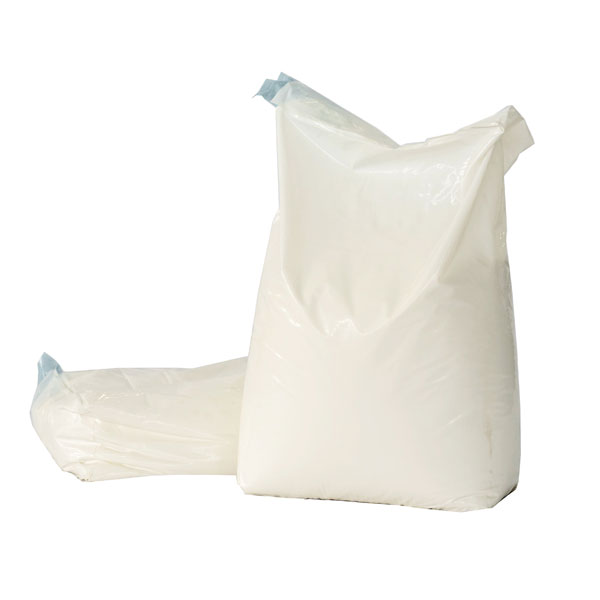
Yes. Oubo Chemical provides comprehensive OEM services including custom charge density, molecular weight tuning, private label printing, and specialized export packaging (neutral blank bags, 25kg kraft bags, or 750kg jumbo bags).
Explore specialized polymers designed for high-salinity oilfield environments, acidic industrial wastewater, and high-shear dewatering equipment.
 Oubo Chemical