Direct Factory Supply of High-Performance Granular & Powdered PAM Solutions
World-Leading Biological Polymerization Plant & Global Chemical Supplier
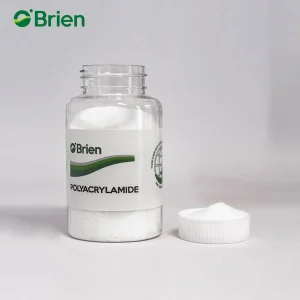
Established in 2011 and strategically operating within the Free Trade Zone of Qingdao, China, Qingdao Oubo Chemical Co., Ltd. stands as a premier global enterprise specializing in the research, synthesis, and large-scale manufacturing of high-molecular-weight Polyacrylamide (PAM). Utilizing state-of-the-art biological enzymatic polymerization techniques—for which proprietary patents have been secured—Oubo Chemical has established an unprecedented standard in monomer purity, molecular weight distribution, and environmental stewardship.
Over more than a decade of industrial expansion, our operational infrastructure has achieved an annual production capacity surpassing 50,000 Metric Tons. Managed strictly under the ISO 9001:2008 Quality Management System, Oubo Chemical integrates global raw material sourcing from chemical titans such as SINOPEC and Eni, guaranteeing that every single production run meets rigorous international specs for municipal water treatment, oil and gas extraction, mining, papermaking, and industrial wastewater processing.
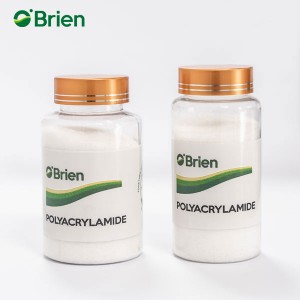
Molecular Chemistry, Polymerization Mechanisms, and Ionic Classification
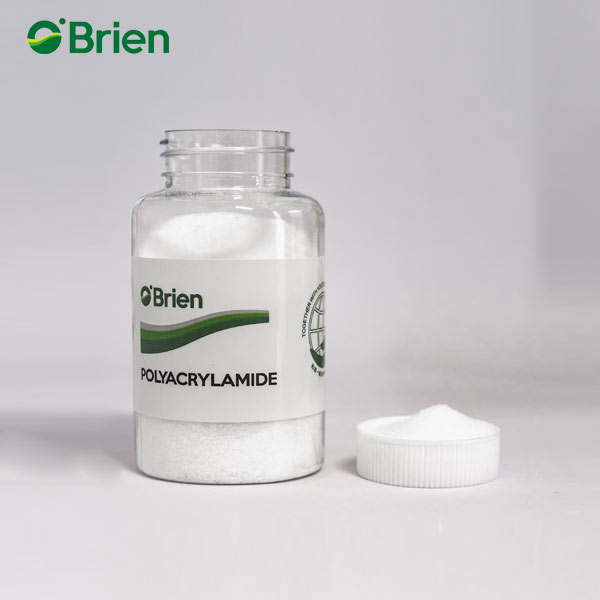
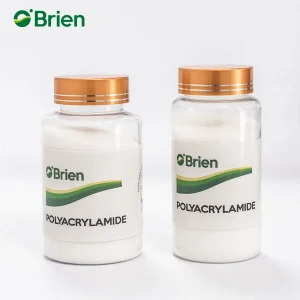
Polyacrylamide (CAS Registry Number 9003-05-8) is a synthetic, linear, water-soluble polymer composed of acrylamide monomer subunits (-CH2CHCONH2-). The physical and chemical characteristics of PAM are largely determined by its average molecular weight (ranging from 1 million to over 25 million Daltons) and its ionic charge density (cationic, anionic, nonionic, or amphoteric).
Unlike traditional chemical polymerization pathways that rely on catalytic hydration of acrylonitrile using copper catalysts—which frequently leave residual toxic trace metals and higher unreacted monomer concentrations—Oubo Chemical utilizes advanced biological enzymatic nitrile hydratase methods. This bio-catalytic process operates under mild thermal and atmospheric conditions, offering profound technical benefits:
Essential for municipal drinking water applications governed by NSF/ANSI 60 standards and European REACH directives, biological conversion eliminates copper contamination and minimizes residual free acrylamide monomer (AMD).
Gentle bio-catalysis prevents premature kinetic chain termination, allowing long-chain macromolecules to form extended polymer networks. This yields superior inter-particle bridging performance during sedimentation and mechanical dewatering processes.
By controlling the polymerization reaction kinetics with bio-enzymes, our polymers exhibit consistent shear resistance and solution rheology, leading to predictable dissolution dynamics and lower dosage consumption rates.
Industrial buyers must evaluate PAM candidates based on charge type, charge density (mole %), molecular weight (MW), and dissolution kinetics. Below is the technical specification framework for enterprise chemical procurement:
| Ionic Classification | Molecular Weight (Million Da) | Charge Density (Mole %) | Dissolution Time (Mins) | Primary Industrial Applications |
|---|---|---|---|---|
| Anionic PAM (APAM) | 12.0 – 25.0 | 10% – 60% (Carboxylate) | ≤ 60 min | Municipal WWTP flocculation, Mineral tailings, EOR oilfield, Papermaking dry strength |
| Cationic PAM (CPAM) | 6.0 – 15.0 | 5% – 80% (Quaternary Ammonium) | ≤ 45 min | Organic sludge dewatering (Centrifuge, Belt press), Textile dyeing, Food processing wastewater |
| Nonionic PAM (NPAM) | 3.0 – 12.0 | 0% – 5% | ≤ 90 min | Acidic wastewater clarification, Soil stabilization, Fine chemical filtration, Coal washing |
| Amphoteric PAM | 8.0 – 16.0 | Dual (Anionic/Cationic) | ≤ 60 min | Complex industrial effluents, Refractory oily sludge, High-salinity Papermaking wet-end |
Strategic Advantage of Qingdao Free Trade Zone Manufacturing & Export Hub
The global supply chain for synthetic water-soluble polymers requires absolute raw material integration, continuous production stability, and rapid maritime dispatch capability. Situated directly within the Qingdao Free Trade Zone (FTZ), Oubo Chemical provides global enterprise buyers with unparalleled strategic supply chain advantages:
Direct supply contracts with upstream petrochemical giants (SINOPEC, Eni) guarantee reliable monomer availability (Acrylonitrile, DAC, DMC) even during global market volatility. This upstream control ensures cost predictability and batch purity.
Our plant houses fully automated polymerization reactors, hydro-gel granulators, and fluidized bed drying systems. Computer-controlled dosing ensures a triple-check QC protocol before any batch is cleared for export packaging.
Located minutes from Qingdao Port—one of the top 5 busiest container terminals in the world—we streamline customs documentation, reduce inland freight costs, and offer direct shipping lanes to North America, Europe, SE Asia, and the Middle East.
With an annual capacity of 50,000+ tons and €2 million allocated annually to technical research, Oubo Chemical bridges the gap between low-cost factory-direct manufacturing and high-end technical support. Our dedicated team of chemical engineers collaborates directly with buyers to conduct pre-sales jar testing, tailored polymer synthesis, and on-site dosage optimization.
Tailored Polyacrylamide Formulations across High-Impact Global Sectors
In modern solid-liquid separation processes, Polyacrylamide functions as an essential coagulant aid and flocculant. Suspended colloidal particles carry negative surface charges that prevent aggregation due to electrostatic repulsion. High-molecular-weight APAM or CPAM neutralizes these charges and creates long-chain polymer bridges, accelerating settling velocity in primary clarifiers and maximizing cake dryness in mechanical sludge dewatering units.
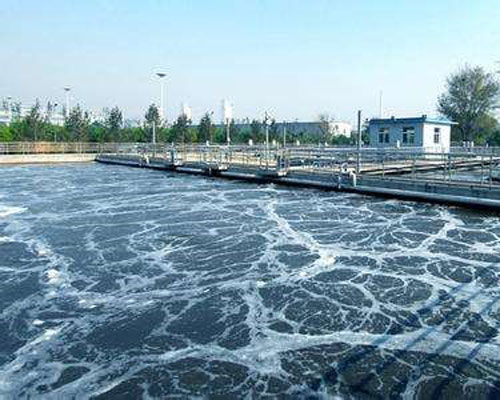
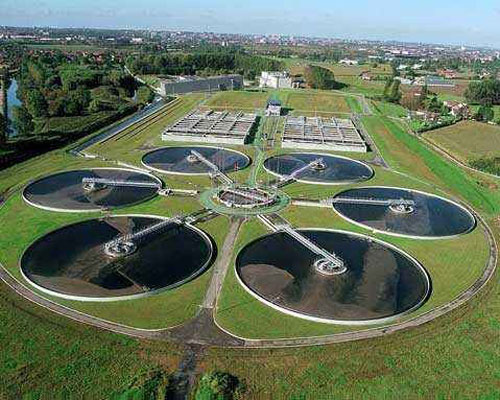
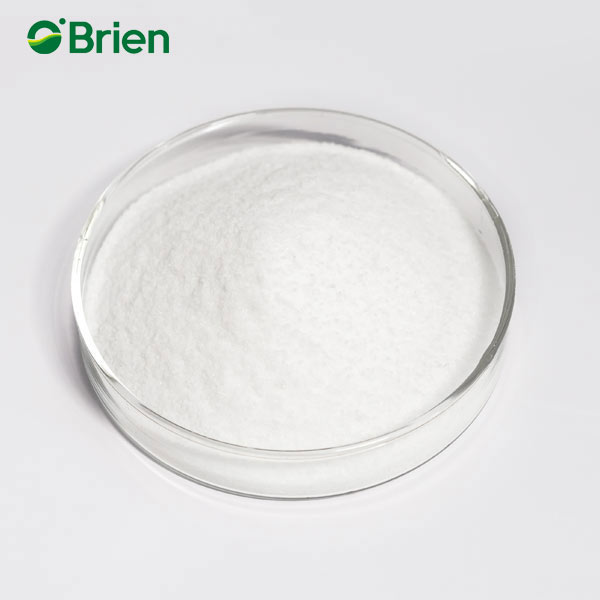
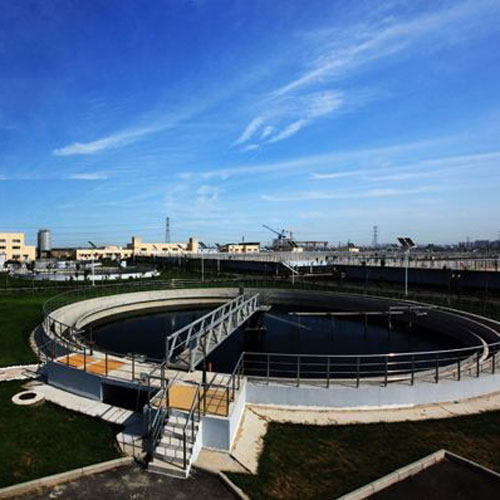
Applications span municipal sewage treatment plants, tannery effluent processing, paper production wastewater, citric acid recovery, pharmaceutical waste, and food processing plant effluents.
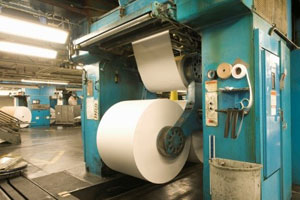
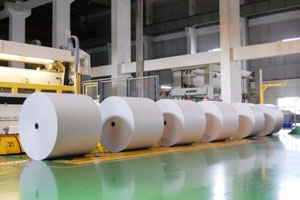
PAM acts as a critical wet-end chemical modifier in modern paper mills. High-charge Cationic PAM captures anionic trash and fine fibers, while Ultra-High MW Anionic PAM increases sheet dry strength and fiber-to-fiber bonding.
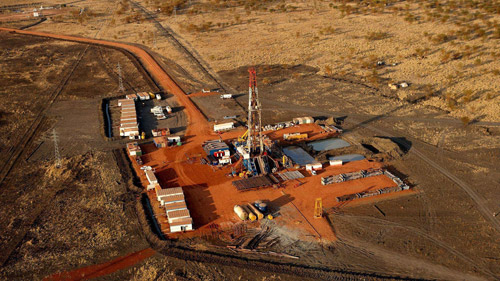
In tertiary oil recovery, ultra-high molecular weight APAM (18M – 25M Da) is injected into petroleum reservoirs to increase the viscosity of displaced water, improving sweep efficiency. Additionally, PAM acts as a shale stabilizer, fluid loss reducer, and friction reducer in hydraulic fracturing and offshore drilling mud formulations.

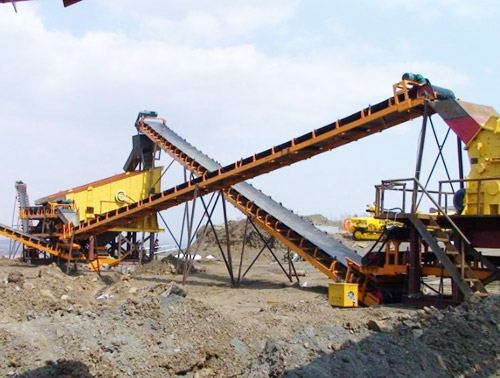
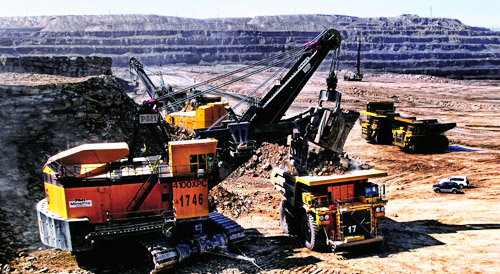
Mining operations demand massive volumes of water for ore grinding and extraction. Oubo’s nonionic and anionic PAM flocculants deliver rapid liquid-solid separation in coal washing, mineral tailings thickening, and hydrometallurgical leaching circuit clarification (Gold, Silver, Copper, Nickel, Iron, Uranium).

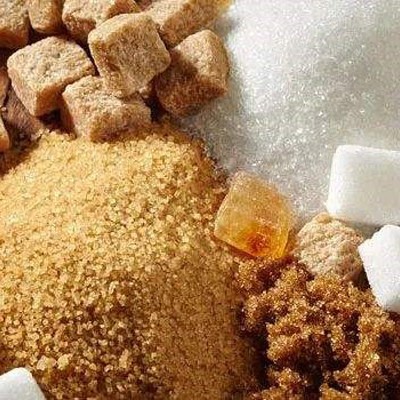
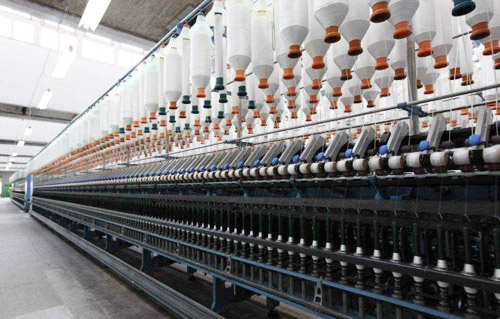
In sugar processing, food-grade APAM speeds up the clarification of raw sugarcane and sugar beet juice. In the textile sector, PAM acts as a warp sizing agent, fabric finishing stiffener, and decolorizing flocculant for heavy dye effluent streams.

Export-Grade Moisture Barrier Packaging & Standardized Unit Load Operations
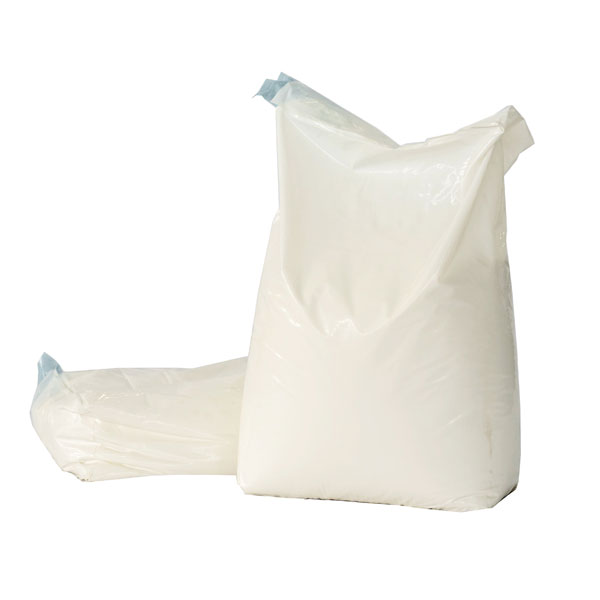
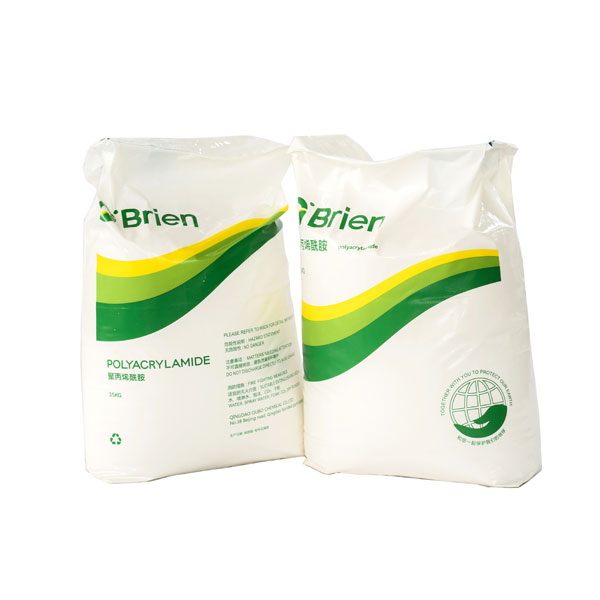
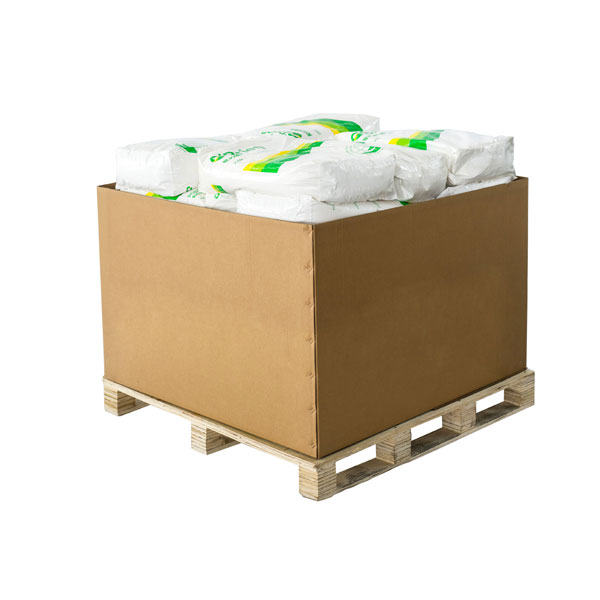
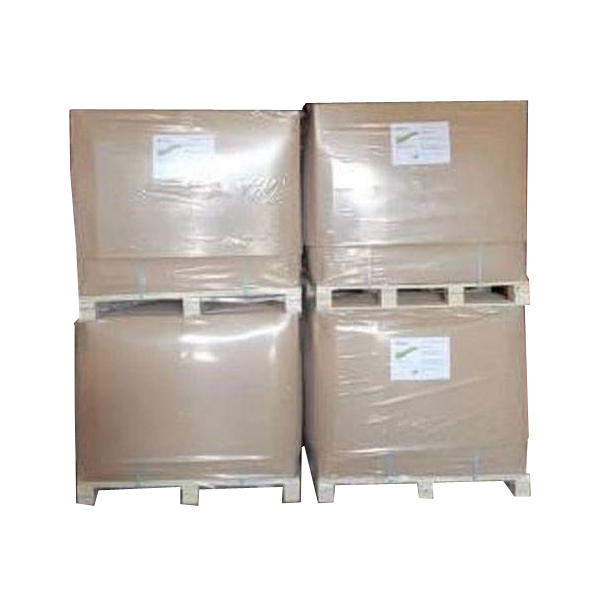
Because solid Polyacrylamide powder is highly hygroscopic, improper packaging leads to moisture absorption, lumping, and polymer degradation. Oubo Chemical utilizes multi-layer moisture-proof kraft paper bags lined with PE inner bags, consolidated onto heat-treated ISPM-15 compliant wooden pallets for export shipping.
To satisfy worldwide procurement standards, Oubo Chemical products maintain full compliance with:
Maximizing Operational Efficiency via Strategic Polymer Selection
1. Shift toward Eco-Friendly Bio-Monomers: Green chemistry regulations are pushing chemical plants to reduce carbon footprints. Oubo’s enzymatic polymerization process slashes energy consumption by over 30% compared to legacy catalytic methods.
2. AI-Driven Automated Dosing Systems: Modern municipal and mining facilities are replacing manual batch preparation with real-time turbidity and zeta-potential controlled dosing loops, requiring polymers with uniform dissolution rates and zero undispersed gel particles ("fish-eyes").
3. High-Salinity & High-Temperature (HS/HT) Resilient Polymers: Advanced oil extraction and deep-mine processing demand specialized APAM co-polymers (e.g., ATBS co-monomers) capable of retaining structural viscosity at temperatures above 90°C and salinities exceeding 100,000 ppm.
Procurement managers often make the mistake of evaluating PAM solely on price per metric ton. However, the true economic cost is determined by active dosage efficacy:
A higher-grade polymer with superior molecular weight or optimal charge density can reduce required dosage by 20% to 35% while increasing sludge cake dry solids by 3–5%. Because sludge hauling and landfill fees dwarf chemical chemical costs, selecting a higher-performing polymer significantly reduces overall plant operating expenditures.
Expert Engineering Solutions for Commercial Procurement & Field Operations
Explore Extended Product Formulations & Industry Specific Grades
 Oubo Chemical