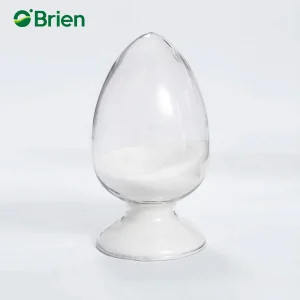
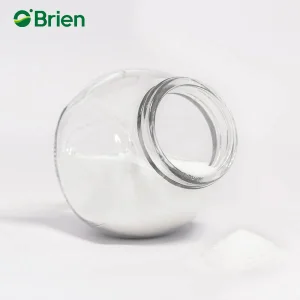
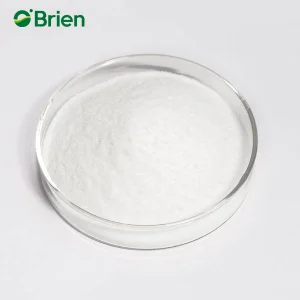
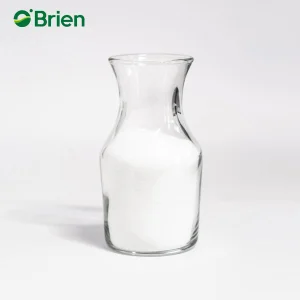
Factory Direct Industrial Polymer Synthesis

Wholesale Polyacrylamide PAM Manufacturer & Factory Direct Solutions

High-Performance Anionic (APAM), Cationic (CPAM), and Nonionic (NPAM) Flocculants engineered for municipal wastewater, oilfield EOR, mining tailings, and industrial paper processing.

Featured Polyacrylamide Catalog (Top Direct Factory Products)

High molecular weight water-soluble polymers tailored for targeted industrial solid-liquid separation.

China Cationic polyacrylamide Manufacturer, Supplier

China Cationic Polyacrylamide Manufacturer, Supplier

View Product Specifications
China Nonionic Polyacrylamide (PAM) Thickener for Oilfield Drilling Fluid Manufacturers, Suppliers

Nonionic Polyacrylamide (PAM) Thickener for Oilfield Drilling Fluid

View Product Specifications
Wholesale Anionic Polyacrylamide Powder Flocculant for Food Processing & Sugar Refining Wastewater Manufacturer

Anionic Polyacrylamide Powder Flocculant for Food & Sugar Wastewater

View Product Specifications
China Cationic Polyacrylamide Retention & Drainage Aid for Paper Making Industry Supplier, Factories

Cationic Polyacrylamide Retention & Drainage Aid for Paper Industry

View Product Specifications
Wholesale Anionic Polyacrylamide Manufacturers, Supplier

Wholesale Anionic Polyacrylamide (APAM) Bulk Supply

View Product Specifications
Wholesale Nonionic Polyacrylamide (NPAM) for Mineral Processing & Metallurgical Ore Dressing Suppliers

Nonionic Polyacrylamide (NPAM) for Mineral & Ore Processing

View Product Specifications
Wholesale Cationic Polyacrylamide (CPAM) for Sludge Dewatering & Industrial Wastewater Flocculation

Cationic Polyacrylamide (CPAM) for Sludge Dewatering

View Product Specifications
Wholesale Cationic Polyacrylamide Powder for Municipal & Industrial Wastewater Treatment

Cationic Polyacrylamide Powder for Municipal Wastewater Treatment

View Product Specifications
Factory Direct Authority

Qingdao Oubo Chemical Co., Ltd. — Industrial Polymer Leadership

Established in 2011 inside the strategic Free Trade Zone of Qingdao, China, Qingdao Oubo Chemical Co., Ltd. (operating globally under the recognized brand O'brien) stands as a premier global enterprise specializing in the bio-catalytic synthesis, customized modification, and chemical manufacturing of high-purity Polyacrylamide (PAM). Over a decade of relentless technological optimization has yielded a continuous 10% annual compound growth rate, expanding total annual production capacity beyond 50,000 Metric Tons.

50,000+
Metric Tons Annual Capacity
€2,000,000+
Annual R&D Reinvestment
ISO 9001
Certified Management Standard
3-Stage
Rigorous QC Testing per Batch

Oubo Chemical’s manufacturing backbone leverages patented microbial enzymatic bio-methods to produce acrylamide monomers, substantially reducing unreacted residual monomer levels (below 250 ppm) while minimizing energy consumption. Our fully automated continuous polymerization lines are backed by global raw material procurement from Tier-1 chemical giants including SINOPEC and Eni. Certified under ISO 9001:2008 quality systems, every shipment undergoes stringent triple-check laboratory analysis prior to global dispatch.

Technical Whitepaper Deep Dive

Chemical Architecture & Ionic Categorization of PAM (CAS 9003-05-8)

Understanding the molecular weight distribution, intrinsic viscosity, and charge densities for precise field dosing.

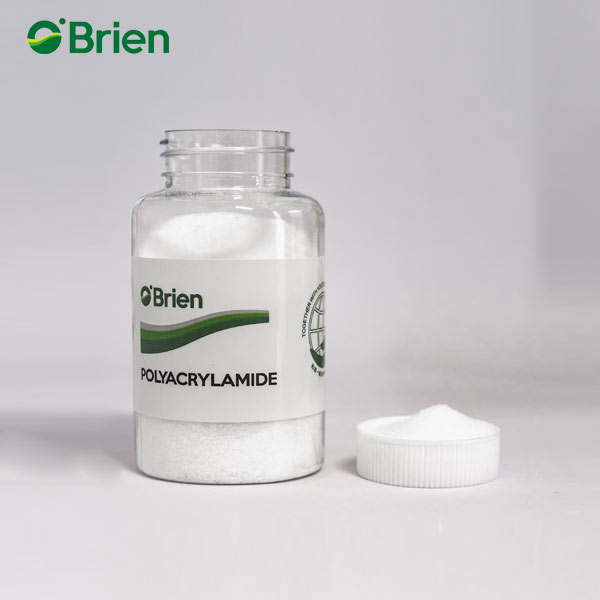
Polyacrylamide is a linear synthetic macromolecule composed of repeating acrylamide monomers [-CH2-CH(CONH2)-]. Its versatility stems from its customizable chain length (molecular weight spanning from 3 Million to over 25 Million Daltons) and its ionic charge density, which dictates its electrostatic bridging behavior in colloidal suspensions.

Anionic Polyacrylamide (APAM)

Synthesized via copolymerization of acrylamide with acrylic acid or hydrolytic conversion. APAM possesses negative carboxylate charges (-COO⁻) along its chain.

  • Molecular Weight: 8 – 22 Million Daltons
  • Charge Density: 5% – 60% Anionic Hydrolysis
  • Key Applications: Neutral-to-alkaline suspensions, mineral tailings, coal washing, municipal sewage clarification.

Cationic Polyacrylamide (CPAM)

Incorporates cationic monomers such as DAC (Dimethylaminoethyl Acrylate Methyl Chloride) or DMC. Produces positive quaternary ammonium charges.

  • Molecular Weight: 6 – 12 Million Daltons
  • Charge Density: 10% – 80% Cationic Ionicity
  • Key Applications: Negatively charged organic sludge, decanter centrifuges, belt presses, paper retention.

Nonionic Polyacrylamide (NPAM)

Homopolymerized pure acrylamide featuring minimal electrical charge. Relies predominantly on hydrogen bonding and adsorption mechanism.

  • Molecular Weight: 3 – 15 Million Daltons
  • Ionicity: Neutral (< 2% Hydrolysis)
  • Key Applications: Highly acidic effluents, soil stabilization, filtration aids, acidic leaching in metallurgy.

Technical Data Sheet: Standard Grade Matrix

Polymer Series Ionic Type Molecular Weight (Million) Solid Content (%) Dissolving Time (Mins) Residual Monomer
OUBO-APAM High Mol Anionic 16.0 – 22.0 ≥ 88% Powder ≤ 60 ≤ 0.05% (500 ppm)
OUBO-CPAM Bio-Grade Cationic 8.0 – 12.0 ≥ 89% Powder ≤ 45 ≤ 0.025% (250 ppm)
OUBO-NPAM Acid-Proof Nonionic 6.0 – 10.0 ≥ 90% Powder ≤ 60 ≤ 0.05% (500 ppm)
OUBO-EOR Polymer Ultra-Anionic 22.0 – 28.0 ≥ 90% Granule ≤ 90 ≤ 0.03% (300 ppm)
Global Market Intelligence

Global PAM Commercial Landscape & Regional Application Trends

Key growth drivers across municipal infrastructure, energy transition, and zero-liquid-discharge (ZLD) directives.

North America & Europe

Driven by stringent regulatory bodies (US EPA, EU REACH) enforcing strict phosphorus and micro-pollutant limits in municipal discharge. Demand is centered on high-efficiency Cationic PAM for low-footprint mechanical sludge dewatering centrifuges and municipal tertiary wastewater treatment.

Asia-Pacific Growth Hub

Accelerated industrialization, rapid municipal wastewater network expansion in China, India, and Southeast Asia, coupled with intensive mining activities (coal washing, iron ore, lithium extraction), positions APAC as the largest consumer of bulk factory-direct Anionic and Nonionic PAM.

Middle East & LATAM

Middle Eastern markets leverage specialized shear-resistant ultra-high molecular weight APAM for Enhanced Oil Recovery (EOR) and Produced Water treatment. Latin America prioritizes copper, lithium, and gold hydrometallurgical extraction tailored for acidic leach tailing dewatering.

Polymer Solution Preparation Workflow (Field Dosing Best Practices)

1

Water Preparation

Clean water (pH 6.5–7.5, temp < 40°C)

2

Controlled Dispersion

Feeder sprinkles powder evenly (0.1–0.3%)

3

Agitation & Aging

Low-shear mixing (200–400 RPM for 45–60 mins)

4

Metering Pump Dosing

Inject into effluent stream prior to floc chamber

5

Rapid Flocculation

Agglomeration & fast solid-liquid settling

Macro Industry Solutions

Sector-Specific Applications & Performance Mechanics

Detailed breakdown of how Oubo Chemical’s PAM formulations solve complex engineering challenges across six primary sectors.
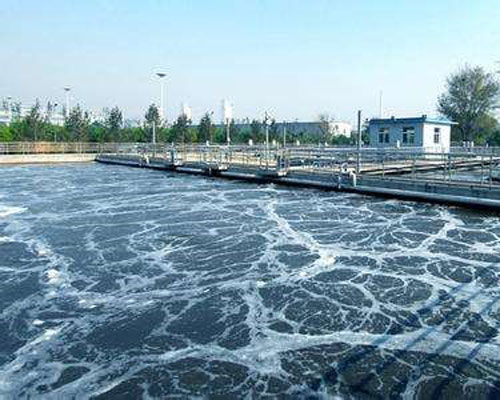
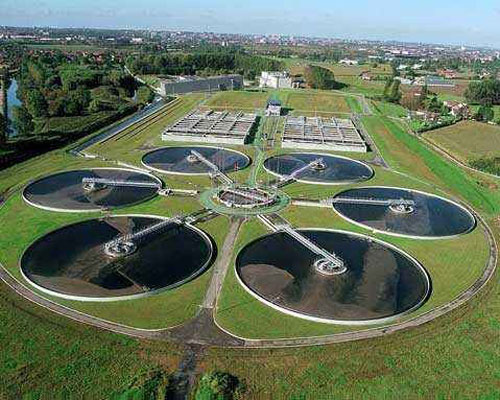
Municipal Sewage Water Treatment Industrial Effluent Flocculation

1. Water & Wastewater Treatment Industry

In municipal sewage and industrial wastewater treatment, PAM acts as a primary organic polymer flocculant. It accelerates solid-liquid separation during sedimentation, clarification, and sludge dewatering operations.
  • Sludge Dewatering: Cationic PAM neutralizes negatively charged organic sludge particles, creating dense flocs for belt presses, filter presses, and centrifuges.
  • Effluent Clarification: Anionic & Nonionic PAM aggregate suspended inorganic solids, reducing chemical oxygen demand (COD) and total suspended solids (TSS).
  • Cross-Industry Reach: Tannery wastewater, paper mill effluent, citric acid processing, dyeing plants, and pharmaceutical waste.
Paper Manufacturing Retention Aid Pulp Strength Agent

2. Pulp & Paper Manufacturing

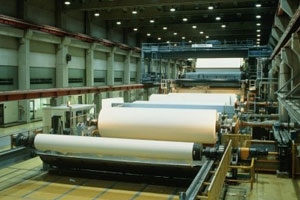
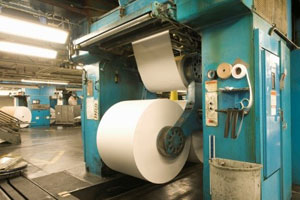
Polyacrylamide plays a structural wet-end role in modern high-speed paper machinery, acting as a retention aid, drainage promoter, and strength enhancer.

  • Retention & Drainage: Improves fine fiber and mineral filler (calcium carbonate, titanium dioxide) retention, accelerating wire dewatering and cutting raw material losses.
  • Anionic Trash Neutralization: Neutralizes interfering organic pitch and anionic charge impurities in recycled pulp.
  • Dry & Wet Strength Addition: Amide-to-fiber hydrogen bonding enhances bursting strength, tensile property, and structural uniformity.
Oilfield Drilling Fluid Additive Enhanced Oil Recovery EOR

3. Oilfield & EOR Operations

Under extreme downhole temperature, high shear rate, and high salinity conditions, specialized PAM polymers regulate rheology, reduce fluid loss, and increase oil recovery factors.

  • Enhanced Oil Recovery (EOR): High-weight APAM increases water phase viscosity, improving sweep efficiency in reservoir water flooding.
  • Drilling Mud Additives: Functions as a shale inhibitor, viscosifier, friction reducer, and thermal stabilizer for deep well drilling.
  • Hydraulic Fracturing: Slickwater friction reducers allow high pump rates with minimal line pressure losses.
Mining Tailing Dewatering Coal Washing Settling Agent

4. Mining & Metallurgical Processing

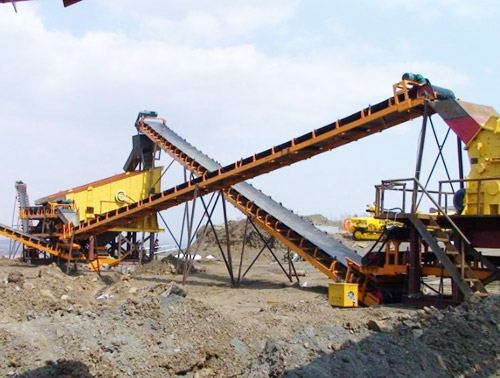
Essential for solid-liquid separations in hydrometallurgy, tailings management, and closed-loop process water recycling across mineral processing circuits.
  • Coal Washing: High-molecular APAM rapid-settles fine coal slurries, producing clear overflow for plant recycling.
  • Base & Precious Metals: Accelerates settling and filtration rates of copper, gold, silver, iron ore, and alumina (Bayer process red mud).
  • Tailings Dewatering: Enables high-density thickened tailings discharge for environmental safety and dam stability.
Sugar Juice Clarification Sugar Cane Flocculant

5. Sugar & Food Processing Industry

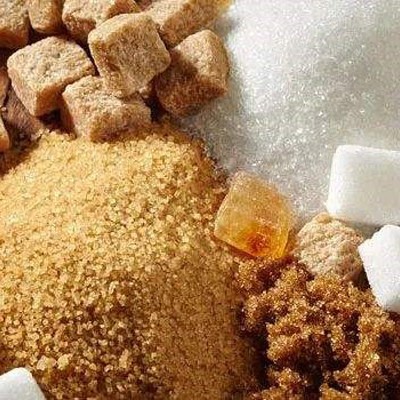
Food-grade anionic polyacrylamide polymers facilitate efficient mud settling and clear juice filtration during sugar cane and sugar beet juice extraction.
  • Juice Clarification: Promotes rapid flocculation of suspended non-sugar impurities, yielding crystal-clear juice under high heat.
  • Phosphatation & Flotation: Improves scum flotation efficiency in sugar refining plants.
  • Food Compliance: Manufactured under low monomer limits to adhere to international food-contact safety standards.
Textile Sizing Agent Textile Dyeing Wastewater Treatment

6. Textile Sizing & Dyeing Waste Processing

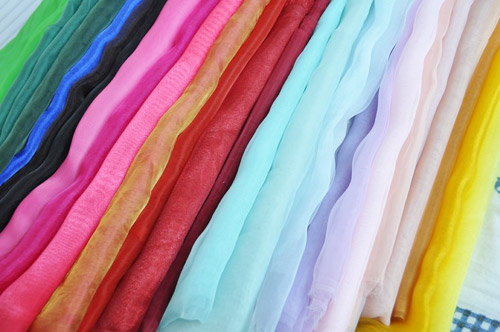
Functions both as an in-process textile auxiliary agent and as a chemical flocculant for highly colored textile printing and dyeing effluents.

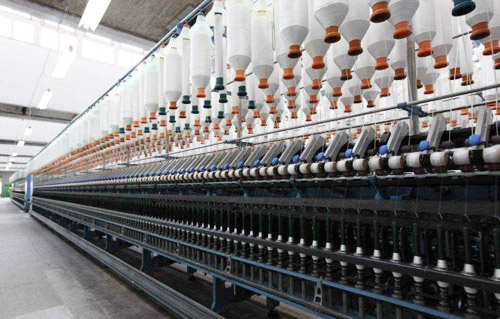
  • Sizing & Finishing Agent: Imparts smooth film structure, reduces yarn breakage rate during high-speed weaving.
  • Color & COD Removal: CPAM and APAM co-treat complex reactive dye wastewater to remove intense coloration and organic loads.
Factory Direct Supply Chain

Why Industry Leaders Partner with Oubo Chemical

End-to-end quality assurance, proprietary bio-synthesis patents, and global logistics infrastructure.

1. Bio-Catalysis Technology

Our patented biological enzymatic acrylamide process achieves superior monomer purity with zero copper residuals and low energy footprint.

2. Global Raw Materials

Strategic direct long-term chemical sourcing from world-class suppliers like SINOPEC and Eni ensures chemical stability across batches.

3. Triple QC Protocol

Every single batch undergoes 3-stage testing (viscosity, degree of hydrolysis/ionicity, unreacted monomer content) prior to release.

4. Specialized Support

Dedicated chemical engineers assist clients in pre-sales polymer selection, laboratory jar testing, and field trial optimization.

Standardized Packaging & Logistics Options

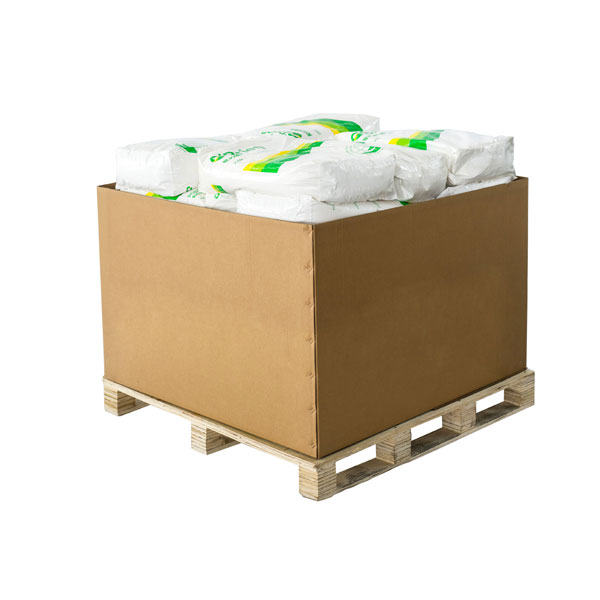
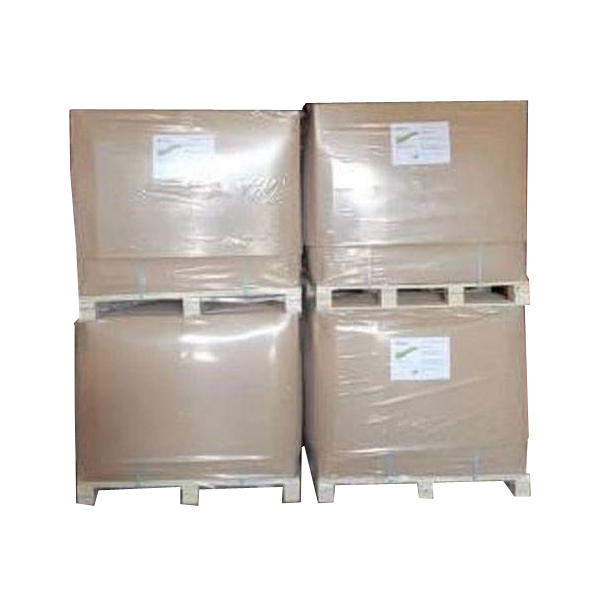
Multi-layer moisture-proof paper-plastic composite bags and palletized containerization built for transoceanic transit.
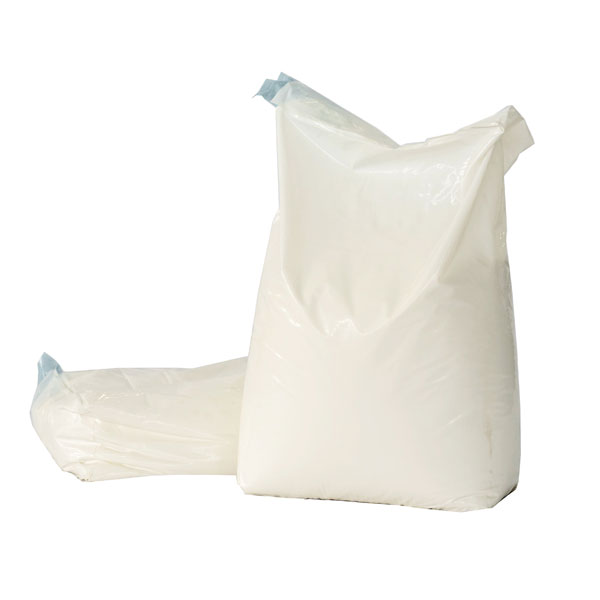
Blank OEM Package Bag

Blank OEM Bag (25kg)

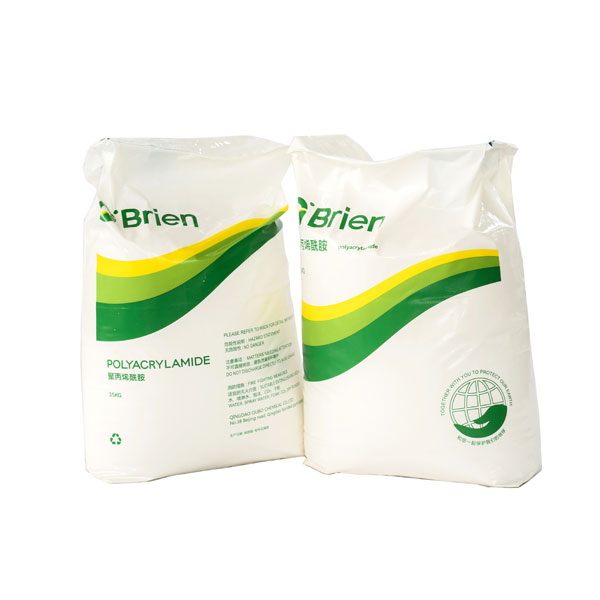
Standard Brand Printed Bag

Normal Printed Bag (25kg)

Customized Jumbo Bulk Bag

Jumbo Bulk Bag (750kg)

Wrapped Fumigated Pallet Export

Palletized Freight Container

R&D & Future Outlook

Next-Generation Polymer Roadmap (2025–2035)

Pioneering sustainable, intelligent, and extreme-condition water-soluble polymer chemistries.

1. High Temperature & Salinity Stability (HT/HS)

Developing hydrophobic modified PAM copolymers (HAPAM) utilizing AMPS monomers that maintain structural viscosity in hypersaline offshore reservoir flooding conditions exceeding 120°C.

2. Bio-Based & Eco-Degradable Backbones

Integrating natural polysaccharide chains (starch/chitosan graft copolymers) into traditional polyacrylamide chains to enhance natural soil degradation without compromising flocculation power.

3. AI Smart Dosing Integration

Coupling tailored chemical formulations with IoT turbidity and Zeta-potential sensors for real-time dosage automation, cutting polymer overconsumption by up to 25%.

Industrial Knowledge Base

Frequently Asked Technical Questions (FAQ)

Expert answers on selection, dissolution efficiency, storage stability, and chemical compatibility.

Q1: How do I select the exact Polyacrylamide ionic charge for my sludge dewatering process?
Selection depends on the surface charge of your suspended solids. Organic sludge (such as municipal biological sewage, food processing waste) carries negative charges and requires Cationic PAM (CPAM) with varying ionicity (20% to 80%). Inorganic suspensions (mining tailings, clay fines, sand washing) respond best to Anionic PAM (APAM) or Nonionic PAM (NPAM). We strongly recommend performing a Jar Test in our lab prior to bulk ordering.
Q2: What is the optimal dissolving concentration and water quality for PAM preparation?
Standard solid PAM dry powder should be dissolved to a concentration of 0.1% – 0.3% (w/v). Preparation water must be clean tap water or low-salinity process water with a neutral pH (6.5–7.5). Avoid using high-calcium, iron-rich, or warm water above 40°C, as high temperature and divalent ions accelerate polymer chain degradation and drop viscosity.
Q3: What causes PAM solutions to lose viscosity or degrade over time?
Polyacrylamide aqueous solutions are susceptible to shear degradation (from high-speed pumps or agitators above 500 RPM), chemical oxidation (presence of residual chlorine, iron ions), and biological contamination. Dissolved APAM solutions remain stable for 7–14 days, whereas CPAM solutions degrade faster and should ideally be consumed within 24–48 hours of preparation.
Q4: What is the residual monomer concentration in Oubo Chemical PAM products?
Thanks to our patented biological enzymatic monomer production technology, Oubo Chemical PAM products maintain extremely low residual unreacted monomer (AMD) levels—typically under 250–500 ppm (0.025%–0.05%), fully complying with global environmental safety standard ISO 9001 and safe industrial handling guidelines.
Q5: Can Oubo Chemical customize bulk packaging or private-label OEM branding?
Yes. We offer complete OEM factory-direct solutions including neutral blank 25kg kraft/PE bags, custom brand printed bags, 750kg/800kg jumbo bags, and palletized, shrink-wrapped container loading for sea freight.

Complete Polyacrylamide Product Range (Factory Direct Inquiries)

Select your specialized industrial polymer grade below for direct factory quotation and sample testing.
China Nonionic Polyacrylamide Flocculant for Acidic Industrial Wastewater Treatment

Nonionic Polyacrylamide Flocculant for Acidic Wastewater

View Product Specifications
Wholesale High Molecular Weight Nonionic Polyacrylamide for Coal Washing & Tailings Dewatering

High Molecular Nonionic PAM for Coal Washing & Tailings

View Product Specifications
Wholesale Anionic Polyacrylamide (APAM) for Municipal Sewage Treatment & Sludge Dewatering

Anionic Polyacrylamide (APAM) for Municipal Sewage Treatment

View Product Specifications
Wholesale High Molecular Weight Anionic Polyacrylamide for Petrochemical & Metallurgical Wastewater

High Mol Anionic PAM for Petrochemical Wastewater

View Product Specifications
China PAM Anionic Polyacrylamide Dry & Wet Strength Agent for Paper Industry

Anionic Polyacrylamide Dry & Wet Strength Paper Agent

View Product Specifications
Wholesale PAM Anionic Polyacrylamide Manufacturer, Suppliers

PAM Anionic Polyacrylamide Factory Direct Supplier

View Product Specifications
Wholesale Cationic Polyacrylamide (CAS 9003-05-8) Flocculant for Textile & Dyeing Wastewater

Cationic Polyacrylamide (CAS 9003-05-8) for Textile Waste

View Product Specifications
China Nonionic Polyacrylamide Manufacturers, Supplier

China Nonionic Polyacrylamide (NPAM) Direct Manufacturer

View Product Specifications