High-molecular weight anionic, cationic, and nonionic polyacrylamide formulations engineered for industrial wastewater clarification, sludge dewatering, and enhanced oil recovery.
An authoritative technical analysis of Polyacrylamide (PAM) manufacturing pathways, global market trends, and biological enzymatic production breakthroughs.
Polyacrylamide (PAM, CAS 9003-05-8) is a synthetic, water-soluble linear polymer built from acrylamide monomers. Historically, acrylamide synthesis relied on copper-catalyzed chemical hydration, which suffered from side-product impurities, residual heavy metals, and high energy intensity. Qingdao Oubo Chemical Co., Ltd utilizes state-of-the-art biological enzymatic catalytic methods (using nitrile hydratase enzymes) to convert acrylonitrile into ultra-pure acrylamide monomer.
This patented biological route operates under mild reaction conditions, yielding monomer purity exceeding 99.9% with zero copper trace contamination. The resulting high-purity monomer allows the synthesis of PAM with ultra-high molecular weights (up to 30 million Daltons) and extremely low residual acrylamide levels (well below 0.05% or 500 ppm), satisfying rigorous international health and safety mandates detailed in our standard Material Safety Data Sheets (MSDS).
The global demand for wholesale Polyacrylamide is accelerating, driven by stringent environmental discharge regulations, expanding municipal wastewater infrastructure, advanced oil extraction (EOR), and mineral processing demands. Positioned in the Free Trade Zone of Qingdao, China, Oubo Chemical operates at the epicenter of global maritime logistics, delivering over 50,000 metric tons of high-grade PAM annually.
By integrating raw materials from tier-one global chemical providers like SINOPEC and Eni with fully automated continuous polymerization lines, Oubo provides robust supply chain resilience. Our global distributor network benefits from real-time REACH compliance tracking, standardized MSDS documentation, and full batch traceability across Europe, North America, Southeast Asia, and the Middle East.
Comprehensive hazard identification, handling protocols, physical-chemical properties, and international safety compliance specs according to GHS and OSHA standards.
Polyacrylamide dry powders and liquid concentrates are non-toxic under normal handling, but spills create an extreme slippage risk when exposed to water or moisture. In the event of a spill, do not wash immediately with water. Sweep up dry granules thoroughly, or apply inert absorbent materials (sand, sawdust, vermiculite) to liquid spills prior to high-pressure washdown with warm diluted salt solution to neutralize slip potential.
| Parameter / Parameter Category | Technical Specification / Standard Value | Regulatory / Testing Standard |
|---|---|---|
| Chemical Name & CAS Number | Polyacrylamide (PAM) / CAS Reg. No. 9003-05-8 | GHS / TSCA / EINECS Compliant |
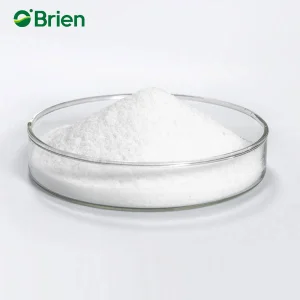
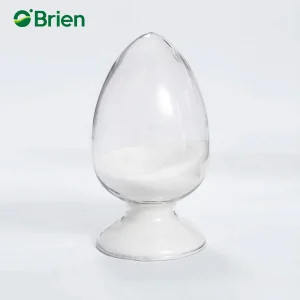
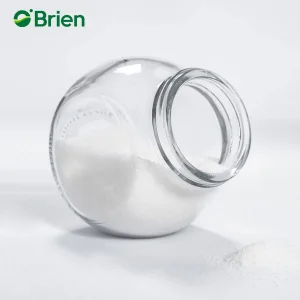
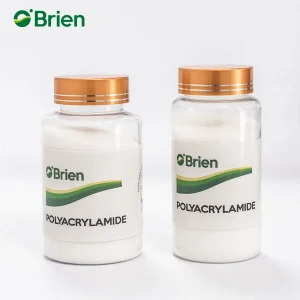
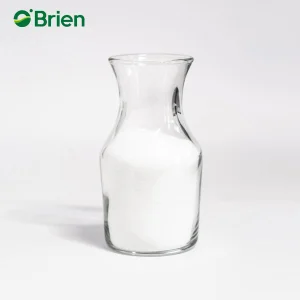
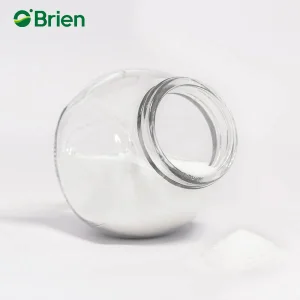
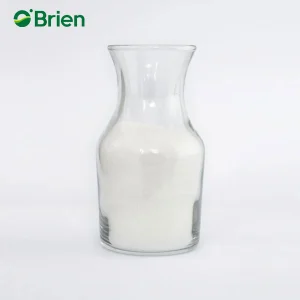
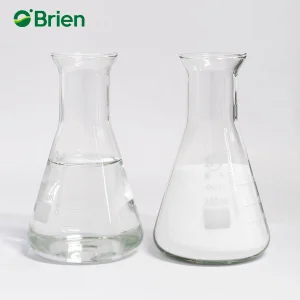
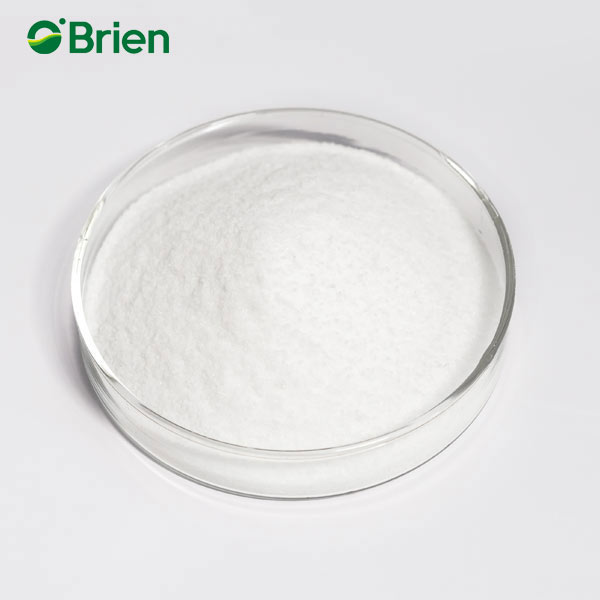
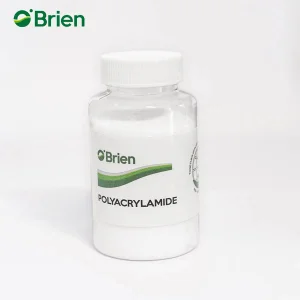
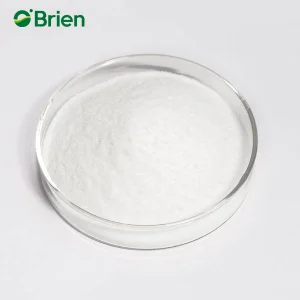
| Physical Form & Appearance | White to Off-White Granular Powder / Micro-Bead / Liquid Emulsion | Visual / ISO 638 |
| Molecular Weight Range | 3.0 Million – 30.0 Million Daltons (Tailored per grade) | Viscometry / GPC Analysis |
| Residual Acrylamide Monomer | ≤ 0.05% (500 ppm) Standard; ≤ 0.025% (250 ppm) Potable Water Grade | HPLC Method (BS EN 1409) |
| Insoluble Matter Content | ≤ 0.2% Maximum | Internal Quality Standard / GB/T 13940 |
| Toxicity Profile (Acute) | Oral LD50 (Rat): > 5,000 mg/kg (Non-hazardous core chemical polymer) | OECD Guideline 401 |
| Bulk Density | 0.70 – 0.85 g/cm³ | ASTM D1895 |
| Dissolution Time | 40 – 60 Minutes under controlled agitation (≤ 400 rpm) | Standard Dynamic Dissolution Test |
| Thermal Stability & Storage | Stable under 50°C; store in cool, sealed, moisture-free conditions | MSDS Section 7 & 10 |
Understanding charge density, degree of hydrolysis, and polymer charge configurations for optimum dosage and performance.
Mechanism: APAM is copolymerized with acrylamide and acrylate monomers, introducing negatively charged carboxylate groups (COO⁻) along the polymer backbone.
Degree of Hydrolysis: 5% to 60% customizable range.
Primary Applications: Highly effective in neutral to alkaline industrial effluent carrying positively charged inorganic suspensions, such as sand/gravel washings, mineral tailings processing, steel plant wastewater, red mud separation in alumina refining, and enhanced oil recovery (EOR).
Mechanism: Synthesized by copolymerizing acrylamide with cationic monomers (e.g., DAC, DMC), yielding positively charged quaternary ammonium sites.
Cationic Charge Density: 5% to 80% ionic degree.
Primary Applications: Superior charge-neutralization and bridging flocculation for negatively charged organic solids. Indispensable for municipal sewage sludge dewatering (belt filter presses, centrifuges), textile dyeing effluent, paper retention aids, and food processing plant sludge handling.
Mechanism: Composed of pure acrylamide homopolymer with minimal electrical charge, operating via powerful hydrogen-bonding networks.
Hydrolysis Level: Less than 5% anionic charge.
Primary Applications: Exceptional performance under acidic conditions or high-salinity suspensions where charged polymers lose efficacy. Widely specified for acid-leaching mineral recovery (copper, uranium), acidic textile wastewater treatment, soil stabilization, and specialized paper pulp manufacturing.
Tailored chemical engineering formulations solving operational challenges across major global industrial sectors.
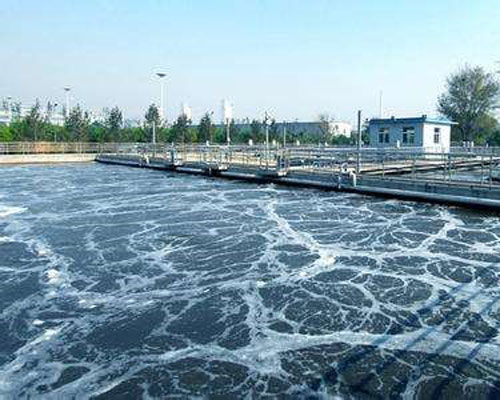
Sludge Dewatering, Primary Clarification & Effluent Recycling
In municipal sewage facilities and heavy industrial plants, solid-liquid separation efficiency determines operational compliance and disposal costs. Oubo Polyacrylamide accelerates settling velocity, forms robust, shear-resistant flocs, and optimizes cake dry-solids content in decanter centrifuges, belt filter presses, and chamber filter presses. It handles demanding high-COD streams from tannery, pharmaceutical, citric acid, and food processing plants.
Enhanced Oil Recovery (EOR) & Drilling Fluids
PAM is essential in Tertiary Oil Recovery (EOR) to adjust water mobility, improve reservoir sweep efficiency, and boost crude yield. For drilling fluid engineering, Oubo ultra-high MW polymers act as fluid-loss reducers, shale inhibitors, friction reducers, and viscosifiers, ensuring drill string lubrication, borehole stability, and efficient cutting transportation under extreme shear and temperature regimes.

Coal Washing, Tailings Dewatering & Precious Metal Extraction
Mineral washing processes generate vast volumes of mineral-laden slurry. Oubo Anionic and Nonionic PAM formulations provide fast settling rates in thickeners and clarifiers for coal washeries, iron ore processing, gold-silver cyanidation leaching, copper flotation tailings, and alumina red mud settlement, recovering clear process water for closed-loop mill re-use.
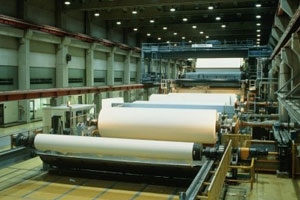
Retention Aids, Drainage Promoters & Strength Agents
In wet-end paper chemistry, PAM acts as a vital retention agent, binding fine fibers and mineral fillers (TAC, PCC) onto the paper web. It enhances wet/dry mechanical tensile strength, speeds up wire section drainage, neutralizes anionic trash, improves sheet formation uniformity, and cleans paper mill white water loops.
Rigorous quality control frameworks certified by ISO9001:2008, featuring multi-tiered packaging engineered for global intermodal transport.
At Qingdao Oubo Chemical Co., Ltd, quality management system compliance is absolute. Every raw material consignment sourced globally from partners like SINOPEC and Eni undergoes rigorous pre-synthesis spectrographic validation. All automated polymerization lines feature inline viscometers and moisture analyzers.
Before batch release, our dedicated laboratory QC team performs a three-fold analytical test: measuring active solid content, degree of ionic substitution, and residual monomer levels via HPLC. Every shipment leaves our Qingdao FTZ facility accompanied by a lot-specific Certificate of Analysis (COA) matching original MSDS criteria.
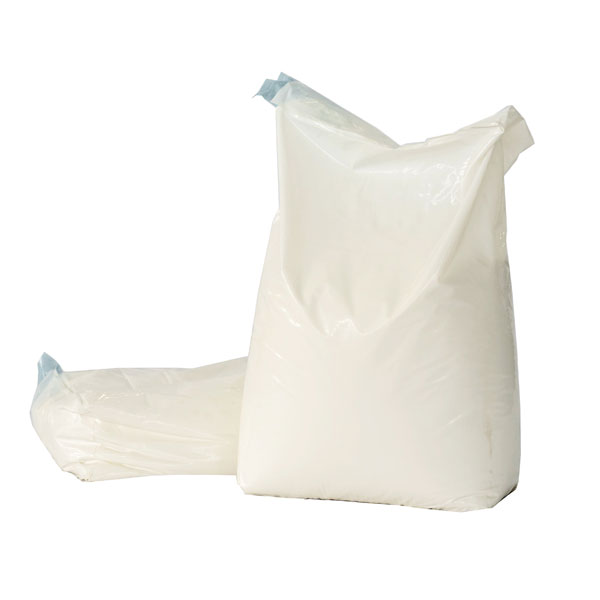
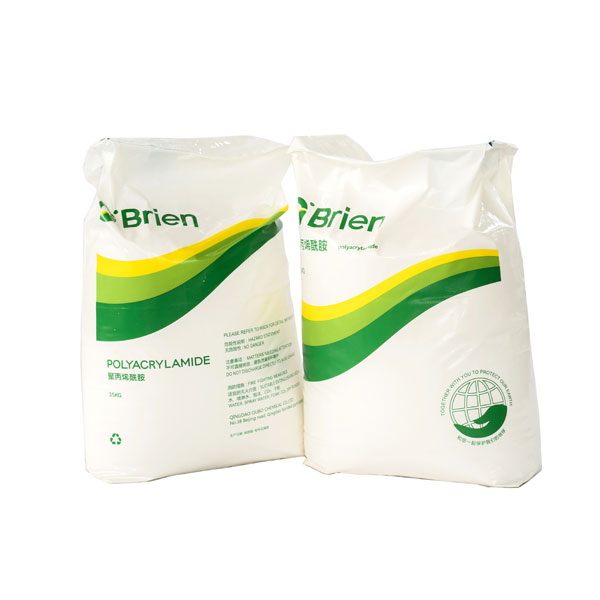
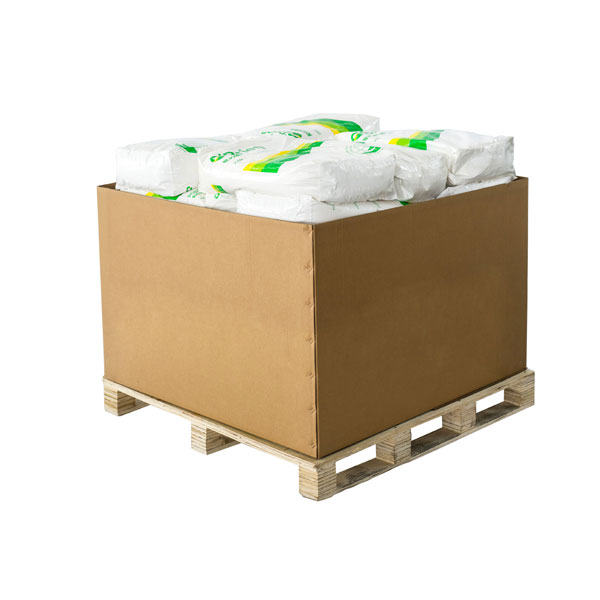
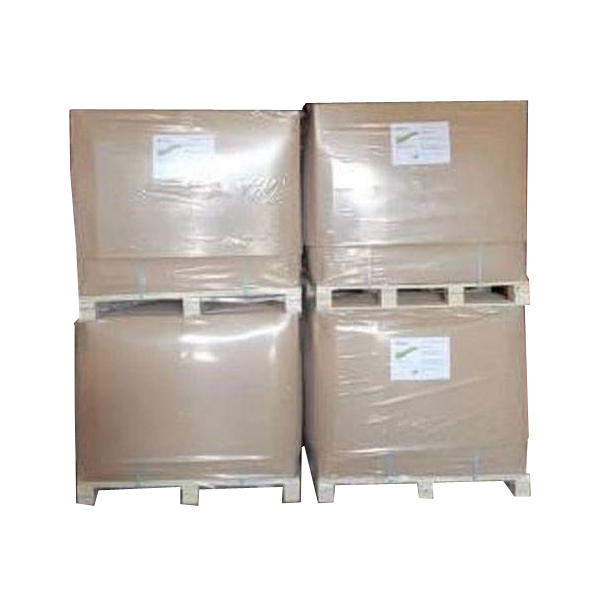
We provide comprehensive packaging solutions designed to preserve polymer integrity against humidity, moisture ingress, and thermal degradation during transoceanic shipping:
Pioneering sustainable chemistry, decarbonization, and high-performance smart polymer matrix systems.
Driven by strict EU REACH and US EPA potable water standards, Oubo is advancing enzymatic catalysis techniques to push residual monomer concentrations below 100 ppm, establishing new safety benchmarks for municipal drinking water filtration systems.
Developing specialized ter-polymer PAM structures engineered to withstand deep oilfield reservoir conditions exceeding 120°C and ultra-high total dissolved solids (TDS) up to 200,000 ppm without shear thinning or chain degradation.
Investing over €2.0M annually in R&D to incorporate renewable bio-based feedstocks into polymer backbones, reducing carbon intensity while enhancing natural environmental breakdown rates post-industrial treatment.
A trusted world-class leader in Polyacrylamide development, offering unmatched technical support and reliable supply chain solutions.
Founded in 2011 in the Free Trade Zone of Qingdao, China, Qingdao Oubo Chemical Co., Ltd is a top global manufacturer of Polyacrylamide. Our proprietary biological production method holds patents worldwide, ensuring superior molecular consistency, higher thermal stability, and ultra-clean polymer dissolution.
We don't just sell chemicals—we deliver solutions. Our senior chemical engineering team assists enterprise buyers throughout pre-sales jar-testing, laboratory charge titration, full-scale plant trial run optimization, and post-sales technical troubleshooting to guarantee lowest cost-per-ton performance.
Expert responses to frequently asked technical, safety, procurement, and chemical handling queries.
According to standard GHS Safety Data Sheets, dry polyacrylamide powder itself is classified as non-hazardous and non-toxic under normal industrial handling. However, fine polymer dust can cause mild respiratory or eye irritation. The primary operational hazard is slip potential: when dissolved or mixed with water, PAM solutions become extremely slippery. Spills must be swept dry or treated with absorbent agents before water washing.
Selection depends on the surface charge of suspended solids in your wastewater stream. Anionic PAM (APAM) works best for inorganic suspended solids with positive charges (e.g., sand, clay, minerals, metals) typically found in neutral to alkaline pH streams. Cationic PAM (CPAM) is ideal for organic solids carrying negative charges (e.g., municipal sewage sludge, biological wastewater, textile effluents). Nonionic PAM (NPAM) is reserved for acidic streams or complex mineral slurries where ionic charges are shielded.
Standard stock solution concentrations range between 0.1% and 0.3% (1 to 3 grams per liter of water). Preparing solutions above 0.5% concentration leads to excessively high viscosity, making uniform dispersion difficult and increasing pump shear stress. Always add dry powder slowly to a vortex of water under mild agitation (200-400 rpm) to avoid lump formation ('fish eyes').
Unopened dry powder stored in original sealed moisture-proof packaging in a cool, dry warehouse has a shelf life of 24 months. Once dissolved into an aqueous stock solution, cationic PAM solutions remain stable for 24-48 hours, while anionic and nonionic solutions remain stable for 3-5 days. Diluted solutions degrade faster over time due to hydraulic shear and microbial activity.
Yes. Qingdao Oubo Chemical manufactures specialized potable water grade polyacrylamide featuring residual acrylamide monomer levels strictly below 0.025% (250 ppm), fully meeting WHO standards, EU REACH regulations, and NSF/ANSI 60 certifications for drinking water purification.
Our standard MOQ for wholesale chemical orders is 1 Metric Ton (1,000 kg / 40 bags). For full container loads (20' FCL approx. 18-20 MT palletized), standard production and dispatch lead times from Qingdao Free Trade Zone port range between 7 to 14 business days.
Explore our broader industrial PAM series tailored for mining tailings, papermaking retention, and petrochemical dewatering.
 Oubo Chemical