Engineered high-molecular-weight PAM formulations for immediate global wholesale distribution.
An authoritative analysis of global supply chain shifts, regulatory frameworks, and chemical manufacturing innovations.
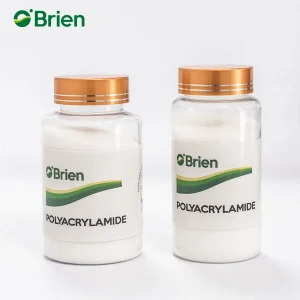
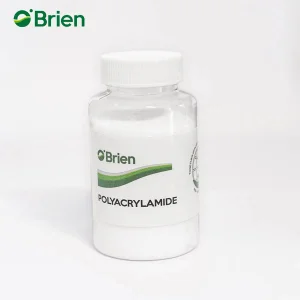
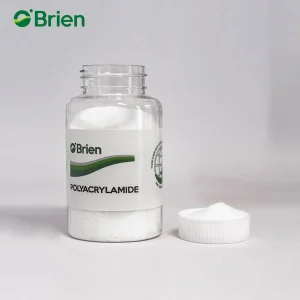
Polyacrylamide (CAS 9003-05-8), represented by the chemical formula (-CH₂CHCONH₂-)ₙ, stands as one of the most versatile synthetic linear water-soluble polymers in modern industrial chemistry. Operating at the intersection of municipal infrastructure support, energy production, and heavy industrial processing, the global Polyacrylamide market is experiencing unprecedented demand driven by stringent environmental regulations, aggressive water recycling mandates, and advanced oil field recovery techniques.
As premier wholesale Polyacrylamide manufacturers and suppliers based in the Free Trade Zone of Qingdao, China, Oubo Chemical Co., Ltd. (operating under the internationally recognized brand O'brien) delivers chemical engineering solutions designed to optimize solid-liquid separation, rheology modification, and hydrodynamic friction reduction across global industries.
Strategic Market Insight: High-molecular-weight Polyacrylamide polymers act as vital cross-industry enablers. Biological catalysis technology pioneered by Oubo Chemical reduces residual acrylamide monomer (AM) levels below 500 ppm, establishing high safety standards for potable water treatment and environmental runoff management.
Selecting the optimal ionic charge density and molecular weight for specific operational requirements.
| PAM Ionic Classification | Copolymer / Monomer Structure | Charge Density Range | Molecular Weight (Million Da) | Primary Industrial Applications |
|---|---|---|---|---|
| Anionic Polyacrylamide (APAM) | Acrylamide + Acrylic Acid / Sodium Acrylate | 5% - 80% (Low to Very High) | 8.0 - 25.0 Million | Municipal Wastewater, Coal Washing, Mineral Processing, EOR, Paper Strength |
| Cationic Polyacrylamide (CPAM) | Acrylamide + DAC / DACLAM / METAC | 5% - 80% (Low to High) | 5.0 - 15.0 Million | Sludge Dewatering (Centrifuge/Belt Press), Textile Effluent, Urban Sewage |
| Nonionic Polyacrylamide (NPAM) | Pure Acrylamide Homopolymer | 0% - 3% (Neutral) | 3.0 - 12.0 Million | Acidic Wastewater, Soil Conditioning, Well Drilling Fluid Thickening |
| Amphoteric Polyacrylamide | Anionic + Cationic Co-monomer Matrix | Variable Dual Charge | 4.0 - 10.0 Million | Complex Refined Effluent, High-Salinity Sludge Dewatering, Paper Retention |
Formed by copolymerizing acrylamide with carboxylated monomers. Under alkaline or neutral pH conditions, negatively charged carboxyl groups (-COO⁻) extend the polymer chain via electrostatic repulsion, facilitating bridging mechanisms with positively charged inorganic suspensions.
Incorporates quaternary ammonium co-monomers. The positively charged amine functional groups neutralize negatively charged organic colloids present in biological sludges, destroying colloidal stability to achieve rapid solid-liquid separation.
Utilizes extensive hydrogen bonding via amide groups (-CONH₂). Highly effective in acidic mineral processing fluids and low-pH industrial suspensions where ionic charges are suppressed or counterproductive.
Decade-long manufacturing heritage, proprietary bio-catalytic synthesis, and strict quality engineering.
Oubo utilizes advanced enzymatic biological synthesis for acrylamide production. This patented zero-impurity method guarantees high conversion rates, superior polymer chain linearity, and minimal residual toxic monomer content.
Our strategic integration with global petrochemical leaders like SINOPEC and Eni guarantees pristine purity in fundamental raw materials, ensuring batch-to-batch polymer stability and high product performance.
Every production batch undergoes strict three-stage Quality Assurance testing (Raw Material Validation, In-line Viscosity Tracking, Final Granulation & Dissolution Rate Assay) certified under ISO9001:2008 standards.
Our engineering team joins customer workflows during pre-sales laboratory Jar Testing, chemical selection, pilot trials, and dosage optimization, ensuring seamless integration into plant operations.
Custom polymer chemistry tailored for high-load industrial processes worldwide.
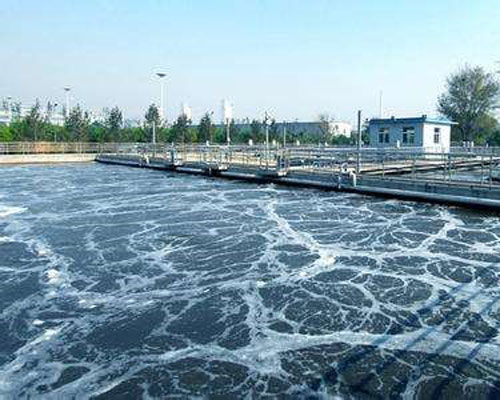
Polyacrylamide acts as an efficient flocculant in solid-liquid separation. It accelerates settling rates, clarifies effluent, and optimizes sludge dewatering in centrifugal separators and belt presses.
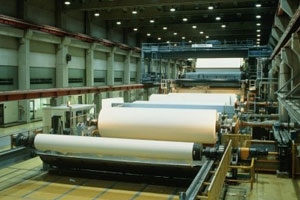
PAM serves as an essential wet-end additive, enhancing paper machine runnability, fiber retention, and physical sheet strength while reducing raw material losses.
Used in oil exploration, profile control, and drilling fluids. HPAM polymers increase water phase viscosity for mobility control during tertiary oil recovery (EOR).

Optimizes clarification, thickener performance, and tailings dewatering across mineral extraction processes including coal, alumina, copper, and precious metals.
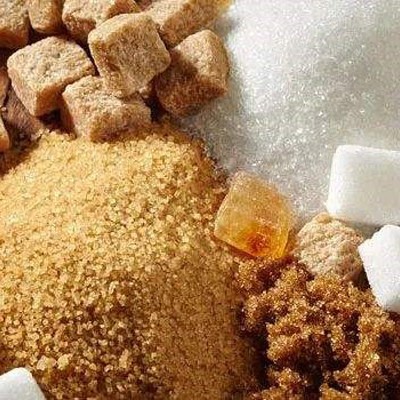
Food-grade high purity Anionic Polyacrylamide speeds up sugarcane and sugar beet juice clarification, achieving crystal clarity with zero toxic residue.
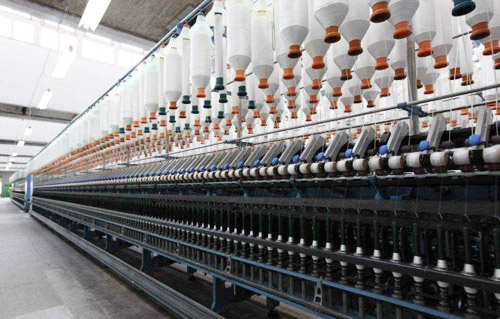
Works as a warp sizing agent to provide protective coatings, and functions as a specialized flocculant for color removal in textile dyeing effluents.
Adapting chemical formulations to specific geographical, climatic, and industrial conditions.
Permian Basin fracturing operations require high-friction-reduction polymers capable of rapid hydration in high-salinity slickwater setups. Oubo's customized APAM slurries deliver immediate drag reduction under extreme shear conditions.
Reservoir temperatures exceeding 90°C and total dissolved solids (TDS) up to 200,000 ppm require thermal and salt-tolerant PAM copolymer architectures containing N-Vinylpyrrolidone (NVP) and ATBS monomers.
Strict EU environmental discharge standards require low residual monomer (<250 ppm) Cationic polymers for municipal and industrial wastewater facilities using high-speed centrifuge systems.
High-capacity coal processing and paper mills in Australia, Indonesia, and Southeast Asia rely on high-molecular-weight APAM granules (18-22M Da) to optimize thickener throughput and process water recovery.
Pioneering sustainable, bio-based, and micro-emulsion polymer technologies.
Transitioning from petroleum-derived acrylonitrile to agricultural feedstocks using engineered Rhodococcus rhodochrous enzymatic biocatalysts, targeting a 35% reduction in product carbon footprint.
Developing quick-dissolving liquid polymer inverse emulsions that hydrate within 3–5 minutes (compared to 45-60 minutes for traditional dry powders), minimizing field footprint and mixing energy.
Incorporating hydrophobic associations and thermal-stabilizing ring structures to maintain solution viscosity above 120°C in high-salinity deep offshore EOR applications.
Integrating IoT fluorescence sensors and automated variable-rate polymer preparation units to optimize real-time dosage based on dynamic influent turbidity and zeta potential metrics.
Flexible, moisture-proof, export-compliant packaging designed for international transit stability.
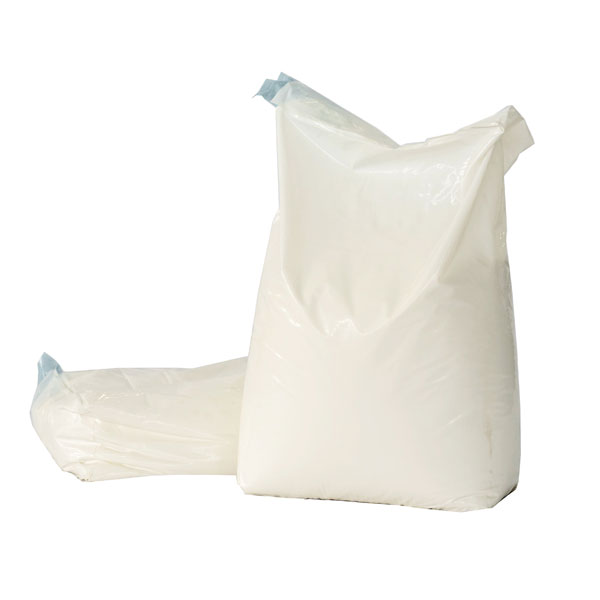
25kg multi-wall moisture barrier bag for private label distributor branding.
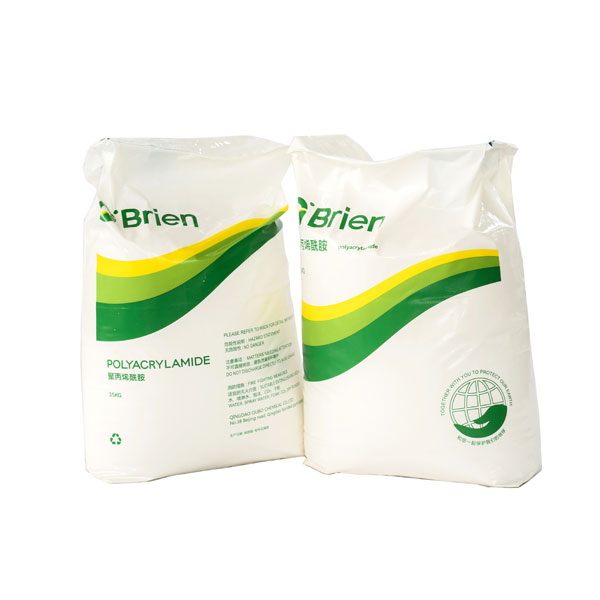
25kg standard printed bag featuring lot tracking codes and handling warnings.
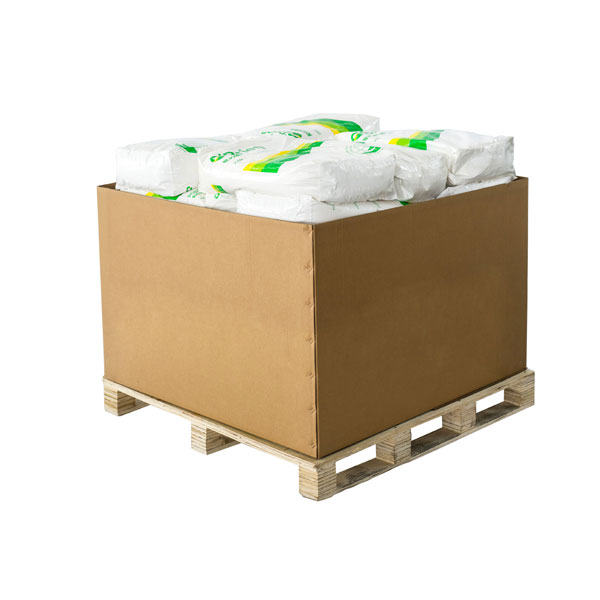
Heavy-duty bulk bag with bottom discharge spout for high-volume operations.
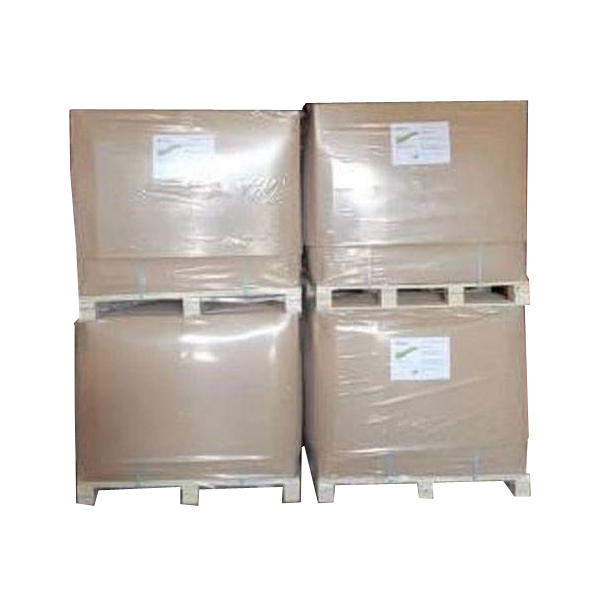
ISPM-15 compliant wooden or plastic pallets with UV-protective stretch wrap.
Answers to key operational, chemistry, and handling questions from procurement and process engineers.
Selection depends primarily on the suspended solids charge and organic content. Perform a standard Jar Test. Organic sludges (such as municipal digestate or biological waste) generally respond best to Cationic Polyacrylamide (CPAM) due to charge neutralization. Inorganic suspensions (like mining tailings, sand washing, or clay slurry) require Anionic Polyacrylamide (APAM). Acidic effluents or neutral suspensions perform best with Nonionic Polyacrylamide (NPAM).
Dry PAM powder should typically be dissolved to a concentration of 0.1% to 0.3% (w/v) using clean, non-softened water. Dissolution requires continuous gentle stirring (200-400 RPM) for 45 to 60 minutes. Avoid high-shear mechanical agitation, which can degrade the long polymer chains and reduce viscosity.
Acrylamide monomer (AM) is a neurotoxin. Oubo Chemical utilizes enzymatic biological polymer synthesis to keep residual monomer levels strictly below 0.05% (500 ppm) for industrial grade, and below 0.025% (250 ppm) for drinking water treatment formulations, fully satisfying global EPA and REACH environmental standards.
Dry powder PAM has a shelf life of 24 months when stored in unopened original packaging in a cool, dry, well-ventilated warehouse below 35°C. Prepared liquid polymer solutions should be used within 24 to 48 hours, as aqueous polymer solutions naturally degrade over time, leading to lower viscosity and flocculation performance.
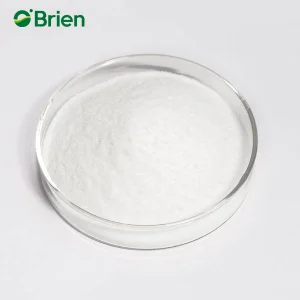
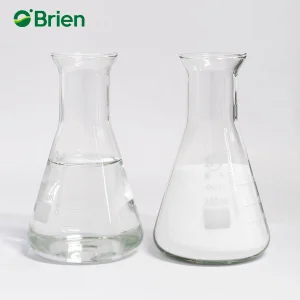
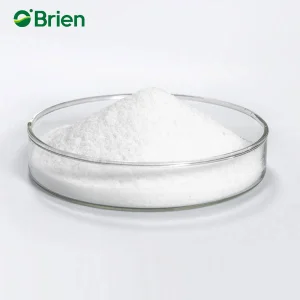
Explore our full line of specialized ionic polymers ready for bulk container shipping worldwide.
 Oubo Chemical