Industrial Chemical Engineering White Paper

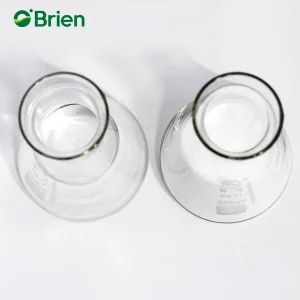
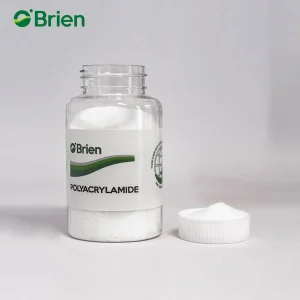
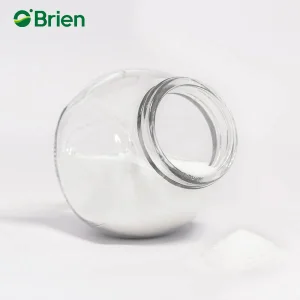
Wholesale Polyacrylamide Granules Supplier & Factories

Global Market Intelligence, Advanced Enzymatic Polymer Synthesis, and Direct Industrial Supply Chain Solutions from Qingdao Oubo Chemical Co., Ltd.

Featured Products Showcase

High-Performance Polyacrylamide Granules Portfolio

Engineered for Municipal Wastewater, Oil Recovery, Mining Tailings, and Paper Wet-End Optimization.
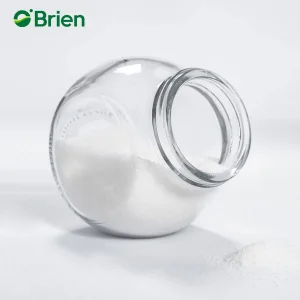
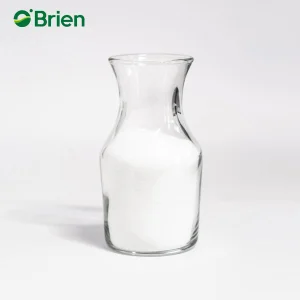
China PAM Anionic Polyacrylamide Dry & Wet Strength Agent

China PAM Anionic Polyacrylamide Dry & Wet Strength Agent for Paper Industry

View Product Specifications
Wholesale Anionic Polyacrylamide APAM for Municipal Sewage

Wholesale Anionic Polyacrylamide (APAM) for Municipal Sewage Treatment & Sludge Dewatering

View Product Specifications
Wholesale High Molecular Weight Nonionic Polyacrylamide for Coal Washing

Wholesale High Molecular Weight Nonionic Polyacrylamide for Coal Washing & Tailings Dewatering

View Product Specifications
Wholesale PAM Anionic Polyacrylamide Supplier

Wholesale PAM Anionic Polyacrylamide Manufacturer & Global Industrial Suppliers

View Product Specifications
Wholesale Cationic Polyacrylamide Flocculant for Textile

Wholesale Cationic Polyacrylamide (CAS 9003-05-8) Flocculant for Textile & Dyeing Wastewater

View Product Specifications
Wholesale Anionic Polyacrylamide Manufacturers

Wholesale Anionic Polyacrylamide High-Density Granules Manufacturers & Factory Direct

View Product Specifications
China Nonionic Polyacrylamide Manufacturers

China Nonionic Polyacrylamide High Purity Granules Manufacturers & Global Chemical Supplier

View Product Specifications
China Cationic Polyacrylamide Retention Aid

China Cationic Polyacrylamide Retention & Drainage Aid for Paper Making Industry

View Product Specifications
Section 1: Market Intelligence & Analysis

Global Commercial Landscape of Polyacrylamide (PAM) Granules

Polyacrylamide (CAS 9003-05-8) is a synthetic, water-soluble linear polymer formed from acrylamide subunits. Operating as a critical chemical reagent across heavy industry, PAM granules serve primarily as flocculants, coagulants, viscosity modifiers, and friction reducers. In modern liquid-solid separation mechanics, granular PAM outperforms liquid emulsion variants in international logistics efficiency, thermal stability, shelf-life integrity, and total active content ratio (often reaching >90% pure active polymer content).

The global demand for high-molecular-weight Polyacrylamide granules is accelerating rapidly. Driven by stringent environmental regulations regarding industrial zero-liquid discharge (ZLD), expanding tertiary oil recovery (EOR) initiatives, and intensified mineral extraction techniques, the global PAM market is expanding at a steady CAGR. Modern industrial buyers are moving away from traditional inorganic coagulants (such as alum or ferric chloride) toward high-efficiency organic polymers due to lower dosage requirements, reduced sludge production volume, and lower overall operational expenditure (OpEx).

50,000+
Annual Metric Tons Capacity
€2.0M+
Annual R&D Investment
10%
Year-over-Year Growth
ISO 9001
Certified Quality System

Macro-Economic Drivers & Structural Shift in Water & Energy Sectors

Worldwide water scarcity has forced municipal governments and multinational corporations to enforce closed-loop water recirculation systems. Whether in hydraulic fracturing in North America, deep-bore oilfield flooding in the Middle East, large-scale mining in Australia and South America, or heavy industrial wastewater processing in Asia, Polyacrylamide granules provide the physical-chemical bridge required to rapidly clarify water and dewater sludge.

Section 2: Enterprise Authority & Capability

Qingdao Oubo Chemical Co., Ltd: Manufacturing Excellence & Supply Assurance

Oubo Chemical Co., Ltd was established in 2011, strategically located in the Free Trade Zone of Qingdao, China. Operating within a world-class maritime logistics hub, Oubo Chemical leverages direct port access to supply global clients with unmatched efficiency and competitive freight dynamics. The quality control system of O'Brien is exceptionally strict and comprehensive. Over the past decade, Oubo has maintained a consistent annual business growth rate exceeding 10%, reflecting strong international market trust and product reliability. Qingdao Oubo Chemical Co., Ltd is highly committed to quality, customer service, and pays rigorous attention to environmental sustainability during polymer synthesis and field application.

Oubo specializes in manufacturing and supplying Cationic Polyacrylamide (CPAM), Anionic Polyacrylamide (APAM), and Nonionic Polyacrylamide (NPAM). Equipped with modern continuous automated production lines and staffed by senior chemical engineers, Oubo ensures every batch meets exact molecular specifications. The annual capacity of polyacrylamide surpassed 50,000 Metric Tons in 2018, and the quality management system of Oubo has been officially certified under ISO 9001:2008 standards. We proudly stand behind every ton of polymer delivered globally under our flagship brand O'brien.
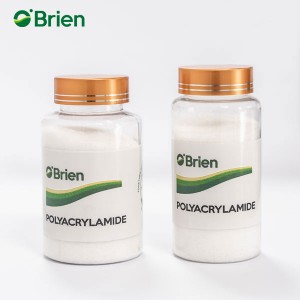
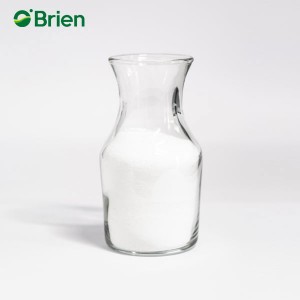
Why Partner with Oubo Chemical? Technical & Supply Chain Highlights:

  • Patented Biological Enzymatic Catalyst Technology: We utilize advanced microbiological synthesis methods for acrylamide monomer production, reducing residual monomer impurity levels and significantly enhancing polymer chain linearity and stability.
  • Massive R&D Capital Investment: We allocate over €2 million annually into polymer synthesis research and tailored application chemistry to maintain technical accumulation and global competitiveness.
  • Global Raw Material Security: High-grade raw materials are sourced directly from strategic global chemical giants including SINOPEC and Eni, guaranteeing pure chemical precursors.
  • Rigorous 3-Stage QC Protocol: Automated continuous manufacturing paired with 3-step QC verification testing per batch before dispatch guarantees zero off-spec shipments.
  • Full Technical Lifecycle Support: Our dedicated chemical engineers participate actively in pre-sales jar testing, operational dosage determination, and post-sales process optimization.

Core Polyacrylamide Polymer Categories

Section 3: Molecular Engineering

Polymer Chemistry & Granule Classifications

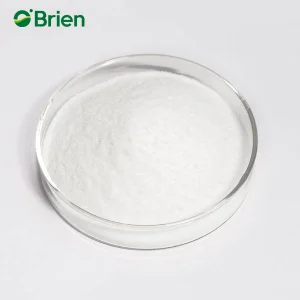
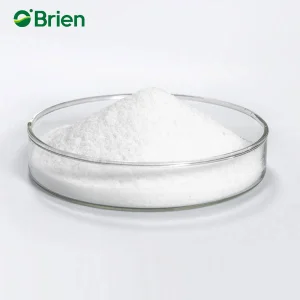
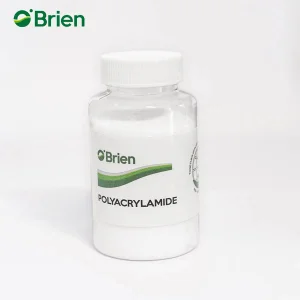
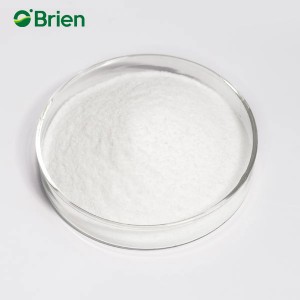
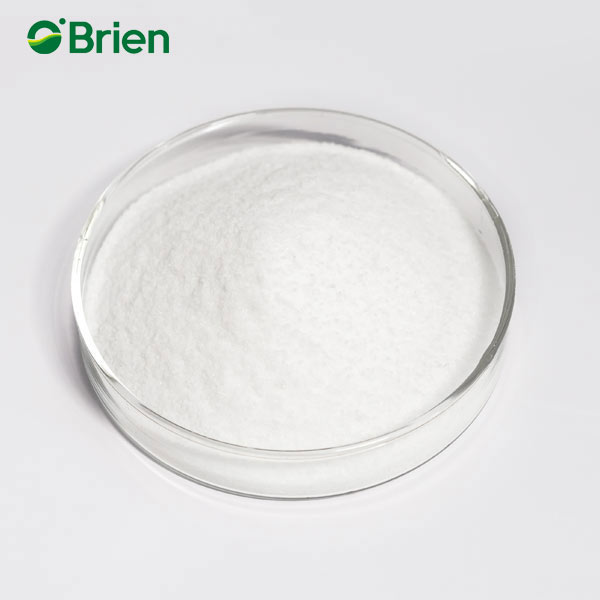
Polyacrylamide (PAM) is a white, solid, highly water-soluble polymer prepared by the polymerization of acrylamide monomers under targeted thermal and catalytic conditions. Its functional performance is governed by two vital chemical properties: Molecular Weight (MW) and Ionic Charge Density (Degree of Hydrolysis or Cationicity).

Polymer Type Ionic Charge Mechanism Molecular Weight (Million Daltons) Primary Industrial Functions
Anionic (APAM) Carboxylate groups (-COO⁻) via copolymerization with acrylic acid or hydrolysis 6.0 – 25.0 Million Flocculation in mineral processing, industrial effluent clarification, EOR viscosifier, paper strength enhancement.
Cationic (CPAM) Quaternary ammonium salts (DAC/DMAEMA monomers) 5.0 – 12.0 Million Municipal sludge dewatering (belt press, centrifuge), organic wastewater treatment, paper retention & drainage aids.
Nonionic (NPAM) Neutral homopolymer of pure acrylamide 3.0 – 15.0 Million Acidic wastewater clarification, mineral leaching, soil conservation, selective filtration.
Amphoteric (AmPAM) Simultaneous cationic and anionic functional groups on the same backbone 4.0 – 10.0 Million Complex industrial effluents with high salinity, variable pH, or difficult organic sludge profiles.

Physical Form Advantage: Granules vs. Emulsions & Liquids

Oubo Chemical specializes primarily in high-purity granular polyacrylamide. Granular formulations offer distinct commercial and chemical advantages over liquid or inverse-emulsion products:

  • Reduced Transportation Costs: With active polymer solid contents exceeding 88-92%, clients avoid paying sea freight for the water or hydrocarbon carrier oil present in emulsions.
  • Extended Storage Stability: Dry PAM granules maintain chemical integrity for up to 24 months when stored in original unopened packaging away from moisture.
  • Lower Residual Hydrocarbons: Granules do not contain surfactants or mineral oil carriers, preventing secondary chemical oxygen demand (COD) loading in sensitive water discharge systems.
Section 4: Comprehensive Field Applications

Industrial Applications & Process Protocols

Oubo Chemical's tailored PAM solutions provide high performance across key global industries. Below is an in-depth breakdown of localized field applications and operational mechanisms.

Municipal & Industrial Wastewater

Polyacrylamide plays a central role in solid-liquid separation including sedimentation, clarification, thickening, and mechanical sludge dewatering. In municipal sewage treatment, Cationic PAM neutralizes the negative surface charge of biological sludge, aggregating micro-flocs into large, rapidly draining macro-flocs tailored for centrifuges, belt filter presses, and chamber filter presses.
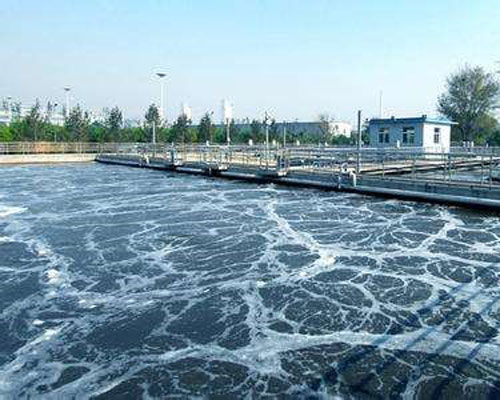
Water Treatment Application

Pulp & Paper Manufacturing

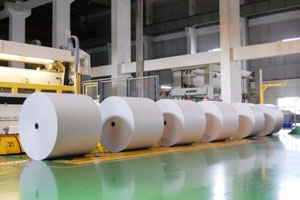
In wet-end papermaking chemistry, PAM serves as a retention aid, drainage aid, and dry/wet strength agent. By bridging pulp fibers and fine fillers, APAM/CPAM improves sheet formation, speeds up machine dewatering, reduces fiber loss in white water, and captures anionic garbage to balance wet-end charge equilibrium.
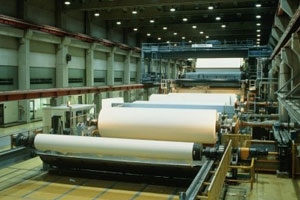
Paper Industry Application

Oilfield & EOR Operations

Polyacrylamide is widely deployed in oil exploration, profile control, well plugging, drilling mud additives, and hydraulic fracturing. High MW Anionic PAM increases injected water viscosity during Enhanced Oil Recovery (EOR) polymer flooding, sweeping residual oil from reservoirs. In drilling, it acts as a shale inhibitor, fluid loss reducer, and lubricant.
Oilfield Drilling Application

Mining & Ore Processing

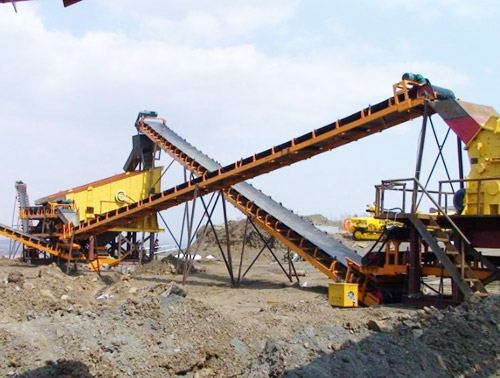
Extensively used in coal washing, mineral flotation clarification, and tailings thickener dewatering. PAM facilitates rapid sedimentation of fine gangue and mineral solids in copper, gold, iron, nickel, alumina, and coal processing plants, enabling fast water recycling and safe tailing dam management.

Mining Application

Specialized Niche Industrial Uses

Beyond main industrial applications, Oubo Polyacrylamide granules provide essential chemical functionality in specialized sectors:
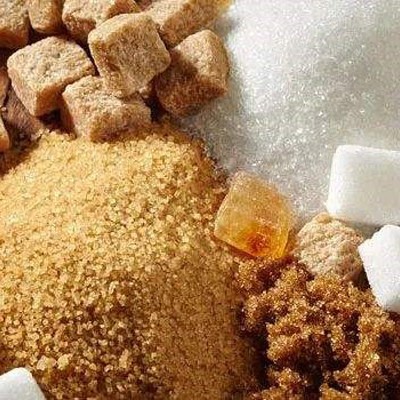
  • Sugar & Food Processing: Anionic PAM accelerates juice clarification and syrup flotation in sugar cane and sugar beet refineries, producing clear sugar liquors without leaving harmful residual monomers.
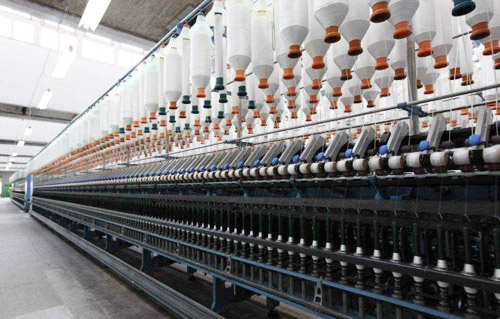
  • Textile & Dyeing Wastewater: Cationic and Nonionic PAM efficiently decolorize and clarify high-COD textile effluent containing reactive dyes, sizing agents, and heavy metals.
  • Agriculture & Soil Conditioning: High-molecular APAM acts as a soil stabilizer and erosion control agent, improving water retention and soil permeability in arid agricultural zones.
Section 5: Packaging & Export Logistics

Packaging Details & Standard Operating Procedures

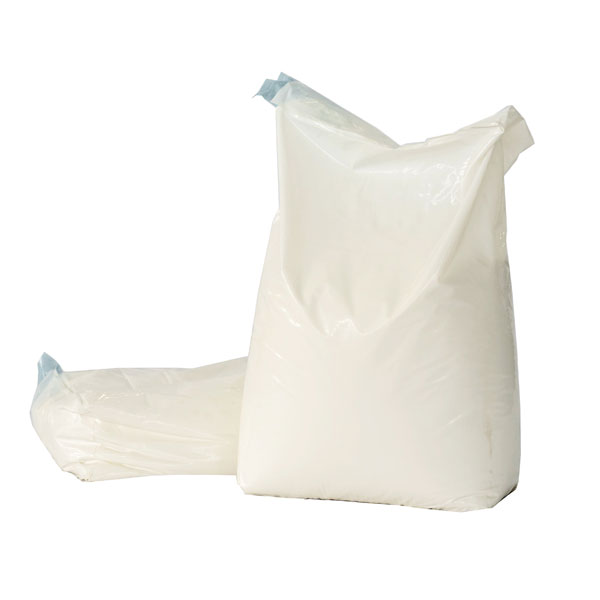
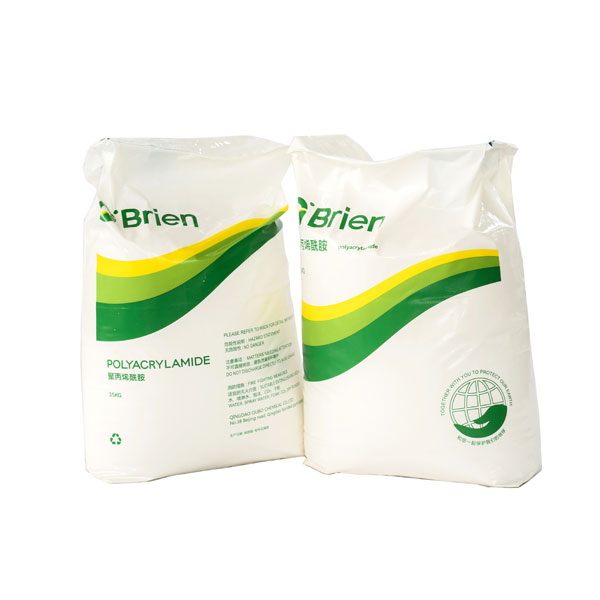
To preserve high solubility and active content during long-distance maritime transport, Oubo Chemical enforces rigorous export packaging standards. Standard packaging options are moisture-proof, UV-resistant, and dust-free.
Packaging Specifications & Loading Efficiency

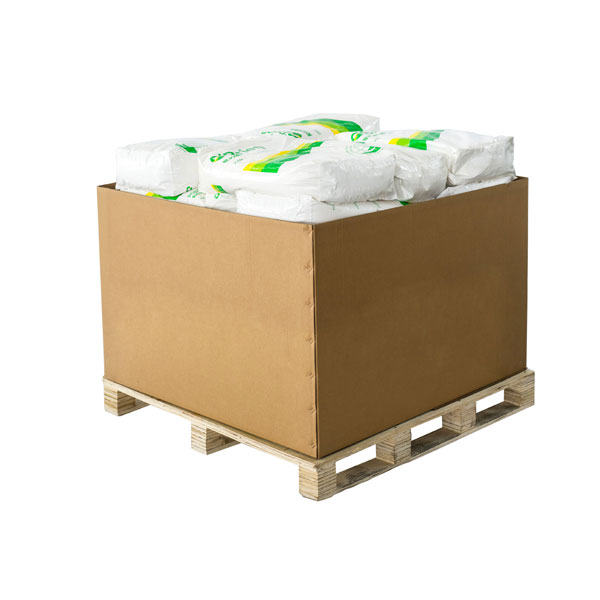
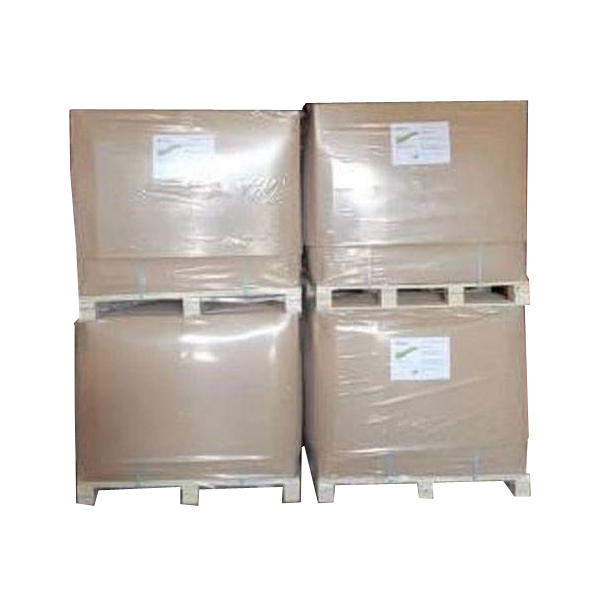
  • 25kg Kraft Paper / PE Inner Lined Bags: 18 – 20 Metric Tons per 20' FCL without pallets; 14 – 16 Metric Tons with palletized shrink-wrapping.
  • 750kg / 1000kg Super Sacks (Jumbo Bags): Optimized for automated dry polymer chemical feeder hoppers in large oilfield and mining facilities.
  • Custom Labeling & OEM Branding: Private label printing, multi-language warning labels, and customized lot tracking barcodes available upon request.
Section 6: B2B Technical Procurement Guide

Global Enterprise Procurement Strategy & Jar Testing Protocol

Selecting the optimal Polyacrylamide granule grade requires precise laboratory testing. Because wastewater streams, sludge pH, ionic strength, and mechanical dewatering equipment differ significantly between facilities, enterprise buyers should execute a structured jar testing verification procedure before committing to bulk container orders.

Step-by-Step Laboratory Selection Protocol:

  1. Effluent & Sludge Characterization: Measure raw sample pH, Total Suspended Solids (TSS), Zeta Potential, conductivity, and organic/inorganic ratio.
  2. Polymer Stock Solution Preparation: Prepare fresh 0.1% to 0.3% weight-to-volume dissolved stock solution using deionized or clean tap water. Allow 45–60 minutes of low-shear agitation to achieve complete polymer chain hydration.
  3. Jar Test Agitation & Floc Observation: Dose varying concentrations of APAM, CPAM, or NPAM into 500mL effluent jars under rapid mixing (200 RPM for 1 min), followed by gentle flocculation mixing (40 RPM for 5 min).
  4. Key Performance Indicators (KPIs): Evaluate floc settling speed, clarity of supernatant water (NTU turbidity), sludge cake moisture reduction percentage, and filtration dewatering speed.
Section 7: Future Industry Trends

Industry Trends: Bio-Based Monomers & Green Chemistry

The global polyacrylamide industry is undergoing a structural technological evolution focused on sustainability, lower carbon footprints, and reduced residual monomer levels.

Enzymatic Bio-Acrylamide

Traditional chemical catalysis using copper catalysts generates heavy metal impurities and higher energy overhead. Modern factories, including Qingdao Oubo Chemical, rely on third-generation nitrile hydratase bio-enzymatic conversion, achieving >99.9% monomer purity under ambient reaction temperatures.

Ultra-Low Residual Monomer

Environmental health standards in drinking water treatment demand residual free acrylamide levels below 250-500 ppm. Advanced polymerization post-curing technologies allow Oubo to consistently supply potable-water grade PAM meeting stringent global toxicity standards.

Smart Automated Dissolution

Industrial clients are pairing high-grade PAM granules with automated continuous dry powder wetting and dosing units. Proper dispersion prevents "fish-eye" gel formation, reduces chemical waste by up to 25%, and ensures optimal polymer chain extension.

Technical Knowledge Base

Frequently Asked Questions (FAQ)

Expert technical answers for water treatment engineers, procurement managers, and chemical distributors.

What is the standard shelf life of Polyacrylamide granules, and how should they be stored?
When stored in original unopened, air-tight packaging in a cool, dry, and ventilated warehouse (temperature below 35°C), granular Polyacrylamide maintains full activity for 24 months. Dissolved stock solutions, however, should be utilized within 24 to 48 hours to prevent viscosity loss caused by polymer degradation.
How do I determine whether to use Cationic (CPAM), Anionic (APAM), or Nonionic (NPAM)?
As a general rule: Cationic PAM is ideal for organic-rich substrates such as municipal sludge, biological wastewater, and paper mill waste. Anionic PAM works best for inorganic suspended solids, mineral tailings, river silt, and high-pH effluents. Nonionic PAM is suited for acidic wastewater, complex mineral leaching, and specific filtration aids. Laboratory jar testing is strongly recommended to confirm charge degree.
What dissolves granular PAM properly, and why do "fish-eyes" form?
"Fish-eyes" occur when dry polymer granules are added too rapidly into water, creating agglomerated lumps with dry polymer cores encased by a hydrated gel layer. To prevent this, slowly sprinkle granules into a vortex created by clean water moving under gentle agitation (200-400 RPM). Dissolution typically requires 45 to 60 minutes.
What is Qingdao Oubo Chemical's typical production lead time and FOB export shipping port?
Standard order dispatch takes 7 to 10 working days from order confirmation. Located in the Free Trade Zone of Qingdao, our default shipping port is Qingdao Port (CNTAO), one of Asia's premier deep-water container hubs.
Product Catalog Selection

Specialized Industrial Polyacrylamide Solutions

Direct Factory Supply of High-Purity Anionic, Cationic, and Nonionic Polymer Granules.
China Nonionic Polyacrylamide PAM Thickener Oilfield

China Nonionic Polyacrylamide (PAM) Thickener for Oilfield Drilling Fluid

View Product Specifications
Wholesale Cationic Polyacrylamide CPAM Sludge Dewatering

Wholesale Cationic Polyacrylamide (CPAM) for Sludge Dewatering & Industrial Wastewater

View Product Specifications
Wholesale Cationic Polyacrylamide Powder Wastewater

Wholesale Cationic Polyacrylamide Powder for Municipal & Industrial Wastewater Treatment

View Product Specifications
China Cationic polyacrylamide Manufacturer Supplier

China Cationic polyacrylamide High-Efficiency Granules Manufacturer & Global Supplier

View Product Specifications
Wholesale Anionic Polyacrylamide Powder Sugar Refining

Wholesale Anionic Polyacrylamide Powder Flocculant for Food Processing & Sugar Refining

View Product Specifications
Wholesale High Molecular Weight Anionic Polyacrylamide Petrochemical

Wholesale High Molecular Weight Anionic Polyacrylamide for Petrochemical & Metallurgical Effluents

View Product Specifications
Wholesale Nonionic Polyacrylamide NPAM Mineral Processing

Wholesale Nonionic Polyacrylamide (NPAM) for Mineral Processing & Metallurgical Ore Dressing

View Product Specifications
China Nonionic Polyacrylamide Acidic Industrial Wastewater

China Nonionic Polyacrylamide Flocculant for Acidic Industrial Wastewater Treatment

View Product Specifications