Engineered Polyacrylamide Formulations for Municipal, Industrial, Petrochemical, and Mining Solid-Liquid Separation
Understanding Chemical Structure, Polymerization Synthesis, and Ionic Dynamics in Water Clarification
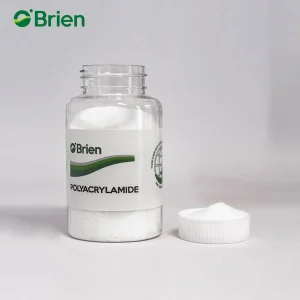
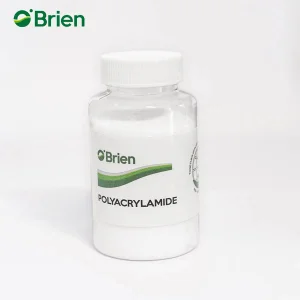
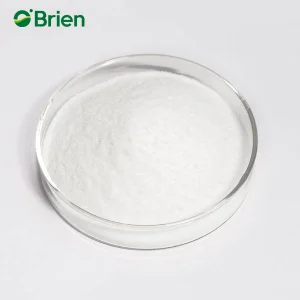
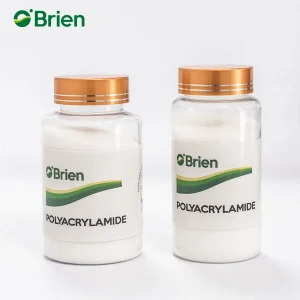
Polyacrylamide (CAS 9003-05-8) represents the pinnacle of modern synthetic polymer chemistry utilized in industrial fluid clarification, sludge dewatering, and rheology modification. As a linear, water-soluble macromolecule composed of repeating acrylamide monomeric units (-CH2CHCONH2-), PAM exhibits extraordinary versatility depending on its molecular weight distribution, degree of hydrolysis, and ionic charge density. In high-volume industrial applications, polyacrylamide serves as an indispensable bridge-building agent across suspended micro-particles, inducing rapid micro-floc aggregation, accelerating sedimentation rates, and dramatically lowering effluent turbidity.
At Qingdao Oubo Chemical Co., Ltd. (established in 2011 within the Free Trade Zone of Qingdao, China), we have pioneered advanced biological catalytic polymerization pathways. Unlike legacy chemical catalytic techniques that rely on copper-based catalysts—which leave hazardous heavy metal residues and unreacted monomers—our proprietary bio-enzymatic synthesis process utilizes pure microbial acrylamide catalysts. This technical innovation yields ultra-pure acrylamide monomers with unreacted residual levels strictly controlled under <0.05% (500 ppm), maximizing polymer chain length and enabling exact control over molecular weights ranging from 3 million up to 22 million Daltons.
To optimize solid-liquid separation performance, industrial wastewater systems require precise matching between the electrical charge of suspended solids and the ionic charge of the polyacrylamide polymer. Oubo Chemical manufactures four distinct chemical variations of PAM:
| Polymer Classification | Ionic Charge Type | Molecular Weight (Million Da) | Hydrolysis / Charge Density | Primary Application Environment |
|---|---|---|---|---|
| Anionic PAM (APAM) | Negative (-) | 8.0 – 22.0 | 10% – 60% Hydrolysis | Inorganic wastewater, mineral processing, river water clarification, paper dry strength. |
| Cationic PAM (CPAM) | Positive (+) | 6.0 – 15.0 | 5% – 80% Ionization | Organic municipal sewage sludge, food processing effluent, belt press/centrifuge dewatering. |
| Nonionic PAM (NPAM) | Neutral (0) | 3.0 – 12.0 | < 5% Hydrolysis | Acidic wastewater, soil stabilization, mining tailings, oilfield drilling fluid rheology. |
| Amphoteric PAM | Dual (+ / -) | 4.0 – 10.0 | Customized Ratio | Complex industrial effluents with fluctuating pH and mixed organic/inorganic loads. |
Tailored Solid-Liquid Separation Strategies Across Heavy Manufacturing, Municipal Infrastructure, and Energy Sectors
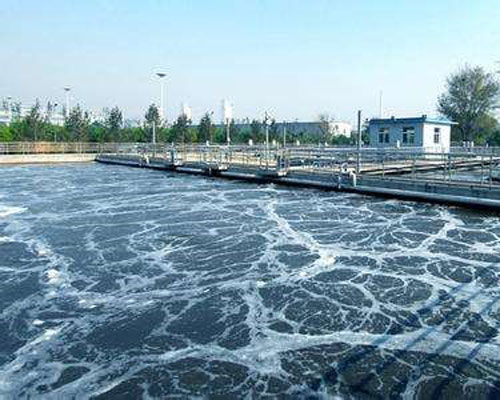
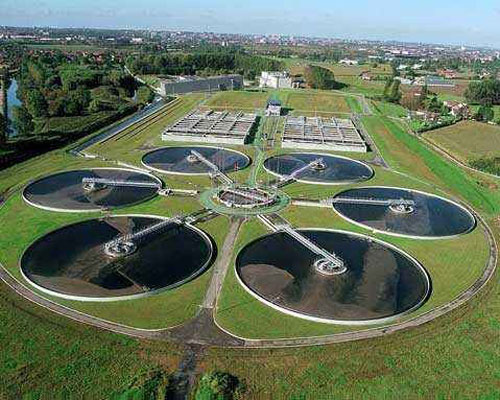
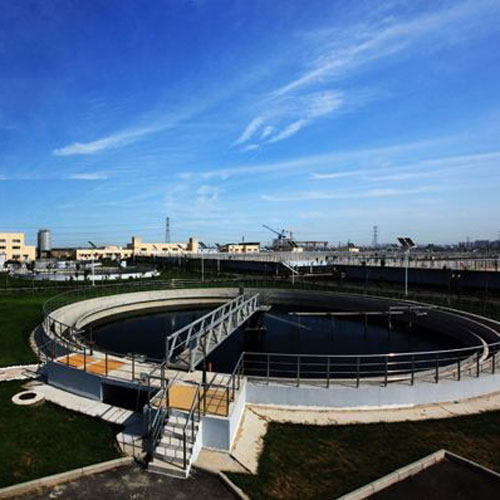
In municipal sewage treatment plants (STPs) and complex industrial wastewater treatment facilities, Polyacrylamide functions as a vital secondary coagulant and primary sludge dewatering agent. As environmental discharge limits become increasingly stringent worldwide, plants face severe challenges in dewatering high-bound-water organic sludge. Oubo Cationic Polyacrylamide (CPAM) utilizes high charge density cations to neutralize negative charges on bacterial cell walls in activated sludge, promoting rapid destabilization. This chemical bridge causes flocs to aggregate into large, tight clumps, optimizing water release across belt filter presses, chamber filter presses, and decanter centrifuges.
For industrial effluent streams—including leather processing, citric acid manufacturing, vegetable protein extraction, pharmaceutical synthesis, and incense production—Anionic and Nonionic PAM formulations facilitate rapid sedimentation of inorganic suspended solids in primary clarifiers. This cuts chemical oxygen demand (COD) and total suspended solids (TSS) levels dramatically before tertiary filtration.
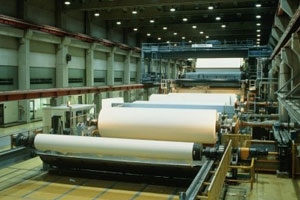
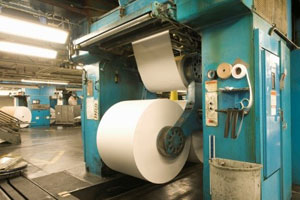
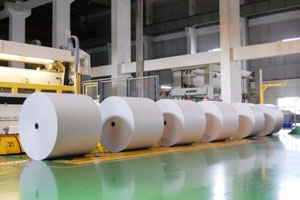
In modern high-speed papermaking, polyacrylamide serves four vital functions in the wet-end chemical section: Retention Aid, Anionic Trash Scavenger, Dry/Wet Strength Agent, and White Water Dispersant. Oubo’s specialized cationic retention aid polymers bind fine cellulose fibers and mineral fillers (calcium carbonate, titanium dioxide) directly to the paper web. This reduces raw material loss, prevents wire blinding, and accelerates drainage rates across the wire section.
Furthermore, in white water closed-loop recycling, Anionic PAM functions as a powerful save-all flocculant, recovering valuable fibers while maintaining systemic water purity. In de-inking processes for recycled paper pulp, PAM enhances ink particle flotation, significantly improving final sheet brightness and physical burst tensile strength.
Within upstream energy production, high molecular weight Polyacrylamide is the premier mobility control polymer for Enhanced Oil Recovery (EOR), as well as a critical additive in hydraulic fracturing and drilling fluids. In tertiary oil extraction, injecting high-viscosity APAM solution into oil-bearing strata reduces water mobility, expands sweep efficiency, and displaces trapped crude oil from subterranean pore networks. Oubo’s temperature- and salt-resistant polymer grades maintain structural viscosity even under high shear rates and severe geothermal reservoir conditions.
In oilwell drilling, Nonionic and Partially Hydrolyzed Polyacrylamide (PHPA) act as shale inhibitors and friction reducers. They coat drilling cuttings, seal porous formations against fluid loss, lubricate drill strings, and protect sensitive clay formations from hydration swelling.


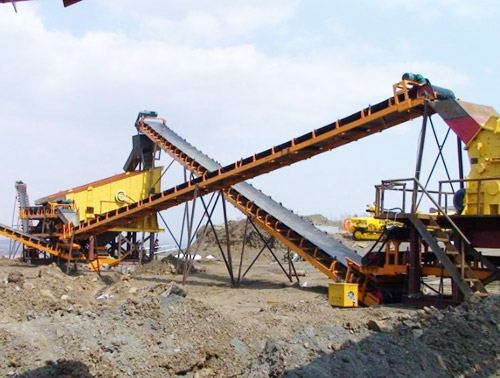
Mineral extraction processes—including coal washing, gold cyanidation, copper heap leaching, alumina red mud settling, and iron ore concentration—generate millions of gallons of slurry daily. Efficient solid-liquid separation via filtration and thickeners is vital to recover process water and safely manage fine tailings ponds. Oubo’s high-molecular-weight APAM and NPAM flocculants promote fast settling rates, high overflow clarity, and compact underflow densities, helping mines conserve fresh water in arid zones.


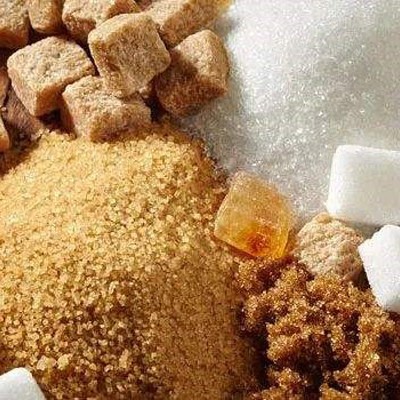
In sugar beet and sugarcane processing, Anionic Polyacrylamide acts as a clarification aid during raw juice extraction. It flocculates non-sugar impurites, soil, and insoluble proteins without changing sugar sucrose structures, accelerating juice filtration and increasing crystal yield.
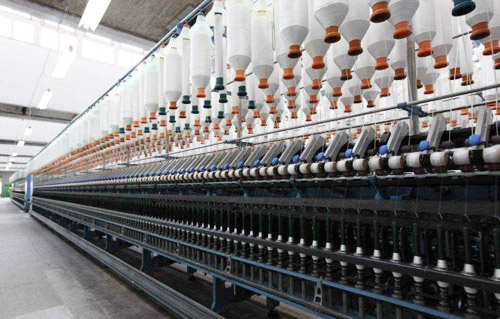
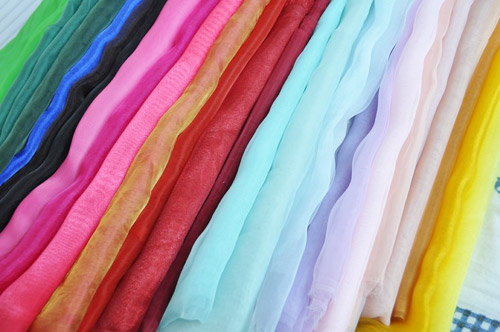
PAM is extensively utilized as a warp sizing agent to form a smooth, protective film over yarns, dramatically reducing breakages during high-speed weaving. Furthermore, in textile dye house wastewater, CPAM decolors and precipitates complex azo dyes and organic pigments.

Direct Factory Scale, Strategic Feedstock Partnerships, and Stringent Triple-Testing Protocols
Situated directly inside the Free Trade Zone of Qingdao Port, China, Oubo leverages immediate maritime shipping access. Our key raw materials are sourced directly through long-term strategic contracts with global energy leaders including SINOPEC and Eni, guaranteeing unbroken feedstock continuity even during global material shortages.
Certified under ISO 9001:2008 standards, every single production batch undergoes rigorous 3-stage laboratory testing prior to dispatch: monomer purity testing, intrinsic viscosity determination, and moisture/dissolution speed verification. Batch test certificates (COA) are generated and archived for 100% batch traceability.
Our plant operates state-of-the-art continuous biological polymerization lines designed with full automated process control. Investing over €2 Million annually into polymer R&D allows us to refine product dissolution speeds, minimize dusting in dry powders, and consistently increase active polymer content to market-leading thresholds.
We do not merely sell bulk polymer powders; our dedicated chemical engineering team participates actively in pre-sales jar testing, operational dosage calculation, full-scale plant trial execution, and post-sales equipment optimization to lower overall operational expenditure (OpEx) for our client partners.
Next-Generation Bio-Based Flocculants, Hydrophobically Modified Polymers, and Smart Dosing Algorithms
As international environmental regulations enforce stringent limits on industrial discharge, energy consumption, and carbon intensity, the polyacrylamide industry is undergoing a significant transformation. Oubo Chemical’s R&D division is actively leading three pivotal innovations:
1. Ultra-High Molecular Weight Hydrophobically Modified PAM (HMPAM): Traditional linear polyacrylamides can experience chain degradation under high shear stress or high-salinity brines. By introducing hydrophobic associative monomers into the acrylamide backbone, HMPAM forms dynamic physical networks in aqueous solutions, delivering exceptional shear stability and enhanced viscosity retention for offshore tertiary oil recovery and deep geothermal wells.
2. Eco-Friendly Bio-Degradable Copolymer Hybrid Matrices: Addressing concerns regarding micro-plastic persistence, Oubo is pioneering hybrid flocculants that combine bio-polymers (such as modified starches, alginates, and chitosan derivatives) with synthetic polyacrylamide backbones. These hybrid matrix flocculants offer rapid bio-degradation profiles while maintaining high bridging efficacy in municipal drinking water production.
3. AI-Driven Real-Time Closed-Loop Dosing Optimization: Modern wastewater treatment plants are shifting from manual chemical dosing to AI-powered sensor-driven dosing. By integrating real-time streaming turbidity sensors, streaming current monitors (SCM), and sludge cake solids telemetry, automated dosing skids feed precise PAM dosages into centrifugation feeds. This cuts chemical waste by up to 22% while eliminating under-dosing or over-dosing errors.
Custom Packaging Solutions, Moisture-Proof Barrier Protection, and Palletized Freight Handling
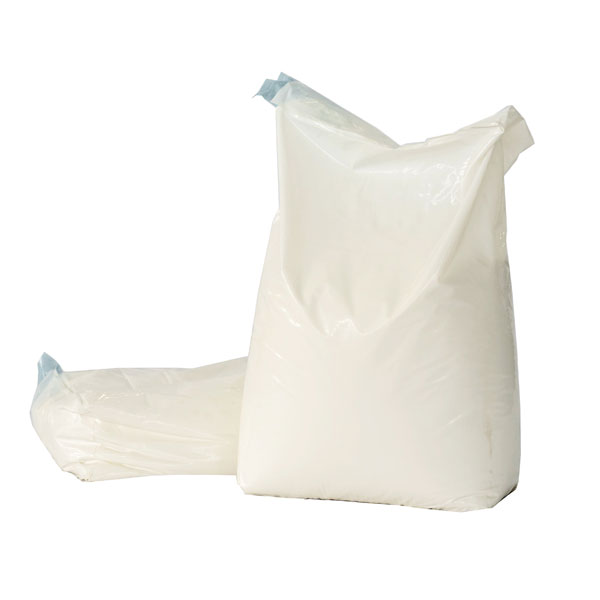
Unbranded 25kg Kraft paper bags with inner PE plastic liners. Designed for OEM distributors requiring custom private labeling upon arrival.
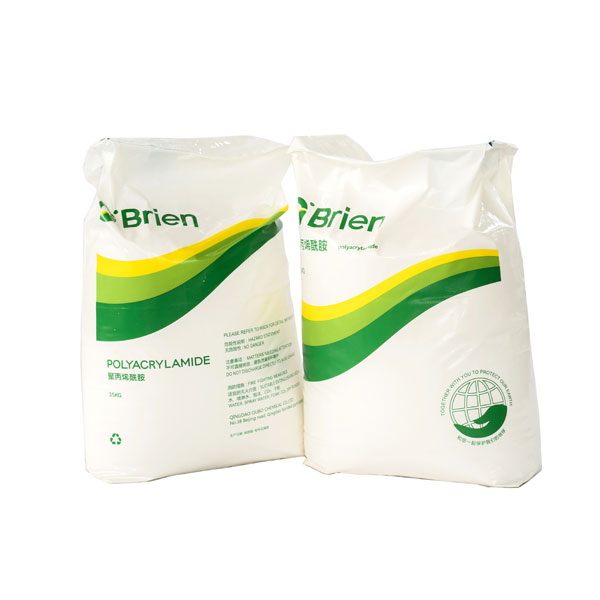
Standard multi-wall paper-plastic composite bags printed with essential specifications, hazard classifications, and handling instructions.
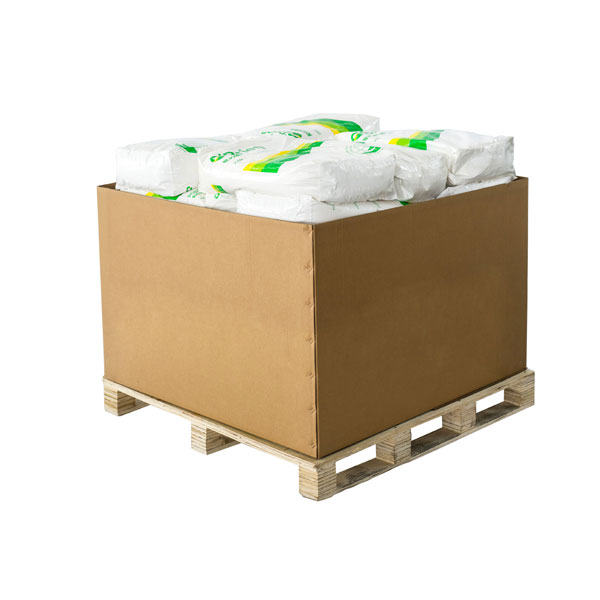
Heavy-duty FIBC ton bags featuring bottom discharge spouts. Optimized for continuous high-volume mining and oilfield operations.
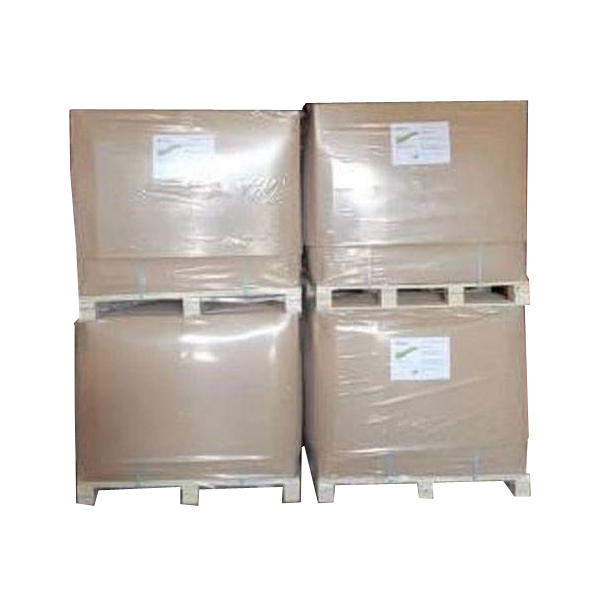
Full shrink-wrap palletizing on ISPM-15 compliant wooden or plastic pallets, ensuring zero moisture ingress during oceanic freight transit.
Explore Our Full Range of Specialized PAM Powders and Emulsions Available for Bulk Wholesale Direct from Factory
Expert Answers to Procurement, Chemical Selection, Dissolution Protocols, and Regulatory Compliance
 Oubo Chemical