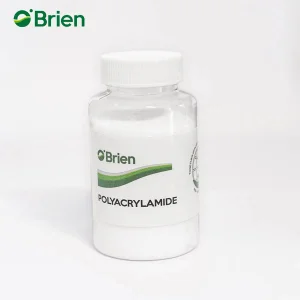
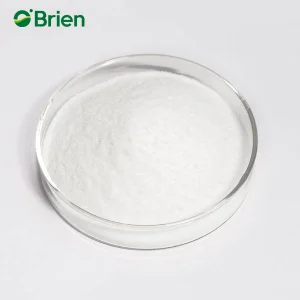
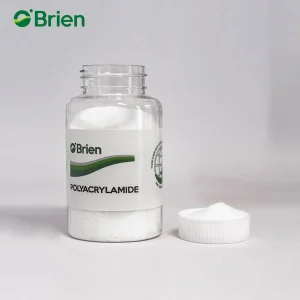
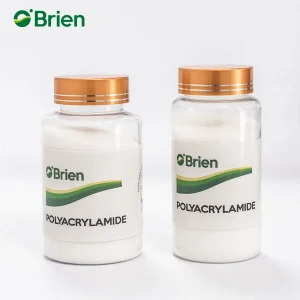
Explore our ISO 9001 certified high-performance cationic, anionic, and nonionic polyacrylamide formulations optimized for municipal sewage, petrochemical, pulp & paper, and mining applications.
Founded in 2011 within the Qingdao Free Trade Zone, China, Oubo Chemical Co., Ltd (O'brien) has grown into a world-leading manufacturer and wholesale supplier of synthetic water-soluble polymers. Operating under a rigorous ISO 9001:2008 Quality Management System, Oubo maintains a comprehensive 3-tier quality control protocol to deliver exceptional consistency, chemical purity, and performance efficiency across all polymer grades.
With an annual polyacrylamide production capacity breaking through 50,000 Metric Tons in 2018 and an ongoing annual growth rate of 10%, Oubo combines large-scale industrial manufacturing with state-of-the-art biological enzymatic synthesis technology. Our dedicated technical engineering teams collaborate directly with industrial operators worldwide, delivering custom chemical formulations that optimize solid-liquid separation while minimizing total cost of operation (TCO) and environmental impact.
Strategic analysis of market dynamics, environmental regulatory mandates, and structural growth vectors driving global flocculant demand.
Polyacrylamide (CAS 9003-05-8) serves as the primary backbone chemical in modern industrial solid-liquid separation processes. As global regulatory frameworks—such as the EU Water Framework Directive, the US EPA Clean Water Act, and China's Environmental Protection Law—impose tighter thresholds on total suspended solids (TSS), Chemical Oxygen Demand (COD), and heavy metal discharges, the global industrial demand for high-performance polyacrylamide continues to accelerate rapidly.
Increasing urbanization demands rapid throughput in primary clarification and secondary activated sludge dewatering. Cationic PAM optimizes belt presses, centrifuges, and filter presses to minimize cake moisture content.
Utilized extensively in Enhanced Oil Recovery (EOR) as a mobility control thickener and in refining effluent treatment to break complex oil-in-water emulsions efficiently.
Essential for tailings thickener performance, gold, copper, iron, and coal washing solid-liquid separation. High molecular weight APAM accelerates settling velocity and water recycle rates.
Serves dual functions: enhancing retention and drainage during wet-end paper formation while clarifying process white water for zero-liquid-discharge (ZLD) operational closed loops.
Comprehensive breakdown of molecular structures, hydrolysis ratios, charge densities, and functional dynamics across industrial applications.
Polyacrylamide (PAM) is a linear synthetic polymer built from acrylamide monomers ($CH_2=CH-CONH_2$). Its functional performance in wastewater treatment is governed primarily by three key parameters: Ionicity (Type and Charge Density), Molecular Weight (MW), and Polymer Structure (Linear, Branched, Crosslinked).
| Polymer Type | Cationic PAM (CPAM) | Anionic PAM (APAM) | Nonionic PAM (NPAM) |
|---|---|---|---|
| Functional Monomers | Acrylamide + DAC/DAC-70/DAC-80 (Cationic Monomer) | Acrylamide + Acrylic Acid (AA) / Sodium Acrylate | Pure Acrylamide Homopolymer ($CH_2=CHCONH_2$) |
| Charge Density / Ionicity | 5% to 80% (Low, Medium, High, Ultra-High) | 5% to 60% (Hydrolysis Degree) | 0% to 5% (Neutral Charge Profile) |
| Molecular Weight (Million) | 6.0 – 15.0 Million Daltons | 8.0 – 25.0+ Million Daltons | 5.0 – 12.0 Million Daltons |
| Primary Target Colloids | Negatively Charged Organic Suspensions & Sludges | Positively Charged Inorganic Suspensions & Minerals | Complex, High-Acid, or Non-Ionic Suspended Solids |
| Dominant Mechanism | Charge Neutralization & Micro-Flocculation | Polymer Bridging & Inter-particle Hydrogen Bonding | Hydrogen Bonding & Steric Network Capture |
| Core Industrial Applications | Municipal Sludge Dewatering, Food, Textile Dyeing | Mining Tailings, Petrochemical Effluent, Paper Retention | Acidic Mining Effluents, Soil Stabilization, Sugar Refining |
The efficiency of solid-liquid separation depends on two primary chemical mechanisms operating synergistically:
Tailored PAM formulations customized for diverse industrial effluents and production processes.
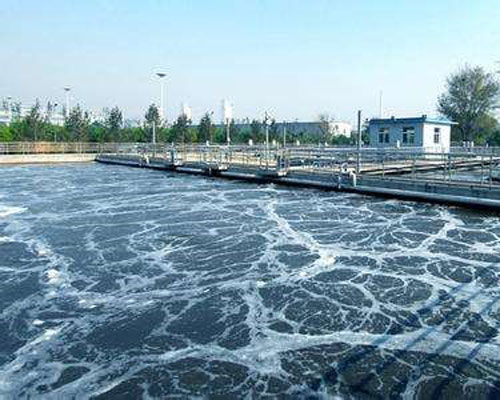
As a flocculating agent, mainly used in industrial solid-liquid separation process, including settlement, to clarify, concentrate and sludge dewatering processes. Polyacrylamide plays an important role in municipal sewage treatment and industrial wastewater treatment. Increasingly stringent regulations promote the development of the water treatment industry.
For municipal sewage treatment industry, it is also widely used in leather, paper making, citric acid, vegetable protein extract, dyeing, pharmaceutical, incense, etc.
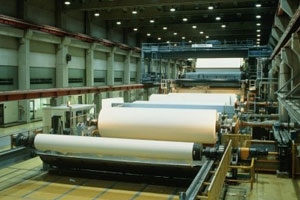
In the paper industry, PAM functions as dry strength agents, retention agents, and filter aids. They significantly improve paper quality, enhance physical strength, reduce fiber loss, and clarify process white water during deinking flocculation.
Polyacrylamide is widely used in oil exploration, profile control, plugging agents, drilling fluids, and fracturing fluid additives. It effectively reduces fluid loss, improves shale inhibition, lubricates drill strings, and enhances oil recovery rates (EOR).

Widely used for mineral-ore separation and wastewater clarification. Polyacrylamide provides strong sealing performance in mining pipes and efficient solid-liquid separation via filtration and centrifugation across various ores:
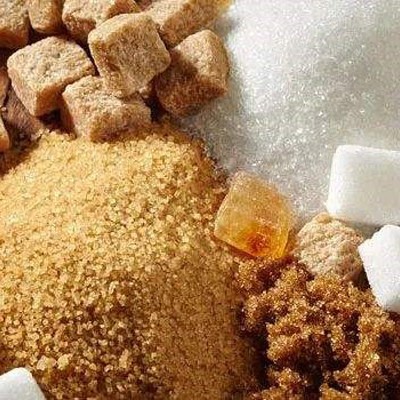
Specialized food-grade anionic and nonionic PAM formulations are engineered specifically for juice clarification, sugar liquor flotation, and mud dewatering in cane and beet sugar mills, ensuring high clarity and sugar yield optimization.
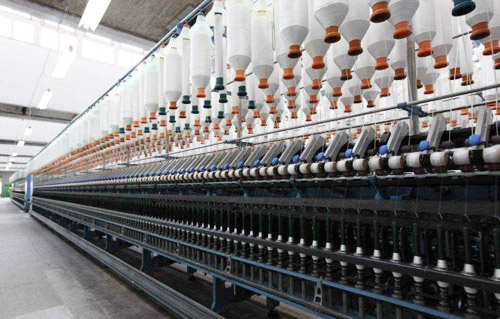
Polyacrylamide serves as a sizing agent, finishing agent, and fabric treatment chemical. In dyeing wastewater treatment, high-charge cationic PAM removes complex synthetic dye colorants, reducing COD and color units dramatically.
Step-by-step technical guidelines for polymer preparation, dosing concentration optimization, and field evaluation.
To determine optimal polymer selection and active dosage ($mg/L$):
Improper polymer aging reduces field performance by up to 40%:
World-class manufacturing capability, bio-catalytic technical innovation, and global supply chain dependability.
Qingdao OUBO Chemical Co,. Ltd is a leading global producer of Polyacrylamide. We utilize patented biological enzymatic methods for monomer synthesis and invest €200 million annually into R&D and technical accumulation.
Robust global supply chain. Raw materials sourced from premium global vendors such as SINOPEC and Eni. Fully automated production lines certified under ISO 9001, with each batch subjected to 3-stage QC lab testing prior to dispatch.
Over a decade of continuous manufacturing focus on Polyacrylamide. Our technical application engineers join pre-sales, bench testing, site trials, and post-sales optimization to ensure correct product grade selection.
Full support for laboratory jar testing, product customization, trial runs, and worldwide containerized logistics. Guaranteed packaging integrity and rapid order turnaround times.
Flexible and protective packaging options designed for global sea freight, moisture resistance, and industrial site handling.
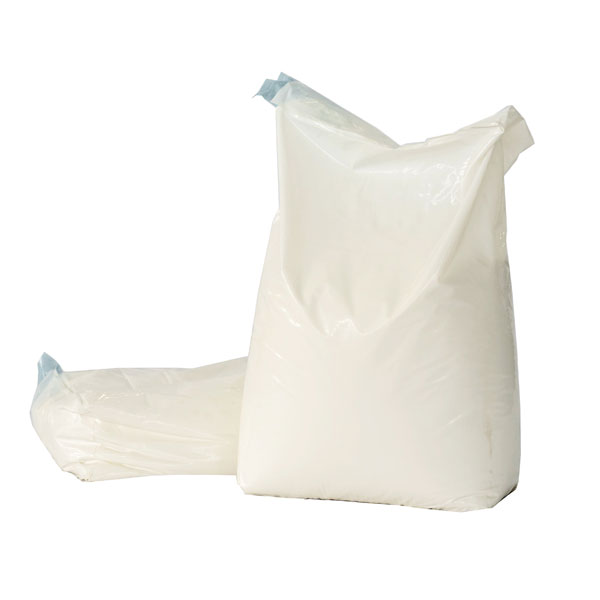
25kg inner-lined PE moisture-proof craft paper bag, unbranded for distributor customization.
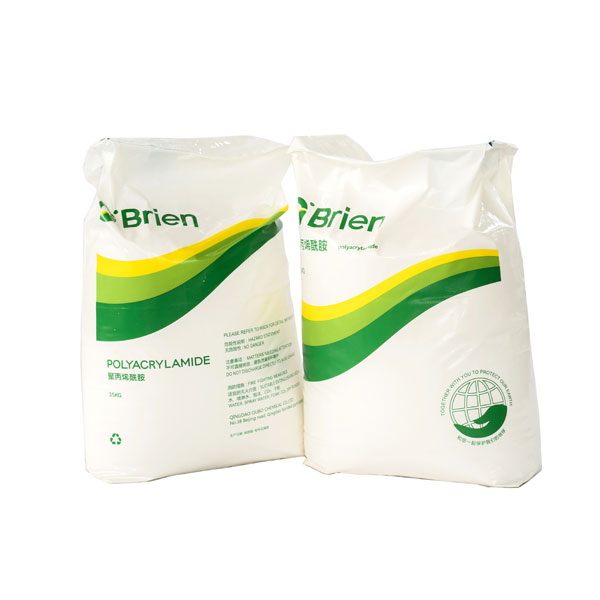
25kg multi-wall paper-plastic composite bag printed with certified technical specifications and lot code.
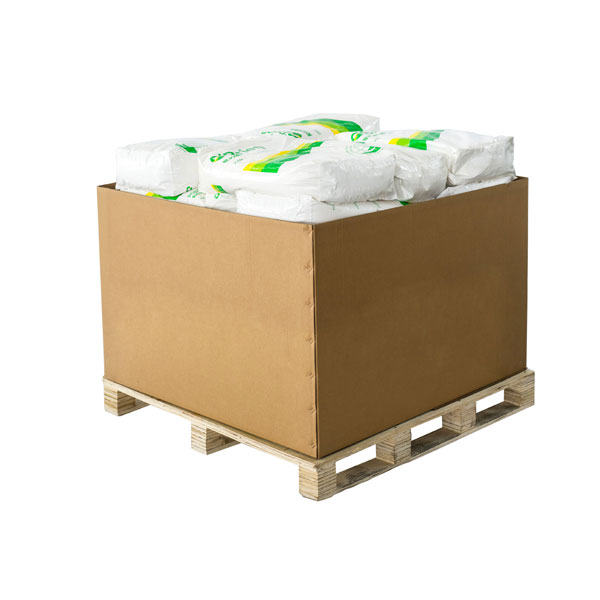
750kg / 1000kg heavy-duty FIBC super sacks equipped with bottom discharge spouts for automated dosing systems.
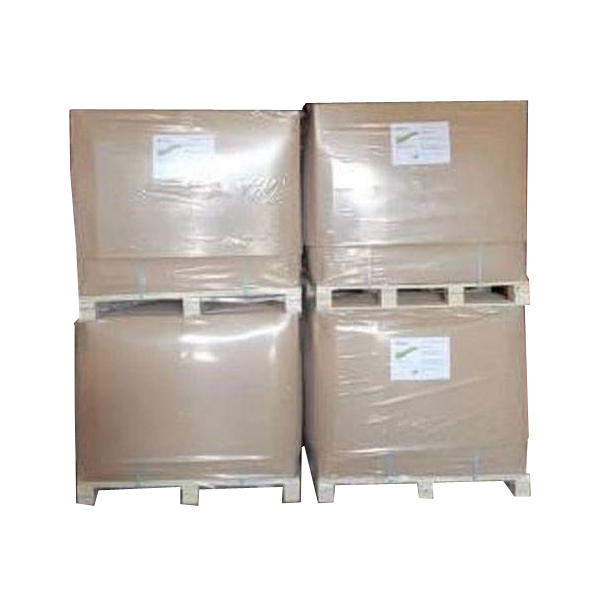
Fumigated wooden or plastic pallets, shrink-wrapped and strapped securely (1.0 to 1.2 Metric Tons per pallet).
Next-generation polymer developments driving ESG compliance, carbon footprint reduction, and smart chemical dosing.
Future global regulations are driving monomer residue limits below 100 ppm ($0.01\%$). Oubo’s ongoing bio-catalytic enzyme research focuses on continuous-flow synthesis to completely eliminate toxic residual acrylamide monomer, unlocking safe usage in potable water production and sensitive agricultural applications.
To reduce petroleum feedstocks reliance, R&D projects are developing hybrid polysaccharide-graft-polyacrylamide copolymers using starch, cellulose, and chitosan backbones. These bio-polymers maintain high molecular weight while dramatically improving ultimate environmental biodegradability.
Modern municipal plants are shifting toward real-time feed-forward control systems. By combining online streaming turbidity sensors, zeta potential analyzers, and IoT automated dosing skids, plants reduce PAM chemical consumption by 15–30% while preventing over-flocculation and filter blinding.
Expert answers to common engineering, procurement, and field application inquiries.
Browse additional specialized polyacrylamide formulations engineered for paper processing, mineral dressing, and sludge dewatering.
 Oubo Chemical