Wholesale Polyacrylamide For Paper Making Manufacturers & Suppliers

Advanced Retention Aids, Drainage Enhancers, Anionic Trash Catchers & Wet-End Chemical Solutions for Next-Generation Pulp & Paper Mills Globally

ISO 9001:2008 Certified Patented Bio-Acrylamide Synthesis 50,000+ Tons Annual Capacity

Featured Polyacrylamide Products

High-performance water-soluble polymers tailored for wet-end papermaking, sludge dewatering, and municipal industrial water treatment.
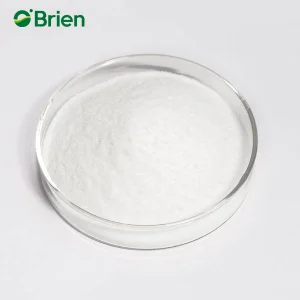
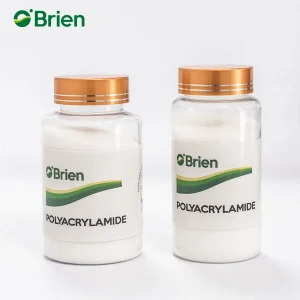
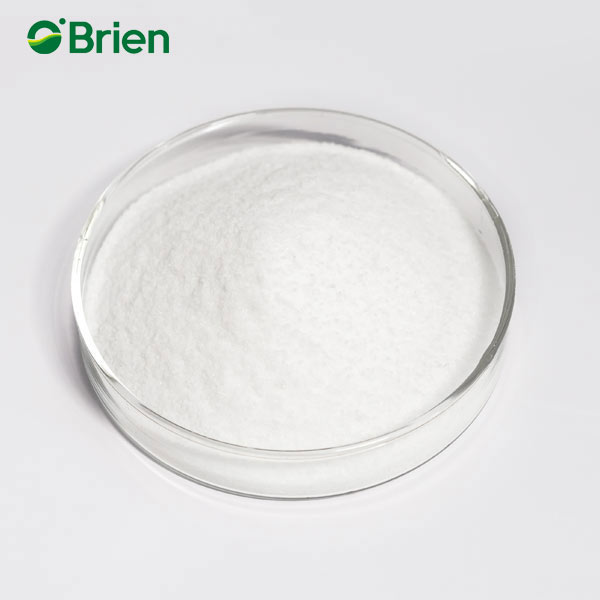
Wholesale High Molecular Weight Nonionic Polyacrylamide
Wholesale High Molecular Weight Nonionic Polyacrylamide for Coal Washing & Tailings Dewatering
View Product Details
Wholesale PAM Anionic Polyacrylamide
Wholesale PAM Anionic Polyacrylamide Manufacturer, Suppliers
View Product Details
Wholesale Cationic Polyacrylamide CPAM
Wholesale Cationic Polyacrylamide (CPAM) for Sludge Dewatering & Industrial Wastewater
View Product Details
China Nonionic Polyacrylamide
China Nonionic Polyacrylamide Manufacturers, Supplier
View Product Details
China Nonionic Polyacrylamide Oilfield
China Nonionic Polyacrylamide (PAM) Thickener for Oilfield Drilling Fluid
View Product Details
Wholesale Anionic Polyacrylamide APAM Sewage
Wholesale Anionic Polyacrylamide (APAM) for Municipal Sewage Treatment & Sludge Dewatering
View Product Details
China Cationic Polyacrylamide Paper Making Retention
China Cationic Polyacrylamide Retention & Drainage Aid for Paper Making Industry
View Product Details
China PAM Anionic Polyacrylamide Paper Strength
China PAM Anionic Polyacrylamide Dry & Wet Strength Agent for Paper Industry
View Product Details

Industrial Whitepaper: Polyacrylamide in Modern Papermaking Wet-End Chemistry

Strategic Insights for Procurement Directors, Chemical Engineers, and Operational Executives in Global Pulp & Paper Manufacturing

The global paper and pulp industry is currently experiencing a profound paradigm shift driven by stringent environmental regulations, closed-loop water recirculation systems, and the imperative for cost efficiency. As paper mills increase machine speeds and incorporate higher ratios of recycled furnish (OCC, DIP), wet-end chemical balance becomes infinitely more complex. Polyacrylamide (PAM)—a versatile synthetic linear polymer produced from acrylamide monomers—serves as the foundational cornerstone for resolving retention, drainage, fiber dispersion, and effluent clarification challenges in high-speed papermaking.

Information Gain Insight: The transition from traditional single-polymer retention systems to multi-component micro-particle systems (combining high molecular weight Cationic Polyacrylamide with bentonite or silica sols) has been proven to increase machine speed by up to 12% while reducing steam consumption in the drying section by 8-15%.

Choosing the correct wholesale Polyacrylamide supplier requires a granular understanding of polymer charge density, molecular weight distribution, rheological behavior under high shear conditions, and raw material purity. Qingdao Oubo Chemical Co., Ltd. stands at the forefront of this industrial sector, producing world-class nonionic, anionic, cationic, and amphoteric polyacrylamide flocculants through proprietary biological synthesis methods.

Retention & Drainage

Flocculates fine fibers, fillers (TiO2, GCC, PCC), and starch, preventing raw material loss and optimizing sheet formation on high-speed Fourdrinier and gap formers.

Strength Enhancement

Forms hydrogen and ionic bonds across cellulose matrix interfaces, drastically improving Mullen burst strength, tensile indices, and ring crush strength (RCT).

Anionic Trash Scavenging

Neutralizes dissolved organic and inorganic anionic species in closed-loop white water circuits, stabilizing wet-end charge and preserving chemical additives.

Polyacrylamide Functional Mechanics in Paper Production

Engineering the molecular interface between synthetic polymers and natural lignocellulosic fibers

1. Cationic Polyacrylamide (CPAM) as Retention & Drainage Aids

Paper stock consists of negatively charged cellulose fibers, mineral fillers, and colloidal fines suspended in water. CPAM operates via two primary mechanisms: charge neutralization and bridging flocculation. High molecular weight (8 to 15 million Daltons) CPAM with low-to-medium charge density (10% to 35% cationic substitution via DAC or DMC monomers) adsorbs onto fiber surfaces, forming large micro-flocs capable of surviving high shear forces at the headbox and press section.

  • First Pass Retention (FPR): Increases FPR by 15-30%, reducing white water solid loading.
  • Drainage Acceleration: Speeds up water removal on the wire, lowering vacuum energy requirements.
  • Cost Reduction: Minimizes loss of expensive titanium dioxide and precipitated calcium carbonate (PCC).

2. Anionic Polyacrylamide (APAM) for Dry & Wet Strength

In linerboard, fluting medium, and tissue manufacturing, physical strength parameters are paramount. APAM, synthesized through acrylamide and acrylic acid copolymerization, acts as a synthetic dry strength agent. When paired with a cationic dual-polymer system or cationic starch, APAM cross-links with cellulose hydroxyl groups via hydrogen bonding.

  • Inter-Fiber Bonding: Maximizes contact area between recycled short fibers.
  • Energy Savings: Enables mills to reduce mechanical refining (refiner kWh/ton) while maintaining target burst and tensile specifications.
  • Fiber Substitution: Allows higher replacement ratios of virgin softwood pulp with lower-cost secondary fiber.
Polymer Ionic Type Molecular Weight (Million) Charge Density (%) Primary Papermaking Function Recommended Application Point
Cationic (CPAM) 8.0 - 15.0 10% - 40% Retention & Drainage Aid, White Water Clarification After screen / headbox inlet pipe
Anionic (APAM) 12.0 - 22.0 5% - 30% Dry Strength Agent, Fiber Dispersant, Effluent Treatment Mixing chest / Thick stock chest
Nonionic (NPAM) 6.0 - 12.0 < 1% Specialty Fiber Dispersant, Acidic Papermaking Aid Machine chest / Hydrapulper
Amphoteric (AmPAM) 5.0 - 10.0 Balanced (+/-) Wet/Dry Strength in Closed-Loop Recycled Systems Blend chest prior to headbox

Why Qingdao Oubo Chemical Co., Ltd. is the Premier Wholesale Partner

World-class manufacturing capability, patented biological synthesis, and stringent quality control certified to ISO 9001:2008 standards.

Established in 2011 within the Free Trade Zone of Qingdao, China, Qingdao Oubo Chemical Co., Ltd. has scaled into one of the world's most technologically advanced manufacturers of Polyacrylamide. Driven by a consistent 10% annual business growth rate and an unyielding commitment to environmental sustainability during polymer production, Oubo delivers unrivaled stability and cost-competitiveness to global papermakers.

Unlike legacy producers utilizing thermal chemical hydrolysis, Oubo employs a patented biological enzymatic synthesis method for monomer production. This state-of-the-art process operates at lower temperatures, producing ultra-pure acrylamide with minimal trace impurities, zero inhibitor residue, and extremely predictable high-molecular chain propagation.

Supported by over €2,000,000 in annual R&D reinvestment and strategic raw material procurement from global energy titans like SINOPEC and Eni, Oubo guarantees unmatched lot-to-lot consistency and operational safety.

Enterprise Capacity Milestones

  • Annual Output Capacity: Exceeded 50,000 Metric Tons in 2018
  • Quality Assurance: 3-stage mandatory batch testing by specialized QC prior to dispatch
  • Supply Chain Synergy: Fully automated, continuous polymerization lines
  • Global Compliance: ISO 9001:2008 certified quality management system
  • Environmental Footprint: Low-carbon bio-catalytic process reducing VOC emissions
50,000+
Metric Tons Annual Capacity
€2M+
Annual R&D Investment
10%
Year-over-Year Growth
100%
Automated Batch Control

Macro Industry Solutions: Sustainable Closed-Loop Circuit Management

Solving modern papermaking challenges in high-recycling environments and zero liquid discharge (ZLD) facilities.

Anionic Trash Contamination

Accumulation of hemicellulose, lignosulfonates, and starch fragments in recirculated white water consumes cationic additives. Oubo's low molecular weight, high-charge cationic polyacrylamides act as effective trash fixatives, restoring system charge equilibrium.

Dissolved Air Flotation (DAF)

White water clarification via DAF requires rapid micro-floc formation. Oubo APAM/CPAM polymers deliver crystal-clear water recovery with lower sludge volume, enabling seamless water reuse back to the wire shower systems.

Sludge Dewatering Efficiency

Primary chemical sludge and secondary biological effluent treatment require robust mechanical dewatering. Our tailored CPAM grades optimize belt press, screw press, and centrifuge performance to achieve cake solids > 35%.

Industrial Packaging & Flexible Supply Chain Options

Standardized and customized packaging engineered for moisture-proof storage, automated dosing dissolution systems, and transoceanic shipping security.
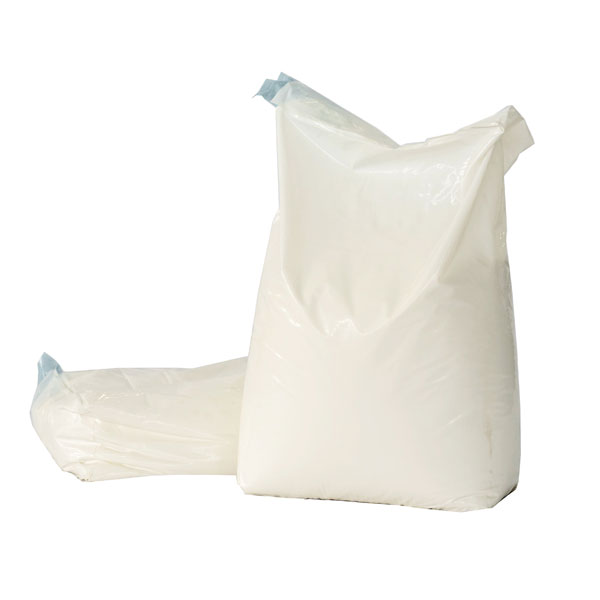
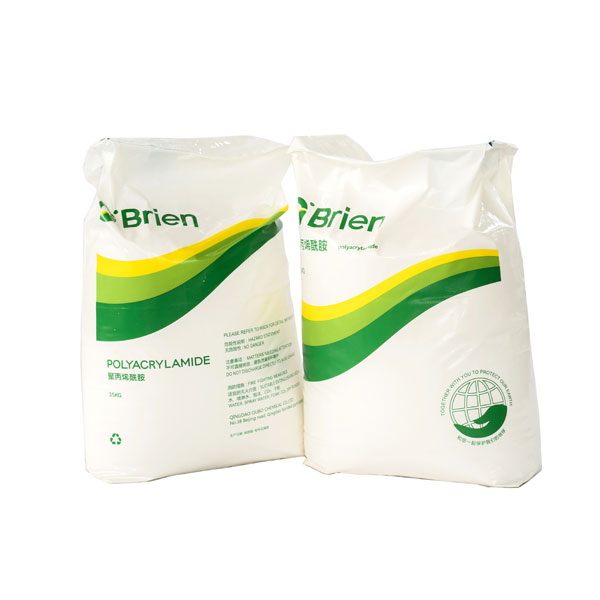
Blank-bag packaging
Blank-Bag Packaging
Normal-bag packaging
Normal-Bag (25kg PE/Kraft)
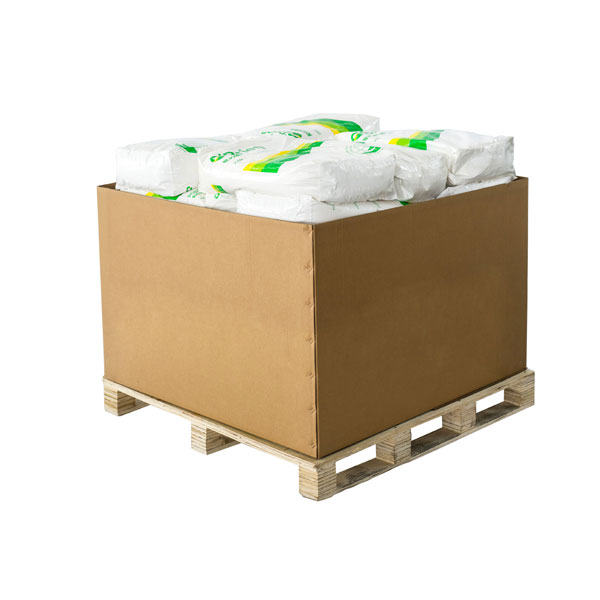
Bulk Package
Jumbo Bulk Bags (750kg)
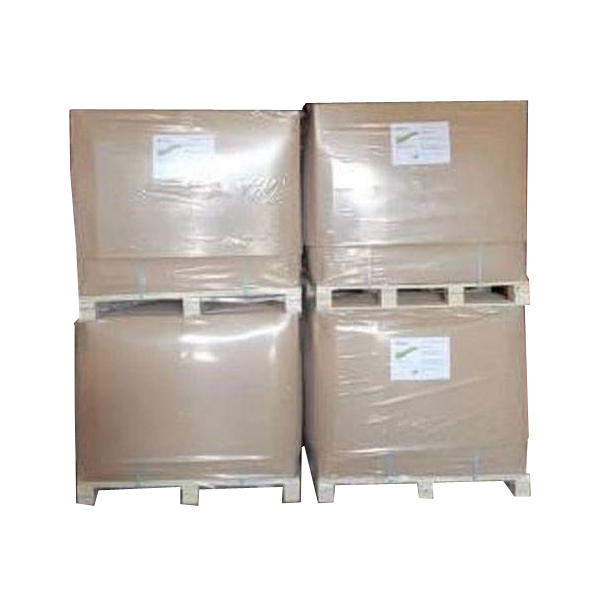
Palletized packaging
Fumigated Pallet Wrapping
Global Logistics & Compliance Assurance: Located adjacent to the Qingdao Port container terminal, Oubo Chemical facilitates rapid sea-freight dispatch with complete REACH compliance, SDS safety documentation, FDA 176.170 pulp and paper contact certifications, and customized OEM white-label bagging options for global chemical distributors.

Comprehensive Industrial Applications of Oubo PAM

Versatile polymer science extending far beyond papermaking to meet heavy industrial demands worldwide.
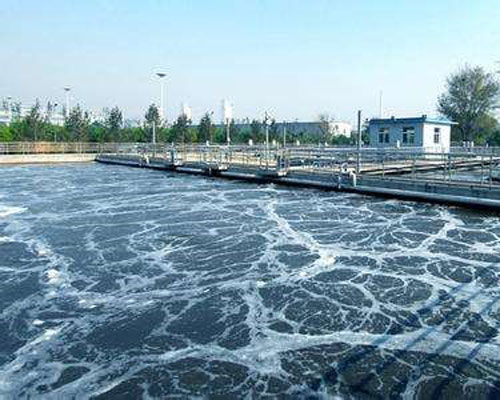
Municipal Water Treatment

Municipal & Industrial Wastewater

Accelerates solid-liquid phase separation in leather, citric acid, pharmaceutical, and municipal sewage plants.
Oil & Gas Extraction

Oilfield & Gas Extraction

Used in Enhanced Oil Recovery (EOR), profile control, shale stabilization, drag reduction, and hydraulic fracturing fluids.
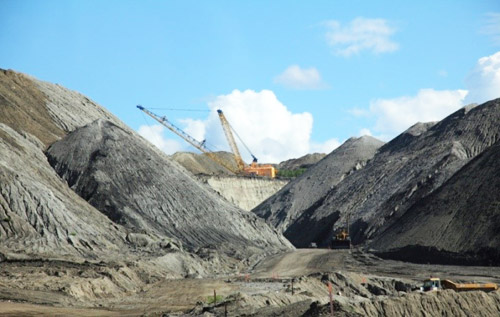
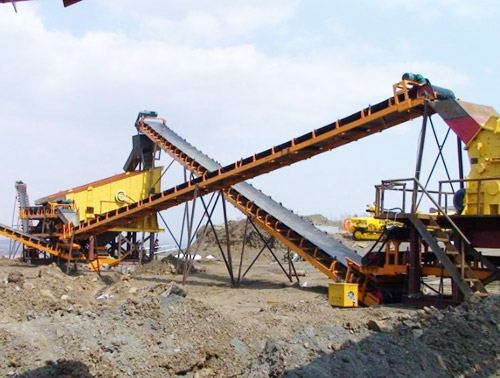
Mining & Mineral Processing

Mining & Ore Processing

Flocculants for coal washing, tailings dewatering, and hydrometallurgical separation of gold, copper, iron, and nickel.
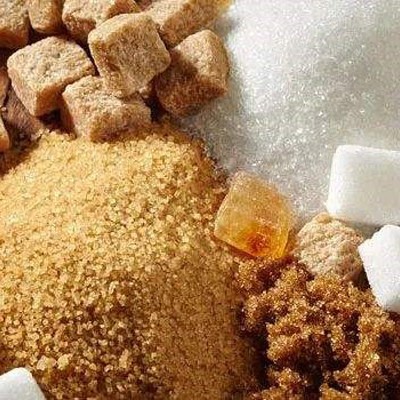
Sugar Refining Industry

Sugar Refining Industry

High-purity food-grade flocculant formulations for juice clarification, floatation, and syrup filtration.
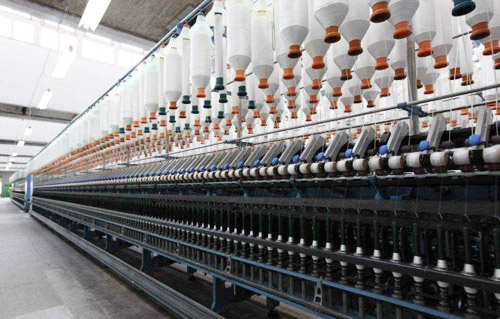
Textile & Dyeing Industry

Textile & Dyeing Industry

Functions as textile sizing agents, fabric finishing agents, and color-decoloring flocculants for dye house effluent.
Pulp & Paper Secondary Loops

Pulping & De-inking

Protects fiber integrity during de-inking flotation while separating ink particles and micro-plastics effectively.

Frequently Asked Questions (FAQ)

Technical and procurement guidance for optimizing Polyacrylamide selection in industrial papermaking.

What is the recommended dosage of CPAM for retention aid in paper mills?
Dosage typically ranges between 0.15 kg and 0.5 kg of active polymer per metric ton of dry paper stock. Exact dosage depends on headbox shear rate, pulp conductivity, filler ratio, and wet-end charge balance. We recommend conducting lab jar tests and dynamic drainage jar (DDJ) trials for optimization.
How does Oubo's bio-acrylamide process differ from conventional chemical synthesis?
Our patented biological method uses biotransformation via enzymatic catalysts to convert acrylonitrile into acrylamide monomer. This process yields zero copper residue, lower unreacted monomer content, higher polymer purity, and cleaner chain architecture, ensuring superior solubility and flocking energy.
Can Anionic Polyacrylamide (APAM) and Cationic Polyacrylamide (CPAM) be mixed directly?
No. Direct dry or concentrated liquid mixing of APAM and CPAM will cause immediate charge complexation and precipitation. In dual-polymer systems, they must be added at separate dosing locations along the stock pipeline to allow proper fiber interaction time.
What are the ideal dissolution conditions for dry powder Polyacrylamide?
PAM dry powder should be dissolved in clean water at a concentration of 0.1% to 0.3% (w/v). Agitation speed should be maintained between 200-400 RPM to avoid mechanical chain degradation. Aging time of 45-60 minutes is required for complete molecular coil extension before feeding.
What is the shelf life of Oubo Polyacrylamide products?
Dry powder PAM products have a shelf life of 24 months when stored in original, unopened packaging in a cool, dry, ventilated environment away from direct sunlight and humidity. Aqueous solutions should be consumed within 24-48 hours.
Does Oubo provide technical pre-sales and field application support?
Yes. Our dedicated technical engineering team assists customers through pre-sales lab testing, polymer selection, plant trial supervision, and post-sales optimization to ensure maximum cost-performance ratio in your mill operations.

Explore Complete Polyacrylamide Range

Select specialized polymer grades for industrial wastewater, mineral processing, oilfield fluids, and papermaking applications.
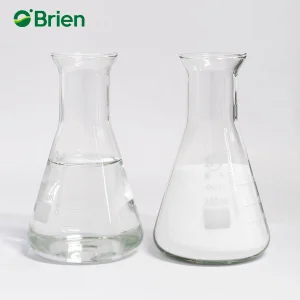
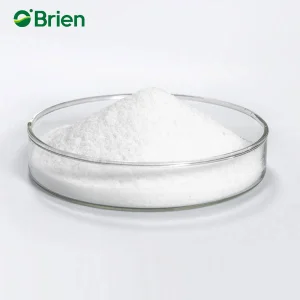
Wholesale Anionic Polyacrylamide Powder Flocculant
Wholesale Anionic Polyacrylamide Powder Flocculant for Food Processing & Sugar Refining
View Product Details
China Cationic Polyacrylamide Supplier
China Cationic Polyacrylamide Manufacturer, Supplier
View Product Details
Cationic Polyacrylamide Flocculant for Textile Wastewater
Wholesale Cationic Polyacrylamide (CAS 9003-05-8) Flocculant for Textile Wastewater
View Product Details
Wholesale Cationic Polyacrylamide Powder
Wholesale Cationic Polyacrylamide Powder for Municipal & Industrial Wastewater
View Product Details
China Nonionic Polyacrylamide Flocculant Acidic Wastewater
China Nonionic Polyacrylamide Flocculant for Acidic Industrial Wastewater Treatment
View Product Details
Wholesale Anionic Polyacrylamide Suppliers
Wholesale Anionic Polyacrylamide Manufacturers, Supplier
View Product Details
Wholesale High Molecular Weight Anionic Polyacrylamide
Wholesale High Molecular Weight Anionic Polyacrylamide for Petrochemical & Metallurgical
View Product Details
Wholesale Nonionic Polyacrylamide NPAM Mineral Processing
Wholesale Nonionic Polyacrylamide (NPAM) for Mineral Processing & Metallurgical Ore
View Product Details