Explore our core industrial product formulations specifically synthesized for pulp and paper processing wet-end chemistry, wastewater flocculation, and industrial sludge dewatering.
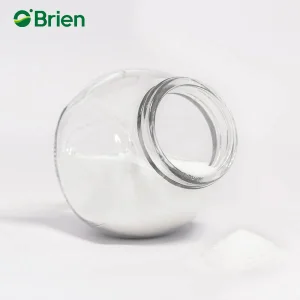
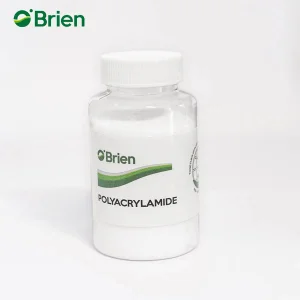
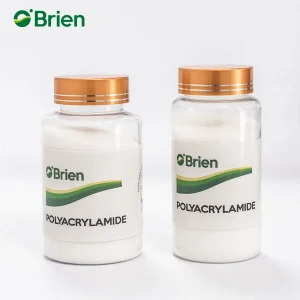
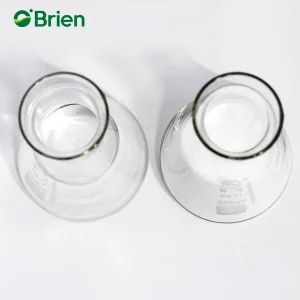
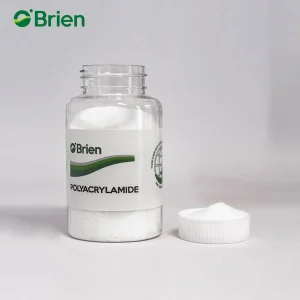
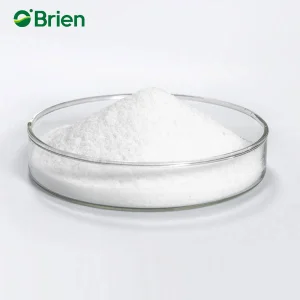
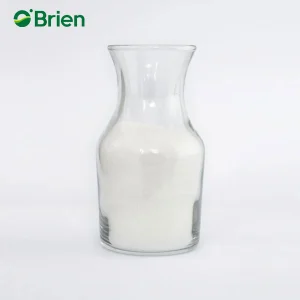
The global pulp and paper industry is undergoing a structural transition driven by resource conservation, closed-loop water circuit recycling, increased filler content, and high-speed paper machines running upwards of 1,500 m/min. In this high-shear, chemically complex environment, wholesale polyacrylamide (PAM) functions not merely as an additive, but as the foundational chemical infrastructure for wet-end performance, fiber retention, sheet formation, and effluent discharge compliance.
Paper chemical engineers face an intricate balancing act: maximizing sheet strength and opacity using cost-effective calcium carbonate ($CaCO_3$) or clay fillers while maintaining high drainage rates, minimal steam consumption in the dryer section, and low chemical oxygen demand (COD) in process white water. Synthetic polyacrylamide water-soluble polymers—categorized by charge into Cationic Polyacrylamide (CPAM), Anionic Polyacrylamide (APAM), and Nonionic Polyacrylamide (NPAM)—provide precise molecular control over these variables.
Recycled pulp (OCC, DIP) contains elevated levels of dissolved anionic trash (Lignosulfonates, hemicellulose, pitch, and stickies). Low molecular weight, high cationic charge polymers or cationic polyacrylamides neutralize these interfering substances, preserving wet-end chemical efficiency and preventing machine deposits.
High molecular weight CPAM bridges fine fibers, pigments, and fillers onto the long fiber backbone. This bridging mechanism accelerates sheet formation, speeds up wire-section dewatering, and reduces vacuum pump energy requirements, translating into lower steam usage per ton of paper produced.
Anionic and Cationic PAM variants act as dry strength additives by generating dense hydrogen bonding networks between cellulose fibers. This boosts burst indices, Ring Crush Test (RCT) values, and tensile strength in containerboard, linerboard, and specialty tissue papers without requiring additional virgin fiber.
Polyacrylamide is a linear synthetic polymer synthesized via free-radical polymerization of acrylamide monomers ($CH_2=CH-CONH_2$). By copolymerizing acrylamide with functional ionic monomers—such as acryloyloxyethyltrimethyl ammonium chloride (DAC) for cationic charge, or acrylic acid (AA) for anionic charge—tailored molecular configurations are achieved.
PAM powder must be hydrated in water (0.1% - 0.3% concentration) using low-shear mixing to unpack the polymer chains without mechanical degradation. Polymer coil expansion governs flocculation efficiency.
Positively charged quaternary ammonium groups on CPAM rapidly adsorb onto negatively charged cellulose fiber walls, forming distinct electrostatic charge patches and neutralizing colloidal repulsion.
Ultra-long polymer chains extend beyond the electrical double layer of particles, physically binding adjacent fines and fillers into tight micro-flocs capable of surviving high-shear headbox passings.
Free water passes effortlessly through the open floc structure on the wire table. Subsequent pressing and thermal drying collapse the polymer matrix, forming durable inter-fiber covalent and ionic bonds.
| Polymer Class | Charge Density (%) | Molecular Weight (Million) | Primary Papermaking Application | Key Industrial Benefit |
|---|---|---|---|---|
| Cationic PAM (CPAM) | 10% - 60% (Low to High) | 8.0 - 15.0 | Retention Aid, Drainage Aid, Sludge Dewatering | Increases first-pass retention, speeds wire dewatering, reduces furnish cost |
| Anionic PAM (APAM) | 5% - 40% (Medium to High) | 12.0 - 22.0 | Dry Strength Agent, White Water Clarification | Enhances tensile/burst strength, clarifies process water for reuse |
| Nonionic PAM (NPAM) | < 3% (Neutral) | 6.0 - 12.0 | Acidic Paper Wet-End, Mineral Slurry Filtration | Resistant to high salinity/acidic pH, ideal for specialized pulps |
| Amphoteric PAM | Dual Charge Profile | 5.0 - 10.0 | High-Recycled Furnish Strength Agent | Operates across fluctuating charge systems and high conductivity water |
Established in 2011 and located in the Free Trade Zone of Qingdao, China, Qingdao Oubo Chemical Co., Ltd. is a globally recognized manufacturer and exporter of high-grade Polyacrylamide. Operating with a strict quality control framework, Oubo has maintained a steady year-over-year business growth rate of 10% for over a decade, backed by an annual production capacity that surpassed 50,000 Metric Tons.
Our commitment to excellence is grounded in scientific innovation and environmental stewardship. Utilizing patented biological enzymatic synthesis pathways to produce high-purity acrylamide monomer, we eliminate toxic by-products like nitrilotripropanamide, resulting in cleaner, higher-molecular-weight polymers with superior water solubility.
All core raw materials are sourced directly from top-tier chemical conglomerates including SINOPEC and Eni. Our fully automated, computer-controlled polymerization lines guarantee batch-to-batch consistency and complete chemical traceability.
Certified under ISO 9001:2008, every single production batch undergoes rigorous 3-stage testing by our dedicated Quality Control team prior to dispatch: monomer purity, molecular weight distribution, and dissolution rate verification.
Our dedicated polymer engineers assist wholesale partners across pre-sales slurry analysis, chemical dosage optimization, field trial evaluations, and custom product tailored specifically for client mill parameters.
While polyacrylamide serves as a primary performance chemical for paper mills, Oubo Chemical’s synthesized PAM formulations provide superior solid-liquid separation and viscosity control across diverse global industries:
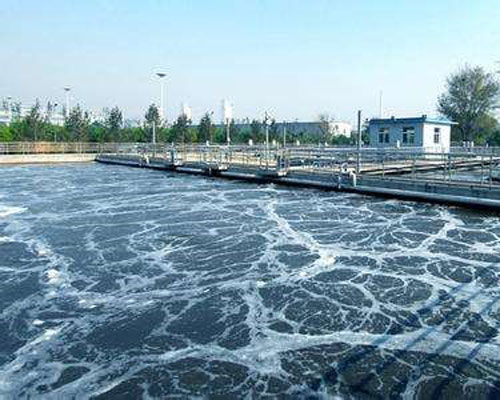
Serves as a primary coagulant aid and flocculant for municipal sewage treatment, industrial effluent clarification, sludge thickening, and belt-filter or centrifuge dewatering. Efficient across leather, citric acid, pharmaceutical, and municipal processing facilities.
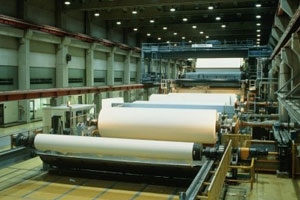
Acts as retention aids, drainage accelerators, dry/wet strength agents, anionic garbage scavengers, and fiber dispersants. Essential for deinking white water recovery, reducing fine loss, and boosting paper machine speeds.
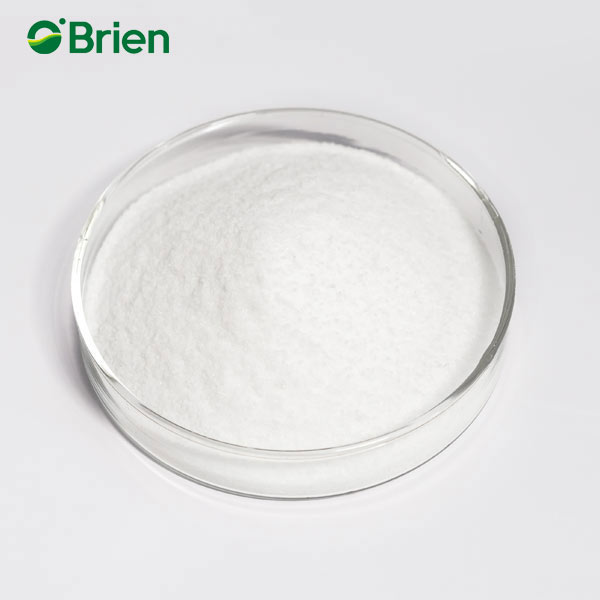
Widely utilized in Enhanced Oil Recovery (EOR) as mobility control polymer floodings, profile modification agents, friction reducers for hydraulic fracturing fluids, shale inhibitors, and drilling mud fluid-loss additives.
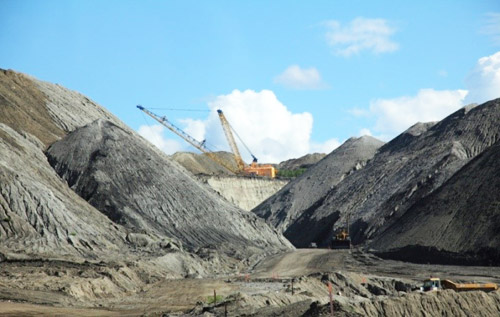
Accelerates solid-liquid sedimentation in coal washing, mineral tailings treatment, thickener overflow clarification, and vacuum filtration recovery of precious metals including Gold, Silver, Copper, Iron, and Nickel.
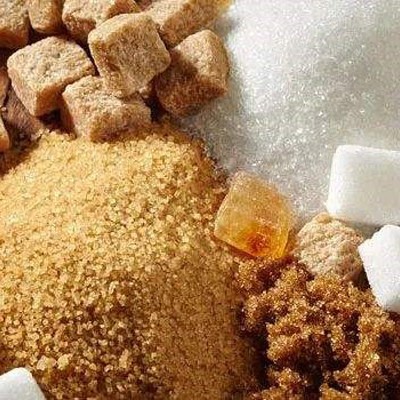
High-purity non-toxic flocculants applied in sugar cane and sugar beet juice clarification, syrup filtration, and wastewater settlement within food processing plants.
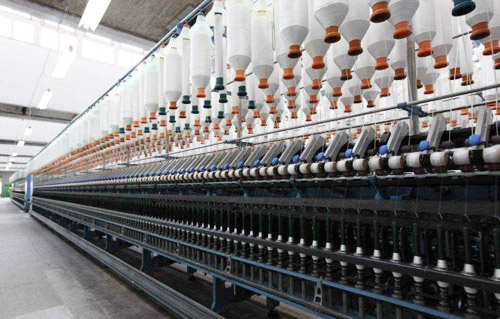
Utilized as a textile sizing agent, fabric finishing enhancer, anti-static agent, and primary flocculant for decolorizing and removing heavy organic loads from textile dyeing effluent.
Oubo Chemical provides flexible, highly protective packaging configurations designed to safeguard dry powder PAM against humidity and physical degradation during international maritime transport.
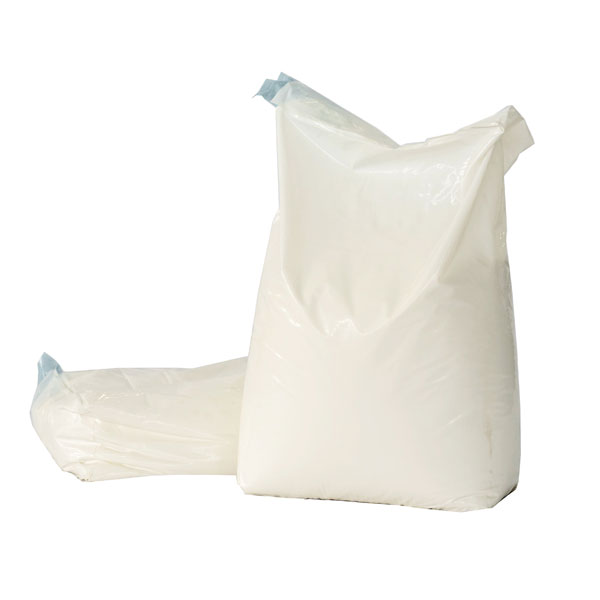
25kg kraft paper or PE bags with inner plastic lining. Ideal for private-label distributors and OEM importers.
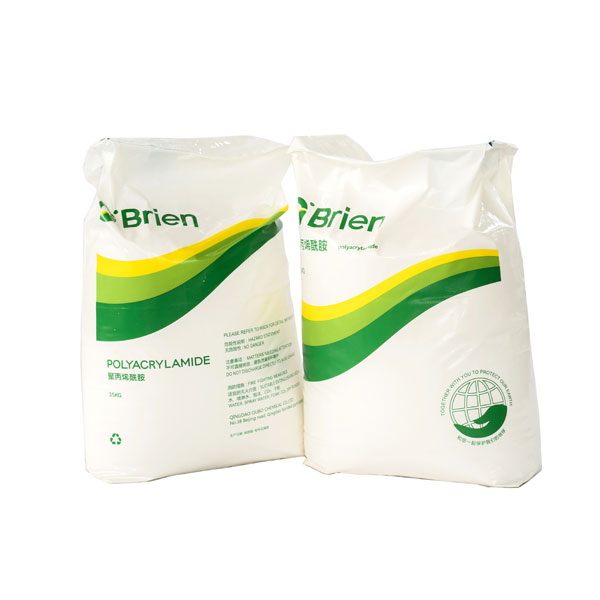
High-strength multi-wall printed bags displaying complete chemical specs, lot numbers, and safety handling guides.
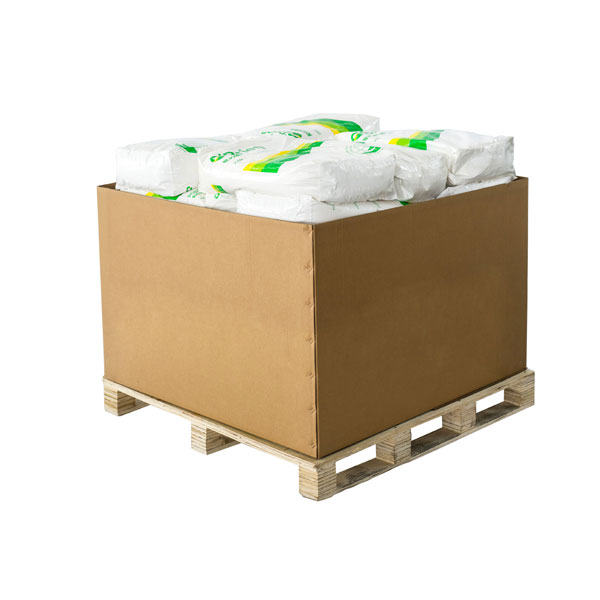
750kg – 1000kg bulk FIBC bags designed for direct dosing into continuous chemical dissolution systems in large paper mills.
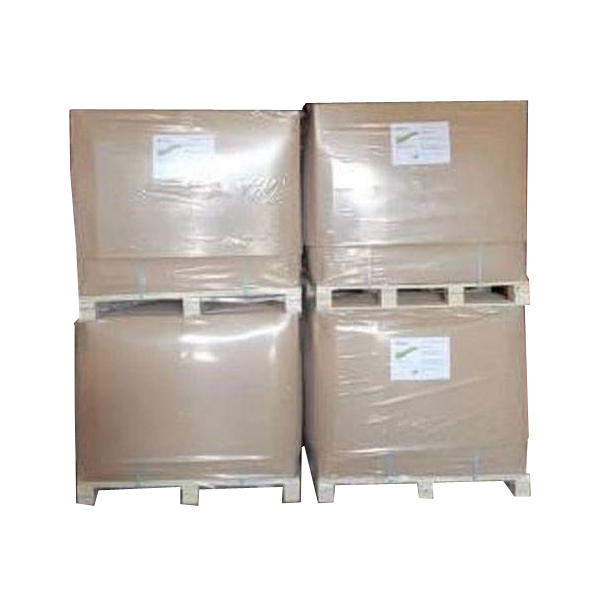
Fumigated wooden or plastic pallets shrink-wrapped with protective film to ensure zero shift during ocean freight container transit.
Browse our complete catalog of ionic and non-ionic polyacrylamide grades available for wholesale global distribution and custom OEM formulation.
 Oubo Chemical