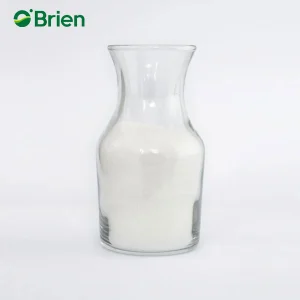
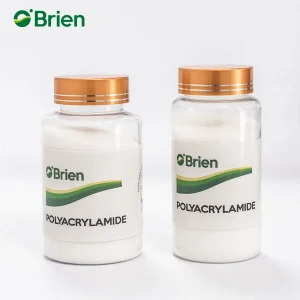
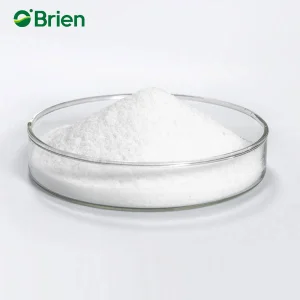
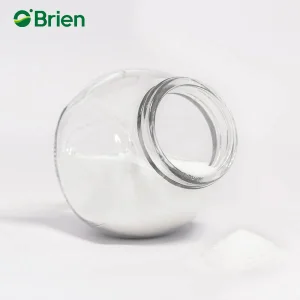
Wholesale Polyacrylamide For Industrial Watertreatment Manufacturers & Suppliers

Next-Generation Bio-Synthesized Polyacrylamide (PAM) Solutions for Global Industrial Effluent, Municipal Wastewater, Enhanced Oil Recovery, & Mining Operations.

Featured Industrial Polyacrylamide Products

Explore our flagship high-performance PAM formulations synthesized for municipal and industrial water clarification.
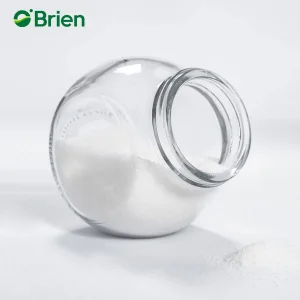
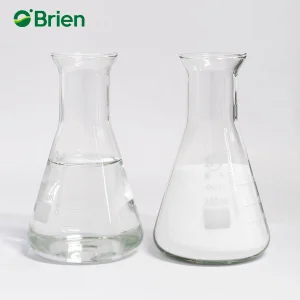
China PAM Anionic Polyacrylamide Dry & Wet Strength Agent

China PAM Anionic Polyacrylamide Dry & Wet Strength Agent for Paper Industry

View Product Specs
Wholesale Anionic Polyacrylamide

Wholesale Anionic Polyacrylamide (APAM) Bulk Supply

View Product Specs
China Nonionic Polyacrylamide Thickener

Nonionic Polyacrylamide (NPAM) Thickener for Oilfield Drilling Fluid

View Product Specs
Wholesale Cationic Polyacrylamide CPAM

Cationic Polyacrylamide (CPAM) for Sludge Dewatering & Flocculation

View Product Specs
China Cationic Polyacrylamide Manufacturer

High Charge Density Cationic Polyacrylamide Polymer Granules

View Product Specs
China Nonionic Polyacrylamide Flocculant

Nonionic Polyacrylamide Flocculant for Acidic Industrial Wastewater

View Product Specs
High Molecular Weight APAM

High Molecular Weight Anionic Polyacrylamide for Petrochemical Effluent

View Product Specs
Cationic Polyacrylamide Paper Making

Cationic Polyacrylamide Retention & Drainage Aid for Paper Mills

View Product Specs
50,000+
Metric Tons Annual Capacity
€200M
Cumulative R&D Investment
ISO 9001
Certified Management System
10%+
Annual Business Growth

Industrial Water Treatment Whitepaper: Advanced Polyacrylamide Chemistry & Solutions

A comprehensive technical analysis of Polyacrylamide (PAM) synthesis, chemical kinetics, and global supply architecture by Qingdao Oubo Chemical Co., Ltd.

About Qingdao Oubo Chemical Co., Ltd (O'Brien Brand)

Established in 2011 within the Qingdao Free Trade Zone, China, Qingdao Oubo Chemical Co., Ltd stands as a premier global pioneer in water-soluble polymer manufacturing. Utilizing patented biological monomer polymerization methods, Oubo maintains a comprehensive Quality Control (QC) matrix ensuring an uninterrupted annual production capacity exceeding 50,000 metric tons. Certified under ISO9001:2008 and ISO9001:2015, Oubo integrates eco-friendly green production protocols with raw material strategic partnerships (including SINOPEC and Eni) to deliver flawless chemical stability to municipal, industrial, oilfield, and mining clients globally.

1. Macromolecular Chemistry & Physical Form Classifications

Polyacrylamide (PAM) (CAS Registry Number 9003-05-8) is a synthetic, water-soluble linear resin formed through the free-radical polymerization of acrylamide monomers. Depending on the targeted industrial application, PAM exhibits diverse molecular weights—ranging from ultra-low (1–3 million Daltons) up to hyper-high molecular weight architectures (over 25 million Daltons)—and tailored ionicity profiles. PAM functions primarily through charge neutralization, polymer bridging, and hydrogen bonding to achieve solid-liquid separation, rheology modification, and hydrodynamic friction reduction.

Chemical variants synthesized at our automated facilities include:

  • Anionic Polyacrylamide (APAM): Hydrolyzed copolymer of acrylamide and acrylic acid, possessing negative functional carboxylate groups (-COO⁻). APAM excels in neutral-to-alkaline suspensions rich in inorganic particulate matter such as sand, silt, clays, and metallic oxides.
  • Cationic Polyacrylamide (CPAM): Synthesized via copolymerization of acrylamide with cationic monomers such as DAC (Dimethylaminoethyl Acrylate Methyl Chloride) or DMC. CPAM bears positive quaternary ammonium sites, ideal for neutralizing negatively charged organic colloidal matter, industrial sludge, and biological municipal sludge.
  • Nonionic Polyacrylamide (NPAM): Pure homopolymer of acrylamide containing neutral amide groups (-CONH₂). NPAM operates effectively under highly acidic conditions or complex brine solutions where ionic polymers lose charge activity due to screening effects.
  • Mannich Polyacrylamide & Amphoteric PAM: Tailored polyampholytes featuring dual cationic and anionic backbones, engineered for extreme broad-spectrum pH industrial effluents.

2. China Factory 4.0: Automated Manufacturing & Supply Chain Resilience

Located strategically inside the Qingdao Free Trade Zone, Oubo Chemical operates state-of-the-art biological synthesis lines. Unlike traditional chemical monomer synthesis, our patented bio-catalytic monomer extraction method relies on enzymatic conversion of acrylonitrile to acrylamide. This biological pathway yields higher monomer purity (>99.9%), eliminates toxic copper ion catalysts, and preserves low trace residual monomer levels (<0.05%), ensuring enhanced compliance with stringent drinking water standards (NSF/ANSI Standard 60).

Our Quality Assurance Framework incorporates a 3-tier pre-shipment laboratory analysis protocol:

  • Viscosity & Dissolution Rate Testing: Verification of Brookfield apparent viscosity, intrinsic viscosity (IV), and complete dissolution within 45–60 minutes under standard agitating conditions.
  • Charge Density & Ionic Degree Titration: Colloidal titration using standard PVSK solutions to certify precise cationic or anionic mole percentage.
  • Residual Monomer Gas Chromatography: High-precision GC checking to guarantee safe limits for municipal potable water treatment applications.

3. Macro Industry Solutions & Application Engineering

Oubo Chemical's polymer solutions cater directly to six primary heavy industrial sectors:
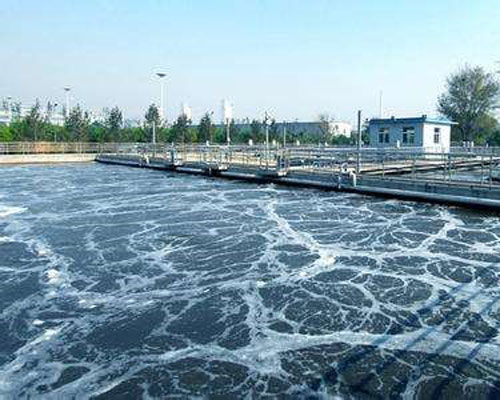
Water Treatment Industry

Wastewater & Sludge Dewatering

Accelerates floc sedimentation in primary clarifiers and maximizes cake dryness in belt filter presses, decanter centrifuges, and multi-disk screw presses. Drastically reduces cake haulage costs.
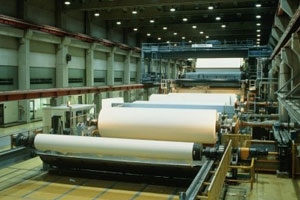
Paper & Pulp Industry

Pulp & Paper Manufacturing

Serves as high-efficiency retention aids, drainage accelerators, anionic trash catchers, and wet/dry strength enhancers. Improves sheet formation and reduces fiber loss in white water treatment.
Oilfield Industry

Oilfield & EOR Exploration

Utilized as profile modification agents, slickwater hydraulic fracturing friction reducers, shale inhibitors, and polymer flooding agents for Enhanced Oil Recovery (EOR).

Mining Industry

Mineral Processing & Tailings

Provides rapid settling rates and clear overflow liquids in gold, copper, iron, alumina, and coal washing tailings thickeners. Enhances zero liquid discharge (ZLD) closed-loop recycling.
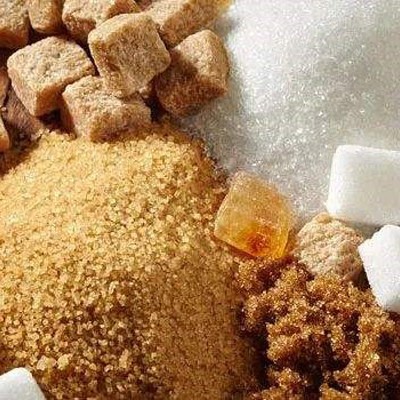
Sugar Industry

Sugar Refining & Clarification

Food-grade APAM polymers tailored for juice clarification and syrup flotation in sugarcane and sugar beet processing plants, boosting clarity and sucrose yields.
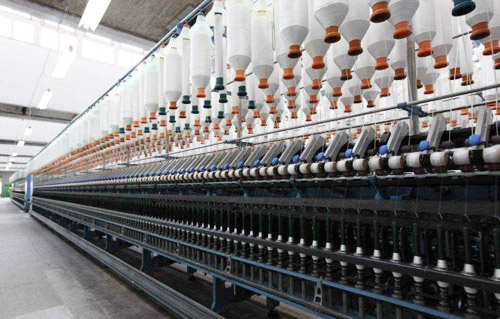
Textile Industry

Textile Sizing & Effluent Decolorization

Acts as warp sizing agent to increase tensile strength during weaving, and functions as primary coagulant/flocculant for complex dyeing effluent decolorization and COD reduction.

4. Technical Roadmap & Future Outlook

As global environmental regulations intensify under stringent zero-discharge standards, the industrial water treatment sector is shifting towards micro-dosing and high-efficiency bio-polymers. Oubo Chemical’s technical roadmap centers on three foundational innovations:

  • Bio-Based Eco-PAM Synthesis: Researching partially bio-derived monomers to increase environmental degradability without compromising shear stability or flocculation kinetics in open aquatic ecosystems.
  • Shear-Resistant Ultra-High Molecular Weight (UHMW) Polymers: Polymer chains designed with branched topology that resist molecular chain cleavage under high-shear pumping environments in deep oil wells and centrifugal dewatering centrifuges.
  • AI & IoT Smart Dosing Systems Integration: Partnering with industrial system integrators to couple streaming zeta-potential feedback sensors with automated dry-powder preparation units, optimizing real-time polymer consumption by 15–30%.

5. Global Procurement & Supply Chain Customization

Oubo Chemical provides versatile bulk packaging configurations tailored to withstand harsh ocean transport environments, preventing premature hydration and caking during transit:
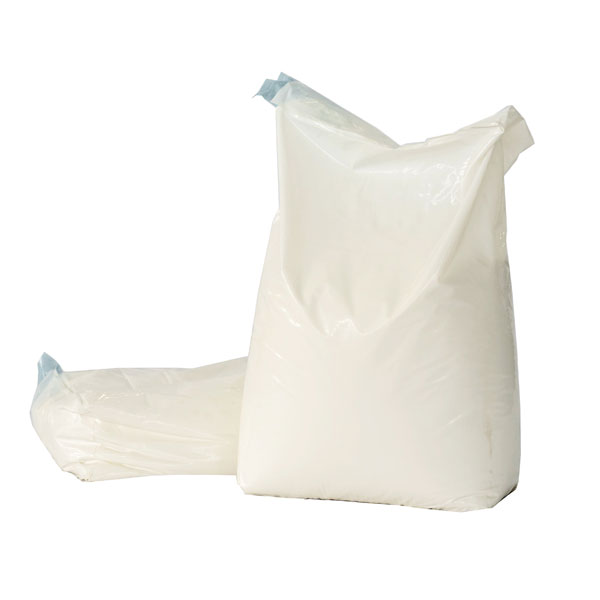
Blank-bag packaging

Neutral / Blank Packaging

Unbranded 25kg multi-wall kraft paper bags or PE inner lined woven bags, perfect for local distributors and OEM re-labeling.
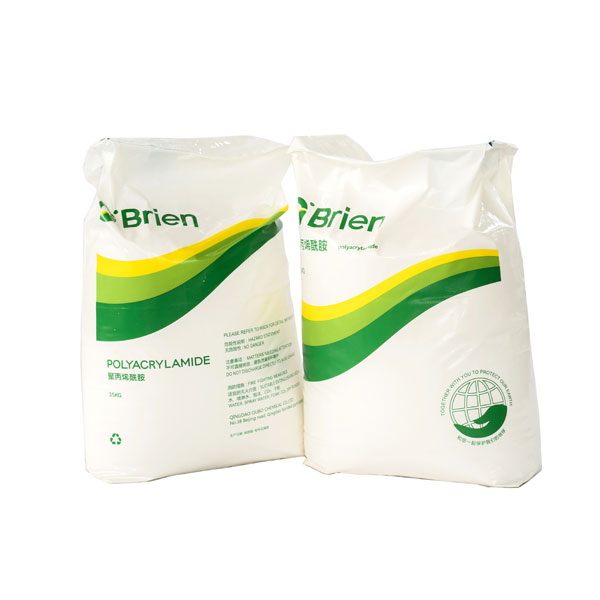
Normal-bag packaging

Standardized Brand Packaging

O'Brien standard 25kg bags with clear chemical classification, batch identification, lot tracking numbers, and MSDS/GHS markings.
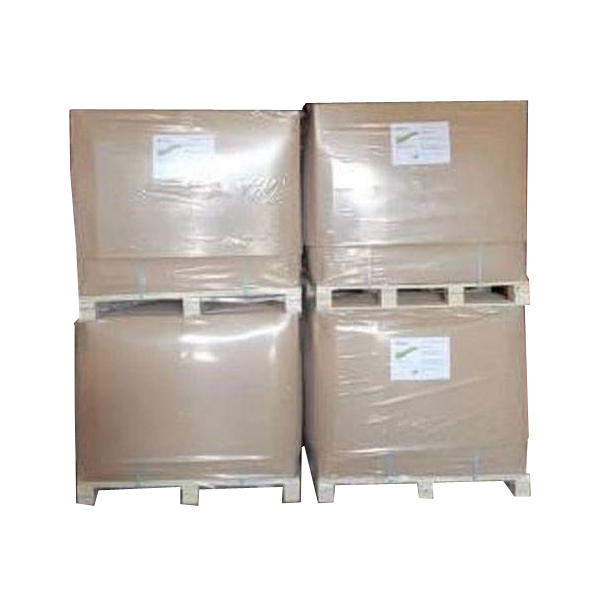
Pallet Packaging

Palletized Jumbo Bag Systems

750kg and 1000kg bulk super sacks securely shrink-wrapped on ISPM-15 heat-treated wooden or plastic pallets for high-volume automated operations.

6. EHS, ISO Certification & Localization Support

With products exported to over 40 countries across Europe, North America, Southeast Asia, and the Middle East, Oubo Chemical provides comprehensive regional compliance dossier support. We deliver full REACH registration compliance for European ports, NSF/ANSI Standard 60 certification for drinking water treatment chemicals, alongside complete Safety Data Sheets (SDS) in multiple languages. Our technical field engineers offer benchtop jar testing, polymer selection trials, and plant dosage optimization onsite to guarantee minimum total cost of operation (TCO) for end-users.

Why Global Enterprises Partner With OuBo Chemical

Proven technical excellence, rigorous global supply integration, and unmatched manufacturing integrity.

Patented Biological Production

Qingdao OUBO Chemical Co., Ltd leads world polymer manufacturing by employing patented enzymatic bio-catalysis pathways. We invest €200 million cumulatively in R&D to continuously push polymer molecular boundaries and charge control accuracy.

Uncompromised Quality Assurance

Integrated global supply chain with top-tier raw materials secured directly from Sinopec and Eni. Automated closed-loop production lines certified by ISO9001, where every single batch undergoes 3-stage QC testing prior to shipment authorization.

Specialized Industrial Efficiency

Over 12 years of specialized polyacrylamide synthesis experience delivering maximum active content at highly competitive factory-direct pricing. Our engineering team assists with chemical screening, jar testing, and process fine-tuning.

End-to-End Technical Support

Our senior technical personnel collaborate directly in pre-sales analysis, pilot trials, sales logistics, and post-sales process adjustment, taking total ownership of your water clarity performance.

Frequently Asked Technical Questions (FAQ)

Expert insights regarding Polyacrylamide selection, dissolution procedures, and dosage calculation.

Q1: How do I correctly select between Anionic (APAM) and Cationic (CPAM) Polyacrylamide?
Selection depends primarily on the surface charge of suspended solids in your wastewater. Inorganic particles (such as quartz sand, clay, mineral tailings, and metal oxides) generally exhibit positive or neutral surface potentials in alkaline water, making Anionic Polyacrylamide (APAM) optimal due to charge bridging. Conversely, biological sludge from municipal sewage plants or organic waste from food processing features strongly negative cell wall charges, requiring Cationic Polyacrylamide (CPAM) for electro-neutralization and rapid dewatering.
Q2: What is the optimal stock solution concentration and dissolution procedure for dry PAM powder?
Standard PAM powder should be dissolved to a concentration of 0.1% to 0.3% (w/v) using clean, soft water (temperature < 40°C). The dry powder must be slowly and evenly scattered into the vortex of a well-agitated vessel to prevent "fish-eye" agglomerations. Agitation should be maintained at a gentle 200–400 RPM for 45 to 60 minutes. Excessive shear speeds (>800 RPM) will break down the long polymer backbones, resulting in lower viscosity and reduced performance.
Q3: What is the typical shelf life of dry PAM granules vs. prepared liquid solutions?
Dry Polyacrylamide granules packaged in intact moisture-sealed bags retain their full chemical efficacy for up to 24 months when stored in a cool, dry, well-ventilated warehouse. However, once dissolved in water, prepared PAM solutions undergo hydrolytic chain degradation over time: Anionic PAM solutions remain stable for 7 to 10 days, while Cationic PAM solutions degrade faster and should ideally be consumed within 24 to 48 hours.
Q4: Why does Oubo Chemical's bio-monomer synthesis yield superior results over traditional chemical synthesis?
Our bio-catalytic enzyme method produces acrylamide monomer at exceptionally high purity (>99.9%) without using copper catalysts or concentrated nitric acid. This results in PAM polymers with significantly higher linear chain continuity, ultra-high molecular weight capacity (up to 25M Daltons), highly consistent charge density distribution, and lower residual monomer toxicity (<0.05%), ensuring safe application in drinking water clarification.
Q5: How does water salinity and hardness affect Polyacrylamide performance?
High concentrations of multivalent cations (such as Ca²⁺ and Mg²⁺) in hard water can screen the negative charges along the Anionic PAM chain, causing it to coil tightly and lower its hydrodynamic radius. In high-salinity industrial effluents or seawater applications, specialized high-degree hydrolysis APAM or Nonionic Polyacrylamide (NPAM) should be utilized to resist salt-induced chain collapse.

Complete Wholesale Polyacrylamide Catalog

Browse additional specialized polymer grades for food refining, mining tailings, municipal sewage, and textile dyeing.
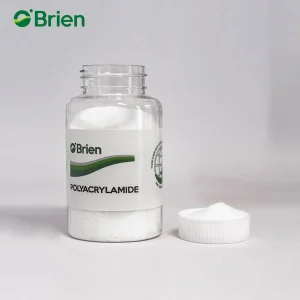
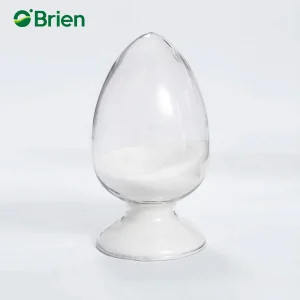
Wholesale Anionic Polyacrylamide Powder Flocculant

Wholesale APAM Powder Flocculant for Food & Sugar Refining Wastewater

View Product Specs
Wholesale PAM Anionic Polyacrylamide

Wholesale PAM Anionic Polyacrylamide Manufacturer Bulk Supply

View Product Specs
NPAM for Mineral Processing

Nonionic Polyacrylamide (NPAM) for Mineral Processing & Ore Dressing

View Product Specs
Wholesale Cationic Polyacrylamide Powder

Cationic Polyacrylamide Powder for Municipal & Industrial Sewage

View Product Specs
Anionic Polyacrylamide APAM Sewage

Anionic Polyacrylamide (APAM) for Municipal Sewage Dewatering

View Product Specs
High MW Nonionic Polyacrylamide Coal Washing

High MW Nonionic Polyacrylamide for Coal Washing & Tailings Dewatering

View Product Specs
CPAM Flocculant for Textile Wastewater

Cationic Polyacrylamide (CAS 9003-05-8) for Textile Wastewater

View Product Specs
China Nonionic Polyacrylamide Suppliers

China Nonionic Polyacrylamide (NPAM) Industrial Grade Polymer Supplier

View Product Specs