Explore our precision-engineered Cationic, Anionic, and Nonionic PAM formulations synthesized for ultra-high performance across water treatment, paper production, mining, and oilfield operations.
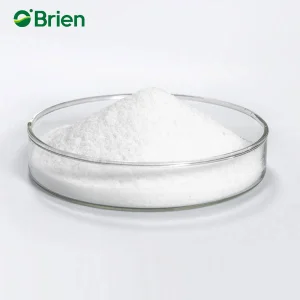
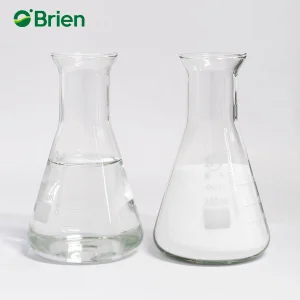
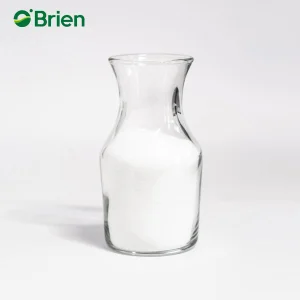
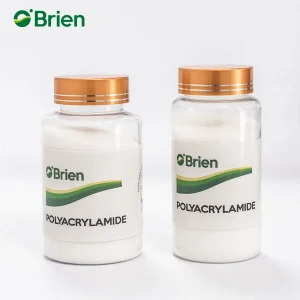
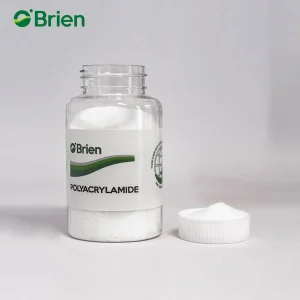
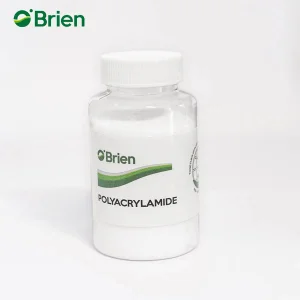
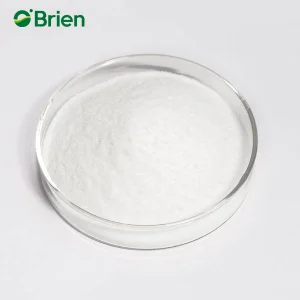
Polyacrylamide (chemical formula (C3H5NO)n, CAS No. 9003-05-8) represents one of the most chemically versatile water-soluble synthetic polymers in modern industrial manufacturing. Prepared via the polymerization of acrylamide monomers, Polyacrylamide complexes exist as linear macromolecular chains designed to modify fluid rheology, facilitate solid-liquid phase separation, and neutralize colloidal charges across complex aqueous systems.
To achieve strategic sourcing efficiency, global chemical procurement directors must analyze polyacrylamide complexes through three core physicochemical parameters: Molecular Weight (MW), Charge Density / Ionic Type, and the chemical synthesis route (enzymatic biological polymerization vs. conventional thermal chemical methods).
Synthesized by copolymerizing acrylamide with cationic monomers such as DAC (Acryloyloxyethyltrimethyl ammonium chloride) or DMC (Methacryloyloxyethyltrimethyl ammonium chloride). CPAM carries positive charge centers along its polymer chain, making it extraordinarily effective at neutralizing negatively charged organic colloids in municipal sludge dewatering and paper wet-end systems.
Produced via the hydrolysis of polyacrylamide or copolymerization with acrylic acid monomers. APAM exhibits negatively charged carboxylate groups along its backbone. With ultra-high molecular weights reaching up to 25 Million Daltons, APAM excels in bridging suspended inorganic particles in mineral tailing processing, metallurgical clarification, and enhanced oil recovery (EOR).
A homopolymer of pure acrylamide possessing minimal charge density. NPAM relies primarily on hydrogen bonding interactions between its amide side chains and solid particle surfaces. It provides superior flocculation efficiency in highly acidic or saline industrial effluents where charged polymers experience charge suppression or precipitation.
| Polymer Variant | Molecular Weight (Million Da) | Charge Density Range (%) | Primary Flocculation Mechanism | Key Industrial Benchmark |
|---|---|---|---|---|
| Cationic PAM (CPAM) | 5.0 – 14.0 | 10% – 80% (Cationicity) | Charge Neutralization & Sludge Dewatering | High organic solids, municipal sewage sludge |
| Anionic PAM (APAM) | 6.0 – 25.0 | 5% – 60% (Hydrolysis) | Polymer Bridging & Micro-flocculation | Inorganic suspensions, tailings, red mud |
| Nonionic PAM (NPAM) | 3.0 – 12.0 | 0% – 3% | Hydrogen Bonding adsorption | Acidic mineral leachates, high-salinity fluids |
| Amphoteric / Mannich PAM | 4.0 – 10.0 | Dual Cationic/Anionic Centers | ISO-electric Point Neutralization | Complex dye house wastewater, oily emulsions |
The global Polyacrylamide market is undergoing a structural shift driven by stringent global environmental governance (ESG), expanding Zero Liquid Discharge (ZLD) mandates, and rapid industrial growth in emerging economies. Enterprise buyers are pivoting away from low-efficiency chemical coagulants toward targeted macromolecular complexes capable of reducing chemical sludge volume and lowering total operational costs.
Industrial facilities across Europe, North America, and East Asia are legally required to recycle process water. Polyacrylamide complexes reduce chemical oxygen demand (COD), total suspended solids (TSS), and heavy metal complexes, allowing industrial water re-use efficiencies exceeding 92%.
As legacy oilfields mature, conventional water-flooding yields diminishing returns. Ultra-high molecular weight APAM complexes engineered for high-temperature, high-salinity (HTHS) reservoirs are now essential to control mobility ratios and boost crude oil recovery rates by an additional 10-15%.
With global energy transition driving lithium, copper, cobalt, and nickel extraction, mine tailings management faces immense pressure. Fast-dissolving nonionic and anionic PAM polymers enable rapid tailings thickener sedimentation, securing water recovery within closed-loop hydrometallurgical circuits.
Established in 2011 within the Qingdao Free Trade Zone, China, Oubo Chemical Co., Ltd (O'brien) represents the pinnacle of modern bio-catalytic polymer manufacturing. Combining strategic port logistics with integrated raw material supply lines, Oubo provides global B2B clients with unmatched supply stability, competitive pricing, and technological superiority.
Unlike traditional chemical synthesis which yields residual acrylamide monomer (AMD) impurities, Oubo utilizes modern biological enzymatic methods to convert acrylonitrile to acrylamide. This patented bio-route ensures high monomer purity, minimal toxic residuals (<0.05%), ultra-high molecular weights, and linear polymer structures with zero unwanted crosslinking.
Oubo maintains strategic raw material sourcing partnerships with global petrochemical leaders including SINOPEC and Eni. By securing continuous bulk feedstocks of acrylonitrile, our Qingdao smart factory operates with complete immune protection against global chemical raw material volatility.
Every production batch undergoes automated continuous monitoring followed by three independent quality control testing rounds prior to shipping: raw material assay, reactor polymerization viscosity tracking, and final dried powder mesh size/dissolution testing.
Polyacrylamide complexes function as essential performance additives across diverse industrial ecosystems. The selection of the precise polymer complex depends on process water pH, ionic strength, shear forces, and solid phase surface charge characteristics.
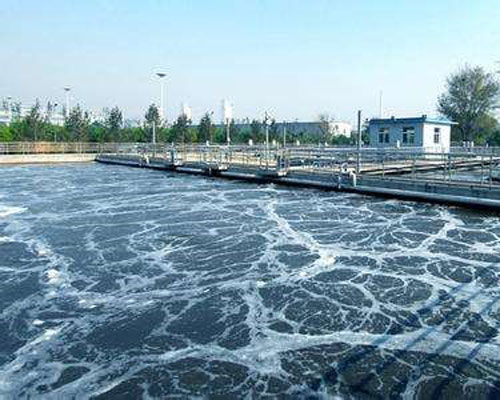
In municipal sewage plants and heavy industrial facilities (leather, pharmaceuticals, citric acid, dyeing), solid-liquid separation requires fast settling and low cake moisture.
Technical Operation: High molecular weight Cationic PAM complexes bind to organic sludge particles. When fed into decanter centrifuges, belt filter presses, or plate-and-frame filter presses, CPAM neutralizes surface charges, rapidly aggregating fine micro-flocs into macro-flocs. This releases free water, boosting sludge cake dryness to over 25-30% dry solids.
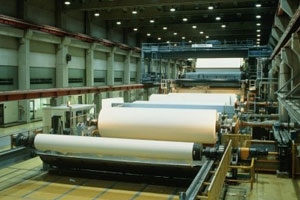
High-speed modern paper machines require precise wet-end chemistry management to retain fine fibers and mineral fillers (PCC/GCC) without sacrificing sheet formation quality.
Technical Operation: Dual-component retention systems pairing Anionic Trash Catchers with Cationic PAM drainage aids neutralize anionic trash, bridge fibers to mineral fillers, and speed up wire dewatering. Dry strength APAM agents form covalent hydroxyl bonds with cellulosic fibers, boosting bursting strength and tensile resistance.
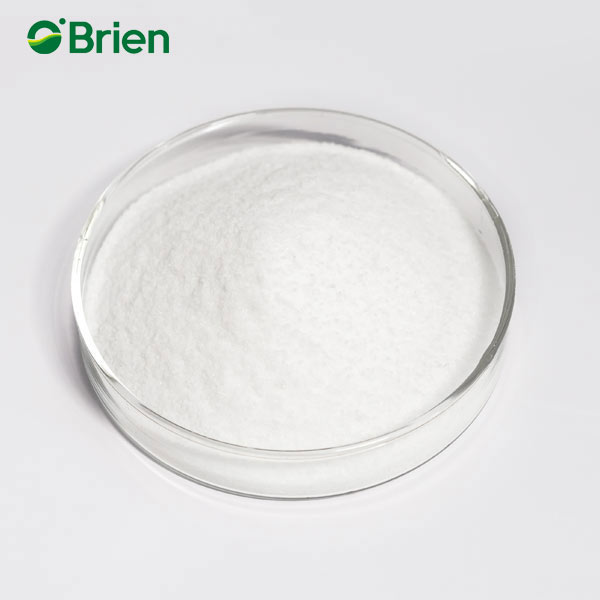
Upstream petroleum engineering demands robust rheology modifiers capable of surviving extreme downhole temperatures and intense hydraulic shear forces.
Technical Operation: Partially Hydrolyzed Polyacrylamide (HPAM) serves as an indispensable drilling fluid thickener, shale inhibitor, and friction reducer. In slickwater hydraulic fracturing, low-viscosity friction reducer PAM polymers decrease pipe friction pressure losses by up to 70-80%, maximizing proppant transport efficiency into formation fractures.
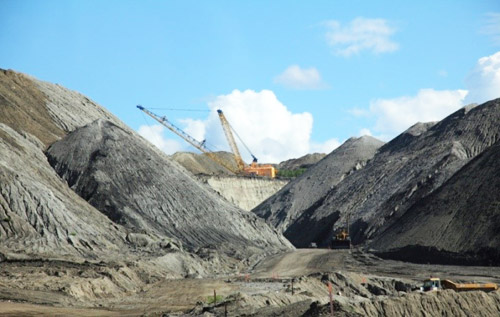
Mineral extraction operations (coal, copper, gold, alumina, iron) generate millions of gallons of slurry daily requiring solid separation and water recycling.
Technical Operation: High molecular weight APAM polymers added to gravity thickeners promote rapid settling rates of fine ore particles, creating crystal-clear overflow water for reuse. In coal washing plants, specialized nonionic PAM prevents tailing solids build-up in thickeners, optimizing refuse slurry filtration.
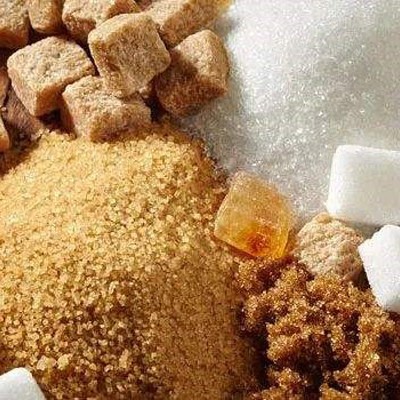
Sugar juice clarification demands food-grade chemical additives that quickly settle bagasse fibers and organic suspended matters without leaving harmful chemical residues.
Technical Operation: Ultra-pure, low-acrylamide-monomer Anionic PAM accelerates juice clarification during lime mud settling in sugar cane mills, improving raw sugar purity and boosting clarification speed while strictly respecting food safety compliance limits.
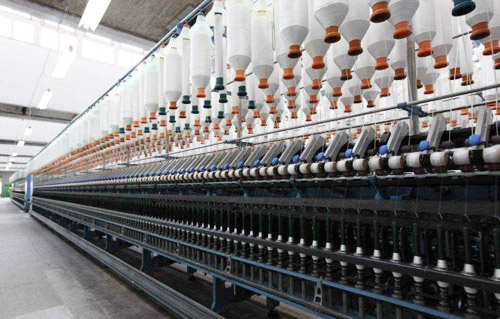
Textile mills utilize PAM both as a sizing agent during weaving and as an eco-friendly de-colorizing flocculant for complex dye-laden wastewater.
Technical Operation: Highly cationic Polyacrylamide complexes react with anionic reactive dyes and direct dyes in effluent streams, forming insoluble precipitates easily removed by air flotation (DAF) systems, reducing color units by over 95%.
To prevent moisture absorption and maintain polymer active content during international sea transport, Oubo Chemical provides engineered multi-layer moisture-barrier packaging tailored to buyer distribution requirements.
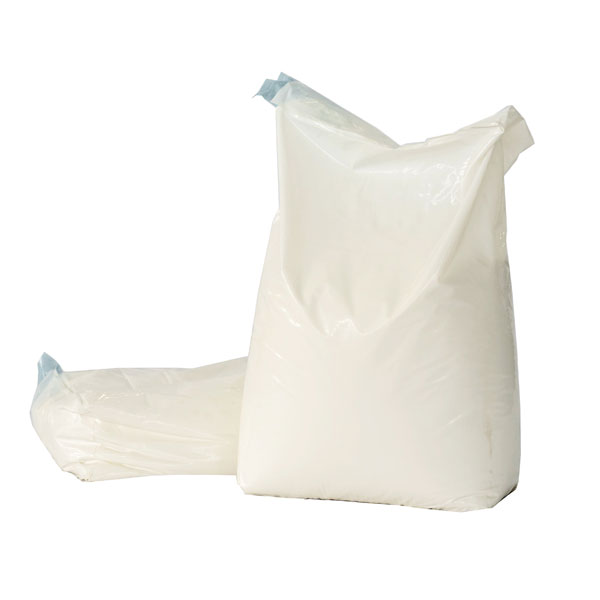
3-in-1 paper-plastic composite bags with PE inner liner for distributor re-branding.
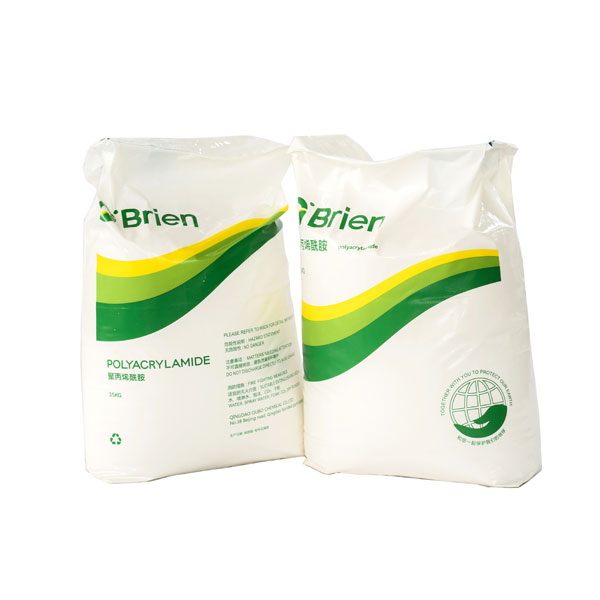
High-durability printed brand packaging with lot tracking numbers and technical specs.
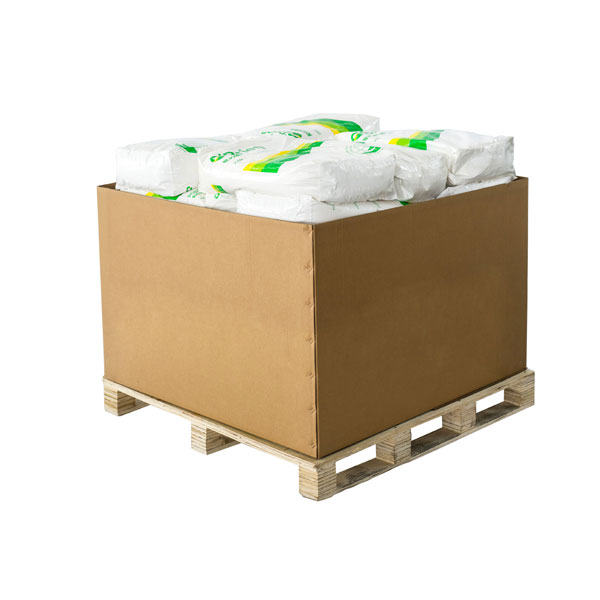
Heavy-duty FIBC big bags designed for automated industrial dosing hoppers.
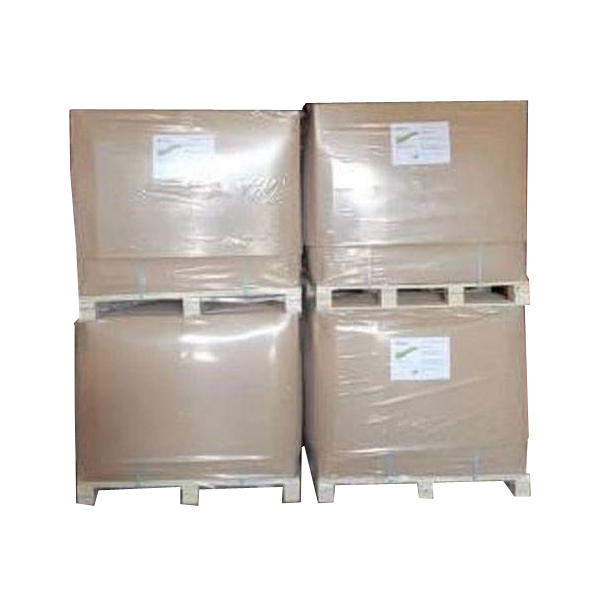
Fumigated wooden/plastic pallets wrapped with stretch film for sea freight stability.
Browse our secondary catalog of specialized polyacrylamide polymers engineered for demanding solid-liquid separation challenges worldwide.
Detailed technical answers to common industrial engineering, procurement, and polymer chemistry questions.
With over a decade of chemical engineering leadership, ISO 9001 certified continuous manufacturing, and dedicated international technical support, Oubo Chemical is your reliable strategic manufacturer for wholesale polyacrylamide complexes.
Global leader in biological-method PAM production. €2M annual R&D investment drive continuous molecular structure advancements.
Global supply chain with top-tier raw material partners (SINOPEC, Eni). Automated production line with 3x QC inspection per lot.
Dedicated technical sales and field chemical engineers assist pre-sale selection, lab jar testing, plant trial support, and logistics.
 Oubo Chemical